
A loft conversion is more than just an extra room; it’s a transformative addition that significantly enhances both the living space and the monetary value of your property. Imagine turning unused attic space into a vibrant, functional area that meets your evolving needs. Whether you dream of a serene master suite, a playful children’s bedroom, a productive home office, or a cozy guest room, a well-executed loft conversion offers unparalleled potential. It’s an investment in your home’s future, providing an escape from the daily hustle and adding a unique charm that sets your property apart.
When considering your loft conversion as a bedroom, the design and styling choices become paramount. The unique architectural features of an attic, such as sloping ceilings and often irregular layouts, present both challenges and exciting opportunities for creativity. Far from being limitations, these characteristics can inspire innovative design solutions that result in a truly distinctive and inviting space. From choosing the perfect color palette to selecting the right furniture and maximizing storage, every detail contributes to transforming your loft into a dream bedroom. This comprehensive guide will walk you through essential tips and inspiring ideas to help you successfully style your loft conversion, ensuring it becomes a beautiful, comfortable, and highly functional retreat.
Elevate Your Loft Conversion with the Right Color Palette
The unique architecture of loft conversions, often characterized by charming sloping ceilings, exposed beams, and intriguing corner spaces, can sometimes feel restrictive. However, these features are actually a canvas for imaginative decorating. The colors you choose play a crucial role in shaping the atmosphere of your loft bedroom, influencing how spacious, light, and airy it feels. Selecting the right palette can transform potentially awkward areas into delightful design elements, making the room both visually appealing and highly functional.
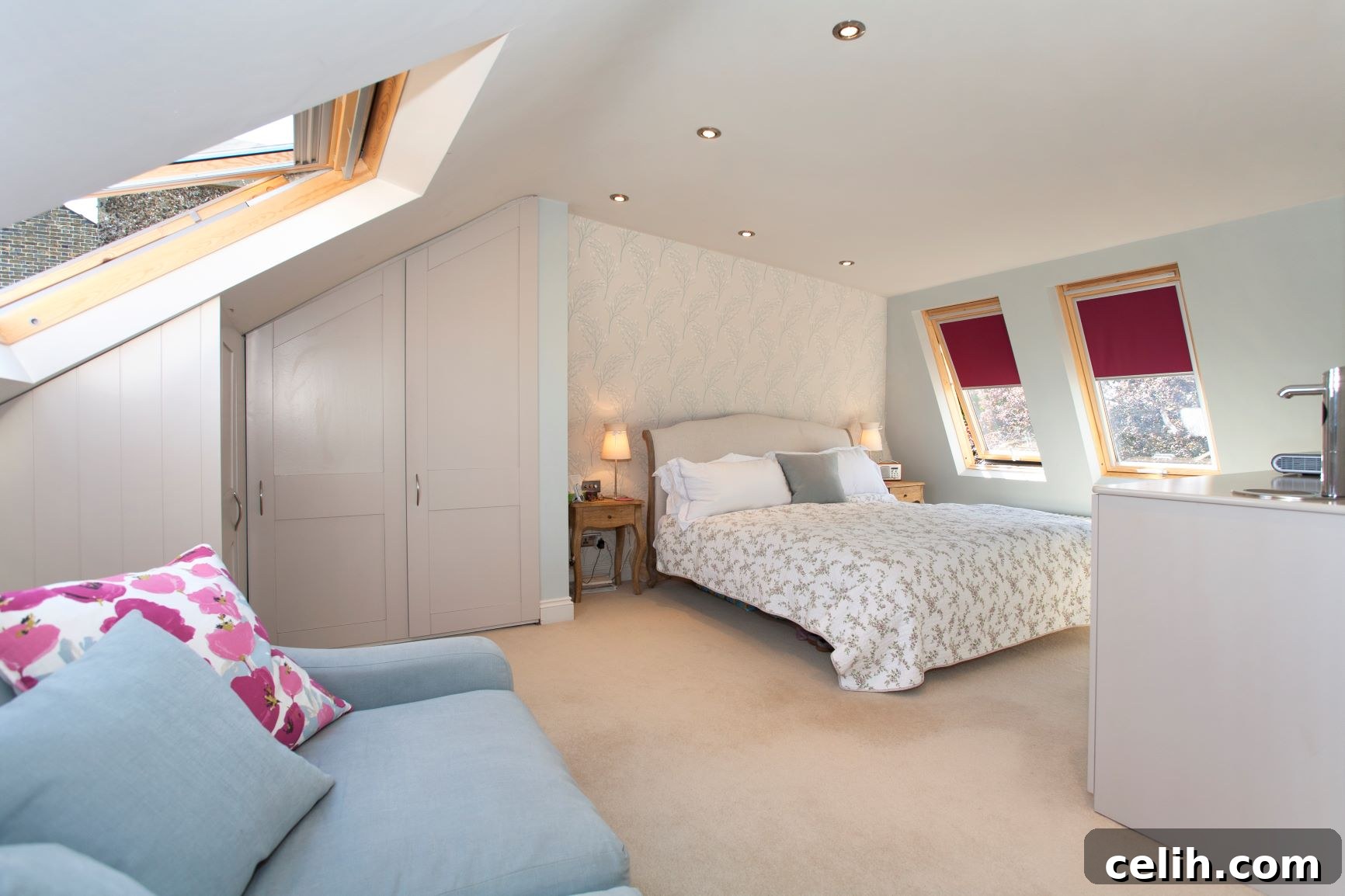
To maximize the sense of space and light, especially in areas with lower ceiling heights or dormer windows, soft and reflective color palettes are highly recommended. Shades such as warm greys, soft pinks, gentle creams, and various tones of white are excellent choices. These light hues bounce natural light around the room, making it appear larger and more open. Beyond aesthetics, light colors can also contribute to a cooler feel, which is particularly beneficial for loft rooms. Given their elevated position, lofts can often get quite warm, especially during the summer months when temperatures soar. A light color scheme helps to mitigate this, creating a more comfortable and refreshing environment for relaxation and sleep. Consider using pale blues or mint greens to further enhance this cooling effect and create a serene, spa-like ambiance.
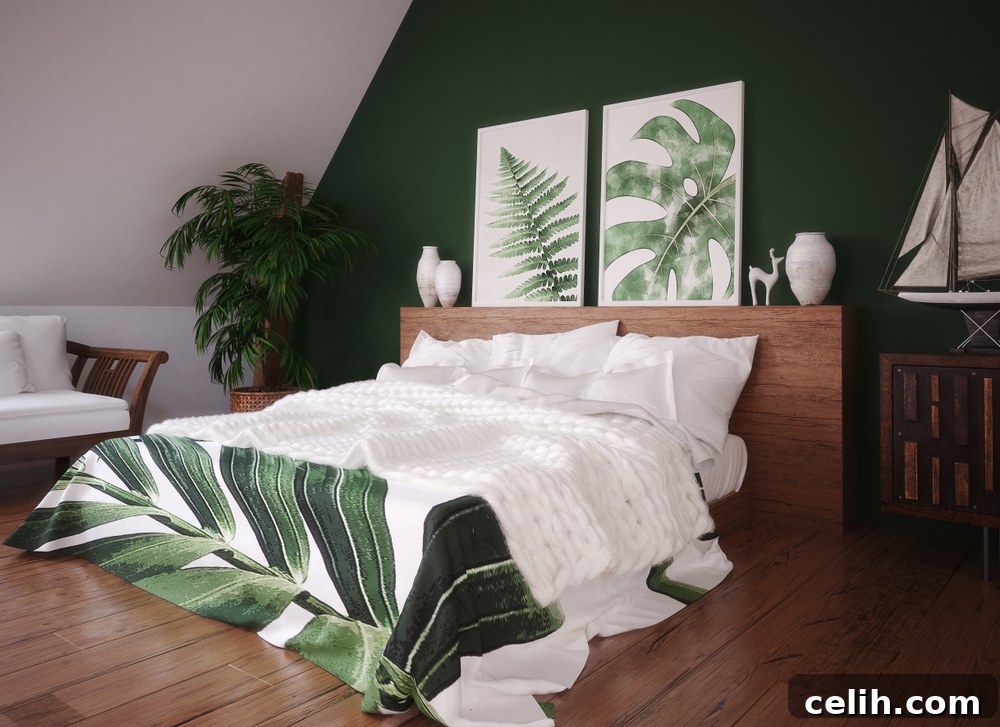
Don’t shy away from incorporating darker colors entirely; they can be incredibly effective when used strategically. A bold feature wall, painted in a rich, deep hue or adorned with a striking wallpaper design, can become an extraordinary focal point in your loft bedroom. The angular nature of many loft walls provides a unique opportunity to enhance such a design choice. A dark accent wall, particularly one with interesting slopes or nooks, will stand out even more, adding depth, character, and a touch of sophisticated drama. Consider deep blues, forest greens, charcoal greys, or even a subtle plum to create a contemporary and luxurious aesthetic. This approach can highlight the architectural uniqueness of the space rather than trying to conceal it, resulting in a truly bespoke and memorable design. When using darker colors, ensure there’s ample natural and artificial light to prevent the room from feeling too enclosed and to balance the visual weight.
Enriching Your Loft Conversion with Diverse Textures
Creating a truly inviting and cozy atmosphere in your loft conversion goes beyond just color; it’s about layering various textures. Textural elements add depth, warmth, and visual interest, making the space feel more lived-in and comfortable. Consider how different materials feel to the touch and how they interact visually to craft a rich and appealing environment. This thoughtful integration of textures can transform a simple loft bedroom into a luxurious sanctuary.
Flooring is an excellent starting point for introducing texture. Wooden floors or high-quality wood-effect flooring options, such as laminate or vinyl, bring natural warmth and an organic touch. They also harmonise beautifully with any exposed beams often found in loft spaces, reinforcing a rustic or Scandinavian aesthetic. For a softer, warmer underfoot experience, especially in a bedroom, consider wall-to-wall carpeting in a plush pile. This can also help with sound insulation, making the room feel more tranquil. To enhance comfort and define specific zones within your loft bedroom, layer a luxurious area rug over a wooden or carpeted floor. This not only adds softness and warmth but also provides a lovely contrast in texture and can anchor your bed or a seating area.
Beyond the floor, infuse texture through bedding and accessories. A luxurious throw made from wool, faux fur, or chunky knit material draped over the bed instantly adds an element of snugness and sophistication. Explore different bedding materials like crisp cotton percale for a cool feel, soft linen for a relaxed look, or smooth sateen for a touch of elegance. Cushions are another fantastic way to introduce diverse textures. Mix and match different fabrics like velvet, linen, knitted cotton, or silk to create a visually rich and tactile arrangement on your bed or an accent chair. If a multitude of cushions on the bed isn’t your preference, perhaps a strategically placed armchair or small sofa in a complementary fabric could serve as a cozy reading nook, adorned with one or two inviting cushions.
Don’t stop there. Introduce other textural elements through curtains or blinds, opting for materials like linen, heavy cotton, or even bamboo blinds for a natural touch that filters light beautifully. Wall art can also contribute – consider pieces with raised textures, woven tapestries, macramé hangings, or even a gallery wall featuring frames of various materials like reclaimed wood, metal, or sleek acrylic. Living plants, with their natural forms and vibrant greenery, add organic texture and a touch of freshness, breathing life into the space and improving air quality. The thoughtful combination of these tactile elements will create a multi-sensory experience, transforming your loft conversion into a truly comfortable and stylish sanctuary.
Illuminating Your Loft Conversion: Strategic Lighting Ideas
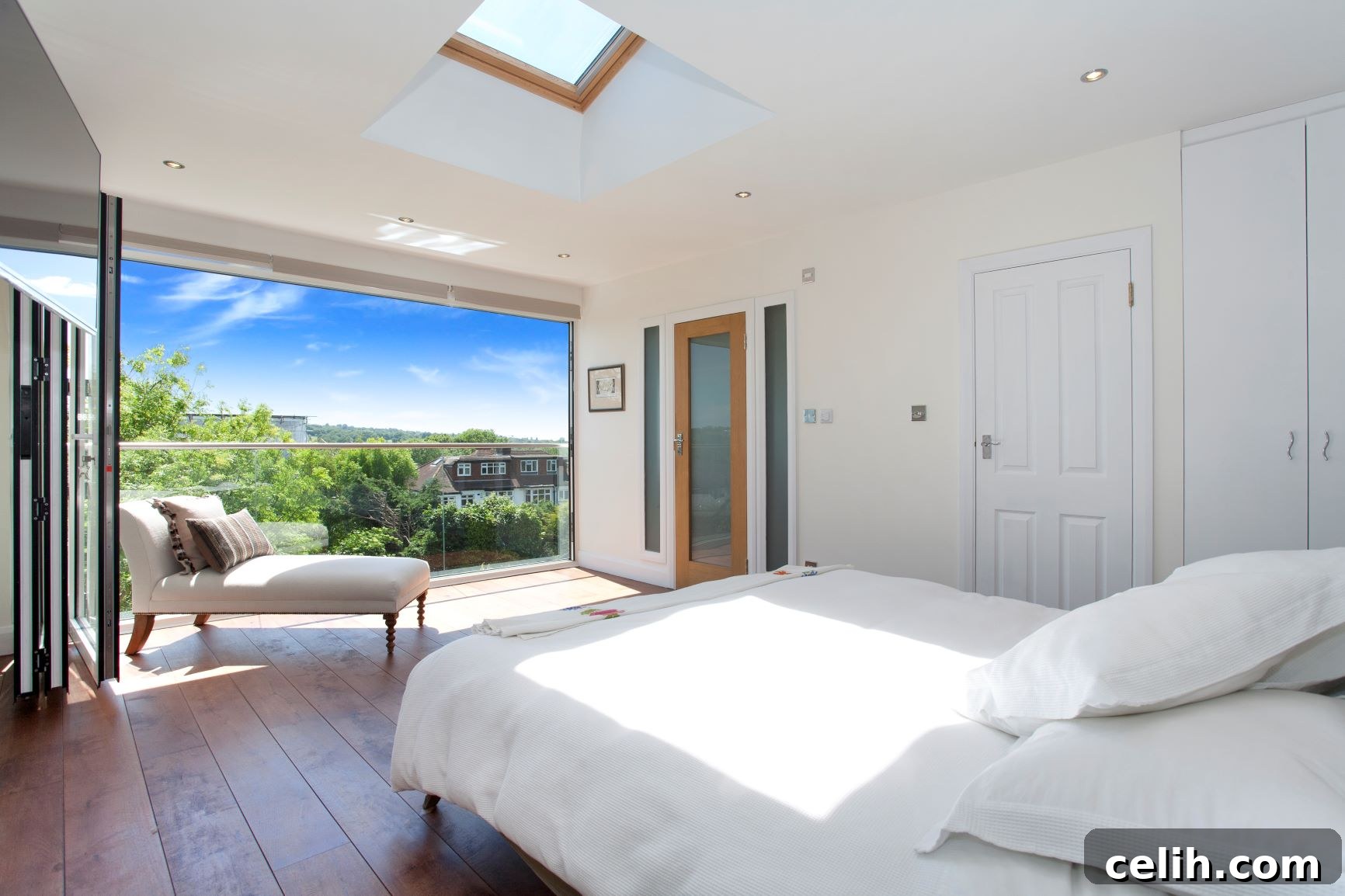
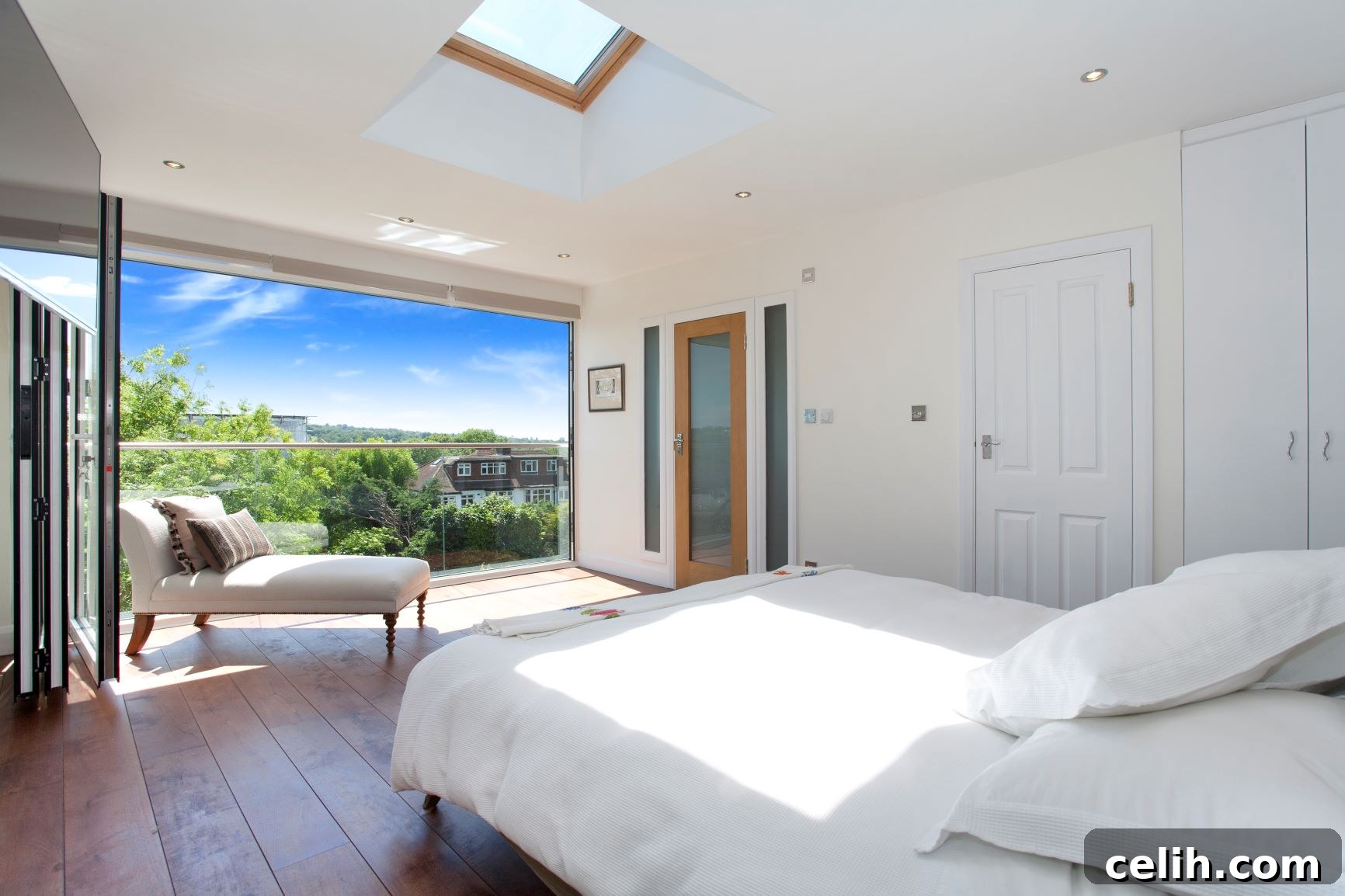
Lighting is perhaps one of the most crucial elements in successfully styling a loft conversion, impacting both its functionality and ambiance. Nothing quite compares to the transformative power of abundant natural light streaming into your loft bedroom. Maximise this precious resource through thoughtfully chosen windows. Dormer windows provide traditional vertical light, offering views and increased headroom. Roof windows, such as Velux, are excellent for flooding the space with overhead light, illuminating even the deepest corners and creating a bright, airy feel. For an even more dramatic effect, consider balcony windows or floor-to-ceiling glazing where feasible, which not only provide incredible light but also create a seamless connection with the outside world, offering panoramic views.
Beyond natural illumination, a well-designed artificial lighting scheme is essential for functionality and mood. Aim for a layered approach, combining ambient, task, and accent lighting. Ambient lighting provides general illumination for the entire room. Recessed spotlights are popular in lofts due to their discreet nature and ability to be placed strategically, even in sloped ceilings. Flush-mount fixtures or elegant semi-flush mounts can also work well, maintaining a sleek profile. For added character, consider a statement pendant light in the center of the room, or a series of smaller pendants over a specific area.
Task lighting is crucial for specific activities. Small table lamps on bedside tables offer the perfect amount of subtle light for reading, while a stylish floor lamp can illuminate a cozy reading nook or a desk area without requiring installation. Consider wall-mounted lights or sconces for additional task lighting without taking up precious floor space, especially beneficial in smaller lofts or areas with limited surface space. A flexible track lighting system can also provide versatile task and accent lighting, allowing you to direct light exactly where it’s needed.
Accent lighting highlights architectural features or decorative elements, adding depth and interest. Strip lighting along exposed beams, concealed LED strips under shelving, picture lights for artwork, or even uplighters tucked into dark corners can create captivating visual effects and draw attention to the unique structure of your loft. When choosing bulbs, consider the color temperature: warm white (2700K-3000K) creates a cozy, inviting atmosphere ideal for a bedroom, while cooler temperatures (3500K-5000K) are better for task-oriented areas like a workspace.
To give you ultimate control over the lighting mood, incorporating dimmer switches for ceiling spotlights and other key fixtures is highly recommended. This allows you to adjust the intensity of light throughout the day, transitioning from bright illumination for waking up to soft, intimate glows for winding down. Furthermore, explore smart lighting solutions that allow you to control lights via apps or voice commands, and even change color temperatures, enhancing convenience and creating dynamic lighting scenes in your modern loft bedroom. Thoughtful lighting design, combining natural and artificial sources, will ensure your loft conversion is not only bright and airy during the day but also warm and inviting at night. For specific applications like lighting tricky corners, don’t forget specialized solutions like roof lights or adjustable floor lamps.
Optimizing Space with Smart Furniture Ideas for Your Loft Conversion
Furnishing a loft conversion requires a thoughtful approach, particularly due to the prevalence of low-sloped ceilings, challenging angles, and sometimes intricate beam structures. Standard-sized furniture pieces may not fit or may overwhelm the unique dimensions of the space, making the room feel cramped and less functional. Therefore, careful planning and precise measurements are paramount. Before purchasing any item, meticulously measure not only the available floor space and ceiling height but also the access points – doorways, staircases, and any tight turns – to ensure furniture can be easily transported upstairs without damage or frustration.
For an unparalleled fit and a truly cohesive aesthetic, consider investing in bespoke furniture. Custom-designed pieces are tailored precisely to the unique contours of your loft, maximizing every inch of available space. Built-in wardrobes under eaves, custom-sized beds that fit perfectly into alcoves, or desks integrated into wall recesses can create a seamless, sophisticated look. Not only do bespoke solutions optimize space, but they also enhance the overall flow and functionality of the room, often turning awkward corners into valuable features. This approach eliminates wasted space, provides tailored storage, and creates a streamlined, intentional design that feels truly luxurious and uniquely yours.
Beyond bespoke options, look for furniture that offers versatility and clever design. Low-profile beds, such as platform beds or divans, work exceptionally well in lofts with reduced head height, maintaining an open feel and preventing the space from feeling top-heavy. Modular furniture allows for flexible arrangements and can be adapted to changing needs, offering scalability and reconfigurability. Multi-functional pieces are also invaluable; think ottoman storage benches that double as seating, stylish sofa beds for guest accommodation, or a console table that can serve as a small desk when needed. Wall-mounted shelving or floating desks free up floor space, contributing to an open and airy feel.
When positioning furniture, consider the dominant features of your loft. Placing the head of a bed against a flat wall or under the highest point of a sloped ceiling can create a focal point and offer comfortable headroom. Utilize smaller, lighter pieces that can be easily moved to adapt the space for different activities. Mirrors can also be strategically placed to reflect light and expand the perception of space, making the loft feel larger and brighter. By combining thoughtful selection of low-profile, multi-functional, and potentially bespoke furniture with strategic placement, you can create a beautifully furnished loft conversion that is both practical and exquisitely designed, embracing its unique architecture.
Creative Storage Solutions for Your Loft Conversion
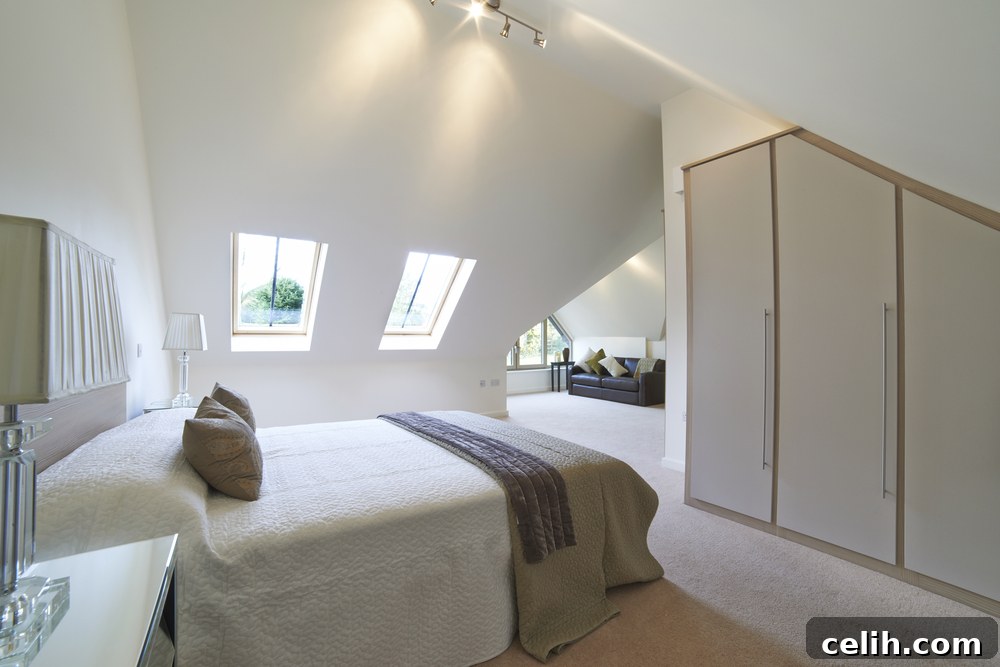
One of the primary challenges in any new living space, especially a loft conversion, is effectively managing storage. If your attic previously served as a repository for seasonal decorations, DIY tools, or nostalgic old toys, then a key part of your conversion project involves finding new, dedicated homes for these items. Integrating clever storage solutions into your loft interior is not just practical; it’s essential for maintaining a tidy, serene, and functional bedroom. Fortunately, the unique architecture of a loft offers numerous opportunities for creative storage.
Customized storage is truly the hero of loft conversions. The sloped eaves, often seen as challenging, can be transformed into highly efficient storage areas. Think about having bespoke cupboards, drawers, or shelving built directly into these sloping walls. This approach capitalizes on every available inch, turning what would otherwise be dead space into invaluable storage for clothing, books, or linens. Integrated units can be designed to match your room’s aesthetic, providing a seamless and sophisticated look that enhances the overall design rather than detracting from it. Consider pull-out drawers built into the eaves for easy access, or low-level cupboards that follow the roofline.
For smaller loft conversions, or simply to maintain a minimalist and uncluttered appearance, the power of hidden storage cannot be overstated. Explore options such as divan beds with integrated drawers or hydraulic lift-up mechanisms, perfect for stowing away extra bedding, off-season clothing, or even luggage. Headboards can also be reimagined as storage units, featuring hidden compartments, shelves, or even pull-out nightstands, offering discreet space for books, charging cables, and personal items. Ottoman storage benches, besides offering additional seating, provide generous hidden space that is easily accessible.
Vertical storage is another smart strategy, especially in lofts where floor space is limited but height permits. Tall, narrow shelving units or built-in cabinets can utilize the height of any flat walls, while floating shelves maintain an open feel and can be installed at varying heights to accommodate the slopes. Consider innovative solutions like pull-out wardrobes that make the most of narrow gaps, or wall-mounted folding desks that can be tucked away when not in use. By carefully planning and integrating these diverse storage solutions, you can ensure your loft conversion remains a haven of calm and order, free from clutter, and perfectly designed to meet all your practical needs while still looking effortlessly stylish.
Maximizing Space and Light in Your Loft Bedroom
Loft conversions, by their very nature, often come with unique dimensions and architectural quirks. To ensure your loft bedroom feels as expansive and inviting as possible, consider strategic design elements that enhance both space and light. Mirrors are an interior designer’s best friend for this purpose. Placed opposite windows, they brilliantly reflect natural light, making the room feel significantly brighter and larger. A large mirror leaning against a wall, or a gallery of smaller framed mirrors, can create a powerful illusion of depth and openness, effectively doubling the perceived size of the room.
Utilizing vertical lines is another effective technique to draw the eye upwards and emphasize height, counteracting the effect of sloping ceilings. Think about tall, narrow bookshelves that stretch towards the apex, floor-to-ceiling curtains (even if the window is smaller) that create a sense of grandeur, or even wallpaper with a subtle vertical pattern. These elements guide the gaze upwards, making the room feel taller and more expansive. Keep the floor plan as open as possible, avoiding too many bulky furniture pieces that can break up the visual flow and make the room feel cluttered. If you have an open-plan loft, use rugs, thoughtful furniture arrangements, or varying lighting zones to subtly define areas without creating physical barriers. Light-colored flooring also contributes to a more open feel.
Personal Touches: Accessorizing Your Loft Conversion
Once the core elements of color, texture, lighting, furniture, and storage are in place, it’s time to infuse your personality into your loft bedroom through accessories. These are the details that truly make a space feel like home and reflect your unique style. Artwork, whether a striking large piece that becomes a focal point or a curated gallery wall, can add character, visual interest, and a splash of color. Choose pieces that resonate with your chosen color palette or introduce complementary accents to create dynamic visual interest. Consider using art to break up large, flat walls or to highlight a specific area.
Plants are invaluable for bringing life and freshness into any room, and particularly in a loft. Their natural textures and vibrant greens soften hard architectural lines, purify the air, and introduce a calming, organic element. Select plants that thrive in varying light conditions, from sun-loving succulents by a roof window to shade-tolerant snake plants or ferns in a cozy corner. Grouping plants of different sizes and textures can create an attractive display.
Textiles beyond bedding, such as decorative throws, cushions, and curtains, offer another layer of warmth, color, and softness. Choose materials that complement your existing textures, adding richness and comfort. Don’t underestimate the power of decorative objects – unique vases, sculptures, framed photographs, or cherished souvenirs can tell a story and add a deeply personal touch. Remember to curate rather than clutter; select a few meaningful pieces that contribute to the overall aesthetic without overwhelming the serene atmosphere of your loft bedroom. The goal is to create a harmonious and inviting space that feels truly yours.
Planning Your Dream Loft Conversion Design
Embarking on a loft conversion project is an exciting journey, and careful planning from the outset will ensure a successful and satisfying outcome. Before diving into paint swatches and furniture catalogs, take the time to define your vision. What is the primary function of this new space? Is it purely a sleeping area, or will it also serve as a reading nook, a small home office, or a creative studio? What atmosphere do you want to create – tranquil, energetic, modern, or rustic?
Begin by gathering inspiration – create a mood board with images, fabric samples, and color palettes that appeal to you. This visual tool will help clarify your aesthetic preferences and ensure consistency in your design choices across all elements of the room. It’s also wise to consult with professionals, such as architects or experienced loft conversion specialists, early in the process. They can offer invaluable advice on structural considerations, planning permissions, optimal layout for your specific attic space, and how to best utilize the unique dimensions and natural light of your loft. A well-thought-out plan, combining your personal style with expert guidance, will lay the foundation for a loft conversion that is not only beautiful but also perfectly tailored to your lifestyle and enhances the value and enjoyment of your home.
Ultimately, however you choose to decorate and style your loft conversion bedroom, the goal is to make the best use of the space you have. Add colors, designs, and furniture that suit your individual needs and create a room that you truly love using and spending time in. Your loft conversion should be a personal sanctuary, reflecting your taste and providing immense comfort and functionality for years to come.
If these ideas have inspired you to think about ‘looking up’ for your next home improvement project, then check out this helpful loft conversion advice and explore the possibilities that await right above your head.
Image credits: Abbey Lofts and Shutterstock
Pin It for Later!
Before you go, you might like to read these posts next:
- Don’t Move, Improve! How to Plan a House Extension
- Renovation Guide: Period Property Pitfalls
- How to Add Value to Your Property
(Disclosure: Paid collaborative post)