
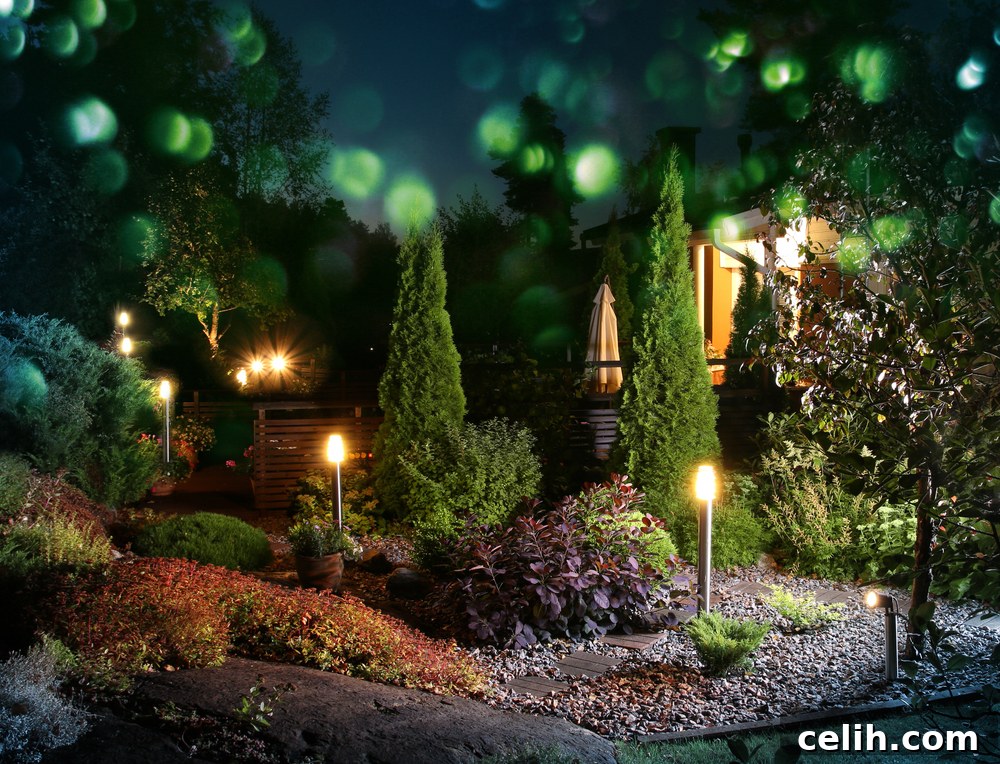
Gardening is a beloved pastime for many, offering a connection to nature and a sense of tranquility. However, the traditional image of gardening often involves basking in the daytime sun, which isn’t always ideal for everyone. If you’re someone who enjoys the therapeutic art of nurturing plants but prefers cooler temperatures, or perhaps your daily schedule only allows for evening relaxation, then creating a “Night Garden” or “Moon Garden” might be your perfect solution. This unique type of garden is thoughtfully designed to come alive as dusk settles and the moon graces the sky, offering a distinctly magical experience that appeals to all senses.
A moon garden typically features plants with pale-colored flowers and foliage – think whites, creams, silvers, and light yellows – that brilliantly reflect moonlight, making them seem to glow in the dim light. Beyond visual appeal, these gardens often incorporate plants known for releasing their most enchanting fragrances during the evening hours. From carefully selecting flora to strategically incorporating lighting and even encouraging nocturnal wildlife, there’s an abundance of creative possibilities to transform your outdoor space into a captivating nighttime sanctuary. Let’s delve into how you can cultivate your own luminous night garden that truly shines after sunset.
Designing Your Enchanting Night Garden: Illuminating After Dark
Transforming your garden into a moonlit haven requires thoughtful consideration of both decorative elements and practical lighting solutions. The goal is to create an ambiance that is both functional and aesthetically pleasing, guiding the eye and enhancing the ethereal beauty of your nighttime landscape.
Strategic Lighting for Ambiance and Safety
Lighting is paramount in a night garden, serving dual purposes of visibility and atmosphere. While the moon provides a natural glow, supplementary lighting enhances features and ensures safe navigation. Solar-powered garden lights are an excellent choice for night gardens. They charge effortlessly during the day and automatically illuminate as darkness falls, offering an eco-friendly and cost-effective solution without the need for complex wiring. Consider using various types of solar lights:
- Pathway Lights: Install them along walkways to guide visitors safely through your garden, highlighting the contours of your design.
- Spotlights: Use these to accentuate specific plants, statues, or architectural features, creating dramatic focal points.
- String Lights: Often referred to as fairy lights, these are incredibly versatile. Drape them through tree branches, weave them into bushes, suspend them over pergolas, or wrap them around fences to create a magical, twinkling canopy. During the day, they remain discreetly hidden, only to come alive with a warm glow once the sun sets.
Beyond solar options, consider battery-operated lanterns with LED candles for cozy, portable illumination in seating areas. Low-voltage landscape lighting can also be integrated for more permanent and subtle uplighting of key elements. Remember to prioritize safety by adequately lighting steps, changes in elevation, and entrances.
Reflective Decor and Hardscaping
The interplay of light and shadow is a crucial element in a night garden. Incorporating reflective and light-colored decorative items can amplify the moonlight’s effect. Stone garden statues, light-colored pavers, or even a classic sundial can beautifully catch the fading twilight and moonlight, casting intriguing shadows and creating unexpected visual interest. Consider elements such as:
- Pale-Colored Stone: Use light-toned gravel for pathways or pale stone for retaining walls. These materials reflect ambient light, making pathways clearer and borders more defined.
- Reflective Spheres or Gazing Balls: Positioned strategically, these can capture and distort moonlight, adding a whimsical touch.
- Water Features: A still pond or a gently bubbling fountain can become a magnificent mirror for the night sky, reflecting the moon and stars. The gentle sound of water also adds an auditory dimension to the tranquil evening ambiance.
- Seating Areas: Illuminate these spots with string lights, lanterns, or even a small, safe fire pit (if local regulations allow) to create inviting spaces perfect for drinks, dining al fresco, or quiet contemplation on balmy summer evenings. Ensure cushions and throws are available for ultimate comfort.
By blending practical lighting with carefully chosen decorative elements, your night garden will transform into an enchanting extension of your home, beckoning you to linger and enjoy the cooler, quieter hours.
Selecting the Perfect Flora for Your Moonlit Oasis: Plants That Shine
The heart of any night garden lies in its plant selection. The key is to choose flowers and foliage that not only thrive in your climate but also possess characteristics that make them stand out under the moon’s gentle glow or release their intoxicating scents at night.
Visual Appeal: Light-Colored Flowers and Foliage
Moon-friendly flowers, though they may seem understated during daylight hours, truly come to life at night. The best options are those with light colors, predominantly white, cream, pale yellow, and even soft lavenders or blues. These hues reflect moonlight exceptionally well, making them appear to shimmer and glow in the low light conditions. Many popular garden flowers come in a multitude of colors, so careful selection of pale varieties is essential for your night garden.
Excellent flower choices for their luminous qualities include:
- Petunias: Especially white or pale yellow varieties, offer continuous blooms and often a light evening scent.
- Irises: White or pale blue irises provide striking vertical interest and reflect light beautifully.
- Lilies: White ‘Casa Blanca’ or ‘Siberia’ lilies are incredibly fragrant and stunningly luminous.
- Peonies: White or blush-pink varieties offer large, romantic blooms that stand out.
- Lily of the Valley: Its delicate white bells and sweet fragrance are perfect for shaded, damp areas.
- Yucca: With its tall spikes of creamy white flowers, Yucca adds dramatic form and structure.
- Baby’s Breath (Gypsophila): Its airy white blooms create a cloud-like effect that brightens any corner.
- Shasta Daisies: Their crisp white petals and yellow centers are classic and cheerful, glowing in the moonlight.
- White Hydrangeas: Large, billowy white blooms (like ‘Annabelle’ or ‘Limelight’ which fades to cream) make a significant impact.
- White Roses: Varieties like ‘Iceberg’ or ‘Purity’ offer elegant white blossoms and a delicate fragrance.
- Alyssum: The tiny white flowers create a low-growing, fragrant carpet that effectively brightens pathways and borders.
- Phlox: Especially white garden phlox, which can also be highly fragrant in the evening.
- Clematis: Pale-flowered varieties can climb trellises or arbors, adding vertical interest and luminous blooms.
Don’t forget the power of foliage! Plants with silvery or variegated leaves, such as Lamb’s Ear (Stachys byzantina), Dusty Miller (Senecio cineraria), Artemisia, or certain varieties of Hostas with white margins, are excellent reflectors of moonlight and add textural contrast.
Sensory Delight: Flowers with Evening Fragrance
While visual beauty is paramount, a night garden truly engages all senses, especially the sense of smell. Many beautiful flowers have evolved to release their strongest and most captivating scents at night, specifically to attract nocturnal pollinators like moths. Often, these evening fragrances are more potent and unique than those of daytime bloomers. To maximize their impact, strategically plant these scented flowers where you are most likely to encounter them – along pathways, near seating areas, beneath windows, or beside doorways.
Good options for their intoxicating evening scents include:
- Moonflower (Ipomoea alba): A classic for night gardens, these large, pure white trumpet-shaped flowers dramatically unfurl at dusk and release a sweet, lemon-tinged fragrance.
- Evening Primrose (Oenothera biennis): Known for its delicate yellow blooms that open in the evening, emitting a subtle, sweet perfume.
- Datura (Angel’s Trumpet): Features large, pendulous, trumpet-shaped flowers that release a powerful, often spicy, sweet scent. (Note: All parts of Datura are poisonous if ingested, so plant with care, especially around children or pets).
- Honeysuckle (Lonicera periclymenum): Many varieties offer incredibly sweet, heavy fragrances, especially in the evening, and can be trained to climb arbors or trellises.
- Nicotiana (Flowering Tobacco): Especially the white-flowered varieties (e.g., ‘Grandiflora’), which produce long, trumpet-shaped blooms with an intensely sweet, heady fragrance that becomes stronger at night.
- Jasmine (Jasminum officinale or Jasminum polyanthum): Certain species of jasmine are famous for their incredibly sweet, intoxicating evening scent, ideal for climbing near windows or seating areas.
- Garden Heliotrope (Heliotropium arborescens): With its clusters of small, violet-blue flowers, it emits a delightful vanilla-like fragrance, particularly in the evening.
- Night-Blooming Cereus (Hylocereus undatus, Peniocereus greggii): These cacti produce spectacular, enormous white flowers that bloom for just one night, releasing a truly exquisite, strong fragrance. A dramatic showstopper.
- Four O’Clocks (Mirabilis jalapa): These cheerful flowers open in the late afternoon and remain open all night, often releasing a sweet, spicy fragrance.
Structure and Form: Shrubs and Trees for Depth
Shrubs and small trees are essential for adding structure, height, and year-round interest to your night garden. They provide a backdrop for your luminous flowers and can offer interesting silhouettes against the moonlit sky. Choose varieties with lighter foliage, interesting bark, or pale flowers.
- Shrubs: Small and hardy shrubs like Hebe come in a variety of foliage colors, from light green to variegated, and many also produce delicate flowers throughout the year. Consider those with silvery foliage, such as some varieties of Leucophyllum or ornamental sages. White-flowering shrubs like certain Viburnums (e.g., Viburnum opulus ‘Roseum’ for its white snowball blooms) or white-flowered Azaleas and Rhododendrons can also contribute significantly.
- Small Trees: Trees with pale bark, like the Silver Birch (Betula pendula), create striking features, especially when uplighted. Certain varieties of Japanese Maples with light green or variegated leaves can also add delicate form and reflect subtle light.
- Climbing Plants: Beyond scented options like Jasmine and Honeysuckle, consider pale-flowered Wisteria or climbing Hydrangeas to add vertical drama to walls, fences, and pergolas. These create soft, luminous curtains that capture moonlight.
By thoughtfully combining these visual and olfactory elements, you can craft a night garden that transforms from a quiet daytime space into a vibrant, sensory wonderland after dark.
Attracting Nocturnal Visitors to Your Night Garden: Wildlife After Dark
A truly vibrant night garden isn’t just about plants and lights; it’s also about embracing the fascinating world of nocturnal wildlife. Many animals prefer the quiet, cooler hours of the night, and you can significantly enhance their presence in your garden by providing suitable habitats, food sources, and a safe environment.
Creating a Welcoming Habitat for Nocturnal Animals
- Build a Bat Box: Bats are incredible insect controllers, capable of consuming thousands of mosquitoes and other garden pests each night. Install a bat box in a sunny location (facing south or east is often best), at least 10-15 feet high on a sturdy tree or pole. These boxes have a narrow entrance at the bottom and a small grooved ladder inside for bats to cling to and scale. Their presence adds a unique ecological dimension to your night garden.
- Attract Moths and Insects: Moths are vital pollinators in a night garden and a primary food source for bats. Plant specific flowers that are known to attract moths and other night-flying insects. These often include the scented night bloomers mentioned earlier, particularly those with tubular flowers.
- Plant More Pale Flowers: As discussed, light-colored flowers are easier for nocturnal insects to spot once the sun has set. By increasing the number of white, cream, and pale yellow blooms, you’ll naturally attract more night-time insects, which in turn increases the chances of attracting insectivorous animals like bats and hedgehogs.
- Provide Shelter for Small Mammals: Shrubs, dense bushes, and strategically placed log piles or rockeries create safe hidey-holes where small mammals like hedgehogs can feel secure. These provide crucial protection from predators and places to rest during the day. Overturned and broken terracotta pots can also provide excellent shelter for insects, which are a food source for many of your favorite nocturnal visitors.
- Water Sources: A shallow bird bath or a small pond provides essential drinking water for many creatures, from insects to larger mammals. Ensure the water source is easily accessible and kept clean.
- Avoid Pesticides: To encourage a healthy ecosystem, it’s crucial to refrain from using chemical pesticides. These can harm not only the pests but also beneficial insects and the animals that feed on them. Opt for organic pest control methods if necessary.
- Hedgehog-Friendly Garden: If hedgehogs are common in your area, ensure your garden is accessible to them by creating small gaps in fences. Provide a hedgehog house or a sheltered log pile. Never leave out milk, as it can make them ill; instead, offer a shallow dish of water and specialist hedgehog food or good quality cat/dog food (meat-based, not fish).
- Attracting Owls: If you have tall trees, you might be lucky enough to attract owls. They are natural predators of rodents and add a majestic presence to the night. Provide nesting boxes specifically designed for owls if appropriate for your region.
By consciously designing your night garden with wildlife in mind, you’ll not only create a beautiful space for yourself but also contribute to a thriving nocturnal ecosystem. Witnessing the delicate dance of moths around fragrant blooms or catching a glimpse of a hedgehog foraging will add an extra layer of wonder to your moonlit retreat.
Maintaining Your Moonlit Masterpiece: Tips for Long-Term Enjoyment
Creating a night garden is an ongoing journey that yields continuous rewards. Regular maintenance ensures your nocturnal oasis remains beautiful and functional throughout the seasons. While many of the basic gardening tasks apply, there are specific considerations for a garden designed to be enjoyed after dark.
- Watering: Many plants, especially those that bloom at night or release strong evening scents, benefit from consistent moisture. Watering in the early morning or late evening can minimize evaporation and provide necessary hydration for plants preparing for their nightly show.
- Deadheading: Regularly removing spent flowers, especially from your visually prominent pale blooms, encourages continuous flowering and keeps your garden looking tidy and vibrant. For scented plants, deadheading can sometimes prolong their fragrant display.
- Pruning: Maintain the shape and size of your shrubs and trees to ensure they don’t overshadow smaller, light-reflecting plants. Pruning can also open up your garden to better moonlight penetration and improve air circulation, which is beneficial for plant health.
- Seasonal Adjustments: Consider plants that offer interest in different seasons. While summer is prime time for night gardens, you can extend the enjoyment with early spring-blooming white bulbs like daffodils and tulips, or late-season white asters and chrysanthemums that reflect autumn moonlight. Evergreens with silvery or variegated foliage can provide structural interest even in winter.
- Pathways and Features: Regularly clean pathways to ensure they remain reflective and safe. Check your lighting system periodically, replacing batteries in solar lights as needed and cleaning panels to ensure maximum charge.
- Soil Health: Good soil is the foundation of any healthy garden. Amend your soil with compost annually to provide essential nutrients for strong plant growth and vibrant blooms.
Have fun creating your night garden! It’s a deeply rewarding endeavor that offers a unique perspective on the beauty of nature, transforming your outdoor space into a personal sanctuary where magic unfolds with the setting sun.