
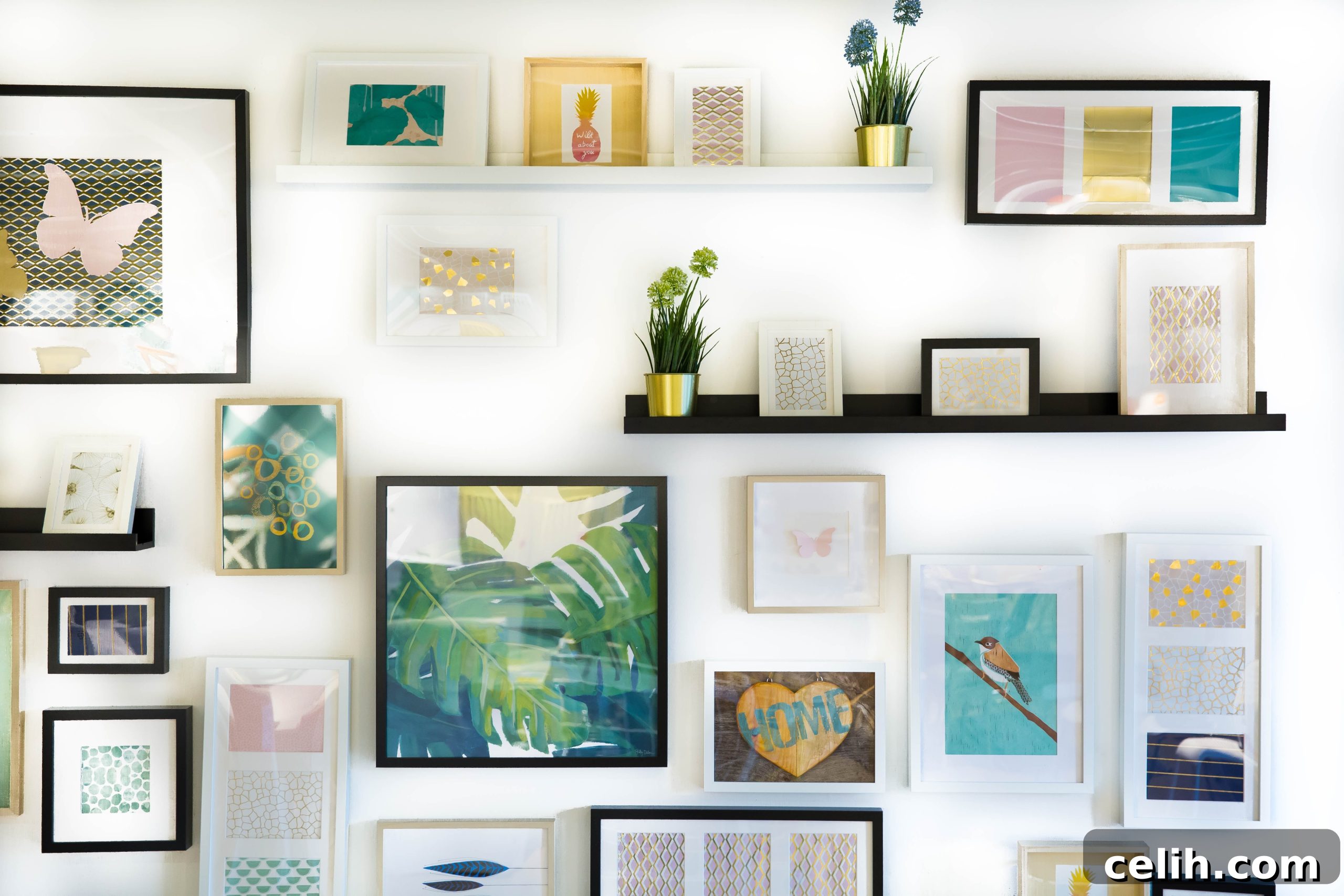
Transforming your living space into a personalized sanctuary has never been easier, thanks to the vast and vibrant world of digital prints. Whether you’re a seasoned art collector or just beginning to explore the realm of home decor, digital prints offer an unparalleled opportunity to infuse your personality, passion, and style into every corner of your home. From breathtaking landscapes and intricate illustrations to modern abstract art and cherished photographs, these versatile pieces can elevate your interior design, create captivating focal points, and tell your unique story without breaking the bank. This comprehensive guide will walk you through the exciting journey of selecting, styling, and displaying digital prints, providing you with expert tips and inspiring ideas to help you craft a space that truly reflects you.
Defining Your Aesthetic: Understanding Your Style and Preferences
Before embarking on your quest for the perfect digital prints, it’s crucial to first understand your personal style and the overall aesthetic you wish to cultivate in your home. This foundational step will serve as your compass, guiding your choices and ensuring that every piece you select harmonizes with your existing decor and personal taste. Take a moment to reflect:
- What emotions do you want your home to evoke? Do you envision a serene and calming retreat, a vibrant and energetic hub, or a sophisticated and minimalist sanctuary?
- What colors and patterns naturally draw your eye? Are you captivated by bold, high-contrast hues, or do you gravitate towards soft, muted tones? Do you prefer geometric precision, organic flowing lines, or intricate floral motifs?
- Which interior design styles resonate with you most? Are you inspired by the cozy simplicity of Scandinavian design, the rustic charm of farmhouse decor, the industrial edge of urban lofts, the bohemian free spirit, or the timeless elegance of classic interiors?
By answering these questions, you’ll begin to paint a clearer picture of your ideal artistic direction. For instance, if your home boasts a modern minimalist aesthetic, you might lean towards abstract prints with clean lines and a neutral color palette. Conversely, a bohemian-inspired space could beautifully accommodate vibrant, nature-inspired, or globally-influenced prints with rich textures and intricate patterns. Understanding your unique preferences is the first step to curating a collection of digital prints that truly speaks to your soul and enhances your living environment.
Harmonizing with Your Environment: Considering the Space and Decor
Once you have a firm grasp on your personal style, the next step is to meticulously consider the specific space where your digital prints will reside. Each room in your home possesses its own character, function, and existing decor, all of which should influence your print selection. Thoughtful consideration of these elements ensures that your chosen artwork complements, rather than competes with, its surroundings.
- Existing Decor and Color Scheme: Observe the dominant colors in the room – wall paint, furniture upholstery, rugs, and decorative accents. Your prints can either complement these colors by using similar tones or create a striking contrast that adds visual interest. For instance, a room with a predominantly cool color scheme might benefit from a print that introduces a touch of warmth, or vice versa.
- Furniture Arrangements and Scale: The size and placement of your furniture will dictate the appropriate scale of your prints. A large, empty wall above a sofa or bed can accommodate a commanding statement piece or a thoughtfully arranged gallery wall. Smaller prints work beautifully in cozy nooks, hallways, or as part of a multi-piece arrangement. Ensure the prints are proportionate to the wall space and don’t overwhelm or get lost amidst the furniture.
- Room Function and Ambiance: The purpose of each room should guide your print choices. In a serene bedroom, calming landscapes, abstract art with soft hues, or minimalist botanical prints can foster relaxation. A vibrant living room or dining area might thrive with energetic, colorful, or thought-provoking art that sparks conversation. A home office could benefit from inspiring quotes, architectural prints, or art that encourages focus. Personalized canvas prints, for example, can add a deeply personal touch, making a space feel truly unique.
- Natural and Artificial Lighting: Consider how light interacts with the artwork throughout the day. A print with subtle details might be lost in a dimly lit area, while a highly reflective print could create glare in direct sunlight.
By carefully assessing these factors, you can select digital prints that seamlessly integrate into your home’s design, enhancing its existing beauty and creating a cohesive, inviting atmosphere.
Setting the Scene: Theme and Mood
Digital prints are incredibly powerful tools for establishing a specific theme or evoking a desired mood within a room. Beyond mere decoration, they serve as visual anchors that can transform the emotional resonance of a space. What kind of atmosphere do you envision?
- For a Serene and Calming Atmosphere: Opt for prints featuring tranquil landscapes, minimalist designs, soft watercolors, or botanical illustrations. Scenes of oceans, forests, misty mountains, or delicate floral arrangements can instantly lower stress levels and promote relaxation. Soft blues, greens, whites, and muted earth tones are excellent choices for this mood.
- For a Vibrant and Energetic Vibe: Choose bold, colorful abstract art, pop art, urban photography, or dynamic graphic designs. Prints with strong lines, geometric shapes, or expressive brushstrokes in bright reds, yellows, oranges, and deep blues can inject energy and excitement into a living room, dining area, or creative workspace.
- For a Reflective or Inspirational Space: Consider prints with meaningful quotes, historical figures, celestial themes, or thought-provoking surrealism. These can serve as daily reminders, encourage introspection, or spark intellectual curiosity.
- For a Playful and Whimsical Touch: Illustrated characters, quirky animal prints, or whimsical fantasy scenes are perfect for children’s rooms or areas where a sense of lightheartedness is desired.
Think of your digital prints as storytellers. They can transport you to different places, celebrate your hobbies, or simply bring a smile to your face. For those who enjoy creating their own art, digital tools like Procreate flower brushes can be used to craft bespoke floral designs, allowing for truly personalized thematic elements.
Making a Statement: Size and Scale
The size and scale of your digital prints are critical design elements that profoundly impact a room’s visual balance and focal points. Getting this right can make your art feel integrated and intentional, rather than an afterthought. Here’s how to approach it:
- Creating a Focal Point: A single, large digital print can instantly become the anchor of a room. Positioned above a sofa, fireplace, or bed, it draws the eye and makes a powerful statement. When choosing a large print, ensure it doesn’t overpower the space. A good rule of thumb is for the artwork to be approximately two-thirds the width of the furniture it hangs above.
- Crafting a Gallery Wall: For those who love variety, a gallery wall allows you to combine multiple smaller prints of varying sizes and styles into a cohesive display. This approach adds depth, texture, and a highly personalized touch. When planning a gallery wall, lay out your prints on the floor first to experiment with different arrangements before committing to hanging them. Maintain consistent spacing (typically 2-4 inches) between frames for a polished look.
- Subtle Accents and Nooks: Smaller prints are perfect for filling awkward wall spaces, accentuating shelves, or adding a delicate touch to a quiet corner. They can provide visual interest without dominating the area. Don’t underestimate the power of a perfectly placed small print to complete a vignette.
- Consider Vertical vs. Horizontal: The orientation of your prints can also impact the perception of a room’s height or width. Vertical prints can make ceilings appear taller, while horizontal prints can make a narrow wall feel wider.
Always take precise measurements of your wall space and visualize how different sizes will fit. You can even create paper templates of your chosen print sizes and tape them to the wall to get a real-world sense of scale before making your final selection and purchase.
The Art of Cohesion: Color Palette and Coordination
Color is arguably the most influential element in interior design, capable of transforming a room’s mood and visual appeal. When selecting digital prints, paying close attention to their color palette and how they interact with your existing decor is paramount for creating a harmonious and aesthetically pleasing environment.
- Complementary Colors: Use the color wheel to identify colors that sit opposite each other (e.g., blue and orange, red and green). Prints featuring complementary colors can create a vibrant, high-energy contrast that pops.
- Analogous Colors: These are colors that are next to each other on the color wheel (e.g., blue, blue-green, green). Prints with analogous colors create a sense of calm and visual harmony, ideal for a soothing atmosphere.
- Monochromatic Schemes: Explore prints that utilize different shades, tints, and tones of a single color. This creates a sophisticated, cohesive, and tranquil look, adding depth without visual clutter.
- Introducing Accent Colors: Digital prints are an excellent way to introduce an accent color into a room without having to repaint walls or buy new furniture. Choose a print with a vibrant hue that is sparingly used in your existing decor to add a refreshing burst of color.
- Neutral Backgrounds: If your room is already rich in color, consider prints with neutral backgrounds (whites, grays, beiges) that allow the artwork itself to shine, or opt for black and white prints for timeless elegance.
The goal is to choose prints where the colors either subtly enhance the existing palette or thoughtfully introduce new ones to achieve your desired ambiance. Harmonious color coordination ensures that your digital prints feel like an integral part of your design, rather than disparate pieces.
Curating Dynamic Wall Displays: Mixing and Matching Prints
While a single statement piece can be impactful, the true magic often lies in the art of mixing and matching various digital prints. This creative approach allows you to build depth, tell a richer story, and inject boundless personality into your home decor. Don’t be afraid to experiment; the best displays often arise from unexpected combinations. Here are comprehensive tips for successfully curating unique and eclectic wall art displays:
1. Establish a Cohesive Theme: Even in an eclectic mix, a subtle underlying theme creates unity. This could be a shared subject matter (e.g., travel, botanicals, animals), a specific mood (e.g., whimsical, serene, avant-garde), or even a recurring element like a specific color or an art style. A cohesive thread helps disparate pieces feel connected. For a kitchen, consider print-on-demand decor for kitchens that might feature food illustrations or vintage advertisements.
2. Vary Print Sizes and Orientations: A dynamic display thrives on variety. Combine large statement pieces with medium and small prints to create visual hierarchy and prevent the arrangement from looking flat. Experiment with both portrait and landscape orientations to add interest. Laying your prints out on the floor beforehand is invaluable for testing different configurations.
3. Balance Complexity and Simplicity: Pair intricate, detailed prints with simpler, more minimalist designs. This contrast allows each artwork to breathe and prevents the overall display from becoming overwhelming. For example, a busy abstract print could be flanked by a solid-colored piece or a simple line drawing.
4. Incorporate a Neutral Anchor: A neutral-toned print, a solid-colored mirror, or even a blank space can act as a visual “anchor” within a busy gallery wall. This provides a resting place for the eyes and helps to tie together a diverse collection of prints, preventing chaos.
5. Coordinate Colors Across Prints: Even if the subject matter varies, selecting prints that share a common hue or a complementary color palette will create a sense of unity. Look for subtle color threads that run through multiple pieces to visually connect them. This doesn’t mean everything has to match perfectly, but rather that colors should harmonize.
6. Experiment with Patterns and Textures: Don’t shy away from combining different patterns – florals, geometrics, stripes, and organic designs can create a rich, tactile experience. Varying textures, whether through the print medium itself (e.g., canvas vs. paper) or the imagery, adds another layer of interest.
7. Maintain Frame Consistency (or Intentional Variety): While matching frames create a cohesive, polished look, intentionally varied frames can contribute to an eclectic, curated aesthetic. If you opt for varied frames, try to find a common element, like similar tones of wood or metal, to maintain some visual harmony. This is key to creating visual displays in your home with art prints.
The Art of Presentation: Framing and Display Solutions
The way you frame and display your digital prints is just as crucial as the prints themselves. The right presentation can elevate the artwork, enhance its impact, and seamlessly integrate it into your home’s decor. Explore these diverse framing and display options to find what best suits your style and the specific print:
1. Traditional Frames with Matting: For a classic, refined, and polished look, traditional frames with a crisp mat are an excellent choice. Matting (the border between the print and the frame) not only protects the artwork by keeping it away from the glass but also provides “breathing room,” drawing the eye inward and making the artwork appear larger and more significant. Choose acid-free mats to protect your prints long-term. Frame materials range from wood (natural, painted, stained) to metal (gold, silver, black, bronze), allowing you to match any decor style.
2. Gallery-Style Frames: Characterized by their simple, clean lines and slim profiles, gallery-style frames offer a sleek, modern aesthetic. They often come in black, white, or natural wood, allowing the artwork itself to be the primary focus. These are perfect for contemporary spaces and for creating a cohesive look in a gallery wall.
3. Canvas Prints: For a tactile and artistic feel, canvas prints offer a unique display solution. The digital image is printed directly onto canvas material, which is then stretched and wrapped around a wooden stretcher bar frame. This gives the artwork a three-dimensional quality, texture, and depth, often eliminating the need for a traditional frame. Canvas prints are lightweight and create a gallery-like presence.
4. Metal Prints: For a truly contemporary and durable option, metal prints infuse the artwork onto a sleek aluminum surface. The result is incredibly vibrant colors, sharp details, and a high-gloss or satin finish that gives images a luminous, almost iridescent quality. Metal prints are resistant to fading, moisture, and scratches, making them suitable for various environments, including bathrooms or outdoor covered areas.
5. Acrylic/Plexiglass Prints: Similar to metal prints in their modern appeal, acrylic prints involve printing the image onto photographic paper and then mounting it behind a sheet of clear acrylic. This creates a striking depth effect and enhances colors, giving the print a radiant, glass-like appearance while offering UV protection.
6. Floating Frames: Often used with canvas prints, a floating frame creates a sophisticated border that leaves a small, visible gap between the canvas edge and the frame. This gives the impression that the artwork is “floating” within the frame, adding depth and a sense of prominence. They are excellent for showcasing bold and vibrant prints where you want minimal obstruction of the artwork.
7. Beyond Frames: Wall Galleries and Collages: Instead of individual frames, consider creating a curated wall gallery or collage using various display methods. This could involve grouping different framed prints, canvas prints, and even unframed prints held by clips or magnetic strips. Experiment with grid layouts for a structured look or a more organic, free-flowing arrangement. Using templates or sketching your layout beforehand can help you visualize the final result and ensure balanced spacing.
8. Alternative Display Methods: For a more casual or minimalist approach, consider leaning prints on shelves or mantels, using poster hangers with magnetic strips, or even securing prints directly to the wall with decorative clips. These methods offer flexibility and can be easily changed to refresh your decor.
The choice of display method significantly impacts the perception of your artwork. Select options that not only protect and highlight your digital prints but also seamlessly align with your home’s overall aesthetic and the specific mood you aim to create.
Investing in Longevity: Quality and Durability
When selecting digital prints for your home, prioritizing quality and durability is paramount to ensure that your chosen artwork retains its beauty and vibrancy for years to come. Investing in high-quality prints means your art will not only look stunning upon arrival but will also withstand the test of time, resisting common issues like fading, yellowing, and degradation.
- High Resolution and Clarity: The foundation of a high-quality digital print is the source file’s resolution. Always opt for prints produced from high-resolution images (measured in DPI – dots per inch or PPI – pixels per inch). Higher resolution ensures that the print appears sharp, clear, and detailed, without pixelation or blurriness, even upon close inspection. Reputable artists and print services will always use high-resolution files.
- Superior Printing Technology: The method of printing significantly impacts the final product. Look for prints created using professional-grade inkjet printers, often referred to as Giclée printing. Giclée prints use archival pigment-based inks, which offer a wider color gamut, exceptional color accuracy, and superior fade resistance compared to dye-based inks found in standard home printers.
- Archival-Quality Materials: The substrate on which the print is produced (paper, canvas, metal) should be of archival quality. This means the material is acid-free and lignin-free, preventing it from yellowing, becoming brittle, or degrading over time.
- Paper Types: Choose heavy-weight, fine art papers such as matte, luster, semi-gloss, or watercolor papers. These papers are designed for longevity and offer different tactile and visual textures.
- Canvas Quality: If opting for canvas prints, look for artist-grade cotton or poly-cotton canvas that is acid-free and coated for protection.
- Metal/Acrylic Substrates: Ensure these are professional-grade and come with protective coatings to enhance durability and color vibrancy.
- Fade Resistance: High-quality pigment inks, combined with archival papers and UV-protective coatings or glass, offer excellent fade resistance. While no print is entirely immune to the effects of prolonged direct sunlight, investing in materials designed to resist fading will significantly extend the life and visual integrity of your artwork.
- Durability and Protection: Consider prints that offer additional layers of protection. Some prints, especially canvas or metal, may come with a protective coating that shields against scratches, moisture, and dust. For framed prints, UV-protective glass or acrylic can further safeguard against sun damage.
By consciously choosing prints from sources known for their commitment to quality materials and advanced printing techniques, you ensure that your digital art remains a cherished and vibrant part of your home decor for many years to come.
Where to Find Your Perfect Digital Prints
The digital art market is booming, offering an incredible array of options for every taste and budget. Knowing where to look can help you discover unique pieces that resonate with your style:
- Online Marketplaces: Websites like Etsy, Society6, Redbubble, and Minted are treasure troves of digital art from independent artists worldwide. You can find everything from abstract paintings and photography to unique illustrations and typographic designs. Many offer prints in various sizes and formats.
- Independent Artist Websites: If you admire a particular artist’s work, check their personal website. Purchasing directly from an artist often supports them more significantly and might offer exclusive prints or custom options.
- Stock Photo & Art Sites: For more generic or specific themed imagery, sites like Unsplash (for free, high-quality photos), Shutterstock, Adobe Stock, and Getty Images offer vast libraries of professional photographs and digital illustrations that can be licensed for printing.
- Print-on-Demand Services: Many platforms allow you to upload your own images or designs and have them printed on various products, including paper, canvas, metal, or acrylic. This is perfect for personal photos or custom artwork.
- Museums & Galleries (Digital Collections): Some institutions offer public domain art from their collections as high-resolution digital downloads, allowing you to print masterpieces for your home.
Final Considerations: The Benefits and Installation
Digital prints offer numerous advantages beyond their aesthetic appeal:
- Affordability: Generally more affordable than original artworks, making high-quality art accessible to more people.
- Variety and Customization: An almost limitless selection of styles, subjects, and colors. Many digital prints can also be customized in size or even color schemes.
- Instant Access: Many digital print files can be downloaded instantly after purchase, allowing you to print them at home or a local print shop without waiting for shipping.
- Sustainability: By printing locally or on demand, you can reduce the environmental impact associated with shipping pre-printed physical art across long distances.
Installation Tips:
- Measure Twice, Hang Once: Always measure your wall and plan your layout carefully. Use painter’s tape to mark placement on the wall or create paper templates of your frames.
- The Right Height: A general rule for hanging art is to center it at eye-level, which is typically 57-60 inches from the floor to the center of the artwork. If hanging above furniture, ensure there’s a comfortable gap (6-8 inches) between the top of the furniture and the bottom of the frame.
- Use Proper Hardware: Match your hanging hardware (nails, hooks, anchors) to the weight of your framed prints and the type of wall material. A level is essential for ensuring your artwork hangs straight.
- Safety First: Ensure prints are securely fastened, especially in homes with children or pets, to prevent accidental falls.
Endnote
Selecting and styling digital prints for your home is an incredibly rewarding journey that allows you to express your unique personality and creativity. By understanding your style, considering your space, experimenting with themes, and paying attention to quality and display, you can transform your house into a truly inspiring and personal home. We hope these comprehensive ideas and insights empower you to confidently curate beautiful wall art displays that you will cherish for years to come.