
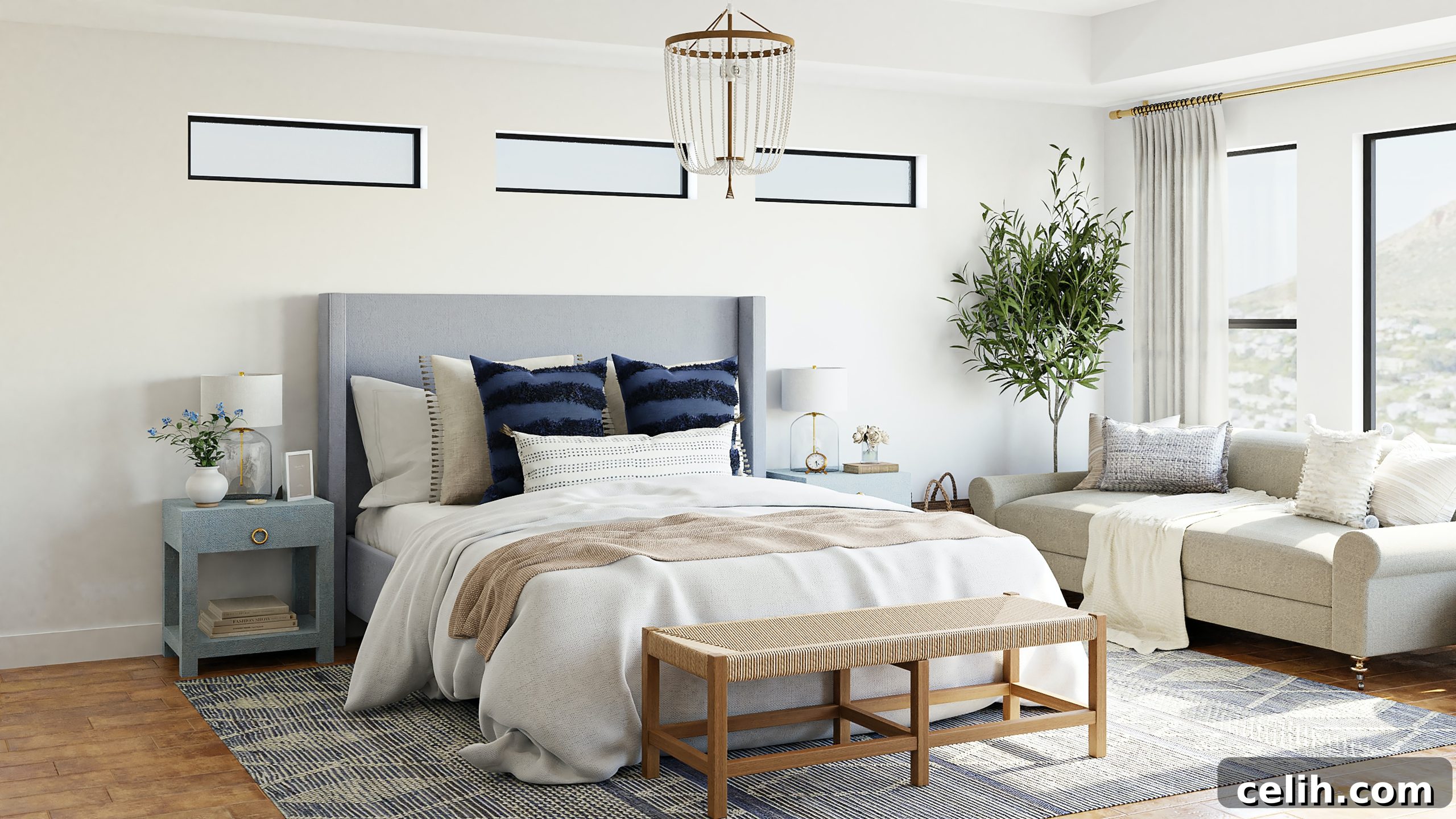
Embarking on the journey of choosing bedroom furniture is an exciting prospect, whether you’re revamping your current space, moving into a new home, or simply looking to refresh your decor with contemporary designs. Your bedroom is more than just a place to sleep; it’s a personal sanctuary, a haven for rest, relaxation, and rejuvenation. Therefore, making it a space you genuinely love to inhabit is paramount. The right selection of furniture can profoundly transform the aesthetic and functionality of your bedroom, ensuring that the look and feel flow seamlessly, creating an atmosphere conducive to tranquility and personal comfort.
To help you navigate the myriad options available, we’ve compiled a comprehensive guide filled with expert tips and insights on selecting bedroom furniture that not only meets your expectations and desires but also enhances your overall well-being. From understanding spatial dynamics to aligning pieces with your personal style and budget, this guide will equip you with the knowledge to create your dream bedroom.
The Heart of the Room: Your Ideal Bed
Undoubtedly, the bed is the cornerstone of any bedroom – the most essential and often the largest piece of furniture. Its selection is crucial as it dictates the room’s layout and overall flow. Before anything else, identify the ideal bed for your needs. Consider not just its aesthetic appeal but also its practical aspects, such as size, height, and potential storage solutions. Once you have a clear understanding of the bed’s dimensions and how much floor space it will occupy, you can confidently plan the placement and scale of all other furniture around it.
When choosing your bed, think about different bed types. A platform bed offers a sleek, modern look and often eliminates the need for a box spring. Storage beds, with integrated drawers or lift-up mechanisms, are excellent for maximizing space in smaller rooms. Canopy beds evoke a sense of grandeur and luxury, while sleigh beds provide a timeless, classic feel. Upholstered beds add softness and sophistication. Don’t forget the importance of a quality mattress; it’s an investment in your sleep and overall health. Finally, the headboard can be a significant design statement. It can be minimalist, ornate, custom-built, or even a simple piece of art hung above the bed, setting the tone for the entire room.
Beyond the Bed: Essential Bedroom Furniture Pieces
Once your bed is chosen, it’s time to consider the other vital pieces of furniture that will complete your bedroom ensemble. These typically include wardrobes, a chest of drawers, bedside tables, and perhaps a dressing table with a matching stool. Each piece serves a distinct function and contributes to the room’s overall aesthetic and practicality.
- Wardrobes: These are indispensable for clothing storage. Evaluate whether a freestanding or built-in wardrobe suits your space and storage needs. Freestanding options offer flexibility, while built-ins provide a seamless, custom look. Consider features like hanging rails, shelves, and internal drawers. For couples, ensuring adequate hanging space for clothes and storage for shoes and accessories is key to a tidy and harmonious room. Sliding doors are excellent for tight spaces, whereas hinged doors offer full access to the wardrobe’s interior.
- Chest of Drawers: A chest of drawers, also known as a dresser, is perfect for storing folded garments, linens, and other personal items. They come in various sizes and configurations, from tall, slim designs ideal for narrow spaces to wide, low units that can double as a display surface. Material and finish should complement the rest of your furniture.
- Bedside Tables: Often overlooked, bedside tables are highly functional. They provide a surface for a lamp, a book, your phone, and a glass of water. Look for tables with drawers or shelves for discreet storage. Consider their height relative to your bed; they should be easily accessible from a lying position. Integrated charging ports are a modern convenience worth considering.
- Dressing Table and Stool: For those who appreciate a dedicated space for grooming and getting ready, a dressing table is a wonderful addition. It offers a surface for cosmetics, jewelry, and a mirror. Paired with a comfortable stool, it creates a personal vanity area. If space is limited, a small console table can serve a dual purpose.
When selecting these pieces, always keep the room’s users in mind. If the room is shared, ensure both individuals have ample personal storage to avoid clutter and maintain an organized environment.
Mastering Your Space: Dimensions and Layout
One of the most critical aspects of choosing bedroom furniture is understanding and respecting the dimensions of your available space. Blindly purchasing furniture without prior measurement is a common mistake that can lead to disappointment and an ill-proportioned room. Even the most beautiful furniture pieces will look out of place if they are crammed into a room or are visually overwhelming for the space.
Before you even begin shopping, meticulously measure your bedroom. Note the length and width of the room, as well as the height. Measure walls, windows, and door frames, taking into account any architectural quirks like alcoves, sloped ceilings, or radiators. Create a simple floor plan, either on paper or using an online tool, to map out where each piece of furniture will go. Ensure there’s comfortable walking space around the sides of the bed, typically at least 2-3 feet (60-90 cm). Check that wardrobe doors and drawer fronts can open fully without hitting the bed or other furniture. You should be able to move freely and effortlessly throughout the room.
If your room presents challenges such as an odd shape, an unusually small footprint, or unique architectural features, unleash your creativity to maximize every inch. Custom-built furniture can be an excellent solution for these scenarios, offering tailored storage and perfectly fitting pieces that utilize every nook and cranny. While custom options might initially seem more expensive, they can provide unparalleled functionality and a perfectly integrated look, often proving to be a worthwhile investment in the long run. Alternatively, consider multi-functional furniture like ottomans with storage, benches that serve as seating and storage, or desks that fold away when not in use. Wall-mounted shelving and floating nightstands are also clever ways to free up floor space and create an airy feel.
Styling Your Sanctuary: Choosing Furniture by Aesthetic
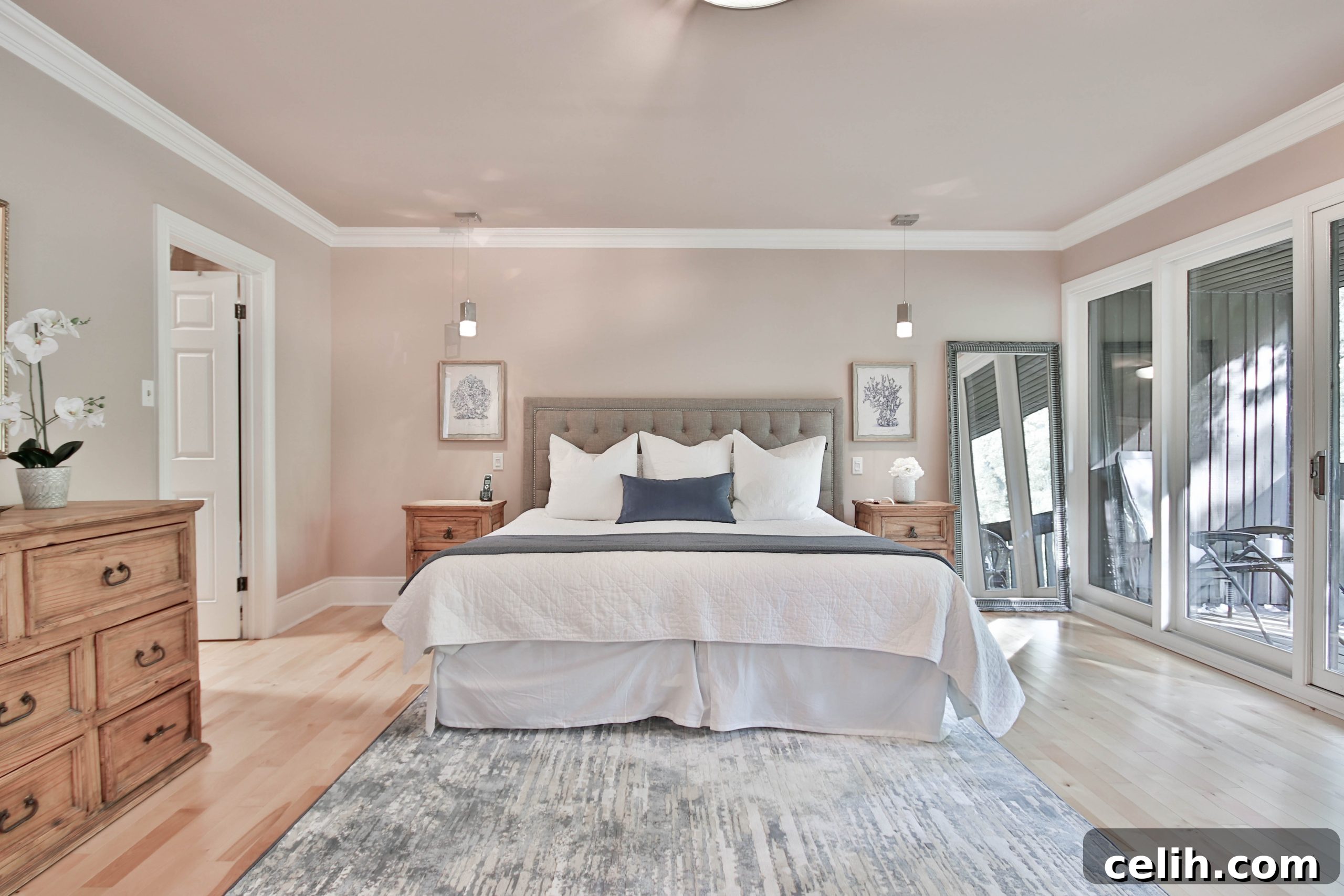
For many, the aesthetic appeal and desired mood are primary drivers in furniture selection. If you have a particular design period or decorating style that resonates with you, such as modern, industrial, bohemian, cottage core, Scandinavian, or mid-century modern, you can allow this style to guide your entire bedroom furniture selection process. Choosing bedroom furniture by style ensures a cohesive, unified, and truly stylish bedroom. The beauty of this approach is that you don’t necessarily need to purchase all pieces from a single retailer; it opens up opportunities to shop around, mix brands, and even incorporate vintage finds that fit your chosen aesthetic.
Let’s explore a few popular styles:
- Modern: Characterized by clean lines, minimal ornamentation, and a focus on functionality. Materials often include metal, glass, and polished wood. Colors tend to be neutral with occasional bold accents.
- Industrial: Draws inspiration from factories and urban lofts. Features raw and unfinished materials like exposed brick, concrete, metal, and reclaimed wood. Furniture is sturdy and functional, often incorporating metal frames and utilitarian designs.
- Bohemian (Boho): Embraces a relaxed, eclectic, and global aesthetic. Often features natural materials like rattan, macrame, and distressed wood, with vibrant patterns, layered textures, and a mix of vintage and handcrafted items. Comfort and a collected feel are key.
- Mid-Century Modern: Popular from the 1930s to 1960s, this style emphasizes sleek, organic shapes, minimalist silhouettes, and a blend of natural and man-made materials. Think tapered legs, clean upholstery, and rich wood tones.
While staying on-trend can be appealing, it’s wise to consider the longevity of a particular style. If you’re investing in significant pieces and don’t anticipate redecorating every few years, it might be prudent to opt for more classic or versatile styles that won’t quickly date or fall out of fashion. Timeless designs offer enduring appeal and can be updated with accessories to keep the space feeling fresh.
The Psychology of Color: Furniture Hues
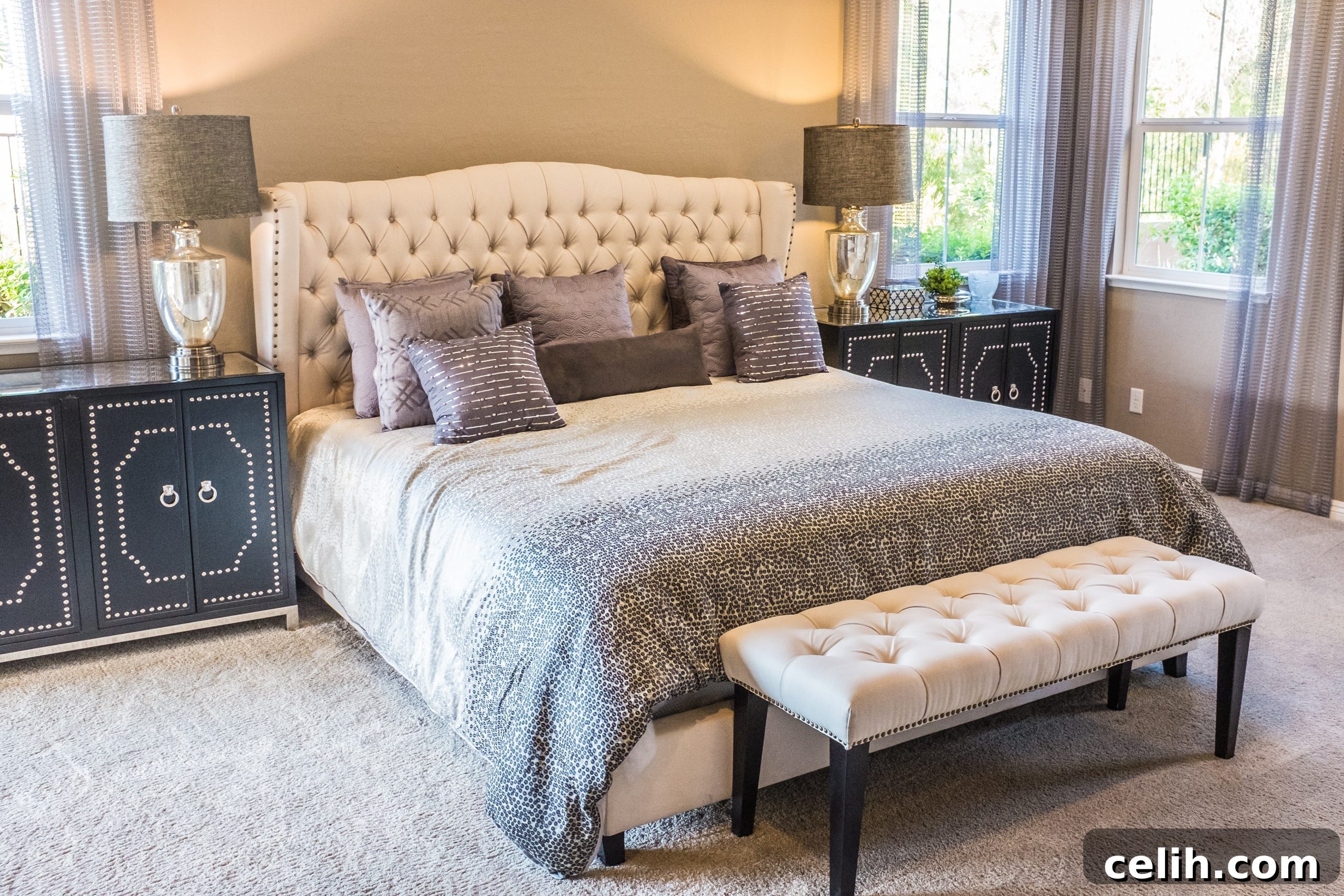
Color plays a profound role in setting the mood and perception of a space, and your furniture’s hues are central to this. If you have a specific color scheme in mind for your bedroom, you can use color as the primary focus for choosing furniture. You might seek pieces in colors that seamlessly match your walls, flooring, or soft furnishings, creating a harmonious and tranquil environment. Alternatively, you could opt for a bolder approach by selecting furniture in contrasting pops of color to create a dynamic focal point within the room. Furniture in vibrant colors or with striking designs naturally draws the eye, adding personality and visual interest.
Consider the psychology of different colors in a bedroom setting. Blues and greens are known for their calming and soothing qualities, promoting relaxation. Neutrals like grays, whites, and creams offer a versatile backdrop, allowing you to easily change accent colors through bedding and decor. Darker wood tones can add warmth and sophistication, while lighter woods contribute to a brighter, more airy feel. If you’re uncertain about a specific style, choosing furniture based on color can simplify the decision-making process, ensuring a cohesive look that matches your desired ambiance.
Smart Shopping: Choosing Furniture on a Budget
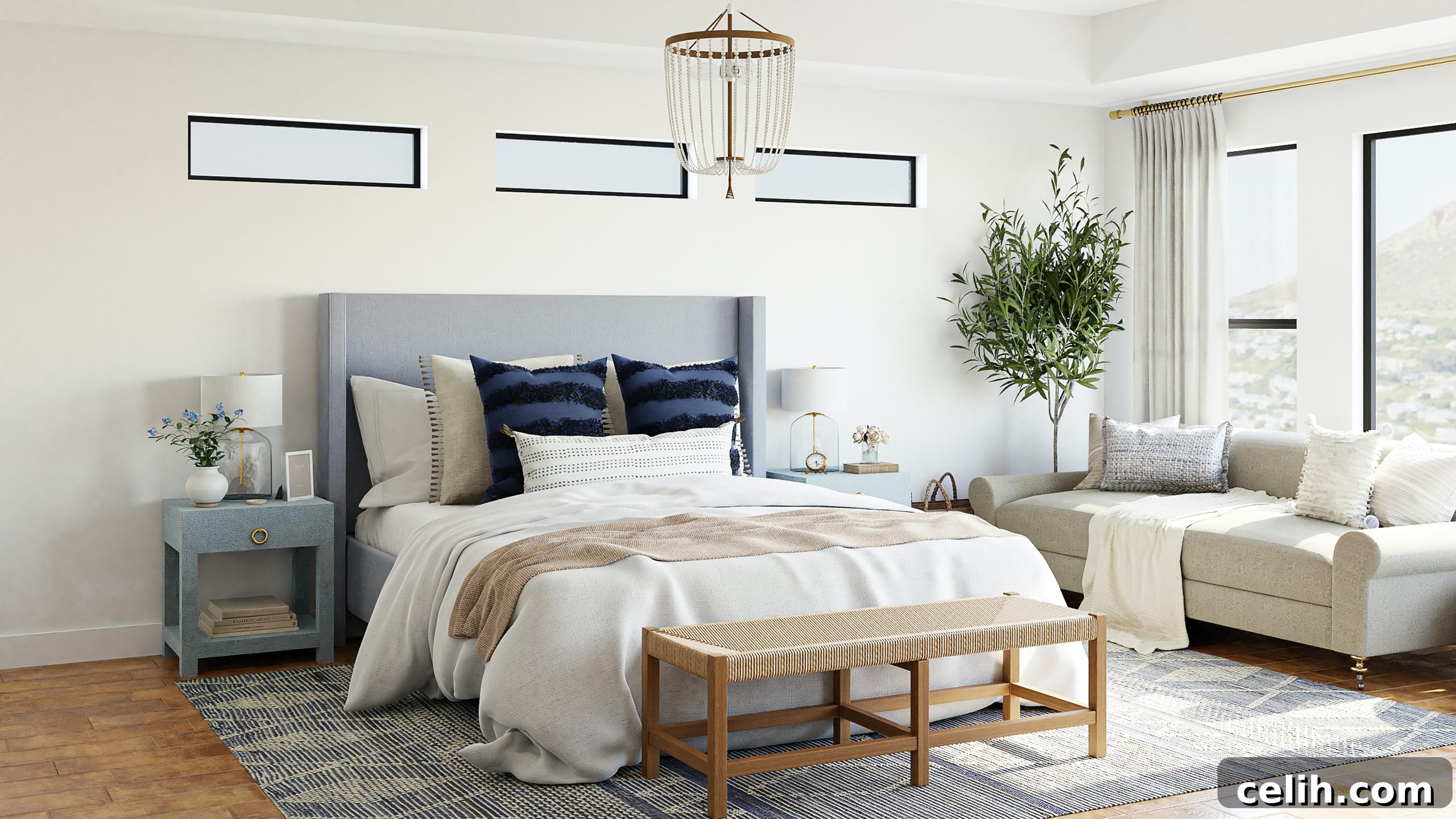
For many, budget considerations are a significant factor in how furniture is chosen. Even with a reduced or limited budget, numerous strategies can help you find bedroom furniture that perfectly meets your financial needs without compromising on style or functionality. Smart shopping is all about combining savvy research with creative solutions.
Keep a keen eye out for sales events, price cuts, and special discounts offered by furniture retailers, especially during seasonal clearances or holiday periods. These opportunities can make purchasing your desired furniture much more affordable. If outfitting your entire bedroom with a matching set from the outset isn’t feasible, consider purchasing from ranges that are unlikely to be discontinued soon. This approach allows you to acquire pieces over time, gradually building your collection while ensuring the availability of complementary items when you’re ready to expand. Also, explore outlet stores, online flash sales, and end-of-line promotions for hidden gems.
Another excellent tip is to embrace the art of mixing and matching your bedroom furniture. This approach is particularly effective for styles like a Boho bedroom, which often thrives on an eclectic mix of diverse pieces, where perfect matching is neither expected nor desired. You can blend new items with vintage finds, or combine different materials and finishes for a unique look. For instance, if you’re fond of a particular type of wood, such as oak, you’ll likely find a plethora of oak furniture pieces available from various sources. These pieces, even if not part of a factory-matched set, can still beautifully complement each other due to their shared material, creating a harmonious yet individual aesthetic.
For those on a very restricted budget, exploring secondhand furniture markets can yield incredible results. Websites like eBay and Facebook Marketplace, local car boot sales, and charity shops (some of which specialize in furniture) are treasure troves for affordable pieces. With a little imagination and effort, a simple coat of paint, new hardware, or a quick upcycle can completely transform tired-looking furniture into fresh, stylish additions that look custom-made. This DIY approach not only saves money but also allows for unique customization, ensuring your bedroom reflects your personal touch.
Conclusion
Choosing bedroom furniture is an enjoyable process that combines practicality with personal expression. By starting with the foundational piece – your bed – and then thoughtfully selecting complementary items, you lay the groundwork for a truly comfortable and stylish space. Remember to prioritize precise measurements, strategic space planning, and a clear understanding of your preferred aesthetic, whether it’s defined by style, color, or budget. The perfect bedroom is a reflection of you, a place where every piece contributes to an atmosphere of calm and rejuvenation. With these ideas in mind, you are now well-equipped to put your plans into action and create the bedroom sanctuary you’ve always envisioned. Happy furnishing!