
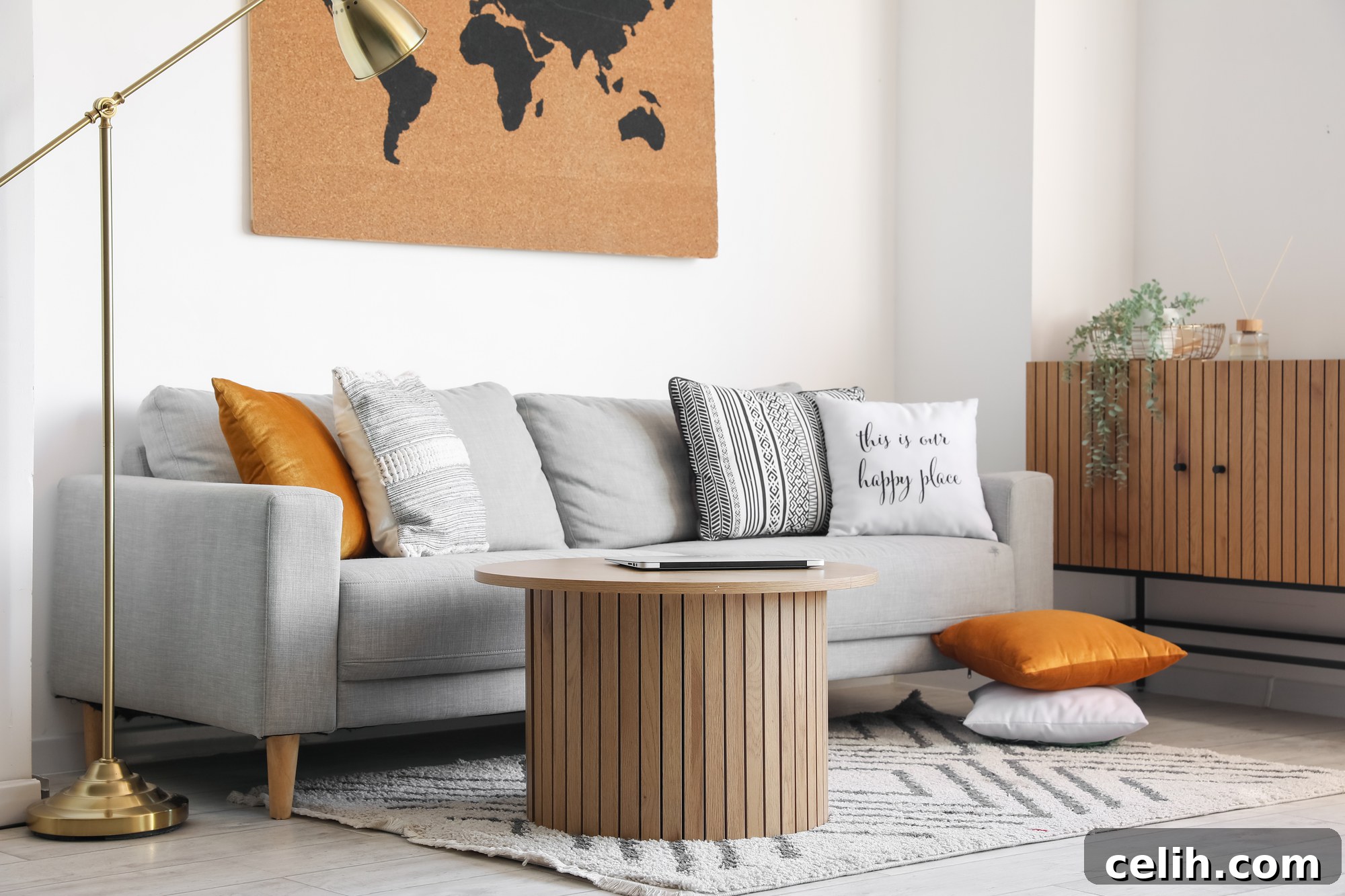
For many property owners, designing a rental space can be just as challenging as finding the right tenants. The unique demands of a rental property—balancing aesthetics with extreme durability—require a thoughtful approach. Unlike an owner-occupied home, a rental property faces constant use, varying tenant habits, and the inevitable wear and tear that comes with frequent turnovers. Therefore, choosing materials that are not only visually appealing but also robust and long-lasting is paramount for any successful landlord.
In the competitive rental market, a well-maintained and stylish property stands out, attracting higher-quality tenants and commanding better rental rates. However, achieving this balance means making smart material choices upfront. This comprehensive guide will explore the best materials for rental properties, offering insights into their durability, aesthetic versatility, and long-term economic benefits. We’ll delve into flooring, countertops, appliances, fabrics, and even the strategic use of colors and finishes to create rental spaces that look great, stand the test of time, and maximize your return on investment.
The Indispensable Role of Durable Interior Design Materials in Rental Properties
Before diving into specific material recommendations, it’s crucial to understand the foundational reasons why durability should be at the forefront of your rental property design decisions. This strategic approach not only protects your investment but also significantly simplifies property management and enhances tenant satisfaction, leading to a more profitable rental business.
Mitigating Wear and Tear: The Everyday Reality of Rental Living
Rental properties inherently experience a higher degree of use and often, less meticulous care compared to owner-occupied homes. From the constant foot traffic that can scuff floors and staircases to accidental spills and bumps, every surface in a rental unit is put to the test. Durable materials, such as robust flooring options like Luxury Vinyl Plank (LVP) or ceramic tile, are designed to withstand this relentless usage far better than cheaper, less resilient alternatives. Investing in scratch-resistant finishes for walls, cabinets, and countertops, alongside stain-resistant fabrics for any included upholstery, can prevent common mishaps from escalating into permanent eyesores. This proactive measure drastically reduces the frequency and cost of repairs, keeping your property looking pristine for longer and minimizing landlord maintenance expenses.
Significant Economic Benefits for Property Owners
The financial advantages of choosing durable materials extend beyond just reduced repair costs. Rental properties featuring high-quality, long-lasting materials possess a higher perceived value, which directly translates into tangible economic benefits. Such properties can command higher rental rates, attracting discerning tenants who are willing to pay a premium for a well-appointed and resilient living space. Moreover, durable materials contribute to a longer lifespan for various components of the property, deferring the need for costly replacements and renovations. This foresight improves your property’s overall return on investment (ROI) by minimizing vacancy periods between tenants, as the unit will require less preparation time for new occupants. A rental unit that consistently looks good and functions well is an asset that appreciates both in market value and in its ability to generate consistent rental income.
Promoting Sustainability and Longevity in Property Management
In an increasingly environmentally conscious world, the choice of durable materials also aligns with sustainable design principles and fosters a circular economy. Frequent replacements of furniture, fixtures, and finishes contribute significantly to landfill waste. By selecting materials engineered for longevity, landlords can reduce their environmental footprint and promote more responsible consumption. This approach isn’t just eco-friendly; it’s also a smart business practice. Properties designed for durability require fewer resources for ongoing maintenance and renovation, minimizing both material consumption and the energy associated with manufacturing and installation. Highlighting these sustainable aspects can also appeal to a growing segment of tenants who prioritize eco-friendly living, enhancing your property’s marketability and reputation for good rental property management.
Elevating Tenant Satisfaction and Retention
While often overlooked, the quality of interior materials profoundly impacts tenant satisfaction and, consequently, retention rates. Tenants appreciate living in a space that feels well-maintained, modern, and comfortable. A property equipped with durable and attractive materials signals that the landlord cares about their living experience and the quality of their home. This positive perception fosters a stronger tenant-landlord relationship, leading to longer lease terms and a reduction in tenant turnover. High turnover rates are costly, involving expenses for cleaning, repairs, marketing, and lost rent during vacancy periods. By investing in resilient, stylish materials, you create an environment where tenants are happier, more likely to renew their leases, and potentially even take better care of the property, recognizing its inherent value and quality.
If you’re in the market for a new rental property or looking to effectively advertise your available units, consider exploring rentola.co.uk for a wide range of listings and advertising solutions.
Top Materials that Seamlessly Blend Durability with Style
Having established the critical importance of durable materials, let’s now explore specific options that excel in both resilience and aesthetic appeal, making them ideal choices for any rental property looking to maximize longevity and tenant appeal.
- Hardwood Flooring
Hardwood flooring remains a top choice for rental properties due to its unparalleled durability and timeless elegance. Capable of withstanding significant foot traffic, a well-maintained hardwood floor can last for decades, often outliving other flooring options. Its versatility allows it to seamlessly complement a vast array of interior design styles, from rustic charm to modern minimalism. Hardwood floors can be refinished multiple times, effectively erasing years of wear and tear and restoring their original luster, making them a wise long-term investment. They are also hypoallergenic and easy to clean, appealing to a broad spectrum of tenants. Various finishes, such as matte, semi-gloss, or high-gloss, offer customization options to protect the wood and enhance its appearance, ensuring it matches your property’s desired aesthetic. For rental applications, engineered hardwood, with its enhanced stability and resistance to moisture fluctuations, can be a particularly practical choice, offering the beauty of solid wood with added resilience.
To learn more about the benefits and considerations of this classic choice, read our guide on 7 Things You Should Know About Hardwood Flooring.
- Porcelain and Ceramic Tiles
For areas prone to moisture, spills, and heavy usage like kitchens, bathrooms, and entryways, porcelain and ceramic tiles are exceptionally durable and moisture-resistant options, often available at a surprisingly low cost. Their resilience ensures they can withstand the rigors of rental life, from dropped items to frequent cleaning, without showing significant wear. Modern tile manufacturing has introduced an incredible variety of designs, including realistic wood and natural stone textures, intricate patterns, and vibrant colors. This aesthetic versatility allows landlords to achieve a luxurious or contemporary look while benefiting from the material’s inherent strength and ease of maintenance. When installing, opting for epoxy grout can further enhance durability and stain resistance, creating a truly robust and long-lasting surface that requires minimal upkeep.
- Luxury Vinyl Plank (LVP) and Luxury Vinyl Tile (LVT)
Emerging as a powerhouse in rental property flooring, Luxury Vinyl Plank (LVP) and Luxury Vinyl Tile (LVT) offer an unbeatable combination of durability, water resistance, and aesthetic appeal at a highly competitive price point. These materials are engineered to mimic the look of natural wood or stone with remarkable realism, thanks to advanced photographic and embossing technologies. LVP/LVT is incredibly resilient against scratches, dents, and scuffs, making it perfect for high-traffic areas and properties with pets or children. Its waterproof nature makes it an ideal choice for every room, including kitchens, bathrooms, and basements, offering peace of mind against spills and moisture damage. Easy to clean and maintain, LVP/LVT minimizes turnover costs and keeps properties looking fresh for years. The click-and-lock installation system also makes it a favored option for quick and efficient renovations, further reducing downtime between tenants.
- Laminate Countertops
While natural stone countertops offer undeniable luxury, laminate countertops present a highly practical and cost-effective alternative for rental properties without compromising significantly on durability or style. Modern laminates are engineered to be highly resistant to stains, impacts, and heat, making them a robust choice for busy rental kitchens and bathrooms. They can convincingly mimic the appearance of natural stone, wood, or solid surfaces, providing a stylish look without the steep price tag. Advances in manufacturing mean a wider array of patterns, colors, and edge profiles are available, allowing for customized aesthetics. Compared to more complex countertop materials, laminate is relatively easy to install and replace, saving both time and money on renovation projects. This makes them a great choice for budget-conscious landlords or even for DIY enthusiasts looking for a significant visual upgrade.
- Stainless Steel Appliances
Stainless steel appliances are a cornerstone of modern kitchen design for rental properties, prized for their exceptional durability, resistance to rust, stains, and corrosion, and their sleek, contemporary appearance. Their robust construction ensures they can withstand the demands of various tenants, maintaining their functionality and aesthetic appeal over many years. A stainless steel kitchen instantly elevates the perceived value of a rental unit, appealing to a wide range of potential tenants seeking a modern and high-quality living experience. To maintain their pristine shine, regular cleaning with a soft cloth and a mild, non-abrasive solution is recommended. Many newer models also feature fingerprint-resistant finishes, further simplifying maintenance and keeping them looking immaculate with minimal effort.
- Synthetic Fabrics for Upholstery and Window Treatments
When furnishing a rental property, particularly with upholstered items like sofas or chairs, synthetic fabrics such as polyester, microfiber, nylon, and olefin are invaluable. These materials are specifically engineered for their superior resistance to stains, fading, and general wear and tear, making them an excellent choice for furniture pieces in high-traffic common areas. Unlike natural fibers, synthetic fabrics are less absorbent, meaning spills bead up and can be easily wiped away, preventing permanent marks. They are also incredibly easy to clean, often requiring just a simple spot cleaning with mild detergent and water, making them a practical choice for households with pets or young children. Modern synthetic blends can also mimic the luxurious feel of natural fibers, providing both comfort and long-lasting beauty. For window treatments, synthetic blends offer similar benefits, resisting fading from sunlight and holding up well against frequent use.
Strategic Colors and Finishes for Enhanced Durability and Timeless Style
Beyond the inherent durability of your chosen materials, the strategic application of colors and finishes plays a pivotal role in preserving the aesthetic integrity of your rental property while maximizing its appeal and ease of maintenance. These choices contribute significantly to how well surfaces withstand daily life and how easily they can be refreshed between tenants.
The Enduring Appeal of Neutral Color Palettes
Neutral colors—including various shades of whites, grays, beiges, and soft browns—are the cornerstone of smart rental property design. They offer a timeless, sophisticated backdrop that doesn’t quickly fall out of fashion, ensuring your property remains appealing to a wide range of tenants over many years. The versatility of a neutral palette is invaluable for landlords; it allows tenants to easily personalize the space with their own furniture, art, and decor without needing a major overhaul, saving both time and money during turnover. Neutrals also create an illusion of spaciousness and brightness, making rooms feel larger and more inviting. While the main color scheme remains neutral, carefully selected accent colors can be introduced through throw pillows, artwork, or decorative pieces to add vibrancy and personality. This balance ensures the space feels fresh and stylish without compromising the foundational durability and broad appeal of the neutral base.
Choosing Matte and Satin Finishes for Practical Elegance
When it comes to surfaces like walls, trim, and even some rental property flooring, matte and satin finishes are superior choices for rental properties compared to high-gloss options. Their inherent ability to conceal minor scratches, scuffs, and fingerprints makes them incredibly forgiving in high-traffic areas and homes with children or pets. Unlike glossy surfaces that reflect light and highlight every imperfection, matte and satin finishes absorb light, providing a smoother, more uniform appearance that is easier to maintain. Matte finishes, in particular, have surged in popularity in modern interior design, offering a contemporary, understated look that complements minimalist and industrial aesthetics. Satin finishes strike a perfect balance, providing a subtle sheen that adds elegance without being overly reflective. For paint, opting for washable matte or eggshell finishes is highly recommended, as they offer the durability to be wiped down frequently without compromising the paint’s integrity or appearance.
Utilizing Durable Paint Finishes and Washable Walls
The type of paint finish selected for walls and trim can drastically impact a rental property’s maintenance cycle. For walls, eggshell or satin finishes are ideal. These provide a slight sheen that makes them significantly more durable and washable than flat or matte paints, without being as reflective as semi-gloss. This means scuffs, marks, and grime can often be simply wiped away with a damp cloth, greatly extending the time between full repaints. For trim, doors, and baseboards, semi-gloss paint is the preferred choice. Its higher sheen offers maximum durability and ease of cleaning, standing up well to frequent contact and impacts. Investing in high-quality, washable paints, even if slightly more expensive initially, will prove to be a cost-saving measure in the long run, reducing the labor and material costs associated with frequent repainting and ensuring your property always looks its best for new and existing tenants alike.
Conclusion: Investing in Durability for Long-Term Rental Success
The strategic selection of interior design materials for rental properties is far more than a stylistic choice; it’s a critical business decision that directly impacts the property’s aesthetics, longevity, operational costs, and ultimately, its profitability. By prioritizing durability alongside style, landlords can create spaces that not only attract high-quality tenants but also significantly reduce maintenance burdens and improve the overall return on investment.
From the foundational resilience of hardwood, porcelain, and luxury vinyl plank flooring to the practical elegance of laminate countertops and the robust functionality of stainless steel appliances, each material plays a vital role in constructing a rental unit that can withstand the rigors of tenant use. Furthermore, thoughtful choices in synthetic upholstery fabrics and the intelligent application of neutral color palettes with matte or satin finishes contribute to a property that remains fresh, inviting, and easy to maintain over time. By embracing these principles, landlords can ensure their rental spaces are not just places to live, but smart, sustainable investments that consistently deliver value and appeal for years to come.