
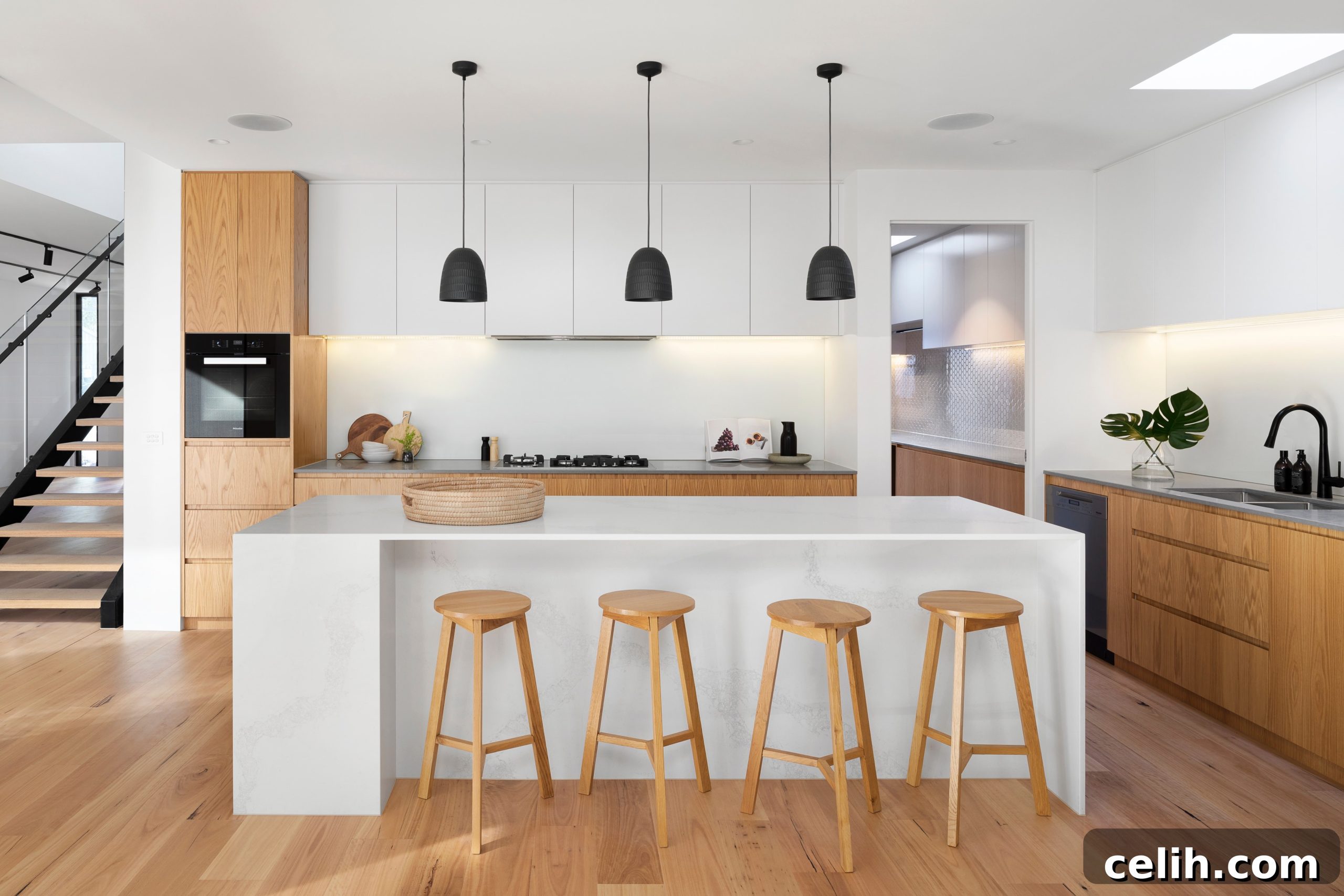
When envisioning modern or contemporary home design, a common perception often leans towards stark, minimalist spaces defined by clean lines and pristine white surfaces, sometimes feeling almost artificial. While these elements are undoubtedly integral to certain aesthetics, reducing modern design solely to this minimalist impression overlooks a profound opportunity: the integration of nature. Even the most contemporary home can be profoundly enriched by a thoughtful infusion of the natural world, transforming it into a sanctuary of tranquility, vibrant energy, and deep connection. This article explores innovative and practical ways to weave natural elements into your living space, enhancing feelings of serenity, fostering brightness, and strengthening your bond with the environment, ultimately creating a more inviting and harmonious home.
Take Inspiration with Your Colors
The foundation of any room’s aesthetic lies in its color scheme. This pivotal choice sets the mood and tone for the entire space, and for a naturalistic modern home, the inspiration should come directly from Mother Earth. Imagine the rich, grounding browns of fertile soil, the calming sage greens of a sun-drenched meadow, the deep blues of the ocean, or the soft grays of an overcast sky. A vast spectrum of natural color palettes offers endless possibilities to infuse your home with an organic feel. Consider earthy neutrals like sand, taupe, and cream for a soothing backdrop, or delve into bolder nature-inspired hues like terracotta, forest green, or deep sapphire. These colors are not only visually appealing but also evoke a sense of calm and connection. You can strategically layer these gentle, natural tones with more vibrant and striking decor pieces – a bright abstract painting against an olive green wall, or vivid cushions on a beige sofa – ensuring your room retains a dynamic and engaging character without appearing overly placid. The key is to find a balance that resonates with your personal style while drawing heavily from the world outside.
Bring in a Dash of Green
When our minds wander to the natural world, greenery is often the first image that comes to mind. Humans possess an innate attraction to plant life, a phenomenon known as biophilia, and integrating plants into your home can significantly enhance your well-being. Beyond their aesthetic appeal, indoor plants offer a wealth of emotional and physical health benefits. They purify the air, reduce stress, boost mood, and even improve focus and productivity. The meditative presence of plants can make us feel more grounded and connected to the broader ecosystem, fostering a sense of relaxation and peace. For those concerned about plant care, there’s a wide array of low-maintenance options available, such as the resilient snake plant, the air-purifying spider plant, the easy-to-grow pothos, or the elegant peace lily. These varieties thrive with minimal attention, making them perfect for both seasoned plant parents and beginners. Choose a plant that complements your interior design, and position it prominently so it can serve as a natural focal point, drawing the eye and infusing your space with vibrant life and a fresh, organic ambiance.
Use Furniture that Incorporates Natural Materials
Natural building materials such as wood, stone, marble, and granite are not only timeless but also incredibly popular in modern homes for good reason. They introduce a tangible sense of authenticity and a lifelike texture to rooms that might otherwise feel cold or overly minimalist. These materials are celebrated for their inherent beauty, durability, and ability to age gracefully, developing a rich patina over time. When considering furniture and fixtures, opting for pieces crafted from natural elements can significantly warm up your interior. Imagine a sturdy oak dining table as the centerpiece of your kitchen, or a sleek granite countertop providing both functionality and elegance. A finished granite countertop, for instance, is a popular choice for its resistance to stains and heat, making it a practical and beautiful investment. Beyond stone and wood, consider furniture made from rattan, wicker, bamboo, or even cork for a lighter, more organic feel. These materials add unique textural dimensions and a touch of artisanal craftsmanship. If your home currently leans towards a sterile or overly synthetic aesthetic, thoughtfully swapping out mass-produced, overly modern furniture for items showcasing the rich grain of wood or the cool solidity of stone can instantly inject warmth, character, and a welcoming connection to the natural world.
Keep It Underfoot
To truly immerse your home in the comforting embrace of natural materials, you must start from the ground up – literally. The flooring forms the base and core of any room, influencing its overall feel and aesthetic. While smooth, clean, and minimalist flooring has been a staple in contemporary design, integrating natural options can elevate your space from merely modern to elegantly organic. Wood flooring, for example, is already a popular choice, and for good reason. It offers an undeniable sense of luxury, warmth, and a classic aesthetic that transcends trends. Beyond its visual appeal, wood flooring is a highly practical choice; it’s easier to clean and maintain than carpet, significantly more durable than vinyl, and can even add considerable value to your property. But the options don’t stop at traditional hardwoods. Consider bamboo for a sustainable and eco-friendly alternative, cork for its softness and sound-insulating properties, or natural stone tiles like travertine or slate for a cool, sophisticated, and incredibly durable finish, particularly in areas like bathrooms or entryways. By choosing natural materials for your floors, you establish a grounded and enduring connection to nature that resonates throughout your entire home.
Surround Yourself with It
If your preference leans towards brighter or more neutral flooring tones rather than earthy wood, that’s perfectly fine. However, to prevent your home from appearing overly sterile or excessively white, introducing contrasting natural textures on your walls can create a profound impact. This is where wall cladding shines. Cladding offers an excellent solution for injecting texture, warmth, and a touch of the outdoors without the need for extensive structural changes. It’s designed for relatively simple installation, applied directly onto existing walls, transforming them into captivating features. While numerous excellent faux wood and stone options are available, offering durability and aesthetic versatility, opting for real natural stone cladding provides an unparalleled sense of authenticity and luxury. Imagine the raw beauty of slate, the rugged character of quartzite, or the elegant texture of stacked stone tiles adorning an accent wall or even a fireplace. Beyond stone, wood paneling, such as reclaimed timber or shiplap, can add rustic charm or sleek contemporary appeal, depending on the finish and application. By surrounding yourself with these tactile, natural wall finishes, you can create depth, visual interest, and a serene, grounded atmosphere that beautifully complements a modern aesthetic.
Use Textiles to Soften Things Up
When discussing the integration of the natural world, it’s easy to focus primarily on hard, sturdy materials like wood and stone. However, if your room feels a little too rigid or lacking in comfort, remember that a wealth of fabrics and textiles are derived entirely from nature, offering the perfect solution for softness and warmth. Natural fibers like cotton, linen, wool, jute, hemp, and silk bring an unparalleled tactile comfort and organic beauty to any space. Imagine the plushness of a chunky wool rug underfoot, the crisp breathability of linen throw pillows, or the rustic charm of a jute pouf. These natural textiles work wonders in layering textures, softening sharp lines, and introducing a much-needed sense of coziness and approachability to modern interiors. They are excellent for creating inviting living areas, adding depth to bedrooms, and enhancing the overall sensory experience of your home. From intricately woven natural rugs that define zones to luxurious cashmere throws draped over a sofa, and from cotton curtains that gently filter light to decorative cushions that invite relaxation, natural soft furnishings can subtly but powerfully transform a room, making it feel more lived-in, welcoming, and connected to the inherent comforts of the natural world.
Let the Light Look In
Few sensations from the natural world are as universally comforting and invigorating as the warmth of the sun on your face. If your home often feels dim, enclosed, or lacking vitality, it may be because you’re not fully harnessing the power of natural light. Maximizing daylight not only brightens your space but also positively impacts your mood, energy levels, and even reduces the need for artificial lighting. Begin by re-evaluating your window treatments. Opt for lighter, more permeable solutions such as sheer blinds, roller shades that can be fully retracted, or translucent curtains, rather than heavy, light-blocking drapes. These allow diffused light to flood the room while maintaining privacy. Beyond window coverings, strategic placement of reflective surfaces can significantly amplify the light’s journey throughout your home. A large mirror positioned directly opposite a main window is a classic and effective trick; it bounces natural light deeper into the room, making the space feel considerably brighter and more expansive. Additionally, consider glossy finishes on furniture or light-colored paint on walls and ceilings, which reflect light rather than absorbing it. By thoughtfully inviting natural light to penetrate every corner, you transform your home into a more open, airy, and energetically vibrant environment.
Open the Home Up
For those with the vision and budget for a more significant transformation, one of the most impactful ways to integrate outdoor elements with your interior is to deliberately blur the boundaries between the two. If you are fortunate enough to have usable outdoor space such as a decking area or a patio, consider opening up a wall or installing expansive glass doors to create a seamless transition from inside to outside. This architectural intervention can make your living space feel dramatically larger, more connected to nature, and infinitely more inviting. Bi-fold doors, large sliding glass walls, or even an array of French doors can transform an ordinary wall into a dynamic portal, allowing fresh air and natural light to flood your home. By extending your interior flooring materials onto the patio, or vice versa, you can further enhance this continuity. This approach encourages an indoor-outdoor lifestyle, perfect for entertaining or simply enjoying quiet moments in nature. You can further enhance this connection by placing potted plants on the exterior side of these large windows or doors, effectively creating a green visual buffer that makes your home feel enveloped in lush natural beauty.
What About Water?
While water features are often considered an outdoor landscape element, their calming presence can be beautifully adapted for interior spaces. The gentle, rhythmic sound of running water has a naturally soothing effect, known to reduce stress, improve focus, and create a tranquil atmosphere. For homes with small children or pets, careful consideration is needed to ensure safety and prevent potential messes. However, many elegant interior water features are designed with these concerns in mind. Options range from discreet tabletop fountains that offer a soft trickle, to striking wall-mounted cascades, and even larger self-contained floor units that integrate seamlessly into modern decor. Beyond their aesthetic and auditory benefits, indoor water features can also act as natural humidifiers, improving air quality, and their consistent gentle sound can provide a form of white noise, enhancing privacy and creating a sense of secluded comfort within your home. It’s important to note that larger water features can sometimes be expensive to install and maintain over the long term, so it’s crucial to research thoroughly and consider this a significant investment before committing. Yet, for many, the profound sense of peace and natural elegance that an indoor water feature brings is well worth the consideration.
You don’t need to relocate to a treehouse or entirely overhaul your property to experience the profound benefits of feeling closer to the natural world. By thoughtfully integrating these diverse elements – from inspiring color palettes and vibrant greenery to durable natural materials, soft textiles, abundant light, and open layouts – you can transform your modern home. The tips above offer practical pathways to achieve this balance, finding the perfect harmony between the sleek elegance of man-made design and the timeless beauty of everything beyond it. Embrace these natural infusions to cultivate a home that is not just aesthetically pleasing, but also a genuine haven for well-being and connection.