
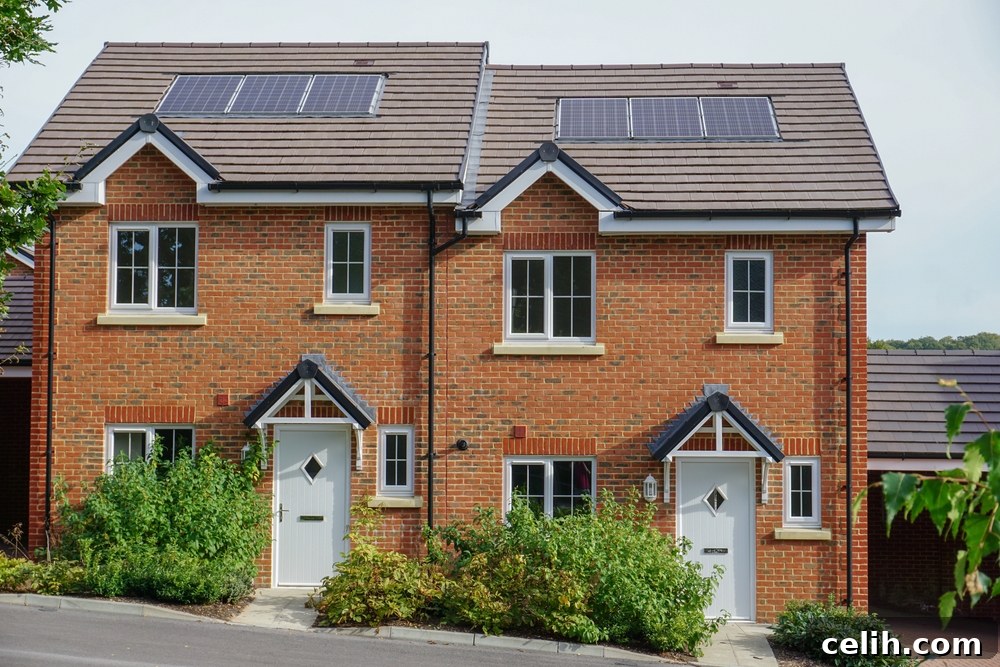
In an era defined by increasing environmental consciousness, homeowners worldwide are actively seeking innovative ways to significantly reduce their ecological footprint. Embracing sustainable home improvements is not merely a trend; it’s a profound commitment to both planetary health and long-term financial prudence. By strategically upgrading living spaces to enhance energy efficiency and harness renewable resources, individuals contribute positively to the environment while simultaneously unlocking substantial savings on utility bills and potentially increasing their property’s value. From simple upgrades like sealing drafts to comprehensive installations such as solar panels, the journey towards a greener home offers a multitude of benefits that resonate across generations.
The accessibility of green home renovations has never been higher, thanks to a diverse array of financing options. These include attractive low-interest loans, government grants, utility rebates, and specialized programs designed to incentivize eco-friendly upgrades. Exploring these financial avenues, which can even include options like social security loans for eligible individuals, makes the transition to a sustainable lifestyle more attainable and less burdensome on initial capital outlay. This growing financial support underscores a collective move towards empowering homeowners to invest in their future and the planet.
Optimizing Energy and Water Consumption for a Greener Home
One of the most impactful and financially rewarding steps in sustainable home improvement involves enhancing the efficiency of your home’s energy and water systems. These upgrades typically offer some of the highest returns on investment while dramatically lowering your environmental footprint. Simple yet effective modifications can yield significant results. Installing programmable or smart thermostats, for instance, allows for precise temperature control, adapting to your schedule and reducing energy waste when you’re away. Sealing air leaks around doors and windows with weatherstripping and caulk is another low-cost solution that prevents conditioned air from escaping, thereby reducing the workload on your HVAC system.
Beyond these foundational steps, replacing outdated appliances with ENERGY STAR® certified models can slash electricity consumption by a considerable margin. Modern refrigerators, dishwashers, washing machines, and water heaters are engineered to operate with far greater efficiency than their predecessors. Similarly, water-saving fixtures, such as low-flow showerheads and toilets, can drastically cut down on water usage without compromising performance. These upgrades not only help conserve precious resources but also contribute directly to saving money on monthly utility bills, making them an excellent starting point for any homeowner looking to embrace a more sustainable lifestyle.
Revolutionizing Home Comfort with Superior Thermal Insulation
Improving your home’s thermal insulation is paramount to achieving optimal energy efficiency and year-round comfort. Effective insulation acts as a barrier against heat transfer, significantly reducing the demands placed on your heating and cooling systems. Key areas to scrutinize and upgrade include the roof, exterior walls, foundation, and any crawl spaces beneath the home. Adequate insulation in these zones ensures that your home retains heat during colder months and stays cool during warmer periods, leading to consistent indoor temperatures and lower energy bills.
When selecting insulation materials, consider sustainable options that not only perform exceptionally but also minimize environmental impact. Materials like cellulose, derived from recycled paper products, and sheep’s wool, a natural and renewable resource, are excellent eco-friendly choices. These options often contain a high percentage of recycled content or are biodegradable, further enhancing their sustainability credentials. For comprehensive results, professional insulation combined with a thorough energy audit is recommended. An energy audit can precisely pinpoint areas of heat loss and gain, allowing for targeted improvements that maximize efficiency and cost savings. This strategic approach ensures that your insulation investment delivers the most effective and lasting benefits.
Harnessing the Sun: The Power of Solar Panels
Solar energy production through rooftop photovoltaic (PV) systems represents a transformative step towards energy independence and a drastically reduced carbon footprint. These systems allow homeowners to generate their own clean, renewable electricity directly from sunlight. In recent years, significant advancements in solar technology have made PV systems more efficient, reliable, and remarkably affordable. The declining cost of solar panels, coupled with various governmental incentives such as tax credits and rebates, has made solar power an increasingly attractive and accessible option for a wide range of homeowners.
The financial benefits of installing solar panels are substantial and long-lasting. Beyond the immediate environmental impact of using clean energy, homeowners can enjoy considerable savings on their electricity bills, often seeing them significantly reduced or even eliminated. With available incentives and the continuous rise in traditional energy costs, a solar upgrade can typically pay for itself within five to ten years, after which the electricity generated is essentially free. Furthermore, excess energy produced can often be sold back to the grid, creating an additional revenue stream. Investing in solar energy not only secures your home’s energy future but also enhances its market value, positioning it as a highly desirable, eco-conscious property.
Embracing Water Conservation through Rainwater Harvesting
Rainwater harvesting is an ancient yet increasingly relevant practice for sustainable living, offering an abundant source of reusable, chemical-free water. By capturing rain runoff into cisterns or barrels, homeowners can significantly reduce their reliance on municipal water supplies, which often involve energy-intensive treatment and distribution processes. This collected water is perfectly suited for a multitude of non-potable uses, such as irrigating gardens and lawns, washing outdoor areas, and even flushing toilets. Installing a comprehensive rainwater collection system, complete with gutters, downspouts, first-flush diverters, and storage tanks, allows you to intercept this valuable resource before it flows into storm drains, where it often contributes to pollution and overburdened infrastructure.
The benefits extend beyond mere conservation. Utilizing collected rainwater for landscape irrigation not only decreases the costs associated with municipal water but also minimizes the environmental impacts related to its treatment and long-distance distribution. Rainwater is naturally soft and devoid of chlorine and other chemicals, making it ideal for plants and gardens. Properties with large expanses of impervious surfaces, such as roofs and paved driveways, stand to gain tremendously from properly designed and sized rainwater harvesting systems. These systems can divert substantial volumes of runoff, mitigating storm water issues while providing a continuous supply of free water, fostering a more self-sufficient and eco-friendly home environment.
Building with a Conscience: Choosing Eco-Friendly Materials
When embarking on renovations, building additions, or even selecting new decor, the choice of construction and finishing materials plays a crucial role in determining your home’s overall environmental impact. Opting for sustainable construction materials is a direct way to lower your carbon footprint and promote a healthier indoor environment. A growing array of green alternatives is available, offering both aesthetic appeal and ecological integrity. Examples include rapidly renewable resources like bamboo and cork, which regenerate quickly after harvest, and reclaimed wood, which breathes new life into existing timber, reducing demand for virgin forests.
Further sustainable options include recycled plastic composites, often used for decking and outdoor furniture, and natural linoleum, made from linseed oil, wood flour, and jute backing. These materials not only reduce waste but also typically feature lower volatile organic compound (VOC) emissions, contributing to superior indoor air quality. Supporting suppliers who adhere to best practices in forest management (e.g., FSC certified wood) and who consider the full life cycle of their materials—from extraction to disposal—is vital. By making conscious choices about the products you bring into your home, you support environmentally-responsible businesses and create a living space that is beautiful, durable, and kind to the planet.
Transforming Outdoors with Smart Landscaping
Smart landscaping, also known as xeriscaping or native landscaping, is an eco-friendly approach to garden design that focuses on creating beautiful, functional outdoor spaces with minimal environmental impact. The core principle involves selecting native plants that are naturally suited to your local climate and soil conditions. These indigenous species thrive with minimal intervention, significantly reducing or even eliminating the need for supplemental irrigation once established. This dramatically conserves water, especially in arid or drought-prone regions.
Beyond water savings, smart landscaping minimizes the usage of harmful pesticides and chemical fertilizers. Native plants are typically more resistant to local pests and diseases, and a healthy ecosystem nurtured by natural methods requires fewer artificial inputs. This approach also greatly enhances biodiversity by providing essential habitats and food sources for local wildlife, including vital pollinators like bees and butterflies. Incorporating features such as bioswales and rain gardens can further reduce maintenance and improve environmental performance. Bioswales are vegetated channels designed to filter stormwater runoff from paved areas, preventing pollutants from entering waterways. By adopting smart landscaping principles, homeowners can create stunning outdoor environments that are both low-maintenance and highly beneficial to the local ecosystem.
Strategic Investment in Advanced Energy-Efficient Systems
A cornerstone of any sustainable home is an investment in modern, energy-efficient heating, cooling, and ventilation systems. Upgrading outdated units to ENERGY STAR® certified models can yield immediate and significant improvements in efficiency, translating directly into lower monthly utility bills and a reduced carbon footprint. Contemporary air conditioners, furnaces, water heaters, and heat pumps are engineered with advanced technologies that allow them to run cleaner and more efficiently than older systems, drastically cutting down on energy waste and harmful emissions.
For instance, modern heat pumps offer a highly efficient solution for both heating and cooling, by transferring heat rather than generating it. Smart ventilation systems, when balanced with superior insulation and weatherization, maintain optimal interior comfort while consuming minimal energy. Furthermore, incorporating thermal mass into your home’s design helps regulate indoor temperatures naturally. Installing zoned HVAC configurations is another smart strategy, allowing you to condition only the occupied areas of your home, thereby preventing energy waste in unused rooms. These strategic investments not only enhance your home’s comfort and efficiency but also significantly contribute to its overall sustainability profile, offering long-term financial and environmental rewards.
Integrating Sustainable Products and Interior Finishes
Beyond structural elements, the finishes and decor within your home offer another significant opportunity to embrace sustainability. When renovating kitchens, bathrooms, or building new additions, consciously choose green finishes and interior products that prioritize both aesthetics and environmental responsibility. This means selecting materials like bamboo or wood sourced from certified sustainable forestry operations, ensuring responsible harvesting practices. For flooring, consider options such as natural linoleum, cork, or recycled tile flooring, which often utilize post-consumer or post-industrial waste. These choices provide durable, beautiful surfaces while reducing demand for virgin resources.
Furthermore, pay close attention to paints and finishes. Opt for low-VOC (Volatile Organic Compound) paints and stain-resistant finishes that minimize chemical off-gassing, creating a healthier indoor air environment. Even small fixture upgrades can save substantially on water consumption. Installing EPA WaterSense certified toilets, faucets, and showerheads dramatically reduces water usage without compromising performance. These fixtures are designed to deliver efficient water flow, helping you conserve water daily. By integrating these sustainable products and materials into your home’s interior, you not only enhance its eco-friendly credentials but also contribute to a safer, healthier living space for your family.
Diversifying with Advanced Renewable Energy Systems
While solar panels are a popular choice, expanding your renewable energy portfolio with other innovative systems can further reduce your reliance on fossil fuels and achieve greater energy independence. Consider installing alternative energy systems like wind turbines or geothermal heat pumps, depending on your property’s specific conditions and local resources. Small-scale wind energy systems can be highly effective in areas with consistent wind patterns, offsetting a significant portion of your home’s electricity usage. Modern residential wind turbines are designed to be quieter and more aesthetically integrated, making them a viable option for many homeowners.
Geothermal heat pumps, on the other hand, leverage the stable temperatures found deep underground to efficiently heat and cool your home. These systems are incredibly energy-efficient, as they simply transfer heat rather than generating it, leading to substantial savings on heating and cooling costs year-round. While both wind and geothermal systems require a greater initial investment compared to some other upgrades, their long-term benefits are immense. Coupled with available tax credits, grants, and other incentives, these advanced renewable energy systems become viable and highly rewarding home upgrades, offering superior comfort, reduced environmental impact, and significant financial savings over their lifespan.
Empowering Efficiency with Automation and Smart Technology
The integration of home automation and smart technologies is a powerful pathway to achieving unparalleled energy efficiency and convenient, centralized control over your living environment. These innovative systems allow for precise management of various home functions, including lighting, appliances, HVAC systems, and even security alarms, all from a single interface or a mobile device. Smart thermostats with WiFi connectivity are prime examples, capable of learning your occupancy patterns and optimizing heating and cooling schedules to reduce energy waste automatically.
Smart lighting systems take efficiency a step further by eliminating unnecessary energy consumption. Features such as motion sensors, daylight harvesting, and scheduled dimming ensure lights are only on when and where needed, adapting to home activity. Beyond saving energy, smart plugs can turn regular appliances into smart ones, allowing you to monitor and control their power usage remotely. These interconnected technologies not only enhance convenience and comfort by putting you in control but also significantly contribute to reducing your home’s environmental impact by minimizing energy consumption. By embracing smart home technology, you create a more responsive, efficient, and sustainable living space.
Achieving Excellence with LEED and ENERGY STAR Guidelines
For homeowners committed to the highest standards of sustainable living, designing or renovating according to established green building guidelines provides a robust framework for success. Employing the United States Green Building Council’s Leadership in Energy and Environmental Design (LEED) program guidelines or aiming for Energy Star certification ensures that your home improvements meet benchmark standards for high-performance green buildings. These globally recognized certifications go beyond mere suggestions, offering comprehensive frameworks that guide the selection of sustainable products and best practices for energy and water efficiency, indoor air quality, and responsible material sourcing.
LEED certification, for example, offers different levels (Certified, Silver, Gold, Platinum) based on a point system covering various aspects of sustainability, from site selection to water efficiency and material choices. Energy Star certification focuses specifically on energy performance, verifying that products and homes meet strict energy efficiency criteria. Pursuing these certification programs provides tangible validation of your home’s environmental benefits and solidifies the return on investment for major upgrades. Such certifications not only attest to your commitment to sustainability but can also significantly boost your property’s market value, appealing to a growing segment of environmentally conscious buyers who seek homes that are both efficient and ethically built.
Ultimately, building a greener home pays substantial dividends for both environmental and economic sustainability. Homeowners consistently recoup their initial costs through long-term savings on energy and water bills, while simultaneously reducing their overall carbon footprint and contributing to a healthier planet. Whether the goal is to make minor, impactful upgrades or to design a brand-new addition from the ground up with sustainability in mind, every eco-friendly improvement benefits the planet as well as the well-being of current and future generations. Investing in a sustainable home is an investment in a better future for everyone.