
In the realm of home décor and practical living solutions, blinds stand as versatile champions, offering effective management of natural light, enhanced privacy, and a significant contribution to a home’s aesthetic appeal. However, the journey to selecting the perfect window treatment often leads to a crucial fork in the road: indoor blinds versus outdoor blinds. With a plethora of options available, understanding the fundamental differences, unique advantages, and specific applications of each type is paramount. This comprehensive guide will delve deep into the world of internal and external window coverings, helping you navigate the choices and determine which solution is ideally suited for your home, lifestyle, and local climate.
Optimizing a Room’s Exposure to Sunlight and Beyond
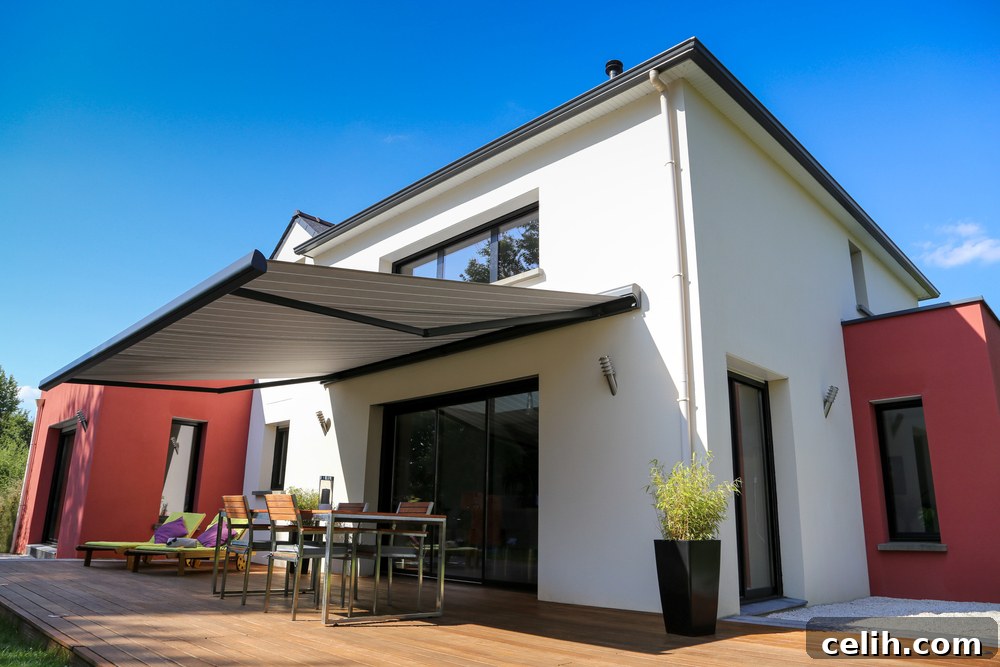
The primary function of any blind is to regulate the amount of sunlight entering a space, yet outdoor and indoor blinds approach this task with distinct strategies and outcomes. Outdoor blinds are engineered to intercept the sun’s harsh rays before they even reach your windows, offering a robust shield against intense solar heat and damaging UV radiation. This proactive approach to sun protection is particularly beneficial in hot climates or for homes with large, sun-exposed windows, as it significantly contributes to reducing indoor temperatures and can lead to noticeable savings on air conditioning costs. Beyond mere light control, outdoor blinds provide complete protection, making them ideal for creating comfortable and private outdoor living areas like patios, pergolas, and verandas. They effectively transform open spaces into secluded retreats, protecting against glare, wind, and even light rain, allowing you to enjoy your outdoor areas regardless of the weather.
In contrast, indoor blinds serve a more nuanced role, focusing on light filtering, glare reduction, and enhancing interior aesthetics. While they can effectively block out light, their main strength lies in their ability to diffuse natural light, create soft ambiances, and provide privacy within the home. Options range from sheer shades that gently filter light and maintain outward views, to room-darkening and blackout blinds that offer complete light exclusion for bedrooms or media rooms. Indoor blinds are a beautiful and unobtrusive addition to any living room, bedroom, or office, allowing homeowners to precisely tailor the light levels to their immediate needs. They come in a vast array of styles, fabrics, and colors, ensuring there’s a perfect match for every interior décor scheme. Whether you seek to soften harsh sunlight, achieve total darkness, or simply add a decorative touch, indoor blinds offer unparalleled versatility in managing the internal environment of your home. By thoughtfully combining both indoor and outdoor blinds, homeowners can achieve optimal control over sun exposure, energy efficiency, and privacy, creating a comfortable and stylish living space that adapts to any condition.
Durability and Maintenance: A Long-Term Perspective
When investing in window treatments, durability and the associated maintenance requirements are critical factors that influence their long-term value and satisfaction. Outdoor blinds are designed to face the full brunt of Mother Nature. They are constructed from heavy-duty, weather-resistant materials such as marine-grade fabrics, robust aluminum frames, and UV-stabilized components to withstand sun, rain, wind, and varying temperatures. Despite their tough construction, constant exposure to the elements means outdoor blinds inherently require more rigorous and frequent maintenance compared to their indoor counterparts. Dirt, dust, pollen, and environmental pollutants can accumulate on the fabric and mechanisms, necessitating regular cleaning with mild soap and water to prevent material degradation and maintain appearance. Furthermore, moving parts might need occasional lubrication, and a keen eye should be kept on their general condition to address any wear and tear promptly. Unfortunately, even with diligent care, the lifespan of outdoor blinds, while substantial for their environment, is generally shorter than that of indoor blinds, often requiring replacement sooner due to the relentless impact of exterior conditions.
Indoor blinds, on the other hand, enjoy the protection of your home’s interior, shielded from direct weather exposure. This significantly extends their lifespan and reduces the complexity and frequency of maintenance. Typically made from a wider variety of materials including delicate fabrics, wood, PVC, and aluminum, indoor blinds are less susceptible to fading, warping, or material breakdown caused by extreme weather. Routine cleaning usually involves a simple dusting, occasional vacuuming with a brush attachment, or a gentle wipe with a damp cloth, depending on the material. These minimal upkeep requirements mean indoor blinds can last for many years, often several times longer than outdoor versions, maintaining their aesthetic appeal and functionality with little effort on your part. This longevity not only represents a better long-term investment by reducing replacement costs but also ensures consistent privacy, light control, and an enduring contribution to your home’s interior design. The take-home message is simple: when considering the lifespan and ease of maintenance, indoor blinds offer a distinct advantage, providing enduring beauty and functionality with minimal fuss, while outdoor blinds require a more dedicated approach to care to ensure their longevity and performance in challenging environments.
Cost Considerations and Investment Value
The financial outlay for both indoor and outdoor blinds can vary significantly, presenting a spectrum of options from budget-friendly to high-end luxury. While the initial sticker price might seem daunting, a thorough understanding of factors influencing cost and the long-term value they provide is essential for making an informed decision. Outdoor blinds often command a higher initial price point. This is due to the advanced engineering, robust materials (such as heavy-gauge aluminum, specialized UV-resistant fabrics, and sometimes motorized operating systems), and the more complex installation process required to ensure they can withstand external elements. Features like wind sensors, remote control operation, or custom sizing for large patio areas further contribute to the overall cost. However, viewing outdoor blinds purely through their upfront cost can be misleading. Their ability to significantly reduce solar heat gain translates into tangible savings on energy bills, especially in warmer climates, effectively paying for themselves over time through reduced air conditioning usage. They also protect outdoor furniture and flooring from sun damage, extending their lifespan and preventing costly replacements.
Indoor blinds generally offer a wider range of price points, making them accessible for various budgets. Factors influencing their cost include the material (e.g., synthetic fabrics, natural wood, bamboo), operating mechanism (cordless, motorized), customization options (lining, trim), and brand reputation. While some high-end motorized or custom-designed indoor blinds can rival the cost of basic outdoor systems, there are numerous affordable yet high-quality options available. The long-term cost benefits of indoor blinds primarily stem from their extended lifespan and minimal maintenance needs, as discussed previously, which reduces the frequency and expense of replacement. They also protect interior furnishings and flooring from UV damage, preserving their color and integrity. When looking to buy blinds, whether for indoor or outdoor use, it is crucial to conduct proper research and comparison shopping. Explore various suppliers, look for seasonal sales, and don’t hesitate to request multiple quotes for custom solutions. Investing in quality, regardless of the type, ensures durability and performance, preventing the need for frequent repairs or premature replacement. Whether you opt for light-filtering roller blinds for indoors or an adjustable louver system for outdoors, smart shopping and a budget-conscious eye on quality will allow you to acquire the perfect pair of blinds without breaking the bank, ultimately enhancing your home’s comfort and value for years to come.
Aesthetics and Design Integration
Beyond their practical functions, blinds play a significant role in defining the aesthetic character of both your home’s exterior and interior. Outdoor blinds can dramatically transform the curb appeal of your property and extend your living spaces. Modern outdoor blinds, particularly sleek zip-screens or sophisticated straight drop awnings, can lend a contemporary and streamlined look to facades, patios, and pergolas. They offer a seamless integration with architectural styles, creating a cohesive and polished exterior. By enclosing a patio or veranda, outdoor blinds effectively create an additional “outdoor room,” providing a comfortable, semi-protected area for relaxation or entertaining. The choice of fabric color and texture can either blend harmoniously with your home’s exterior palette or create a striking contrast, making a bold design statement. They allow homeowners to showcase their style even before guests step inside, adding to the overall perceived value and luxury of the property.
Indoor blinds, conversely, are integral to interior design, acting as key elements that contribute to the mood, style, and finish of each room. They frame your windows, offering an opportunity to introduce texture, pattern, and color, complementing existing furniture and decor. From the warm, natural appeal of wooden venetian blinds to the soft, flowing elegance of Roman shades or the minimalist chic of roller blinds, there is an indoor blind style to suit every design preference. They can create a sense of spaciousness with light, airy fabrics or add a touch of drama with rich, heavy drapes. The careful selection of indoor blinds allows for personalization and the expression of individual taste, making a house feel like a home. Furthermore, the integration of smart home technology and motorization has brought an added layer of sophistication to both indoor and outdoor blinds. Automated systems not only enhance convenience by allowing control with a touch of a button or a voice command but also contribute to a modern, high-tech aesthetic, seamlessly blending functionality with cutting-edge design. Whether aiming for a cohesive exterior appeal or a meticulously styled interior, blinds offer endless possibilities to elevate your home’s design narrative.
Privacy, Security, and Noise Reduction
The role of blinds extends beyond light management and aesthetics to encompass crucial aspects of privacy, security, and even noise reduction. Outdoor blinds are exceptionally effective at enhancing privacy, particularly for ground-floor windows, overlooked patios, or properties in densely populated areas. By obscuring the view into your home or outdoor living spaces, they create a private sanctuary, allowing you to relax and entertain without feeling exposed. This enhanced privacy is invaluable during both daytime and nighttime. From a security standpoint, outdoor blinds can act as a visible deterrent to potential intruders by making entry points less accessible and obscuring views into your home, thus preventing them from scouting valuables. They add an extra layer of protection, particularly when deployed in combination with a robust home security system.
Indoor blinds provide a more localized form of privacy, allowing occupants to control visibility from within specific rooms. Options like venetian blinds offer adjustable slats for precise control over the degree of privacy and light, while blackout and room-darkening blinds ensure complete seclusion. Balancing the need for natural light with the desire for privacy is a key consideration, and indoor blinds offer flexible solutions to achieve this equilibrium. Moreover, both types of blinds can contribute to noise reduction, albeit to different extents. Heavier fabrics, multiple layers, or specialized materials in indoor blinds can absorb sound waves, helping to dampen external noise from traffic or neighbors, creating a quieter indoor environment. Outdoor blinds, particularly those made from thicker materials and tightly fitted within their tracks, can also offer a degree of noise dampening, especially from wind or distant sounds, further contributing to the tranquility of your living spaces.
Installation and Practicality Considerations
The practicalities of installation and daily operation are also significant factors when choosing between indoor and outdoor blinds. Installing outdoor blinds is generally a more complex undertaking, often requiring professional expertise. This is due to the need for secure mounting to exterior walls or structures, ensuring they can withstand wind loads and operate smoothly. Considerations such as structural integrity, precise measurements for custom fits, and the integration of electrical wiring for motorized systems necessitate skilled installation. While some DIY enthusiasts might attempt it, professional installation guarantees safety, optimal performance, and adherence to warranties. Access for cleaning and maintenance can also be a consideration, particularly for blinds on upper-story windows or large, expansive outdoor areas.
Indoor blinds, on the other hand, typically offer a simpler and more flexible installation process. Many types of indoor blinds are designed for straightforward DIY installation, requiring only basic tools and handyman skills. This can significantly reduce overall costs if you choose to install them yourself. The ease of operation is another advantage, with various mechanisms including cordless systems for child safety, remote-controlled motorization, and traditional corded options. The accessibility of indoor blinds also makes cleaning and maintenance much simpler, as they are within easy reach and protected from the elements. Understanding these installation and practicality differences is crucial for planning your project and ensuring that your chosen blinds not only meet your aesthetic and functional requirements but are also a feasible and manageable addition to your home.
Making the Right Choice: Indoor vs. Outdoor Blinds
Ultimately, the decision between outdoor and indoor blinds is deeply personal, driven by a confluence of individual preferences, specific needs, and environmental factors. If you reside in a hot climate, experience intense sun exposure, or prioritize maximum UV protection, superior energy efficiency, and enhanced privacy for your outdoor living spaces, then outdoor blinds are likely the preferable option. They offer a robust, long-term solution for managing solar heat gain and creating comfortable exterior zones. For homeowners considering options like straight drop awnings Sydney, the benefits of external protection against the harsh Australian sun are particularly evident.
Conversely, if your primary goal is an attractive aesthetic solution for your interiors, precise internal light filtering, varied privacy levels within rooms, and a low-maintenance window treatment, then indoor blinds might be the perfect fit. They seamlessly integrate with interior décor, offering a vast array of styles and materials to complement any design vision. Many homes benefit immensely from a thoughtful combination of both. Outdoor blinds can protect high-exposure windows and extend living areas, while indoor blinds refine the interior ambiance, offer localized privacy, and add decorative flair. Regardless of your choice, thorough research and diligent comparison of products, materials, and features are paramount. Consider your local climate, lifestyle, budget, and desired aesthetic outcome. By carefully evaluating these factors, you can confidently select the blinds that will best enhance your home’s comfort, efficiency, and beauty for years to come, transforming your living spaces into havens of style and functionality.