
Embrace the Beauty of British Seasonal Garden Flowers
There’s an undeniable charm in witnessing the ever-changing tapestry of a British garden throughout the year. From the first delicate snowdrops signaling the end of winter to the vibrant dahlias defying the autumn chill, each season brings its own unique floral spectacle. For both seasoned gardeners and budding enthusiasts, understanding the rhythm of nature and knowing which British flowers are in season is key to cultivating a thriving, beautiful, and sustainable outdoor space. This comprehensive guide delves into the magic of seasonal gardening, offering insights into planting times, popular blooms, and how a handy seasonal British garden flowers tea towel can become your ultimate horticultural companion.
The Rhythmic Dance of Seasons: Why Timing Matters in Your Garden
The concept of seasonality is fundamental to successful gardening. Planting seeds or bulbs at the correct time ensures they receive optimal conditions for growth, bloom, and propagation. Moreover, embracing seasonal flowers means working in harmony with the local ecosystem, providing food and habitat for native pollinators, and reducing the need for intensive care or artificial environments. It’s about celebrating nature’s natural cycle and maximizing the beauty your garden can offer with minimal effort and maximum reward. Knowing the right time to plant British garden flowers, or when to expect specific blooms, transforms gardening from a chore into a deeply satisfying art form.
A Journey Through the British Floral Year: What to Expect Each Season
Let’s embark on a month-by-month exploration of the British garden, discovering the stars of each season and the essential tasks to keep your garden flourishing. This detailed guide will help you plan your planting and enjoy continuous colour and life in your outdoor haven.
Spring: A Symphony of Reawakening (March, April, May)
As the days lengthen and the temperatures gently rise, British gardens burst into life with a spectacular array of spring flowers. This is the season of hope and new beginnings, characterized by vibrant hues and delicate scents. Early spring sees the emergence of cheerful crocuses and snowdrops, bravely pushing through the frosty ground, often followed by the golden trumpets of daffodils (Narcissus) and the elegant blooms of tulips (Tulipa). Hyacinths fill the air with their intoxicating fragrance, while primroses and violas add charming splashes of colour to borders and containers. The soft greens of unfurling leaves provide a fresh backdrop to these early stars.
Key Spring Blooms: Daffodils, Tulips, Crocuses, Snowdrops, Hyacinths, Primroses, Muscari (Grape Hyacinth), Fritillaria, Forget-me-nots.
Gardening Tasks: This is an ideal time for planting summer-flowering bulbs like gladioli and lilies. Prune winter-damaged shrubs, sow hardy annuals indoors, and prepare beds for summer planting. Begin weeding as new growth appears and top up compost bins. Fertilize emerging perennials and shrubs to encourage robust growth. Consider dividing overcrowded snowdrops and daffodils after flowering to expand your display next year.
Summer: The Peak of Abundance (June, July, August)
Summer is undeniably the grand spectacle of the British garden. With long, warm days, flowers reach their zenith, displaying an incredible diversity of forms, colours, and fragrances. Roses, the quintessential British garden flower, are in full bloom, captivating with their timeless beauty and classic scents. Lavender fields create a fragrant purple haze, attracting bees and butterflies in droves. Delphiniums, foxgloves, and towering sunflowers add dramatic vertical interest, while cheerful annuals like petunias, marigolds, and cosmos provide continuous colour until the first frosts. Herbaceous borders are at their most glorious, overflowing with a mix of perennials such as hardy geraniums, hostas, campanulas, and vibrant phlox. Late summer brings the impressive blooms of dahlias, adding a tropical flair.
Key Summer Blooms: Roses, Lavender, Delphiniums, Foxgloves, Dahlias (late summer), Sunflowers, Petunias, Marigolds, Cosmos, Hydrangeas, Sweet Peas, Lupins.
Gardening Tasks: Regular deadheading is crucial to encourage more blooms and prolong the flowering season for many plants. Keep plants well-watered, especially during dry spells or heatwaves, focusing on deep watering. Support tall plants like delphiniums and gladioli to prevent them from flopping, using stakes or plant ties. Continue feeding container plants and hanging baskets weekly. This is also a good time to take cuttings from many shrubs and perennials to propagate new plants.
Autumn: A Rich Tapestry of Warm Hues (September, October, November)
As summer fades, the British garden doesn’t lose its charm; instead, it transforms into a breathtaking palette of reds, oranges, and golds. Autumn brings a different kind of beauty, with late-flowering perennials and ornamental grasses taking centre stage. Chrysanthemums and asters provide a final burst of vibrant colour, offering much-needed nectar for late-season pollinators, while dahlias continue to impress with their intricate blooms until the first hard frost. Berries on shrubs like cotoneaster, pyracantha, and holly add seasonal interest and provide crucial food for birds preparing for winter. The changing foliage of deciduous trees and shrubs contributes significantly to the garden’s autumnal splendour, creating stunning backdrops and paths littered with vibrant leaves.
Key Autumn Blooms & Features: Chrysanthemums, Asters, Dahlias, Japanese Anemones, Sedum (Stonecrop), Ornamental Grasses (e.g., Miscanthus), Autumn Foliage (Maples, Oaks), Berries (Holly, Rowan, Cotoneaster).
Gardening Tasks: This is the prime time for planting spring-flowering bulbs (tulips, daffodils, crocuses, hyacinths) for next year’s spectacular display. Clear fallen leaves from lawns and beds, either composting them or using them as mulch. Prune fruit trees, and prepare garden beds for winter by digging in compost or well-rotted manure. Divide overcrowded perennials to rejuvenate them and plant new trees and shrubs, giving them time to establish roots before winter. Protect tender plants from early frosts by bringing them indoors or covering them.
Winter: Subtle Beauty and Anticipation (December, January, February)
While often perceived as a dormant period, the British winter garden holds its own subtle beauty and promises of spring. Winter-flowering plants defy the cold, offering precious moments of colour and fragrance when little else is in bloom. Hellebores, or Christmas Roses, are a true winter marvel, blooming in shades of white, pink, and deep purple, often pushing through snow. Winter heathers provide low-growing colour and texture, while witch hazel (Hamamelis) delights with its spidery, fragrant yellow or orange flowers. Mahonia shrubs offer architectural structure and fragrant yellow flower spikes. Evergreens, such as hollies, conifers, and ivy, provide essential structure and greenery, reminding us of the life that persists even in the coldest months. This is also a crucial time for planning and reflection, dreaming up next year’s garden designs and placing seed orders.
Key Winter Blooms & Features: Hellebores, Winter Heathers, Witch Hazel, Mahonia, Snowdrops (late winter), Cyclamen coum, Winter Jasmine, Evergreen Shrubs (e.g., Skimmia, Camellia japonica).
Gardening Tasks: Protect delicate plants from severe frost using fleece or mulch. Prune deciduous trees and shrubs (when dormant) to shape them and remove dead wood. Clean and sharpen tools, and plan your seed and bulb orders for the coming spring, drawing inspiration from garden catalogues. Ensure bird feeders are full to support local wildlife through the lean months, providing both food and fresh water. Check stored tubers and bulbs for signs of rot or disease.
Your Essential Guide: The Seasonal British Garden Flowers Tea Towel
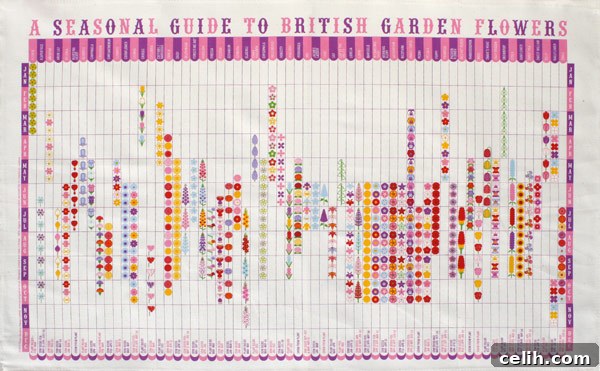
Navigating the rich diversity of British garden flowers and their seasonal needs can be an exhilarating yet sometimes overwhelming experience. This is precisely where practical, beautiful tools come into play. Imagine having all the crucial information at your fingertips, beautifully presented and easily accessible. That’s the promise of the seasonal British garden flowers tea towel – an ingenious blend of utility and botanical expertise, designed to simplify your gardening journey.
Crafted from 100% organic, unbleached cotton, this unique tea towel isn’t just for drying dishes. It serves as an informative, visually appealing guide to the seasonal blooms of British gardens. Whether your aim is simply to enjoy identifying flowers as they appear throughout the year, adding a layer of appreciation to your daily walks, or to ensure you’re planting your garden seeds and bulbs at the optimal moment for maximum success, this tea towel provides all the essential answers. It eliminates guesswork, transforming uncertainty into confidence for every gardening task, making it an invaluable resource for both novices and experienced gardeners alike.
Why an Organic Cotton Tea Towel is the Perfect Garden Companion
Beyond its aesthetic appeal and wealth of information, the choice of material for this tea towel speaks volumes. Made from organic, unbleached cotton, it represents a commitment to sustainability and eco-friendliness. It’s durable, absorbent, and kind to the environment, making it a thoughtful addition to any home. Its practical design means it can be elegantly hung in your kitchen, shed, or greenhouse, offering a constant visual reference point for gardeners of all levels. It’s an ideal gift for nature lovers, aspiring gardeners, or anyone who appreciates the beauty of British flora and wishes to connect more deeply with the natural world around them.
The Seasonal Garden Flowers designer tea towel, thoughtfully created by Stuart Gardiner, is available for purchase from To Dry For for £10. It’s not just a purchase; it’s an investment in your gardening knowledge and a charming, educational piece of home decor that celebrates the British seasons.
Expand Your Seasonal Knowledge with Related Guides
For those eager to delve deeper into the seasonal bounty of Britain, To Dry For also offers a range of other informative tea towels. You can broaden your understanding of seasonal produce with guides featuring seasonal vegetables, perfect for planning your culinary adventures, and explore the edible wonders of the wild with a guide to seasonal wild food. These complementary resources further enhance your connection to nature’s annual cycles, whether in your garden, kitchen, or foraging expeditions.
And if you’re looking for more inspiring ideas for your kitchen textiles and home accessories, don’t forget to check out our comprehensive guide to the top 10 contemporary tea towels, offering a curated selection of designs that combine style, functionality, and artistic flair to elevate your home.
Cultivating Joy: The Everlasting Appeal of British Gardens
Understanding and celebrating seasonal British garden flowers is a journey of continuous discovery and immense satisfaction. It allows us to participate actively in nature’s grand design, bringing unparalleled beauty, intoxicating fragrance, and vibrant life to our immediate surroundings. Whether you’re planning a new flower bed, nurturing a window box, or simply admiring a vibrant display on a country walk, knowing when and how these magnificent blooms grace our landscapes enriches the experience tenfold. Let the intricate cycles of the British garden inspire your next planting adventure, and enjoy the profound joy that comes from cultivating life and connecting with the natural world throughout every season.