
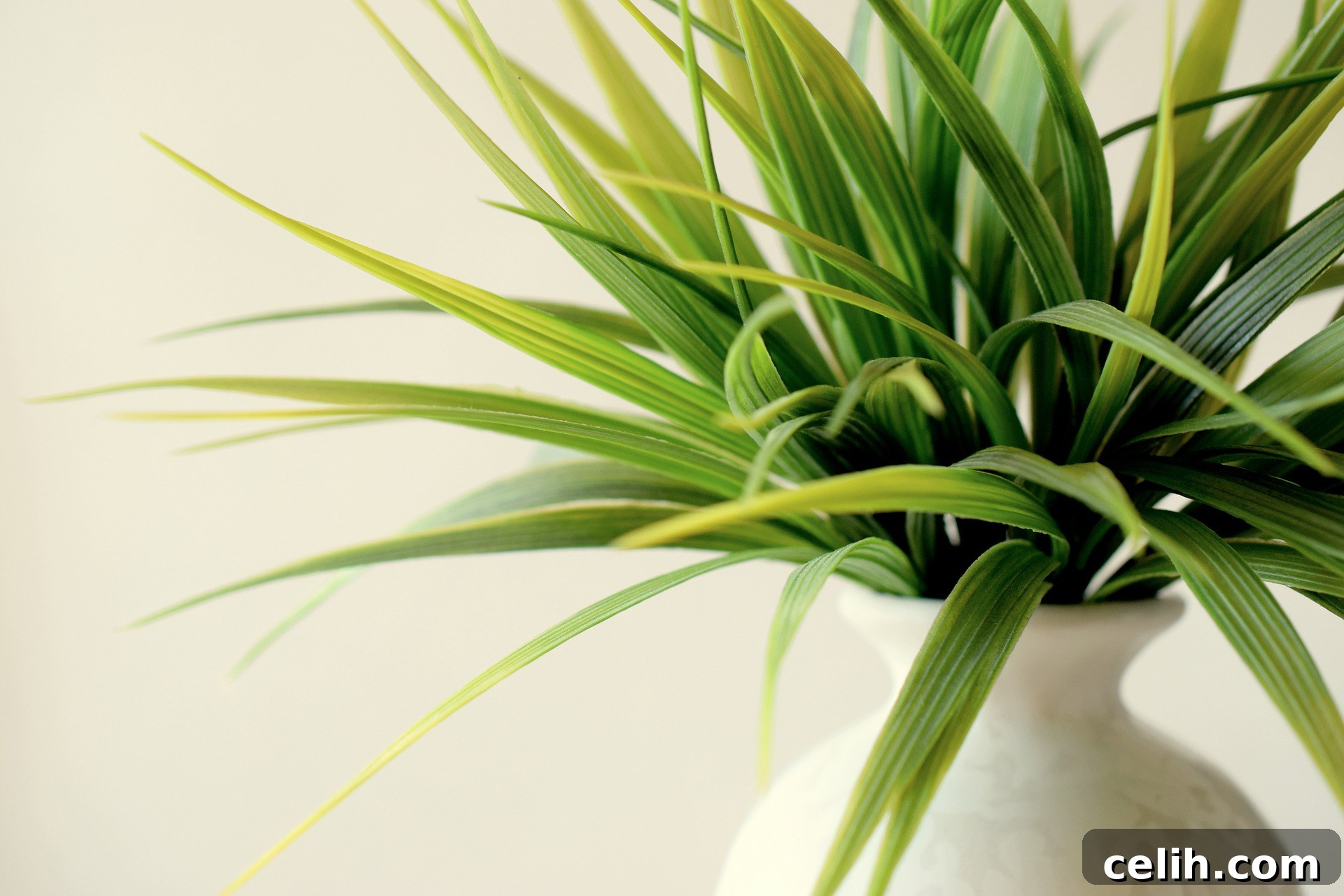
Breathe Easy: The Ultimate Guide to Air-Purifying Indoor Plants for a Healthier Home
Imagine stepping into your home and taking a deep breath of fresh, clean air – air that feels lighter, crisper, and free from everyday pollutants. While it might sound like a dream, it’s a reality easily achievable with the right indoor plants. Beyond their aesthetic appeal, houseplants are natural air purifiers, silently working to filter out harmful toxins and enhance the air quality within your living spaces. In an increasingly urbanized world where indoor air can sometimes be more polluted than outdoor air, bringing nature indoors is not just a decorative choice; it’s a vital step towards creating a healthier, more vibrant home environment.
This comprehensive guide will introduce you to some of the most effective and beautiful air-purifying plants, offering insights into their unique benefits and simple care routines. Whether you’re a seasoned plant parent or just beginning your green journey, discover how these botanical wonders can transform your home into an oasis of fresh air and natural beauty.
The Power of Plants: Why Indoor Air Quality Matters
Our homes are sealed environments, trapping common household toxins released from furniture, cleaning products, paints, and even synthetic fabrics. These pollutants, such as formaldehyde, benzene, trichloroethylene, and xylene, can contribute to various health issues, including allergies, headaches, respiratory problems, and fatigue. NASA’s Clean Air Study famously highlighted the incredible ability of certain houseplants to remove these airborne toxins, making them essential allies in our quest for better indoor health.
Beyond air purification, indoor plants offer a myriad of other benefits. They can boost mood, reduce stress levels, improve concentration, and even increase humidity, which is beneficial for both human health and wooden furniture. Integrating plants into your home decor is a holistic approach to well-being, blending natural beauty with tangible health advantages.
Top Air-Purifying Indoor Plants for Your Home
1. Spider Plant (Chlorophytum comosum)
The Spider Plant is a champion among houseplants, especially for beginners. Its resilience and striking arching leaves make it an attractive and low-maintenance choice. Often recognized by its characteristic “plantlets” or “spiderettes” that dangle from the mother plant, it’s incredibly easy to propagate and share with friends.
- Air Purification Power: Highly effective at removing common indoor air pollutants such as formaldehyde, xylene, and carbon monoxide. It’s particularly adept at neutralizing formaldehyde, a prevalent compound found in many household products.
- Care Level: Extremely easy. It tolerates a range of conditions, making it forgiving for those new to plant care.
- Light Requirements: Thrives in bright, indirect sunlight. While it can tolerate some shade, too much direct sun can scorch its leaves.
- Watering: Water thoroughly when the top inch of soil feels dry. It prefers to dry out slightly between waterings. Avoid overwatering, which can lead to root rot.
- Unique Benefits: Non-toxic to pets, making it a safe choice for homes with animals. Its prolific production of spiderettes means you’ll never run out of new plants!
2. Boston Fern (Nephrolepis exaltata ‘Bostoniensis’)
The Boston Fern is a classic, elegant houseplant known for its lush, feathery fronds. It brings a touch of natural wilderness to any room and is celebrated for its exceptional air-purifying capabilities.
- Air Purification Power: A top performer in removing formaldehyde from the air, a common volatile organic compound (VOC) found in glues, pressed-wood products, and some fabrics. It also helps to eliminate xylene and benzene.
- Care Level: Moderate. It requires a bit more attention than a spider plant, particularly regarding humidity.
- Light Requirements: Prefers bright, indirect light. Direct sunlight can scorch its delicate fronds, while too little light can lead to sparse growth.
- Watering: Needs consistent moisture. Keep the soil evenly damp but not waterlogged. Water frequently, especially in warmer months, and reduce in winter.
- Humidity: This is where the Boston Fern truly shines – and demands. It absolutely thrives in high humidity environments, making it ideal for bathrooms or kitchens, or in rooms with humidifiers. Regular misting can also help.
- Unique Benefits: Acts as a natural humidifier, releasing moisture into the air, which can be beneficial for those with dry skin or respiratory issues.
3. Weeping Fig (Ficus benjamina)
The Weeping Fig is a graceful and popular indoor tree, characterized by its slender branches and glossy, oval leaves that droop elegantly. It can range from a small tabletop plant to a magnificent floor-standing specimen, adding a touch of sophisticated greenery to larger spaces.
- Air Purification Power: Excellent at filtering out airborne toxins such as formaldehyde, benzene, and trichloroethylene, which are commonly found in carpets, furniture, and synthetic materials.
- Care Level: Moderate to challenging. Ficus trees can be sensitive to changes in their environment, often dropping leaves if moved or exposed to drafts.
- Light Requirements: Prefers bright, indirect light. It can tolerate some morning sun but should be protected from harsh afternoon rays. Consistent light is key.
- Watering: Water thoroughly when the top few inches of soil feel dry. Allow the soil to dry out slightly between waterings. Reduce watering in winter.
- Humidity: Appreciates high humidity. Mist its leaves regularly or place it near a humidifier, especially in dry indoor environments.
- Unique Benefits: Can grow quite tall (up to 10 feet indoors with proper care and space), making it a dramatic focal point. Its dense foliage effectively traps dust particles.
4. Aloe Vera (Aloe barbadensis miller)
More than just a decorative plant, Aloe Vera is a succulent powerhouse renowned for its medicinal properties. Its thick, fleshy leaves contain a gel-like substance that has been used for centuries for its healing capabilities.
- Air Purification Power: While not as aggressive as some other plants on this list, Aloe Vera contributes to air purification by removing formaldehyde and benzene, often found in chemical-based cleaners and paints.
- Care Level: Easy. It’s a succulent, so it’s quite drought-tolerant and forgiving.
- Light Requirements: Loves bright, direct sunlight. Place it near a sunny window where it can get at least six hours of direct light daily.
- Watering: Water deeply but infrequently. Allow the soil to dry out completely between waterings, typically every 2-3 weeks, less often in winter. Ensure good drainage to prevent root rot.
- Medicinal Benefits: The star of the show. The clear gel inside its leaves can be applied topically to soothe sunburns, minor cuts, insect bites, and skin irritations. It’s a fantastic natural first-aid remedy to have on hand.
- Unique Benefits: An attractive architectural plant that adds a touch of desert elegance. Its dual purpose as a decorative and medicinal plant makes it incredibly valuable.
5. Peace Lily (Spathiphyllum)
The Peace Lily is a beautiful and elegant plant recognized by its glossy, dark green leaves and distinctive white, hood-like spathes (modified leaves) that surround a central flower spike. It’s a popular choice for its graceful appearance and potent air-purifying abilities.
- Air Purification Power: One of the best plants for removing a wide range of common indoor pollutants, including formaldehyde, benzene, trichloroethylene, xylene, and ammonia. It’s also effective at combating mold spores, making it a great choice for bathrooms.
- Care Level: Moderate. It’s relatively easy to care for but can be dramatic if it doesn’t get enough water, visibly drooping its leaves.
- Light Requirements: Prefers low to medium, indirect light. Direct sunlight can scorch its leaves and prevent flowering. It tolerates low light conditions well, though it may flower less frequently.
- Watering: Keep the soil consistently moist but not waterlogged. Water when the top inch of soil feels dry, or when the plant starts to slightly droop (it will quickly perk back up after watering).
- Humidity: Enjoys high humidity, so regular misting or placement near a humidifier is beneficial.
- Unique Benefits: Its elegant white blooms add a sophisticated touch to any room. It’s also an excellent indicator of when it needs water, making it easy to know when to tend to it.
6. Succulents (Various Species, e.g., Snake Plant, ZZ Plant)
While the original text specifically mentioned “succulents” for oxygen at night, it’s worth clarifying that many succulents, especially those employing Crassulacean Acid Metabolism (CAM) like the Snake Plant (Sansevieria trifasciata) and ZZ Plant (Zamioculcas zamiifolia), are excellent choices for bedrooms. They perform photosynthesis differently, absorbing CO2 and releasing oxygen during the nighttime hours, which is quite rare among plants.
- Air Purification Power: Snake Plants are particularly effective at removing benzene, formaldehyde, trichloroethylene, xylene, and toluene. ZZ Plants also filter out xylene, toluene, and benzene.
- Care Level: Extremely easy. Succulents are highly drought-tolerant and can survive neglect, making them perfect for busy individuals or those new to plant care.
- Light Requirements: Adaptable. While they prefer bright, indirect light, many succulents (like Snake Plants and ZZ Plants) can tolerate low light conditions, making them versatile for various rooms, including bedrooms.
- Watering: Infrequent. Water deeply only when the soil is completely dry, typically every 2-4 weeks. Overwatering is the most common cause of succulent death.
- Unique Benefits: Their architectural forms and varied textures add modern appeal. They are incredibly low-maintenance and thrive on neglect, making them perfect “set it and forget it” plants. Ideal for bedrooms as they continue to release oxygen at night.
Beyond Air Purification: The Holistic Benefits of Indoor Plants
The advantages of inviting indoor plants into your home extend far beyond simply cleaning the air. They contribute to a more holistic sense of well-being:
- Mental Well-being: Studies show that interacting with plants can reduce stress, lower blood pressure, and improve mood. The presence of greenery creates a calming atmosphere, fostering a sense of peace and tranquility.
- Increased Focus and Productivity: Just as walking through a serene forest can clear your mind, having plants in your indoor workspace can boost concentration and memory retention. They help create an environment conducive to productivity and creativity.
- Enhanced Humidity: Plants release moisture vapor into the air through a process called transpiration. This natural humidification can alleviate dry skin, scratchy throats, and dry coughs, especially in arid climates or heated indoor spaces during winter.
- Natural Decor and Aesthetic Appeal: Plants are living art. They add color, texture, and life to any interior design scheme, instantly making a space feel warmer, more inviting, and connected to nature.
Choosing the Right Plant for Your Space
When selecting your indoor plants, consider not just their air-purifying abilities but also your home’s unique conditions and your lifestyle. Think about:
- Light Availability: Does your room receive bright, direct light, or is it a more shaded corner?
- Humidity Levels: Are you looking for plants that thrive in high humidity (like bathrooms) or prefer drier conditions?
- Care Commitment: Are you seeking a low-maintenance companion or are you ready for a more hands-on plant parenting experience?
- Pet Safety: If you have pets, always research if a plant is toxic to animals before bringing it home.
Embracing the Green Lifestyle
Integrating indoor plants into your home is a rewarding journey that enhances both your physical and mental health. Each plant on this list offers unique benefits, from purifying specific toxins to providing medicinal properties or simply adding a touch of natural beauty. By surrounding yourself with these botanical allies, you’re not just decorating; you’re cultivating a healthier, more vibrant living space.
And don’t stop at the indoors! The benefits of green spaces extend to your outdoor areas as well. Just like the picturesque homes found at Ocean Front Hilton Head Island, enhancing your property’s exterior with potted plants, vibrant containers, or elegant hanging baskets can significantly boost curb appeal and provide that extra feel-good factor every time you come home. Imagine the calming effect of beautiful flora greeting you at your doorstep!
So, whether you’re looking to cleanse your air, reduce stress, or simply add a splash of green to your decor, there’s a perfect plant waiting for you. Which of these green companions will you welcome into your home first? Tell us your favorites in the comments below!
(Guest post)