
Your home is more than just a place to live; it’s a canvas for your personality, a sanctuary reflecting your passions, and a statement of your unique style. We all aspire to create a living space that feels authentically ‘us,’ infused with character and sophistication. In the dynamic world of interior design, staying abreast of current trends is crucial for ensuring our décor remains fresh, vibrant, and relevant. This comprehensive guide offers a wealth of expert tips and actionable advice to help you breathe new life into your home, transforming it into a space that truly inspires and delights.
Embarking on an interior design journey, whether a complete overhaul or subtle refinements, can be both exciting and daunting. Our aim is to empower you with the knowledge and confidence to make informed design choices, creating environments that are not only aesthetically pleasing but also supremely functional and comfortable. Let’s delve into the core principles that will elevate your interior design this year, making your home a true reflection of you.
Re-evaluate Your Space: Unlocking Its Full Potential
Every home, regardless of its size, holds immense potential. The key lies in how you perceive and utilize that space. Begin by adopting a ‘different eye,’ looking beyond the familiar and envisioning possibilities. This fresh perspective is fundamental to understanding your home’s inherent strengths and identifying areas ripe for transformation. Often, the most impactful changes come from rethinking functionality and flow.
Mastering Spatial Illusions with Light and Mirrors
For smaller rooms, the illusion of space can be a game-changer. Thoughtfully placed light sources and mirrors are powerful tools in achieving this. Mirrors, strategically positioned, can visually expand a room by reflecting light and views, effectively doubling the perceived area. Consider placing a large mirror opposite a window to draw in natural light and the outdoor scenery, or in a narrow hallway to alleviate its confinement. Layering light, using a combination of ambient (general), task (focused), and accent (decorative) lighting, can also add depth and warmth, making any room feel more inviting and expansive. Don’t underestimate the power of dimmers to adjust the mood and perception of space throughout the day. For more ingenious ways to maximize every square inch, resources like The Huffington Post offer invaluable space-saving tricks tailored for tighter quarters.
The Art of Decluttering and Optimal Storage
A cluttered space is a suffocated space. Clearing away unnecessary items isn’t just about tidiness; it’s about creating mental and visual clarity. A streamlined environment allows you to appreciate your possessions more fully and provides a clean slate for new design ideas. If your soft furnishings or home accessories no longer spark joy or align with your evolving taste, consider decluttering methods like the KonMari technique or simply holding a car boot sale to give items a new lease on life. Invest in smart storage solutions that blend seamlessly with your décor, such as ottomans with hidden compartments, built-in shelving, or stylish baskets. Effective storage ensures that every item has a designated place, maintaining order and enhancing the overall aesthetic.
Optimizing Furniture Arrangement and Flow
The way you arrange your furniture profoundly impacts a room’s functionality and visual appeal. Before moving anything, sketch out different layouts or use online planning tools. Consider the room’s primary purpose: is it for conversation, relaxation, or entertainment? Arrange furniture to encourage natural traffic flow, avoiding blocked pathways. In living rooms, creating distinct zones for different activities, such as a cozy reading nook or a conversation area, can make a space feel larger and more versatile. Pay attention to scale; ensure furniture pieces are proportionate to the room size, preventing a cramped or sparse look. A well-thought-out furniture plan is essential for a harmonious and practical living environment.
Inspire Yourself: Cultivating Your Design Vision
Inspiration is the bedrock of any successful interior design project. It’s an ongoing process of observation and curation. Wherever you go, and whatever you do, consciously gather ideas that resonate with you. The world is full of design cues, from the breathtaking vistas of a holiday abroad to the intricate patterns on a local artisan’s craft.
Diverse Sources of Creative Fuel
Don’t limit your search for inspiration. Travel is an obvious goldmine, offering exposure to different cultures, architectural styles, and vibrant colour palettes. Flicking through photographs from a recent getaway can easily spark ideas for a new colour scheme or a design ethos. Beyond travel, consider exploring art galleries, fashion magazines, nature (the colours of a sunset, the textures of a forest), and even historical periods. Visit local markets, antique shops, or botanical gardens. Pay attention to how different elements combine to create a particular mood or aesthetic. The more diverse your sources, the richer and more unique your design vision will become.
The Power of Mood Boards and Digital Curation
A highly effective way to collate your ideas is through the creation of a mood board or scrapbook. Traditionally, this involved cutting and pasting physical images and fabric swatches onto a board. Today, digital tools have revolutionized this process. If you have a laptop, tablet, or smartphone, it’s incredibly easy to collect pictures, patterns, and ideas. Use your smartphone to snap photos of unusual objects, intriguing colour combinations, or architectural details that catch your eye as you go about your day. Platforms like Pinterest are invaluable for pinning your favourite images, organizing them into thematic boards, and discovering new content. Similarly, Instagram and Houzz offer endless visual inspiration. For those who appreciate a more tactile approach, a bullet journal, as Buzzfeed points out, is another handy and currently trendy way to gather creative tidbits, allowing for a personal, hands-on approach to design planning.
Developing Your Unique Personal Style
Gathering inspiration is just the first step; the true art lies in translating these diverse elements into a cohesive personal style for your home. Begin by identifying common themes in your collected images: Do you gravitate towards natural textures or sleek modern lines? Are you drawn to bold colours or a serene neutral palette? Understanding your preferences helps you filter trends and focus on what truly resonates. Don’t be afraid to experiment and combine different aesthetics in a way that feels authentic to you. A truly successful interior reflects your individuality, telling your story through thoughtful design choices rather than rigidly adhering to a single style.
Contemplate the Colour Wheel: Unlocking Emotional Impact
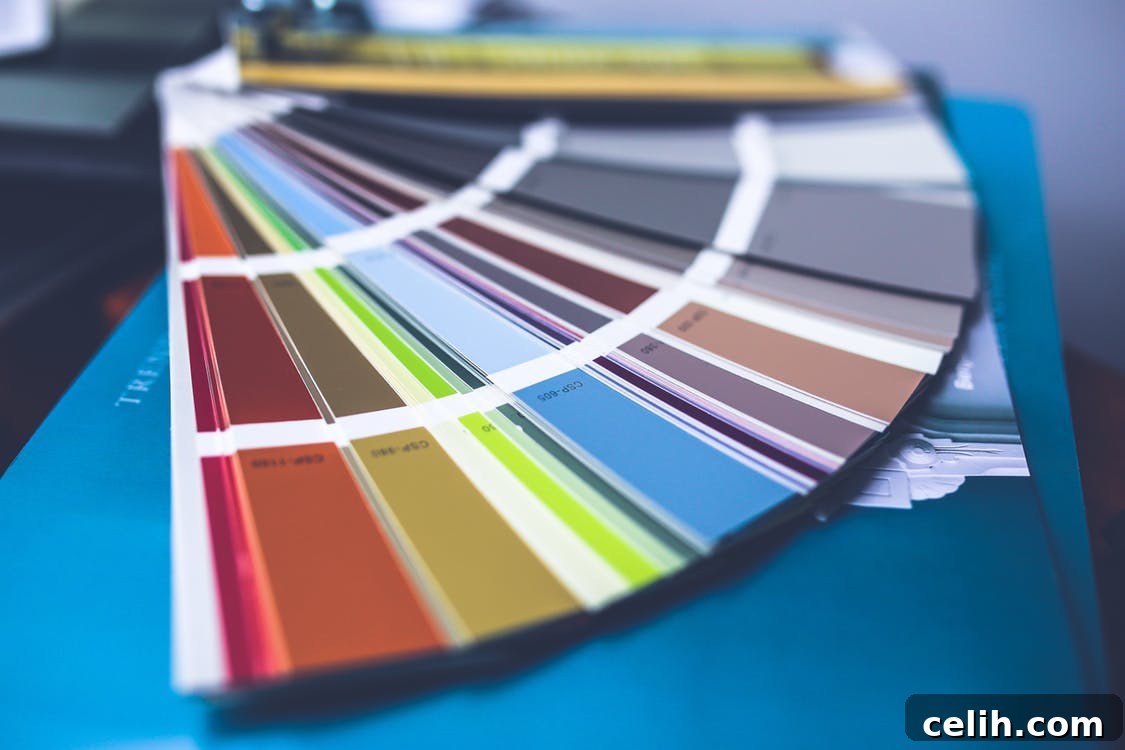
Colour is arguably the most powerful tool in an interior designer’s arsenal. It has the ability to transform the mood, perception of space, and overall atmosphere of a room instantly. If you’ve lived with the same colour scheme for a long time, it’s amazing what a fresh lick of paint can do to revitalize a space. But choosing the right colours involves more than just picking your favourites; it requires an understanding of colour theory and psychology.
Understanding Colour Psychology and Its Impact
Every colour evokes a unique psychological response. Blues and greens often bring a sense of calm and tranquility, making them ideal for bedrooms and bathrooms. Reds and oranges are energetic and stimulating, perfect for dining areas or spaces where you want to encourage conversation. Yellows radiate warmth and optimism, while neutrals (greys, whites, beiges) provide a sophisticated backdrop that allows other elements to shine. Consider the desired mood of each room before committing to a palette. A well-chosen colour scheme can enhance daily living and create a comfortable, inviting environment.
Exploring Colour Schemes: Beyond Complementary
While the basic guide that colours opposite each other on the colour wheel tend to be complementary (meaning they go together well and make each other stand out) is a great starting point, there’s a whole spectrum of schemes to explore. An analogous scheme uses colours next to each other on the wheel, creating a harmonious and serene feel. A monochromatic scheme utilizes different shades, tints, and tones of a single colour for subtle depth. Triadic schemes use three colours equally spaced on the wheel for a vibrant, balanced look, while tetradic schemes use two pairs of complementary colours for a rich and complex palette. Consider using a dominant colour from one side of the wheel for your walls, and then introducing complementary or analogous colours through ornaments, smaller soft furnishings such as cushions, or artwork.
The Role of Neutrals and Accent Colours
Neutral palettes are far from boring; they offer a sophisticated and versatile foundation for any interior. Whites, creams, greys, and beiges provide a calming backdrop, allowing textures, furniture, and accent colours to take center stage. To prevent a neutral room from feeling bland, layer different shades and textures, and introduce varying wood tones or metallic finishes. Accent colours are vibrant hues used sparingly to add pops of interest and draw the eye. A bold throw pillow, a piece of artwork, or a statement lamp in an accent colour can dramatically enliven a neutral space without overwhelming it.
The Impact of Paint Finish
The finish of your paint can significantly alter how a colour appears and how durable it is. Matte finishes offer a sophisticated, non-reflective look that conceals imperfections, ideal for low-traffic areas. Eggshell and satin finishes provide a slight sheen, making them more durable and easier to clean, suitable for living rooms and bedrooms. Semi-gloss and high-gloss paints are highly reflective, durable, and excellent for trim, doors, and areas requiring frequent cleaning, like kitchens and bathrooms. Understanding these nuances ensures your chosen colour looks its best and performs optimally in its intended environment.
Embrace Texture and Materials: Adding Depth and Sensory Appeal
Beyond colour, texture and materials play a crucial role in creating a rich, inviting, and multi-sensory interior. They add depth, warmth, and character, transforming a flat space into a layered and dynamic one. Thinking about how different surfaces feel and how they interact with light can elevate your design significantly.
Layering Textures for Visual Interest
Consider the interplay of varied textures within a single room. A smooth, polished marble tabletop can be beautifully contrasted with a soft, chunky knit throw. Introduce a plush rug on hardwood floors, linen curtains against painted walls, or velvet cushions on a sleek leather sofa. Natural materials like wood, stone, wool, and cotton bring an organic warmth and authenticity, while metals (brass, steel, iron) and glass can add a touch of modern sophistication or industrial edge. The key is to layer these textures thoughtfully, creating visual and tactile interest without overwhelming the space. This layering creates a sense of luxury and comfort, making a room feel more complete and thoughtfully designed.
The Beauty of Natural vs. Synthetic Materials
Both natural and synthetic materials have their place in interior design. Natural materials, with their inherent imperfections and unique characteristics, bring an organic beauty and a sense of connection to the outdoors. Think of the rich grain of a solid wood table, the coolness of a stone countertop, or the soft drape of a linen curtain. They often age gracefully and add timeless appeal. Synthetic materials, on the other hand, can offer enhanced durability, stain resistance, and a wider range of colours and patterns at a more accessible price point. The most successful designs often combine the best of both worlds, using natural elements for their warmth and authenticity, and incorporating high-performance synthetics where practicality is paramount.
Accessorizing and Personal Touches: The Soul of Your Home
Once the foundational elements of space, colour, and texture are in place, it’s time to infuse your home with personality through carefully selected accessories and personal touches. These are the elements that truly make a house a home, reflecting your journey, passions, and character.
Curating Art and Wall Decor
Art and wall decor are powerful tools for expressing individuality and setting a mood. Whether you choose framed prints, original paintings, photographs, or sculptural pieces, ensure they resonate with you. When hanging art, consider scale and placement. A large statement piece can anchor a wall, while a thoughtfully curated gallery wall can tell a story and add dynamic interest. Don’t be afraid to mix different styles, frames, and mediums. Mirrors, beyond their functional purpose, can also serve as decorative art, adding sparkle and dimension to a wall.
Embracing Biophilic Design with Indoor Plants
Bringing the outdoors in through indoor plants is a simple yet incredibly effective way to enhance any interior. Plants not only add a touch of natural beauty and vibrant colour but also contribute to improved air quality and a sense of well-being. This concept, known as biophilic design, seeks to connect us with nature within our built environments. From large floor-standing specimens like a fiddle leaf fig to smaller succulents and trailing plants, greenery introduces life, texture, and a calming presence. Choose plants that thrive in your home’s light conditions and consider decorative planters that complement your aesthetic.
The Comfort and Style of Textiles
Textiles—cushions, throws, rugs, and curtains—are essential for adding comfort, warmth, and layers of colour and pattern. A strategically placed rug can define a space, add insulation, and introduce a bold pattern or subtle texture. Cushions and throws invite relaxation and are easy ways to update a colour scheme or add a seasonal touch. Curtains not only provide privacy and light control but also frame windows and contribute significantly to a room’s overall style, whether through luxurious drapes, breezy sheers, or tailored blinds. The tactile quality of textiles makes a room feel softer, more inviting, and complete.
Integrating Personal Collectibles and Memories
Your home should tell your story. Integrate personal collectibles, travel souvenirs, treasured heirlooms, and beloved books into your decor. Arrange these items thoughtfully on shelves, side tables, or mantels. Group similar items for impact, or mix and match them to create eclectic vignettes. These personal touches are what make your home unique, sparking conversations and evoking cherished memories. They prevent a space from feeling generic or showroom-like, truly making it your own.
Get Top-Notch Professional Advice: Investing in Your Vision
Whether you’re a seasoned design enthusiast or flexing your design muscles for the very first time, everyone can benefit immensely from structured, professional advice. An interior designer offers more than just aesthetic guidance; they bring a wealth of experience, problem-solving skills, and industry insights that can save you time, money, and stress.
The Undeniable Value of Professional Expertise
The benefits of hiring an interior designer extend far beyond simply choosing colours and furniture. A professional designer acts as a project manager, guiding you through the often-complex process of renovation or redecoration. They can help you clarify your vision, translate abstract ideas into concrete plans, and avoid costly mistakes. Designers have access to trade-only resources, suppliers, and skilled craftspeople, often securing better prices and higher quality products than individuals could. They possess an expert eye for spatial planning, colour theory, and material selection, ensuring a cohesive and functional design that you might not achieve on your own. Amidst the stresses of everyday life, a designer takes a significant amount of the hard work off your shoulders, leaving you to enjoy the exciting journey and the stunning results.
When to Consider Professional Design Services
There are numerous scenarios where professional design services prove invaluable. You might be undertaking a full home renovation, struggling with a particularly challenging room layout, or simply lack the time and confidence to tackle a design project yourself. Perhaps you desire a high-end, bespoke look, or you’re moving into a new home and need help making it feel like your own from day one. From initial consultation to full-service design, e-design for remote assistance, or simply project management oversight, designers offer flexible services tailored to your specific needs and budget.
Collaborative Design with Experts like Kia Designs
We are consistently impressed by the comprehensive services of Kia interior design company in London. Kia Designs stands out for its client-centric approach, working collaboratively with you to create an interior look and feel that’s truly yours. They understand that a home should reflect its inhabitants, and they excel at translating personal tastes and needs into a sophisticated and functional design. Their expertise ensures the perfect balance, impeccable style, and seamless coordination that speak of a professional effort, all while retaining your unique personality.
Kia Designs offers a range of services designed to keep you dynamically involved every step of the way in realizing your design dreams. This includes detailed elevations and sketches that bring concepts to life, evocative mood boards to solidify aesthetics, and robust online project management tools that ensure transparency and smooth communication throughout the process. Their commitment to bespoke solutions means your interior will be a unique masterpiece, meticulously planned and flawlessly executed to meet your aspirations.
(Images via Pexels)
(In association with Kia Designs)