
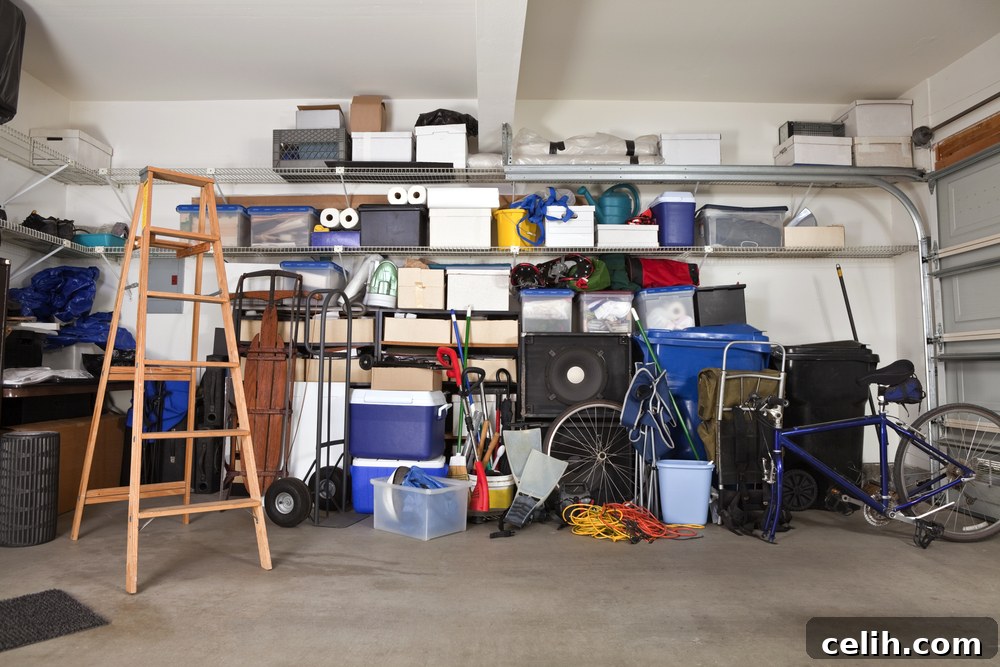
Have you ever found yourself endlessly searching through the storage shelves in your garage, only to be frustrated by your inability to locate the items you need? If poor lighting is the culprit, you are certainly not alone. Effective lighting is a crucial element in every space, and the garage, often overlooked, is no exception. A well-lit garage is not merely a matter of convenience; it significantly enhances safety, productivity, and even the overall value of your home. To transform your garage into a functional, organized, and inviting extension of your living space, here are comprehensive ideas for optimizing your garage lighting solutions.
Maximizing Natural Illumination in Your Garage
Before considering artificial light sources, the first step in creating a brighter garage is to identify and maximize any existing natural light. Natural light offers numerous benefits, including energy savings, improved mood, and reduced eye strain. Experts, such as those at A1 Garage Door Service, consistently advise against covering even the smallest windows. These seemingly minor openings can dramatically brighten the space during daylight hours, making a noticeable difference in the overall ambiance and functionality of your garage.
Beyond existing windows, a highly effective method to introduce more natural light is through the strategic selection of your garage door. Modern garage doors come with various window configurations, ranging from small, frosted panes to larger, clear inserts. These can be an incredibly efficient way to funnel the sun’s rays into the interior. When choosing a garage door with windows, consider factors like insulation (to maintain thermal efficiency), privacy (frosted glass is excellent for this), and the overall aesthetic appeal that complements your home’s exterior. Additionally, if feasible for your garage structure, integrating skylights or solar tubes can be game-changers. Skylights provide overhead illumination, while solar tubes, smaller and more discreet, channel sunlight through a reflective tube into the interior, offering bright, diffuse light without significant heat gain. Regularly cleaning your garage windows and skylights will also ensure maximum light transmission, preventing dirt and grime from dimming the space.
Revolutionizing Your Garage with LED Lighting Solutions
Given that the garage is often a hub for storage, projects, and various tasks, effective artificial lighting is paramount. LED (Light Emitting Diode) technology has emerged as the superior choice for garage lighting due to its unparalleled energy efficiency, longevity, and versatility. Experts, such as those referenced on The Pattisall Group’s website, highlight that even thoughtful garage lighting can significantly increase your property’s value, making it an attractive feature for potential buyers. While professional installation is always an option for hardwired solutions, many LED lighting options are surprisingly straightforward for DIY enthusiasts to install. Let’s explore some popular and effective LED solutions.
Versatile LED Strip Lighting
LED strip lights, also known as LED tape lights, are among the most versatile and highly recommended methods for illuminating shelves, workbenches, and even entire garage perimeters. Their affordability, accessibility, and ease of installation contribute to their immense popularity. They offer a clean, linear light source that can drastically improve visibility in previously shadowed areas, turning cluttered spaces into organized havens.
Step-by-Step Installation Guide for LED Strips:
- Measure and Plan: Begin by accurately measuring the dimensions of your shelves, workbench edges, or any area you wish to illuminate. This ensures you purchase the correct length of LED strip. Consider the power source location – will it be plug-in or hardwired?
- Select the Right Strips: Choose LED strips with the appropriate color temperature (e.g., cool white for task lighting, neutral white for general use) and brightness (measured in lumens per foot/meter). You can find a wide variety online or at your local hardware store. Look for strips with a good adhesive backing and, if exposed to dust or moisture, an appropriate IP (Ingress Protection) rating.
- Prepare the Surface: Before installation, thoroughly clean and dry the surface where the LED strips will be applied. Any dust, grease, or moisture can compromise the adhesive, leading to the strips peeling off over time. Use rubbing alcohol for best results.
- Peel and Stick: Carefully peel back a section of the adhesive backing from the LED strip and firmly press it onto the selected surface. Work your way along the length, ensuring a secure and straight application. For corners, you can use flexible connectors or carefully bend the strips if they are designed for it.
- Connect and Power: Connect the LED strips to their power supply (usually a transformer/driver). For plug-and-play kits, this is a simple connection to an outlet. For hardwired systems, it’s advisable to consult an electrician to ensure safe and compliant installation.
- Test and Enjoy: Once connected, turn on the light. The immediate difference in visibility and organization will be striking. LED strips are also excellent for highlighting tools, increasing safety around power equipment, and creating a brighter, more inviting workspace. Some advanced strips even offer dimming capabilities or smart home integration for added control.
Practical LED Button Lights
Another convenient LED lighting alternative is the LED button light. These coin-shaped lamps, typically larger than a standard coin, offer focused illumination for specific spots. Their installation is remarkably simple: clean the desired surface, peel off the adhesive backing, and firmly apply the light. Many models available on the market feature remote controls for effortless activation, allowing you to turn them on and off without reaching directly for the unit. Others operate with a simple press. LED button lights are perfect for smaller, enclosed spaces, adding accent lighting, or providing quick, temporary illumination.
Eco-Friendly Rechargeable LED Sticks
For those seeking a more environmentally conscious and highly flexible option, rechargeable LED sticks are an excellent choice. Slightly larger than LED button lights, they boast equally straightforward installation. These wireless wonders are an ideal solution for any garage storage system, offering illumination for shelves, drawers, cabinets, and even inside toolboxes. Their wireless nature means they can be placed virtually anywhere, providing light exactly where it’s needed without the constraints of power outlets. When the light dims, simply recharge it (often via USB-C or micro-USB), and it’s ready for continued use. While rechargeable LED sticks might have a slightly higher upfront cost compared to some other battery-operated lights, their durability, reusability, and extended lifespan offer significant long-term value and reduce waste from disposable batteries.
Comprehensive Advantages of LED Lighting for Garages
Choosing LED lighting for your garage, especially for shelves and task areas, comes with a multitude of benefits, many of which are highlighted in guides like The Lightbulb Co.’s ultimate guide. These advantages extend far beyond mere illumination:
- Effortless Installation: Many LED solutions, particularly strips and button lights, come with adhesive backings, allowing for tool-free installation. This makes them perfect for DIY projects, saving time and effort.
- Cost-Effective Long-Term: While some LED fixtures may have a higher initial price tag than traditional bulbs, their exceptional energy efficiency and longevity result in significant savings on electricity bills and replacement costs over time. You avoid additional installation costs by opting for DIY-friendly options.
- Highly Customizable: LED technology offers immense flexibility. You can choose from various color temperatures (from warm white for a softer ambiance to cool white for bright task lighting), integrate dimming features, or even opt for smart LED systems that allow for remote control, scheduling, and color-changing modes to personalize your workspace.
- Exceptional Energy Efficiency: LEDs consume significantly less power than incandescent or even fluorescent bulbs. This translates directly into lower energy consumption, making them an environmentally friendly and economically sound choice.
- Unmatched Durability: LEDs are solid-state lights, meaning they are much more resistant to vibration, impact, and temperature fluctuations common in garage environments. They are also known for their impressive lifespan, often lasting tens of thousands of hours longer than traditional alternatives.
- Low Heat Emission: Unlike incandescent bulbs that generate a lot of heat, LEDs produce very little radiated heat. This enhances safety, reduces the strain on any garage cooling systems, and prevents damage to heat-sensitive items stored nearby.
- Instant On and Full Brightness: LEDs provide instant illumination at full brightness with no warm-up time, unlike some fluorescent lights that can flicker or take time to reach full intensity, especially in colder temperatures.
- Mercury-Free: LEDs do not contain harmful mercury, making them a safer and more environmentally responsible disposal option compared to fluorescent lamps.
- Improved Safety and Productivity: Better visibility in a well-lit garage significantly reduces the risk of accidents, tripping hazards, or mishandling tools. For those who use their garage for hobbies or DIY projects, proper lighting directly contributes to increased productivity and accuracy.
- Enhanced Property Appeal: A garage that is well-lit, organized, and functional adds tangible value to your home, making it more attractive and appealing to potential buyers.
Beyond Shelf Lighting: Comprehensive Garage Illumination Strategies
While targeted shelf and task lighting are essential, a truly effective garage lighting scheme incorporates several layers to ensure comprehensive illumination for every need:
Overhead Ambient Lighting
This forms the foundation of your garage’s lighting. Instead of a single, dim bulb, consider multiple overhead LED fixtures. LED shop lights (often 4-foot or 8-foot lengths) are popular for their brightness and efficiency. For garages with higher ceilings, LED high bay lights can provide powerful, widespread illumination. The key is even light distribution, minimizing shadows. A grid layout often works best, ensuring consistent light across the entire floor space.
Dedicated Task Lighting
For areas like workbenches, specific machinery, or crafting stations, dedicated task lighting is crucial. This can include additional LED strip lights mounted directly above the workbench, adjustable clamp-on lights, or articulating lamps that allow you to direct light precisely where you need it for intricate tasks. Good task lighting reduces eye strain and improves accuracy.
Motion Sensor Lighting for Convenience and Security
Integrating motion sensor lights into your garage, especially near entry points, offers both convenience and enhanced security. Imagine walking into a dark garage with your hands full; motion-activated lights are a game-changer. They also deter potential intruders by suddenly illuminating the space. These can be integrated into overhead fixtures or smaller wall-mounted units.
Smart Lighting Systems
For the ultimate in control and flexibility, consider incorporating smart lighting. These systems allow you to control your garage lights remotely via a smartphone app, set schedules, integrate with other smart home devices, or even adjust brightness and color temperature with voice commands. This adds a layer of sophistication and convenience, making your garage an even more integrated part of your smart home ecosystem.
Designing Your Optimal Garage Lighting System
To ensure your garage lighting is truly effective, consider these design principles:
- Layered Approach: Combine ambient (general overhead), task (work area), and accent (shelf or display) lighting to create a versatile and well-rounded lighting scheme.
- Lumen Requirements: As a general guideline, garages typically need around 50-100 lumens per square foot for adequate brightness. For detailed work, you might aim for the higher end or add specific task lighting.
- Color Temperature: For a functional workspace, cool white light (4000K-5000K) is generally preferred as it mimics daylight and promotes alertness. If you use your garage as a recreational space, you might opt for a slightly warmer neutral white (3500K).
- Strategic Placement: Install lights to minimize shadows. Avoid placing a single light source directly behind you at a workbench, as this will create shadows over your work. Distribute light evenly across the ceiling and supplement with task lighting.
- Wiring and Safety: While many LED products are DIY-friendly, always ensure electrical safety. For hardwired installations, consider consulting a licensed electrician to guarantee proper and code-compliant wiring.
Your garage is much more than just a place to park your car; it can be a vital, multi-functional part of your house, whether you use it for storing garden tools, embarking on DIY projects, housing an extra freezer, or even as a home gym. Making this space organized and bright enough can dramatically improve its function and significantly enhance your mood and productivity whenever you’re out there using it. By implementing these strategic organization ideas and embracing modern lighting solutions, you can give your garage a more pleasant, safer, and ultimately more valuable atmosphere.