
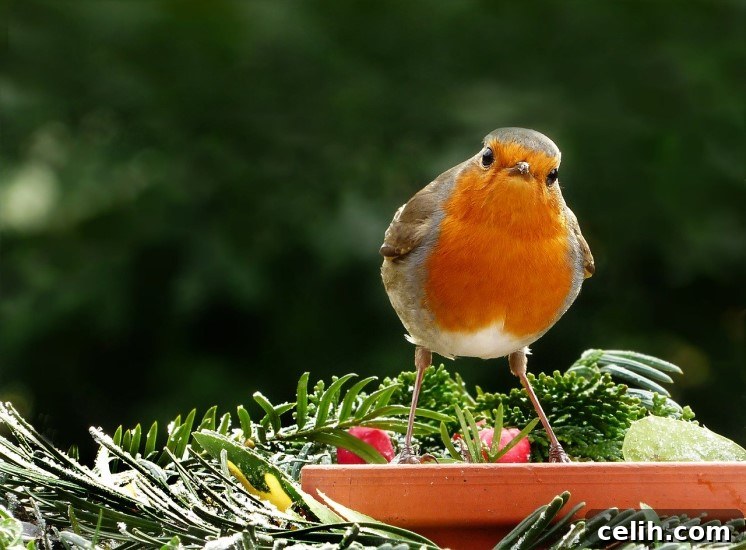
After what has felt like an enduring, chilly winter, the promise of spring is finally in the air! The days are noticeably stretching longer, the crisp weather is gently softening, and your garden, while perhaps a bit neglected, is poised for a magnificent resurgence. Although the peak planting season is still a little distance away, savvy gardeners know that early spring is a crucial time for preparation. So, pull on your sturdy wellies, don your gardening gloves, grab a warm coat, and step outside. There’s a rewarding bounty of tasks awaiting your attention, all designed to set the stage for a thriving, beautiful garden in the months to come.
Conquering Weeds: The First Strike Against Garden Intruders
While many plants lie dormant under winter’s blanket, weeds often march on, proving themselves to be incredibly resilient. As the weather hints at warmth, these tenacious invaders will be preparing for a massive growth spurt. Tackling them now, before they become deeply established and spread their seeds, is one of the most strategic moves you can make. Early weeding is significantly easier and more effective than battling a full-blown weed invasion later in the season. Focus on removing them by their roots to prevent regrowth. Tools like a garden fork, hoe, or even just your gloved hands can be highly effective. For larger areas, consider sheet mulching with cardboard and compost after weeding to suppress future weed growth and enrich your soil simultaneously. This proactive approach saves countless hours of laborious weeding down the line and allows your desired plants to flourish without competition for water, nutrients, and sunlight.
Groundwork for Growth: Essential Garden Bed Preparation
Once you’ve successfully dealt with the initial flush of winter weeds, take a comprehensive look at the condition of your garden beds. This is the ideal time for thorough preparation that will pay dividends throughout the growing season. Begin by removing any debris that has accumulated over winter – fallen leaves, twigs, stones, or broken plant stems. Rake the earth smooth, breaking up any large clods of soil and leveling the surface. Consider defining the edges of your lawn and garden beds for a neat, crisp appearance that enhances the overall aesthetic. If your soil needs enrichment, now is an excellent time to incorporate well-rotted compost or manure, gently digging it in to improve soil structure, fertility, and drainage. This foundational work will provide a nutrient-rich and well-aerated environment, crucial for robust plant growth. Furthermore, if you’ve been contemplating new garden structures, such as raised beds, the dormant season offers a perfect window for construction. Building raised beds now allows the soil to settle and integrate before planting commences. Don’t forget hardscaping – clean stone terraces, patios, and garden paths using a stiff brush or a pressure washer to remove winter grime, moss, and algae, making these outdoor living spaces ready for enjoyment.
Shed & Tool Revival: Essential Tidying and Maintenance
If your garden shed has been securely shut since late last summer, it’s high time to bravely venture inside – proceed with caution, as it might resemble a spider’s palace! Choose a dry day to open it up, pull everything out, and thoroughly inspect your gardening arsenal. This annual ritual is vital for ensuring your tools are in top condition for the busy season ahead. Check all gardening tools for signs of rust or damage. Clean off any dried soil or grime. Sharpen blades on pruning shears, loppers, and shovels; many local hardware shops offer sharpening services, or you can tackle it yourself with a file or sharpening stone. A well-maintained, sharp tool makes gardening tasks much easier and less strenuous. Lubricate moving parts on tools like secateurs to ensure smooth operation. Store tools properly to prevent rust – a light coat of oil can be beneficial. While you’re in there, give your garden furniture a good brush down; if it’s wooden, consider applying a fresh coat of oil or sealant to protect it from the elements and bring back its luster. Your shed might also have become a plant pot graveyard. It’s time for a ruthless cull: discard anything broken, flimsy, or too small for future use. Wash anything you’re keeping with warm, soapy water to remove soil and potential disease pathogens, ensuring they are pristine and ready for potting new plants. Organizing your shed with hooks, shelves, and containers will make it a more efficient and pleasant space to work in, saving you time searching for items later.
Strategic Pruning: Shaping for Health and Abundance
Late winter to early spring is an opportune moment for pruning many of your hardier plants. However, exercise caution with anything delicate, as late frosts remain a risk in many regions. Pruning now encourages vigorous new growth and abundant flowering. Plants that particularly benefit from a good tidy-up at this time include wisteria, ornamental grasses, fuchsias, and jasmine. Wisteria, for instance, benefits from its summer shoots being cut back to just a few buds, promoting more spectacular floral displays. Ornamental grasses can be cut back hard to the ground before new growth emerges, giving them a fresh start. Fuchsias can be pruned to shape and to encourage bushier growth. Jasmine, particularly winter-flowering varieties after they’ve bloomed, can be trimmed to manage its size and promote flowering on new wood. Established roses that may have missed their autumn pruning can also be addressed now. Remove any dead, diseased, or damaged wood, as well as crossing branches, to improve air circulation and light penetration, which are crucial for plant health. Always use clean, sharp pruning tools to make precise cuts that heal quickly, minimizing stress on the plant and preventing the entry of diseases. Remember to research the specific pruning needs of each plant, as techniques can vary widely.
Trimming Hedges and Climbers: Respecting Wildlife
With your shears already out for pruning, this is also an excellent moment to give deciduous hedges a quick, light trim. This ‘haircut’ will neaten their appearance and encourage denser growth as spring progresses. It’s crucial to complete any significant hedge trimming or cutting back before March, as this marks the beginning of the bird nesting season. Once birds start building nests, it is legally and ethically imperative to avoid disturbing them. Major cutting back should then be postponed until late summer or early autumn, typically after September, to ensure fledgling birds have left the nest. The same principle applies to aggressive climbers like ivy and Virginia creeper. Cutting back these plants now will help manage their vigorous growth and prevent them from consuming walls, fences, or other plants entirely. This early intervention is not only about aesthetics but also about maintaining the structural integrity of your property and providing necessary space for other garden inhabitants. Always check for any signs of nesting birds before you begin trimming, even if it’s before the official start of the nesting season.
Vision and Ventures: Garden Planning and Ordering
Beyond the physical labor, early spring is a prime time for strategic garden planning. This includes ordering any plants, seeds, or bulbs that require early spring planting. Reputable suppliers can offer expert advice on timing and variety selection, and you’ll typically find an excellent selection still available. If you’re planning to plant bare-root roses, for example, now is the perfect opportunity, provided the ground isn’t frozen solid or excessively waterlogged. Bare-root plants establish themselves well when planted in cooler, moist soil before they break dormancy. Take this opportunity to review your garden layout. Consider what worked well last year and what could be improved. Are there areas that need more color, less maintenance, or a different type of plant? This is also the ideal time to plan your vegetable garden, considering crop rotation to maintain soil health and prevent pest and disease build-up. Sketch out your planting scheme, research new varieties, and calculate seed quantities. Starting seeds indoors for vegetables and annual flowers is another rewarding activity that can begin now, giving you a head start on the growing season and often providing more cost-effective and unique plant options than buying seedlings later.
Nurturing Nature: Supporting Garden Wildlife
As the garden awakens, remember its smaller inhabitants. Wildlife, particularly birds, will soon be thinking about nesting and raising their young. They will still be immensely grateful for supplementary food sources during these colder, leaner weeks of early spring. Keep your bird feeders consistently topped up with high-energy options like suet pellets, black oil sunflower seeds, and nyjer seed. Beyond food, consider installing nesting boxes in secluded, sheltered spots, high enough off the ground to offer protection from predators like cats and squirrels. Ensure the opening size is appropriate for the types of birds you wish to attract. Providing a fresh water source, even a shallow bird bath, is also vital for drinking and bathing. A wildlife-friendly garden goes beyond birds; consider leaving a small patch of your garden a little wild, with some leaf litter or a log pile, to provide shelter for insects and other small creatures. Avoiding harsh chemical pesticides is another crucial step, as these can harm beneficial insects and the animals that feed on them. By actively supporting the local ecosystem, you not only contribute to biodiversity but also invite natural pest controllers and pollinators into your garden, creating a more balanced and vibrant environment.
The transition from winter to spring is a magical time in the garden, full of promise and renewal. By dedicating a bit of effort now to these crucial early spring tasks – from diligent weeding and bed preparation to tool maintenance, strategic pruning, and thoughtful planning – you are laying a robust foundation for a spectacularly healthy and beautiful garden. The satisfaction of a well-prepared garden, humming with life and ready to burst into bloom, is one of gardening’s greatest rewards. Embrace these early chores, and you’ll be well on your way to enjoying a vibrant outdoor space all season long. Spring is truly just around the corner!
Images: Pixabay