
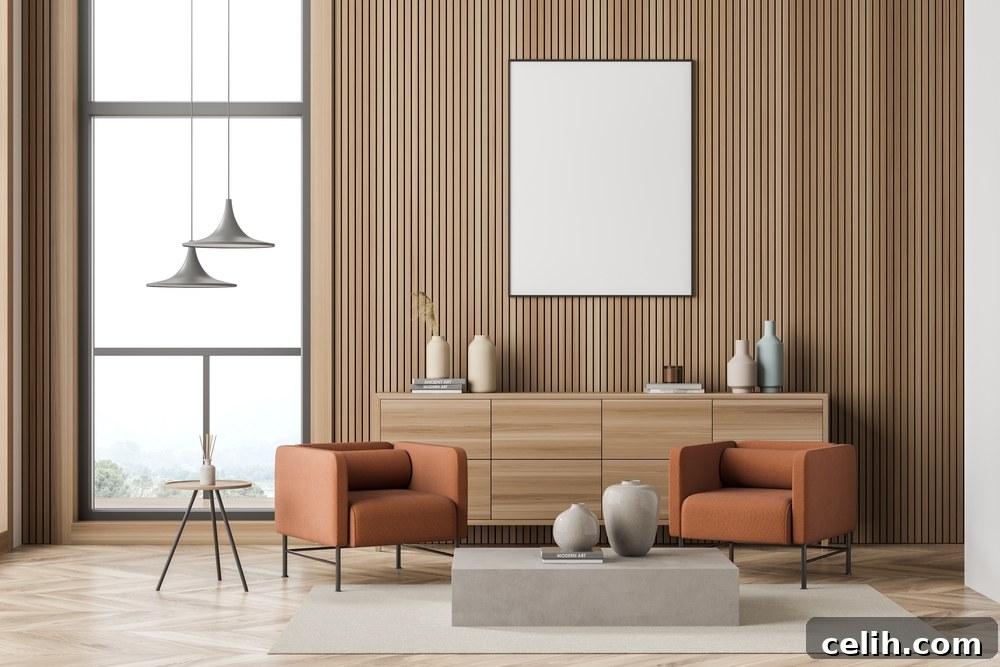
Wood paneling has long been celebrated as a quintessential element in interior design, offering a unique blend of timeless elegance and comforting warmth. Its rich grain patterns, diverse textures, and robust hues have the power to transform any space, imbuing it with character and a distinctive charm. If you’re envisioning a home makeover that not only elevates aesthetic appeal but also creates an inviting and serene atmosphere, then embracing the versatile beauty of wood paneling is an option well worth exploring.
The Enduring Allure of Wood Paneling in Modern Homes
Wood, a magnificent gift from nature, embodies beauty, functionality, and sustainability. Integrating this natural element into your interior design, particularly through wood wall panels, offers a myriad of benefits that extend far beyond mere aesthetics. It introduces a sense of harmony, peace, and natural connection, making your living spaces inherently more inviting, tranquil, and cosy. The tactile quality of wood adds depth and interest, encouraging a sensory experience within the home.
One of the most compelling advantages of wood paneling is its remarkable adaptability. Whether your design aspirations lean towards a rustic farmhouse charm, a stately traditional ambiance, a sleek modern minimalist look, or an eclectic blend of styles, wood paneling serves as a versatile canvas. It effortlessly conforms to diverse design palettes, providing a foundational element that can be stained, painted, or left natural to perfectly align with your desired aesthetic. This flexibility ensures that wood paneling remains a relevant and sought-after choice for any home renovation project.
Exploring the Diverse World of Wood Paneling Styles and Species
The realm of wood paneling is rich with variety, offering countless options to suit every taste and design vision. Each type of wood and paneling style contributes a distinct character and feel to a room, allowing for truly personalized interiors.
When it comes to wood species, the choices are abundant. Hardwoods like oak, walnut, and mahogany are renowned for their strength, durability, and deep, rich tones, which can instantly evoke a sense of opulence, grandeur, and timeless sophistication. These woods often feature intricate grain patterns that become focal points in a room. Conversely, softwoods such as pine, birch, and cedar offer a lighter, airier aesthetic, often accompanied by more subtle grain patterns and a characteristic fresh aroma. They are typically more budget-friendly and can be easily stained or painted to match any decor, making them ideal for creating bright and expansive-feeling spaces.
Beyond the inherent qualities of the wood itself, the style and arrangement of the panels dramatically influence a room’s atmosphere. Traditional tongue and groove paneling offers a classic, continuous surface, while shiplap paneling, with its distinctive overlapping boards and visible nickel gaps, creates a popular modern farmhouse or coastal aesthetic. Reclaimed wood paneling tells a unique story, bringing a rustic, textured, and eco-friendly element to any space. Geometric patterns or intricate herringbone designs offer a contemporary and artistic twist, transforming walls into dynamic art installations. Furthermore, the orientation of the panels – whether horizontally or vertically – can significantly alter the perceived dimensions of a room. Horizontal panels tend to make a space feel wider and more expansive, while vertical panels can create the illusion of higher ceilings, adding elegance and height. The thoughtful selection of wood type, paneling style, and orientation allows homeowners to meticulously craft the desired ambiance and spatial perception within their homes.
Crafting a Warm and Inviting Atmosphere with Wood Paneling
Achieving a truly warm and inviting atmosphere with wood paneling involves a harmonious interplay of several design elements. By thoughtfully considering each component, you can transform your space into a sanctuary of comfort and style.
1. Choosing the Right Wood Species and Finish
The foundation of a warm aesthetic begins with your wood selection. For a genuinely cosy and enveloping feeling, lean towards wood species known for their naturally warm tones, such as rich cherry, deep walnut, or classic mahogany. These woods inherently exude a comforting glow that can instantly make a room feel more intimate. The finish you choose is equally crucial. A glossy or semi-gloss finish can introduce a touch of refined elegance and sophistication, reflecting light to create a vibrant, polished look. Conversely, a matte or satin finish offers a more understated, relaxed, and rustic vibe, absorbing light to create a softer, more natural appearance. Consider also natural oil finishes that enhance the wood’s inherent beauty and texture without adding a heavy sheen, perfect for a truly organic feel.
2. Strategic Utilization of Wall Panels for Impact
Wood paneling doesn’t need to cover every wall to make a statement. Consider using wall panels to create a captivating feature wall. This strategic application allows you to incorporate the warmth and texture of wood paneling without overwhelming the space, especially in smaller rooms or those with abundant natural light. An accent wall behind your bed can instantly elevate a bedroom into a luxurious retreat, while a paneled wall behind a sofa or in a dining room can anchor the space and add architectural interest. In a study or home office, wood paneling can evoke a sense of tradition and focus. You might also explore wainscoting, which covers the lower portion of a wall, offering historical charm and protecting walls while allowing for painted or wallpapered surfaces above.
3. Harmonizing Wood Paneling with Thoughtful Lighting
The power of lighting to transform an interior is undeniable, and when combined with wood paneling, it can dramatically enhance the cosy factor. Opt for warm-toned light bulbs (typically 2700K-3000K colour temperature) throughout your home. These softer, yellowish lights complement the natural warmth of wood, creating an inviting glow. Layering your lighting with various sources – ambient, task, and accent lighting – is key. Consider incorporating floor lamps, table lamps, and wall sconces that cast warm light. Even better, invest in dimmable lights. Dimmers allow you to effortlessly adjust the ambience from bright and functional to soft and intimate, perfectly suiting different moods and occasions. Pendant lights with warm-toned shades can also add a decorative and functional touch.
4. Complementing Wood Paneling with Soft Furnishings and Textures
To truly balance the inherent solidity of wood and enhance the feeling of warmth, integrate a variety of soft furnishings and tactile textures. Materials like luxurious wool, plush velvet, soft linen, or inviting faux fur create a pleasing contrast that adds depth and comfort. Think about large area rugs, sumptuous throws draped over sofas, decorative pillows, and flowing curtains. Furthermore, selecting soft furnishings in rich, warm colours such as deep terracotta, emerald green, mustard yellow, or earthy browns can beautifully complement the natural hues of the wood paneling. These elements work together to tie the entire room’s design, making it feel cohesive, welcoming, and irresistibly comfortable.
Maintaining the Timeless Beauty of Your Wood Paneling
While wood paneling undoubtedly adds immense aesthetic value and character to your home, ensuring its longevity and retaining its vibrant appeal requires a degree of consistent maintenance. Fortunately, the care routines are generally straightforward and manageable for most homeowners.
For everyday upkeep, regular dusting is paramount to prevent dirt and grime from building up and dulling the wood’s finish. A soft, dry cloth or a microfibre duster will suffice. For more thorough cleaning, a mild detergent mixed with water, applied with a slightly damp cloth, can effectively remove smudges and dirt. Always ensure the cloth is wrung out well to avoid excess moisture, which can damage wood. After cleaning, promptly dry the surface with a clean, soft cloth to prevent water spots or moisture absorption. Avoid abrasive cleaners, harsh chemicals, or silicone-based products, as these can strip the finish or leave behind a residue.
For long-term preservation and to restore the wood’s original lustre, periodic refinishing may be necessary, particularly for panels in high-traffic areas or those exposed to wear and tear. This process typically involves light sanding, applying a fresh coat of stain (if desired), and sealing with a protective topcoat. The frequency of refinishing depends on the type of wood, its finish, and the level of exposure it receives. Beyond cleaning and refinishing, it’s crucial to protect your wood paneling from environmental factors. Direct and prolonged exposure to sunlight can cause wood to fade, discolour, or even dry out and crack over time. If your wood paneling is situated in a sun-drenched area, consider implementing window coverings such as blinds, curtains, or UV-filtering films to mitigate the harmful effects of ultraviolet rays. Maintaining a consistent humidity level within your home, ideally between 40-60%, is also beneficial, as extreme fluctuations can lead to warping or cracking of the wood. With mindful care, your wood paneling will continue to be a stunning feature in your home for many years.
The Resurgence of Wood Paneling in Contemporary Design
Far from being an outdated relic of the past, wood paneling has experienced a significant and well-deserved renaissance in contemporary interior design. The misconception that wood paneling is solely associated with dark, oppressive, and old-fashioned interiors has been thoroughly debunked. Today, designers and homeowners alike are embracing the inherent beauty and versatility of wood paneling to create fresh, modern, and utterly captivating spaces.
This renewed appreciation stems from innovative approaches to materials, finishes, and applications. New trends have emerged that offer exciting and stylish twists on traditional wood designs. For instance, geometric wood wall panels transform a flat surface into a three-dimensional work of art, adding architectural interest and a sense of movement to a room. The use of whitewashed or grey wood paneling has become immensely popular, offering a lighter, airier alternative to darker stains. These finishes provide the texture and warmth of wood while maintaining a bright, contemporary aesthetic that perfectly complements Scandinavian, coastal, or minimalist design schemes. Even in the most modern and avant-garde interiors, these unique styles of wood paneling can create an unexpected and delightful contrast, adding organic warmth against sleek, industrial elements. The ability to integrate LED strip lighting behind panels or to combine wood with other materials like metal and glass further highlights its adaptability in today’s dynamic design landscape, making wood paneling a truly forward-thinking choice for modern homes.
Wood Paneling: A Sustainable and Eco-Friendly Choice for Your Home
In an era increasingly defined by environmental consciousness and the urgent need for sustainable living, selecting materials for our homes that align with eco-friendly principles has become more important than ever. Wood paneling stands out as an exceptional choice in this regard, offering a compelling array of environmental benefits.
At its core, wood is a renewable resource. Many reputable wood panel manufacturers are deeply committed to responsible sourcing, obtaining their timber from sustainably managed forests. These forests adhere to strict ecological guidelines, ensuring that trees are harvested in a manner that preserves biodiversity, protects ecosystems, and allows for continuous regeneration. Look for certifications from organizations like the Forest Stewardship Council (FSC) or the Programme for the Endorsement of Forest Certification (PEFC), which guarantee that the wood products you choose come from environmentally and socially responsible sources. Furthermore, the market for reclaimed or recycled wood options is growing. Utilizing wood salvaged from old buildings, barns, or industrial structures not only prevents it from ending up in landfills but also reduces the demand for newly harvested timber, giving these materials a second life and imbuing your home with a unique sense of history and character.
Beyond its renewable nature, wood is a natural carbon sink, meaning it absorbs and stores carbon dioxide from the atmosphere throughout its life, even after being processed and installed in your home. This carbon sequestration contributes positively to reducing your home’s overall carbon footprint. Moreover, wood is a natural insulator, possessing excellent thermal and acoustic properties. When installed as wall paneling, it can significantly contribute to keeping your home warm during the colder months and cooler in the summer. This natural insulating quality potentially reduces your reliance on artificial heating and cooling systems, leading to lower energy consumption and, consequently, reduced utility bills. By making the conscious choice to embrace wood paneling, you are not only enhancing the aesthetic appeal and comfort of your living spaces but also making a tangible contribution towards a more sustainable and environmentally responsible way of life.
Conclusion: Embrace the Timeless Appeal of Wood Paneling
Embarking on a home makeover with wood paneling is an investment that promises to infuse your space with unparalleled warmth, distinctive charm, and enduring character. From carefully selecting the ideal type of wood and its accompanying finish to strategically incorporating warm lighting and luxurious soft furnishings, there are countless avenues to explore in crafting a truly cosy and inviting atmosphere. While it’s true that wood paneling requires a modest amount of upkeep to preserve its pristine appearance, the profound aesthetic value, tactile richness, and sustainable benefits it brings to your home far outweigh the effort. Moreover, its remarkable versatility ensures it can adapt to and enhance any design aesthetic, from rustic and traditional to sleek and ultra-modern. So, as you plan your next home renovation, consider the transformative power of wood wall panels. Embrace this timeless material and prepare to enjoy a beautifully designed, warm, and welcoming environment for many years to come.