
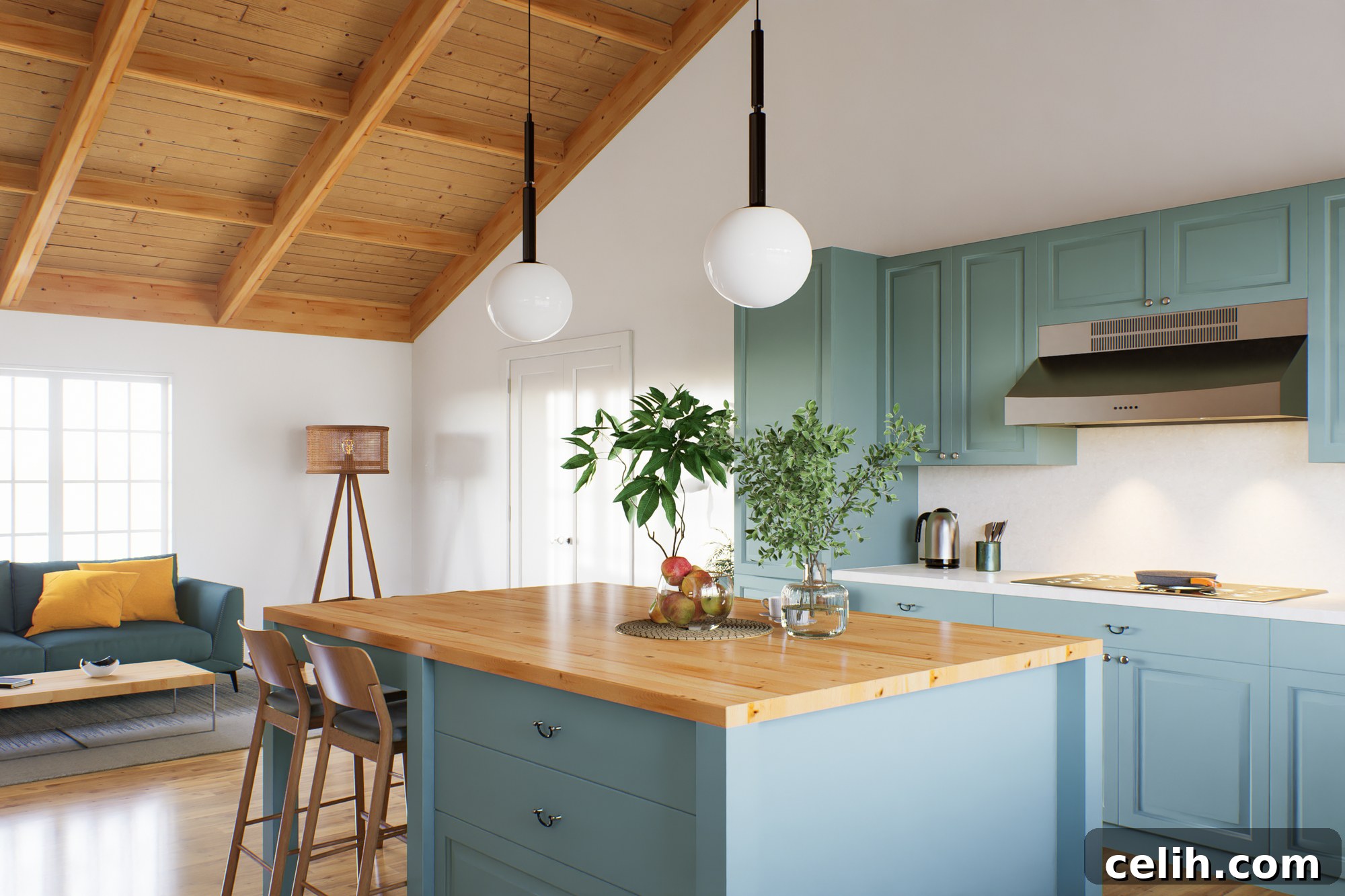
Creating a truly beautiful and comfortable home extends beyond mere aesthetics; it embraces a mindful approach that prioritizes both planetary well-being and personal health. In today’s design landscape, the most desirable spaces are often those thoughtfully crafted with intention, seamlessly blending sophisticated style with robust sustainability and smart, forward-thinking choices. The encouraging news for every homeowner is that achieving an eco-friendly sanctuary doesn’t necessitate an extravagant budget or a complete structural overhaul. By making a series of conscious, deliberate decisions, you can cultivate an environment that not only looks stunning and functions impeccably but also provides a profoundly healthier and more invigorating living experience for everyone under its roof.
Every single element within your home contributes to its overall character and impact, from the vibrant hues on your walls to the foundational materials beneath your feet. Opting for products and finishes that are free from harmful toxins and manufactured through environmentally responsible practices can dramatically elevate your home’s indoor air quality while significantly reducing its environmental footprint. Consider, for instance, the profound difference made by choosing low-VOC (Volatile Organic Compound) paints, which release fewer airborne chemicals, or integrating organic, sustainably sourced textiles. These thoughtful substitutions are key steps in avoiding exposure to harmful contaminants, thereby transforming your home into a safer, healthier haven for your entire family and future generations.
Join us as we explore a comprehensive guide on how smart, stylish, and sustainable choices can converge to transform your current dwelling into a modern, health-conscious sanctuary that truly reflects your values and vision for a better future.
1. Rethink Your Materials: The Foundation of Sustainable Design
The very composition of your home—the materials used in its construction and furnishing—is more critical than ever before. These fundamental choices not only dictate the aesthetic tone but also establish the bedrock of its sustainability profile. Moving beyond conventional options, modern design embraces innovative, earth-friendly materials that contribute to a healthier indoor environment and a reduced ecological impact.
Prioritize Materials That Are:
- Renewable and Rapidly Replenishable: Embrace the beauty and practicality of fast-growing resources such as bamboo, cork, and reclaimed wood. Bamboo, known for its incredible strength and rapid regeneration, makes an excellent choice for flooring, cabinetry, and even countertops. Cork, harvested from the bark of cork oak trees without harming the tree, offers natural insulation and a soft, resilient surface ideal for flooring. Reclaimed wood, salvaged from old barns, factories, or demolished buildings, carries a rich history and unique character, adding unparalleled warmth and depth to any space while preventing deforestation and reducing waste. These choices inherently minimize the depletion of natural resources.
- Recycled or Upcycled: Give new life to existing materials by opting for recycled or upcycled products. Metals like aluminum and steel, glass, and even reclaimed bricks can be creatively repurposed into stunning and durable design elements. Recycled content glass tiles, countertops made from recycled paper or plastic, and furniture crafted from salvaged industrial components are not only visually striking but also significantly reduce landfill waste and the energy required for virgin material production. Upcycling takes this a step further, transforming discarded items into new products of higher value or quality, adding a unique, artisanal touch to your home.
- Certified and Ethically Sourced: Always look for third-party certifications that verify environmental and health standards. For wood products, the Forest Stewardship Council (FSC) certification ensures that materials come from responsibly managed forests. For interior finishes and furnishings, labels like “Greenguard” or “Cradle to Cradle” signify products with low chemical emissions, contributing to superior indoor air quality and ensuring materials can be safely returned to the earth or reused indefinitely. These certifications provide peace of mind, knowing that your choices support responsible manufacturing and protect both the environment and human health.
Beyond their eco-credentials, natural materials often possess an inherent beauty and durability that allow them to age gracefully, developing a rich patina over time. They introduce a timeless, organic, and earthy feel to a home, connecting residents with the natural world. Furthermore, by consciously selecting these materials, you are actively supporting industries committed to responsible forestry, waste reduction, and healthier manufacturing processes, making a tangible difference in the global supply chain. The shift to sustainable materials is not merely a trend; it’s a fundamental movement towards healthier homes and a healthier planet, impacting everything from your living room’s aesthetic to your family’s daily wellness.
2. Energy Efficiency: The Epitome of Modern Chic
In contemporary design, intelligence and elegance are intrinsically linked. Sleek lines, minimalist aesthetics, and modern looks now go hand-in-hand with cutting-edge performance, particularly when it comes to energy consumption. An energy-efficient home is not just an environmental statement; it’s a smart financial decision and a hallmark of sophisticated living. Embracing energy-saving solutions means lower utility bills, a reduced carbon footprint, and a more comfortable living environment year-round.
Effortless Upgrades to Amplify Energy Efficiency Without Sacrificing Style:
- Transition to LED Lighting: This is arguably one of the simplest yet most impactful upgrades you can make. LED (Light Emitting Diode) bulbs consume up to 80% less energy than traditional incandescent bulbs and boast an impressively long lifespan, often lasting 25 times longer. Available in an astonishing array of color temperatures—from warm, inviting whites to crisp, energizing daylight tones—and countless styles, LED bulbs integrate seamlessly into any design scheme, from vintage chandeliers to sleek recessed fixtures. Many are also dimmable and compatible with smart home systems, allowing for customized ambiance and even greater energy savings.
- Install a Smart Thermostat: These intelligent devices are game-changers for climate control. Beyond simple programming, advanced smart thermostats utilize sensors, Wi-Fi connectivity, and even artificial intelligence to learn your daily habits and preferences, automatically adjusting temperatures to optimize energy usage when you’re away or asleep. Many models offer geofencing capabilities, initiating heating or cooling only when you’re approaching home. Remote control via smartphone apps provides unparalleled convenience, allowing you to manage your home’s climate from anywhere, ensuring comfort upon arrival and preventing energy waste when plans change.
- Invest in Energy-Efficient Appliances: When it’s time to replace old appliances, prioritize those bearing the ENERGY STAR label. This certification signifies that the product meets strict energy efficiency guidelines set by the U.S. Environmental Protection Agency. Modern energy-efficient refrigerators, dishwashers, washing machines, and ovens use significantly less electricity and water, translating to substantial long-term savings on utility bills. Furthermore, contemporary eco-friendly appliances are designed with aesthetics in mind, offering a wide range of sleek finishes like stainless steel, matte black, and custom paneling to complement any kitchen or laundry space beautifully, proving that high performance can also be high fashion.
The era of bulky, unattractive energy solutions is long past. Today’s innovative technologies are meticulously engineered to blend seamlessly into modern design palettes, enhancing your home’s visual appeal while delivering superior performance. Beyond the obvious financial benefits of reduced energy bills, upgrading to energy-efficient systems significantly curtails your household’s carbon emissions, contributing to cleaner air and a healthier planet. This makes energy efficiency a powerful statement of both style and environmental stewardship, solidifying its place as a cornerstone of modern, conscious living.
3. Water-Saving Fixtures That Don’t Compromise on Design
Water, a precious and increasingly scarce resource, demands our careful consideration. Conserving water within your home no longer means sacrificing comfort, luxury, or sophisticated style. Thanks to advancements in design and engineering, today’s plumbing fixtures are expertly crafted to deliver both exceptional performance and stunning visual appeal, helping you reduce consumption without compromise.
Stylish, Sustainable Water-Saving Options Include:
- Low-Flow Faucets and Showerheads: These fixtures represent a significant leap in water conservation technology. Utilizing advanced aeration and flow restriction techniques, modern low-flow showerheads provide an invigorating spray and ample pressure while using significantly less water per minute than older models. Similarly, low-flow faucets for kitchens and bathrooms reduce water usage without diminishing functionality. They are now available in an exquisite array of contemporary finishes, including the sleek matte black, the opulent brushed gold, and the timeless chrome, ensuring they complement any interior design scheme.
- Dual-Flush Toilets: A cornerstone of modern, water-efficient bathrooms, dual-flush toilets offer two distinct flushing options: a lower volume flush for liquid waste and a full-volume flush for solid waste. This innovative design can drastically reduce daily water consumption compared to single-flush models. Beyond their efficiency, contemporary dual-flush toilets boast clean lines and often a minimalist aesthetic, making them a stylish addition to any modern bathroom renovation. They are an elegant solution that combines environmental responsibility with enhanced functionality.
- Smart Irrigation Systems: For homeowners with gardens or lawns, a smart irrigation system is an indispensable tool for water conservation. These advanced systems go far beyond simple timers. Equipped with moisture sensors that assess soil conditions, integrated weather data analysis, and even rain sensors, they automatically adjust watering schedules based on actual need. This prevents overwatering, minimizes runoff, and ensures that plants receive precisely the right amount of hydration, dramatically reducing water waste and promoting healthier landscapes. Many systems can also be controlled remotely via smartphone apps, offering convenience and unparalleled control.
By thoughtfully upgrading your home’s fixtures, you’re making a tangible impact on water conservation and simultaneously elevating your living spaces with minimal effort. These modern solutions offer a blend of cutting-edge technology, sophisticated design, and a profound commitment to environmental stewardship, proving that responsible living can be both beautiful and convenient. Each drop saved contributes to a larger effort, securing this vital resource for future generations while enhancing the efficiency and comfort of your home today.
4. Go Local, Go Natural: Cultivating Authentic Spaces
One of the most impactful and uniquely stylish ways to embrace sustainability in your home is through localized sourcing. By choosing materials, furnishings, and decor items produced closer to home, you not only make a significant stride in reducing transportation emissions but also actively support your local economy, artisans, and community. This approach fosters a unique sense of place and authenticity in your interiors, making your home feel more connected to its surroundings.
Inspiring Ideas to Infuse Local Flair into Your Home:
- Local Artwork and Ceramics: Seek out galleries, studios, and craft fairs to discover the talent within your community. Unique paintings, sculptures, and handcrafted ceramic pieces add unparalleled personal touches and tell a story that mass-produced items simply cannot. These pieces often reflect the local culture, landscape, or artistic traditions, bringing a distinctive character and soul to your walls and surfaces.
- Handmade or Locally Sourced Furniture: Invest in furniture crafted by local woodworkers, upholsterers, or designers. These unique pieces are often built with superior craftsmanship and attention to detail, leading to greater durability and a longer lifespan. Unlike disposable mass-market furniture, locally made pieces often use sustainably harvested wood or reclaimed materials and are designed to age beautifully, becoming cherished heirlooms rather than landfill fodder. Supporting local furniture makers also reduces the carbon footprint associated with shipping bulky items across continents.
- Native Plants for Landscaping: When designing your outdoor spaces or even choosing indoor plants for an authentic local touch, prioritize native species. These plants are inherently adapted to your region’s climate, soil conditions, and rainfall patterns. As a result, they require less water, fertilizers, and pesticides to thrive, making them incredibly low-maintenance and eco-friendly. Native plants also provide essential habitat and food sources for local wildlife, supporting biodiversity right in your backyard. Consult local nurseries or botanical gardens for recommendations tailored to your specific area.
Beyond the undeniable environmental advantages of reducing your carbon footprint, embracing local and natural sourcing imbues your home with an invaluable sense of authenticity and belonging. Each item becomes a conversation starter, a piece with history and provenance, fostering a deeper connection to your community and the environment. This conscious approach to design enriches your living space, making it not just aesthetically pleasing but also a true reflection of your values and commitment to sustainable living.
5. Bring Nature Inside: The Power of Biophilic Design
The profound connection between our indoor environments and the natural world has never been more relevant. Biophilic design, a transformative trend focused on integrating elements of nature into man-made spaces, offers a powerful pathway to boost not only the aesthetic appeal of your home but also the overall health and well-being of its occupants. This approach taps into our innate human desire to connect with nature, promoting a sense of calm, increased productivity, and improved air quality.
Intentional Ways to Invite Nature’s Serenity into Your Home:
- Embrace Houseplants: More than just decorative accents, houseplants are living elements that significantly enhance any space. From the grand stature of a fiddle-leaf fig or a majestic monstera to the elegant trailing vines of pothos or a delicate fern, plants actively purify the air by absorbing toxins and releasing oxygen. They introduce vibrant color, organic textures, and a calming presence, helping to reduce stress and boost mood. Strategically placed plants can also create natural room dividers, add visual interest, and soften harsh architectural lines.
- Maximize Natural Light: Abundant natural light is a cornerstone of biophilic design, impacting everything from our circadian rhythms to our sense of spaciousness. Optimize your windows by using sheer curtains or blinds that allow diffused light to enter, or opt for no window coverings where privacy isn’t an issue. Consider lighter-colored paints and reflective surfaces, such as mirrors, to bounce sunlight deeper into rooms, making spaces feel larger, brighter, and more inviting. Proper daylighting reduces the need for artificial lighting, saving energy and creating a more uplifting atmosphere.
- Integrate Natural Materials: Introduce the warmth, texture, and authenticity of natural materials throughout your home. Incorporate unsealed stone, various species of wood (reclaimed or sustainably sourced), soft wool rugs, crisp linen draperies, and breathable cotton upholstery wherever possible. These materials engage our senses, providing tactile experiences and a visual connection to the earth. Their organic variations and imperfections add character and a sense of grounding, contributing to a truly calming and harmonious environment that feels both sophisticated and inherently comfortable.
Even the simplest gestures can make a profound difference. A vase brimming with fresh seasonal flowers, a beautifully carved wooden bowl filled with vibrant seasonal fruit, or a soft, natural fiber rug underfoot can instantly transform the ambiance of a room. These small, yet impactful, nature-inspired elements are instrumental in creating a sense of harmony and peace within your home. They cultivate a space where you can genuinely relax, recharge your spirit, and feel profoundly grounded, connected to the enduring beauty of the natural world. Homes that thoughtfully embrace these natural elements invariably feel more welcoming, balanced, and vibrantly alive.
Conclusion: Every Intentional Choice Shapes Your Sanctuary
Crafting a truly stylish and enduring home in the modern era transcends the fleeting pursuit of trends; it represents a deeper commitment to making thoughtful, value-driven choices that resonate with your personal ethos. By consciously focusing on sustainable materials, optimizing for energy efficiency, embracing diligent water conservation, and fostering a strong, palpable connection to nature through biophilic principles, you are not merely decorating a house. Instead, you are meticulously building a home that is not only visually breathtaking but also fundamentally healthier to inhabit and unequivocally kinder to our precious planet.
The most compelling aspect of these smart and sustainable transformations is their multifaceted benefits. Far from being mere expenses, these upgrades often lead to significant long-term financial savings through reduced utility bills and lower maintenance costs. Beyond the economic advantages, they dramatically enhance your daily comfort, contributing to a sense of well-being and tranquility that permeates every corner of your living space. Furthermore, a home thoughtfully designed with sustainability in mind naturally cultivates a unique, modern aesthetic that possesses an inherent timelessness and stands out with understated elegance. Ultimately, truly stylish homes are not merely the product of meticulous design; they are the profound result of deep consideration, informed decisions, and a heartfelt commitment to a better way of living.