
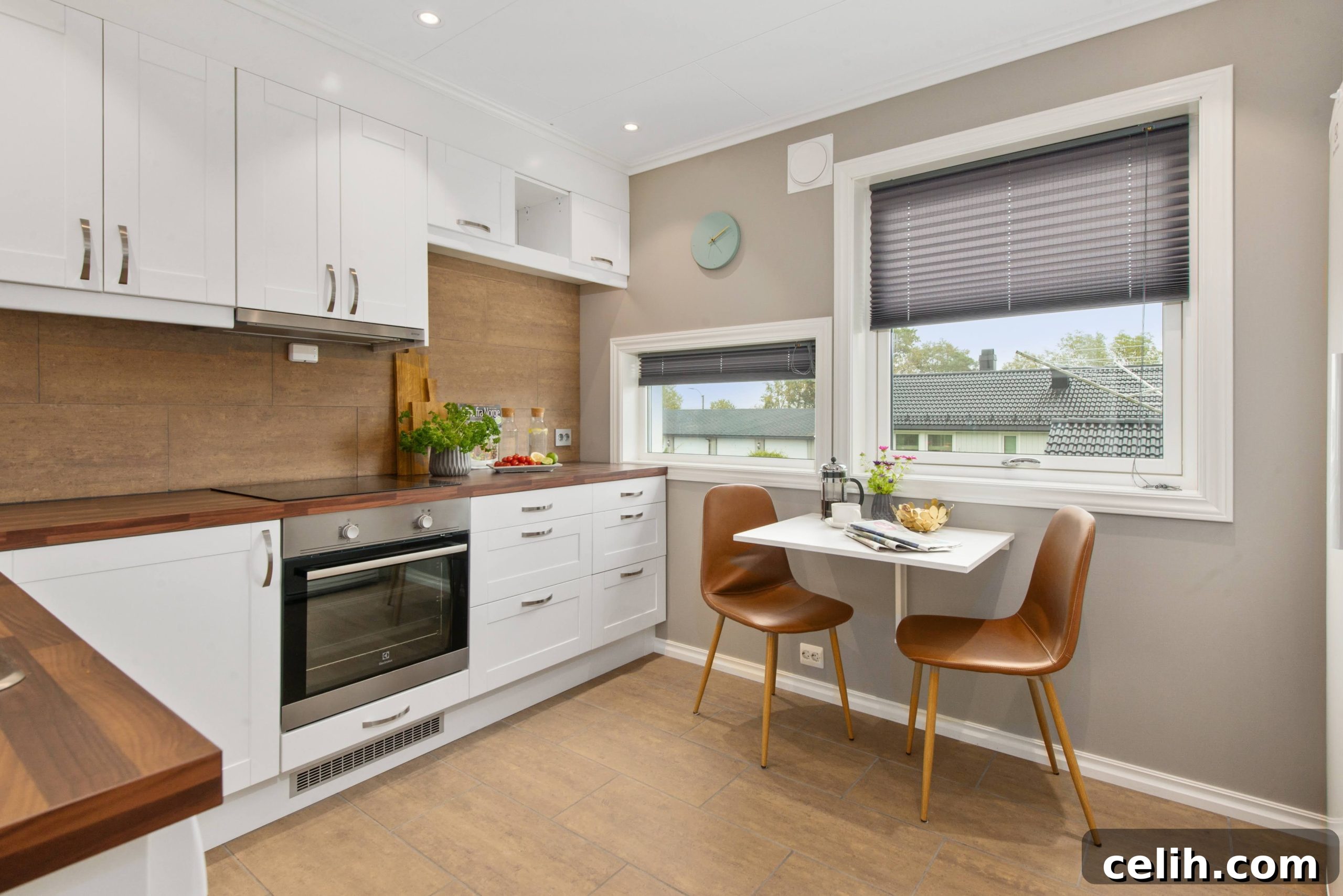
Transforming your home with new flooring is one of the most impactful upgrades you can make. When exploring your options, few choices offer the compelling blend of beauty, performance, and value that engineered oak flooring provides. Far more than just another type of wood floor, engineered oak represents a smart, durable, and aesthetically pleasing solution for virtually any room in your house.
Unlike solid wood, which is cut from a single piece of timber, engineered wood is a marvel of modern manufacturing. It comprises multiple layers, typically ranging from three to over ten, bonded together to create a highly stable and resilient plank. The core is usually made from high-density fibreboard (HDF) or multi-plywood, arranged in a cross-grain pattern to enhance stability. Capping this robust core is a layer of genuine oak, showcasing the natural beauty of the wood. This innovative construction results in a product that combines the authentic charm of solid oak with superior practical benefits. Discover why engineered oak flooring is quickly becoming the go-to choice for discerning homeowners.
1. Exceptional Durability and Unrivalled Stability
One of the foremost reasons for the immense popularity of engineered oak flooring lies in its impressive durability and stability. Its multi-layered construction is the secret to its resilience. Each layer is glued together in opposing directions, creating a core that is incredibly resistant to the natural expansion and contraction common in solid wood floors. This inherent stability ensures that your floor will maintain its integrity and beautiful appearance for many years, even decades, making it a sound long-term investment for your property.
The robust composition of engineered oak flooring makes it suitable for a wide array of environments within your home, including those typically considered challenging for traditional wood. High-traffic areas such as hallways, living rooms, and even busy kitchens are perfect candidates for this durable flooring solution. Unlike some wooden floors that can be susceptible to warping or gapping when exposed to changes in humidity, engineered oak is specifically designed to withstand these fluctuations. Its construction significantly reduces the risk of moisture-related issues, making it a more forgiving option for areas where spills or atmospheric moisture might be a concern. This enhanced stability and durability mean you can enjoy the luxurious feel and look of real oak without constant worry, providing peace of mind and a consistently beautiful floor.
2. The Cost-Effective Pathway to Luxury
Achieving a high-end interior design on a budget can often feel like a challenge, but engineered oak flooring offers an elegant solution. It stands out as one of the most cost-effective premium flooring options available today. While solid hardwood options like maple or exotic species can command a significant price tag, engineered oak provides the same stunning aesthetic of real wood at a more accessible cost. This is primarily because it uses less solid oak timber in its construction, combining a beautiful oak veneer with a high-performance core material.
The economic benefits extend beyond the initial purchase price. The ease of installation, often achievable as a DIY project with click-lock systems, can further reduce overall costs by saving on professional labour. Furthermore, the inherent durability and resistance to warping mean fewer repair costs over its lifespan compared to less stable alternatives. By choosing engineered oak, you’re not just saving money; you’re making a smart investment that enhances the value and appeal of your home without compromising on style or quality. It allows homeowners to upgrade their living spaces with the timeless beauty of oak, all while adhering to a sensible budget.
3. Resilient Against Warping, Cupping, and Gapping
One of the most significant advantages of choosing engineered oak flooring, particularly when compared to solid hardwood, is its exceptional resistance to the common issues of warping, cupping, and gapping. The genius lies in its multi-layered design. Each ply within the core is oriented in an opposing direction to its adjacent layer, effectively cancelling out the natural tendency of wood to expand and contract with changes in ambient humidity and temperature. This innovative construction creates a far more dimensionally stable product.
In environments where humidity fluctuates dramatically, such as basements, conservatories, or homes in varying climates, solid wood can be prone to bowing, cupping, or developing unsightly gaps between planks. Engineered oak flooring, however, largely mitigates these risks, maintaining a flat and uniform surface. This inherent stability also makes it an ideal choice for use with underfloor heating systems, which can be problematic for solid wood due to the direct and consistent heat exposure. The cross-ply construction allows engineered oak to better manage the thermal stress, ensuring your floor remains beautiful and functional. This superior resistance not only protects your investment but also ensures that your floor remains stunning and structurally sound for decades to come, demanding less fuss and offering greater peace of mind.
4. A Spectrum of Styles: Sizes, Species, and Finishes
Engineered oak flooring offers an incredible array of choices, allowing homeowners to perfectly match their personal style and interior design aesthetic. Far from a one-size-fits-all product, it comes in a vast selection of sizes, wood species variations, and finishes, ensuring there’s an option to complement any décor. Plank widths can vary dramatically, from narrow strips creating a classic, refined look to wide boards that deliver a contemporary, expansive feel. Similarly, lengths range from traditional short planks to extra-long boards that minimize seams and enhance the sense of space. The thickness of the wear layer, which is the actual oak veneer, also varies, impacting the potential for future refinishing and the overall lifespan of the floor.
Beyond dimensions, engineered oak is available in different grades, from prime grade with minimal knots and uniform colour, to rustic grade showcasing pronounced knots and rich character marks. The choice of finish further enhances its versatility:
- Lacquered finishes offer a durable, low-maintenance surface with a subtle sheen.
- Oiled finishes penetrate the wood, enhancing its natural texture and allowing for easy spot repairs.
- Brushed finishes expose the wood grain, creating a tactile and authentic feel.
- Smoked or fumed oak introduces deeper, richer tones for a distinctive aesthetic.
This extensive variety means you can select an engineered oak floor that perfectly captures your vision, whether you’re aiming for a sleek modern look, a warm traditional ambiance, or a charming rustic appeal. Before making your final purchase, remember that reputable engineered oak flooring products typically come with a comprehensive warranty, providing additional assurance in your investment.
5. Seamless Integration with Underfloor Heating Systems
For modern homes seeking comfort and energy efficiency, underfloor heating systems have become a highly sought-after feature. However, many traditional flooring materials, especially solid wood, struggle to cope with the fluctuating temperatures and consistent dry heat these systems produce. This is where engineered oak flooring truly shines. Its superior dimensional stability, achieved through its multi-layered, cross-ply construction, makes it an ideal companion for underfloor heating.
The design of engineered oak significantly reduces the risk of warping, cupping, or gapping that can occur when solid wood is subjected to heat from below. The multiple layers resist movement, ensuring your floor remains flat and beautiful, even as your heating system cycles through various temperatures. This compatibility not only allows you to enjoy the luxurious warmth radiating from your floor but also ensures the longevity and integrity of your flooring investment. It means you don’t have to compromise on the sophisticated look of real oak to achieve the ultimate in home comfort and modern heating solutions.
6. Enhanced Sustainability and Environmental Responsibility
In an era of increasing environmental consciousness, engineered oak flooring presents a more sustainable choice compared to its solid wood counterpart. The manufacturing process of engineered wood is designed to maximize the use of timber resources. While solid oak floors require thick planks cut from mature trees, engineered oak flooring utilizes a thin, beautiful veneer of oak over a core of faster-growing or recycled wood products. This means significantly less old-growth timber is consumed per square meter of flooring produced.
Many manufacturers are committed to sourcing their wood from sustainably managed forests, often certified by organizations like the Forest Stewardship Council (FSC). Furthermore, the core layers often consist of plywood or HDF, which can be made from rapidly renewable materials or wood by-products that might otherwise go to waste. Choosing engineered oak flooring not only brings the timeless elegance of real wood into your home but also allows you to make an environmentally responsible decision, contributing to the preservation of natural forests and promoting sustainable forestry practices. It’s a choice that feels good, both underfoot and in conscience.
7. Simplified Maintenance for a Lasting Luster
Maintaining the pristine condition of your engineered oak flooring is surprisingly straightforward, making it an excellent choice for busy households seeking both beauty and practicality. Thanks to its durable finishes and stable construction, engineered oak requires far less intensive care than some other flooring types. Regular cleaning involves little more than a quick sweep or vacuum to remove dust and debris, preventing any abrasive particles from scratching the surface. For deeper cleaning, a slightly damp mop with a pH-neutral wood floor cleaner is usually all that’s needed to restore its natural sheen.
Unlike solid wood, which can be more sensitive to moisture and prone to movement, engineered oak’s inherent stability reduces the likelihood of gaps or cracks that can trap dirt and become difficult to clean. Its robust wear layer is designed to resist daily wear and tear, and many modern finishes offer enhanced protection against spills and minor scuffs. While it’s always wise to wipe up spills promptly and use protective pads under furniture, the overall maintenance regimen for engineered oak flooring is designed for simplicity, allowing you to spend less time on upkeep and more time enjoying the warmth and elegance it brings to your home. With proper care, your engineered oak floor will retain its stunning appearance and luxurious feel for many years.
Conclusion: The Intelligent Choice for Modern Homes
In summary, engineered oak flooring stands out as an exceptional choice for any homeowner looking to upgrade their living space. It masterfully combines the timeless beauty and natural elegance of real oak with advanced structural stability and practical benefits. From its remarkable durability and resistance to environmental fluctuations to its cost-effectiveness and versatile design options, engineered oak offers a compelling package that few other flooring materials can match.
Its ability to thrive in challenging areas like kitchens and basements, seamless compatibility with underfloor heating, and its more sustainable profile make it a superior alternative to traditional solid wood. Whether you’re embarking on a full home renovation or simply refreshing a single room, opting for engineered oak flooring means investing in a floor that is not only stunning to look at but also built to last, providing comfort, style, and value for decades to come. Make the intelligent choice for your home and discover the lasting appeal of engineered oak.
Featured image credit: Photo by Rune Enstad on Unsplash