
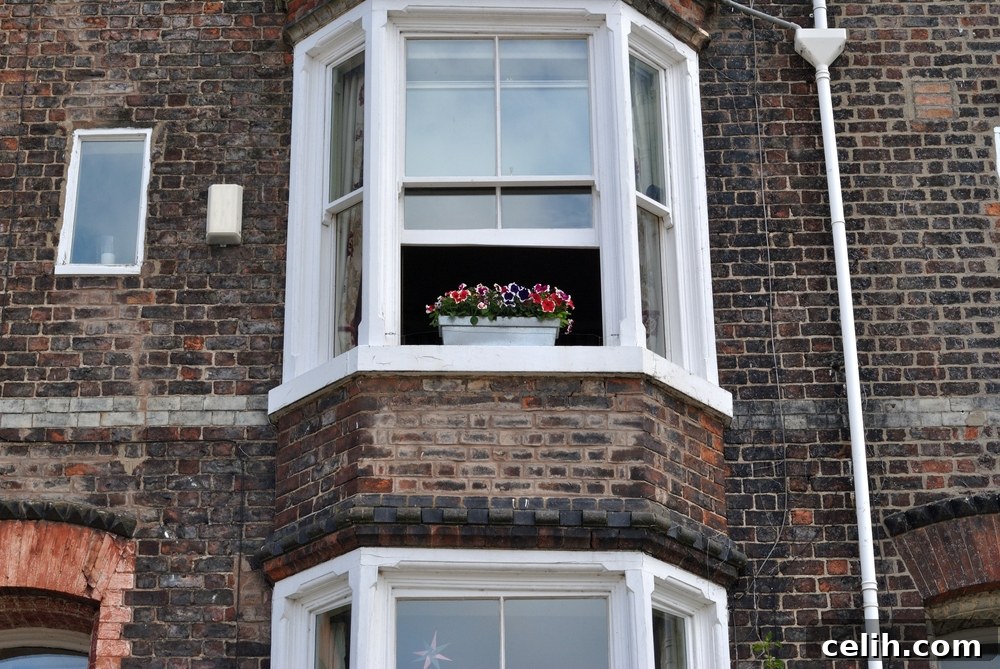
Sliding sash windows possess a timeless elegance that has captivated homeowners for centuries. Their distinctive vertical opening mechanism and classic aesthetic make them a highly sought-after feature, particularly in period properties and homes aiming for a traditional look. However, the charm of these heritage windows often comes with a significant drawback: their inherent predisposition to draughts and, consequently, lower energy efficiency compared to modern window designs.
As homeowners increasingly prioritize comfort, sustainability, and reduced energy bills, addressing the thermal performance of sliding sash windows has become a crucial concern. This comprehensive guide will explore various effective strategies to eliminate draughts and significantly boost the energy efficiency of your sash windows, ensuring your home remains warm, cosy, and cost-effective throughout the colder months.
Understanding Sliding Sash Windows: A Blend of History and Craftsmanship
Sliding sash windows are a classic type of window characterized by one or more movable panels, known as sashes, which typically slide vertically within a frame. Unlike hinged windows that swing outwards or inwards, sash windows operate by the vertical movement of these sashes, usually with one sash positioned in front of the other. This ingenious design, often complemented by a system of weights and pulleys concealed within the frame, allows the sashes to glide smoothly up and down without interfering with each other or external elements.
These windows are predominantly set within timber frames, with precisely crafted grooves that facilitate the effortless movement of the sashes. Their absence of hinges and outward swing is a defining characteristic, making them not only practical for ventilation but also ideal for properties where exterior space is limited or where a flush exterior appearance is desired. Sliding sash windows have enjoyed enduring popularity, particularly for their ability to add a distinctive, historical charm to traditional, Victorian, Georgian, or other period properties. They are not merely functional components but significant architectural features that contribute to the overall character and heritage of a building.
Confronting the Challenge: Why Traditional Sash Windows Are Draughty
The very design elements that give traditional sash windows their charm can also be their biggest weakness in terms of energy efficiency. Over time, the timber frames can warp or shrink, leading to gaps between the sashes and the frame. The inherent nature of the sliding mechanism, requiring small clearances for movement, also creates potential avenues for air infiltration. Furthermore, many older sash windows are single-glazed, offering minimal insulation against heat loss. This combination of structural gaps and poor thermal performance means that precious heat escapes during winter, and cool air seeps out in summer, leading to uncomfortable interiors and unnecessarily high heating or cooling bills.
Addressing these issues is not just about comfort; it’s about preserving the integrity of your home, reducing your environmental footprint, and making a sound financial investment in your property’s future. Fortunately, several effective solutions exist to mitigate these challenges without compromising the aesthetic appeal of your beloved sash windows.
Effective Draught Proofing for Sash Windows
Draught proofing is often the most straightforward and cost-effective first step in improving the thermal performance of sliding sash windows. Many professional sash window specialists offer draught proofing as part of new installations or as a standalone service for existing windows. This service is highly recommended, as un-draught-proofed windows can allow a significant amount of cold air to infiltrate your home, drastically reducing room temperatures and negating any efforts to heat your property efficiently.
The draught proofing process typically involves creating an airtight seal around each frame and window sash, effectively blocking the common points of air leakage. This can be achieved through various methods, including the installation of discreet brush piles, weatherstripping, or specialist sealing systems. These solutions are designed to minimize air movement while still allowing the sashes to operate smoothly. Properly executed draught proofing can dramatically reduce heat loss, with estimates suggesting potential savings of around £50 per year on heating bills. Over time, these savings accumulate, making draught proofing a wise investment that pays for itself. Beyond energy savings, draught proofing also offers benefits such as reduced dust ingress and improved noise insulation, contributing to a more comfortable and quieter home environment. It acts as an excellent sliding sash window draught excluder, enhancing comfort and efficiency simultaneously.
Harnessing the Power of Curtains and Blinds for Sash Windows
Even if you’ve already draught-proofed your sash windows, or if you’re looking for an additional layer of insulation and style, curtains and blinds offer an effective and aesthetically pleasing solution. They create a physical barrier between the window and the room, trapping a layer of air that acts as an insulator and significantly reducing the amount of cold air that can penetrate your living space. This helps maintain a more stable and comfortable indoor temperature.
For maximum effectiveness against draughts and heat loss from timber sash windows, opt for curtains made from thick, heavy fabrics such as velvet, wool, or those specifically designed with a thermal lining. Thermal-lined curtains are particularly beneficial as they are constructed with multiple layers that enhance their insulating properties. Similarly, cellular or honeycomb blinds are excellent choices due to their unique structure that traps air within their cells, providing superior insulation. When selecting curtains, ensure they are wide enough to cover the entire window recess and long enough to reach the windowsill or even the floor. This minimizes gaps where cold air can still enter. During the warmer summer months, these substantial window coverings can easily be tied back or opened to allow light and air in, adapting to seasonal needs while contributing to your home’s overall decor.
The Transformative Power of Double Glazed Sash Windows
For a truly significant improvement in energy efficiency and comfort, upgrading to double glazed sliding sash windows is often the ultimate solution. While older properties typically feature single glazed sash windows – a standard practice before stricter building regulations – modern advancements now allow for double glazing that respects the original aesthetic. This upgrade addresses the fundamental weakness of single glazing, which offers minimal resistance to heat transfer.
Today, the market offers a diverse range of double glazed sash window options designed to meet various needs and architectural requirements. Standard fixed secondary double glazed sash windows consist of an additional pane of glass installed internally, creating a sealed cavity. This system significantly improves draught proofing and thermal insulation. Beyond this, several integrated double glazing options are available:
- Standard Double Glazing: Features two panes of glass separated by a sealed air or gas-filled cavity. This provides a substantial improvement over single glazing in terms of thermal performance and noise reduction.
- Slimline Double Glazing: Specifically designed for period properties or conservation areas where maintaining the original sash profile is crucial. The gap between the two panes is much smaller, allowing the unit to fit within existing narrow timber sashes or replicate the delicate appearance of traditional windows more accurately. Despite the reduced gap, they still offer vastly superior insulation compared to single glazing.
- Vacuum Double Glazing (VIG): Represents the pinnacle of energy efficiency. In this innovative design, the cavity between the two panes of glass is a vacuum. This eliminates heat transfer by convection and conduction, making the unit exceptionally thin yet incredibly thermally efficient. VIG offers the best performance in terms of heat retention and noise reduction, often surpassing standard double glazing.
If budget is a primary concern or a rapid, temporary fix is needed, temporary double glazing can be a viable alternative. This often involves attaching a clear plastic film to the interior window frame using magnets or adhesive strips. While it can be fitted as a DIY job and offers a cheaper, quick solution, its main drawback is its temporary nature and often limited effectiveness compared to permanent double glazing. It may not provide the long-term draught proofing or thermal performance required for enduring comfort.
Comprehensive Benefits of Upgrading to Double Glazed Sash Windows
While the decision to upgrade to double glazed sash windows can involve a significant investment and some disruption, the long-term benefits far outweigh the initial challenges. This upgrade transforms not just the comfort but also the value and functionality of your home:
- Significantly Lower Heating Bills: By reducing heat loss through the windows, double glazing dramatically cuts down the energy required to heat your home, leading to substantial savings on utility bills over the years. This improved thermal efficiency is measured by lower U-values.
- Elimination of Draughts: The sealed units and improved fitting techniques of double glazed sashes completely block the entry of cold air, ensuring a consistently warm and comfortable indoor environment.
- Enhanced Security: Modern double glazed units often incorporate multi-point locking systems and stronger glass, making your home significantly more secure against intruders.
- Reduced Window Condensation: Double glazing keeps the inner pane of glass warmer, preventing condensation from forming when warm, moist indoor air comes into contact with a cold surface. This helps prevent dampness and mould growth.
- Superior Noise Proofing: The air or vacuum gap between the panes acts as a barrier, significantly dampening external noise, providing a quieter and more peaceful living space.
- Improved Thermal Efficiency: Beyond just blocking draughts, double glazing acts as an excellent insulator, maintaining comfortable temperatures year-round by keeping heat in during winter and out during summer.
- Aesthetic Enhancement: If your current single glazed wooden sash windows are showing signs of age, new double glazed units, meticulously crafted to replicate original designs, will refresh and enhance both the interior and exterior appearance of your home, potentially increasing its market value.
- Increased Property Value: Energy-efficient windows are a major selling point and can significantly boost the resale value of your property.
Exploring the Diversity of Sash Window Frame Materials
Historically, sash window frames were almost exclusively crafted from wood or timber. Various types of wood were utilized, with hardwoods like oak being particularly favoured for their strength, durability, and beautiful grain. Properly made wooden sash window frames not only offer excellent structural integrity but also age gracefully, contributing to the authentic character of older properties. The appeal of timber lies in its natural insulation properties and its ability to be repaired and repainted, extending its lifespan considerably.
However, modern advancements in materials science have introduced several alternative frame options, each with its own set of advantages:
- uPVC Sash Window Frames: An increasingly popular alternative to traditional wood, uPVC (unplasticized polyvinyl chloride) frames are made from durable plastic. They are celebrated for their low maintenance requirements – never needing painting or staining – and their excellent thermal insulation properties. uPVC sash windows are available in a wide array of colours, from crisp white to realistic wood-effect finishes, allowing them to blend seamlessly with various architectural styles. They are typically the most affordable option among modern frame materials, making them accessible to a broader range of budgets.
- Aluminium Sash Window Frames: For those seeking a contemporary aesthetic combined with exceptional strength, aluminium sash windows are an excellent choice. Aluminium frames allow for very slim profiles, maximizing glass area and light ingress, making them suitable for modern architectural designs. They are highly durable, resistant to corrosion, and boast a long lifespan. Furthermore, aluminium is fully recyclable, appealing to environmentally conscious homeowners. While generally more expensive than uPVC, their sleek appearance and robust performance justify the investment.
- Timber Sash Window Frames: Modern timber sash windows continue to be available, often manufactured using advanced techniques that improve their thermal performance and longevity. High-quality timber, especially from sustainably sourced hardwoods, remains a premium choice. While they tend to be the most expensive option initially, their natural beauty, superior insulation (when properly maintained), and potential for long-term repair and restoration make them a worthwhile investment for those prioritizing authenticity and environmental considerations.
- Composite Sash Window Frames: A newer option, composite frames combine the best attributes of different materials. For example, they might feature a timber interior for a natural aesthetic and a low-maintenance, weather-resistant exterior (like aluminium or uPVC). These frames offer excellent thermal performance and durability, often at a higher price point due to their advanced construction.
When choosing a frame material, it’s essential to consider not only the upfront cost but also long-term maintenance, desired aesthetic, energy performance, and the architectural style of your home. Each material offers a unique balance of these factors.
Summary: Embracing Modern Efficiency with Timeless Style
Sliding sash windows are an integral part of the architectural heritage of many homes, particularly older and period properties, contributing significantly to their unique style and design. While the desire to preserve original features is understandable, traditional single glazed sash windows often fall short in terms of energy efficiency, leading to significant heat loss and uncomfortable draughts. If draught proofing your home and enhancing its energy performance are priorities, a range of effective solutions is available.
From strategic draught proofing measures and the intelligent use of thermal curtains and blinds, to the transformative upgrade of double glazing in its various forms (standard, slimline, or vacuum), homeowners now have ample choices to improve comfort and reduce energy consumption. Furthermore, the selection of frame materials, including traditional timber, cost-effective uPVC, sleek aluminium, or advanced composites, allows for a tailored approach that balances aesthetics, budget, and performance. Making an informed decision and consulting with professionals is recommended to ensure your sliding sash windows not only retain their historical charm but also meet the demands of modern energy efficiency standards, providing a comfortable, warm, and sustainable home for years to come.