
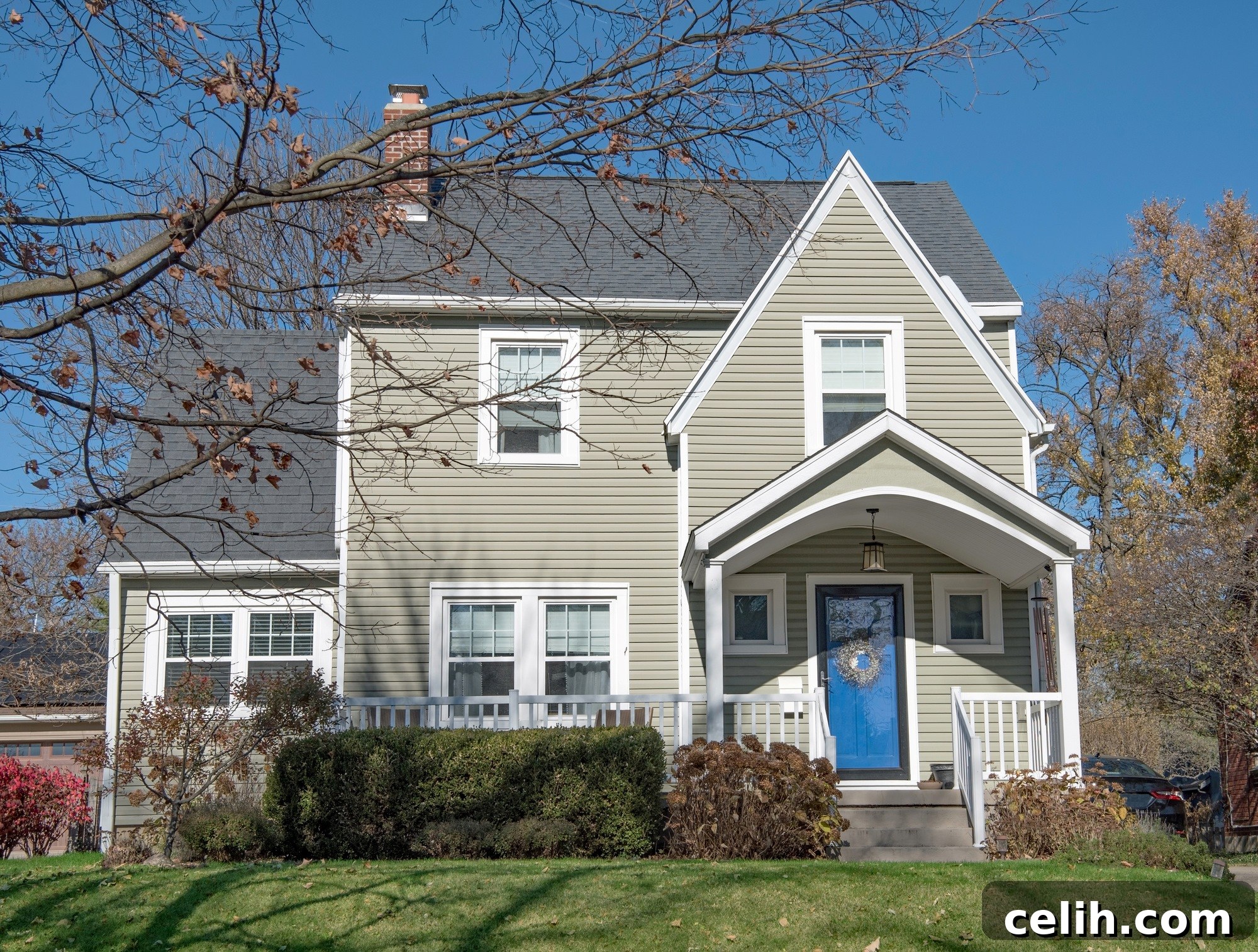
Transforming your home’s exterior with a fresh coat of paint on vinyl siding is a smart investment that can dramatically enhance curb appeal and protection. Many homeowners, however, are often daunted by the potential cost to paint vinyl siding. This comprehensive guide aims to demystify the pricing structure, detailing the various factors that influence the overall expenditure for this popular home improvement project. By understanding these elements, you can accurately budget for your vinyl siding painting endeavor in 2024, ensuring a beautiful and lasting result that boosts your property’s value and shields it from the elements.
Why Consider Painting Your Vinyl Siding?
Beyond simply changing a color, painting vinyl siding offers a multitude of benefits that make it an attractive option for homeowners. Over time, constant exposure to sunlight, harsh weather conditions, and environmental pollutants can cause vinyl siding to fade, chalk, and lose its original luster. Painting breathes new life into your home’s exterior, restoring its vibrancy and giving it a modern, well-maintained appearance.
Furthermore, choosing to paint rather than replace your siding is a significantly more environmentally friendly choice. It reduces landfill waste by extending the lifespan of existing materials and conserves the resources that would otherwise be used to manufacture new siding. From a financial perspective, a professional paint job can last 10 years or more, providing long-term aesthetic and protective advantages at a fraction of the cost of full siding replacement. It’s a strategic move to boost your home’s curb appeal, protect against further weathering, and potentially increase its market value.
Key Factors Influencing Vinyl Siding Painting Costs
The total cost to paint exterior vinyl siding is not a fixed price; it’s a dynamic figure influenced by a variety of project-specific factors. Understanding these variables is crucial for accurate budgeting and for making informed decisions about your home improvement project. Here are the primary elements that can drive the cost up or down:
- Size and Dimensions of Your Home: Unsurprisingly, the larger your home, the more surface area there is to paint, directly correlating to higher material and labor costs. This includes not only the square footage of the siding but also the home’s height, as multi-story homes require specialized equipment like scaffolding or lifts, increasing setup time and labor complexity.
- Current Condition of Your Siding: The state of your existing vinyl siding plays a significant role in the overall cost. Siding that is heavily soiled, chalky, mildewed, or has minor damages (cracks, loose panels) will require extensive preparation work. This could involve thorough power washing, scraping, sanding, patching, or even minor repairs to ensure a smooth, clean, and durable surface for paint adhesion. Such preparatory work adds considerably to the labor hours and material expenses.
- Quality and Type of Paint and Materials: The choice of paint is paramount for a long-lasting finish on vinyl siding. Premium paints, especially those specifically formulated for vinyl with heat-reflective pigments, offer superior durability, fade resistance, and adhesion but come at a higher per-gallon price. While more expensive upfront, investing in high-quality acrylic latex paint designed for vinyl can prevent premature peeling, cracking, and fading, ultimately saving money on future touch-ups or repainting. Associated materials like primers, caulking, and masking supplies also contribute to the overall material cost.
- Complexity and Architectural Details of the Job: Homes with intricate architectural features, multiple gables, dormers, decorative trim, or extensive windows and doors require more meticulous masking, cutting, and hand-painting. These details demand extra time and precision from the painting crew, increasing labor hours compared to painting a simple, flat-sided structure. Accessibility issues, such as dense landscaping or limited space around the house, can also add to the complexity and duration of the project.
- Local Labor Rates and Geographic Location: Labor costs vary significantly based on your geographical location. Urban and metropolitan areas typically have higher labor rates compared to rural regions due to differences in the cost of living and demand for skilled professionals. Obtaining quotes from local contractors will give you an accurate picture of the prevailing rates in your specific area.
- Additional Services Requested: Many painting companies offer a suite of additional services that can enhance the project but also increase the total cost. These might include thorough pressure washing to remove stubborn grime, repairing damaged siding panels, replacing deteriorated caulk, painting trim and gutters, or even minor carpentry work. While these services add to the expense, they often contribute to a more comprehensive and durable finished product.
Average Costs for Painting Vinyl Siding: A Detailed Breakdown
To help you budget effectively for your home improvement project, it’s beneficial to understand the typical cost ranges involved in painting vinyl siding. These figures provide a general guideline, but remember that actual prices can vary based on the factors discussed above.
Cost to Paint Vinyl Siding Per Square Foot
- On average, the price for professional vinyl siding painting typically ranges from $1.25 to $3 per square foot. This cost generally includes labor, paint, and basic preparation such as cleaning. The lower end of the spectrum usually applies to smaller, more straightforward homes with siding in good condition, while the higher end accounts for larger homes, complex architectural details, or siding requiring more extensive prep work. Some premium services or specialized paints might even push this rate slightly higher.
Overall Project Cost Based on House Size
The total cost to paint your vinyl siding will fluctuate significantly depending on the size of your home. Here’s a general estimation based on common house sizes:
- Small Job Painting Vinyl Siding (700 to 1,000 square feet): For compact homes, such as small bungalows, townhouses, or cottages, the typical cost might range from $1,500 to $3,000 plus applicable taxes (like HST in some regions). These projects are usually quicker and require less material and labor.
- Medium Vinyl Painting Job (1,000 to 1,500 square feet): Most standard-sized family homes fall into this category. Homeowners can expect painting costs to be between $3,000 and $6,000 plus taxes. This range often accommodates a moderate level of architectural complexity and average siding condition.
- Large to Extra-Large Vinyl Painting Jobs (1,500 to 2,500+ square feet): For larger single-family homes, two-story houses, or properties with extensive siding, the painting cost could range from $5,000 to $12,000 plus taxes. This category frequently involves more intricate work, greater height challenges, and potentially more extensive preparation due to the larger surface area. Very large or highly complex homes may exceed this range.
Key Takeaways on Pricing
- The broad cost range for painting vinyl siding can generally fall between $600 to $3,600 for basic projects, extending significantly higher for larger, more complex homes.
- Pricing per square foot for painting vinyl ranges from $1.25 to $3, largely depending on the specifics of the job, the quality of paint chosen, and the level of surface preparation required.
- The size and existing condition of your home are the most significant determinants of the overall cost, alongside local labor rates, the complexity of the job, and any additional services you might require. Always obtain detailed quotes from multiple contractors to ensure you get competitive pricing.
Selecting the Right Paint for Vinyl Siding: Options and Pricing
Choosing the correct paint for vinyl siding is critical for a durable and aesthetically pleasing finish. Not all exterior paints are suitable for vinyl, as vinyl siding expands and contracts with temperature changes. Using the wrong type can lead to premature peeling, blistering, and an unsatisfactory outcome. Acrylic latex paints are generally recommended due to their flexibility and excellent adhesion to vinyl. Furthermore, some specialized paints now include heat-reflective pigments to prevent excessive heat absorption, which can cause vinyl to warp.
Here are some popular, high-quality exterior acrylic latex paint options that are well-suited for vinyl siding, along with their approximate price points per gallon (prices can vary by retailer and region):
- Sherwin Williams Emerald Exterior Acrylic Latex Paint: Known for its exceptional durability, excellent hide, and mildew resistance, this premium, water-based paint offers a beautiful, long-lasting finish. It’s a top choice for challenging surfaces and can be tinted to a wide range of colors. This high-quality paint is typically priced at around $70 to $80 per gallon.
- Benjamin Moore Regal Select Exterior High Build Soft Gloss Paint: Another premium option, Benjamin Moore’s Regal Select line provides superior adhesion, flow, and leveling, resulting in a smooth, professional finish. Its high-build formula offers enhanced protection and excellent coverage. This trusted brand’s offering costs around $75 to $85 per gallon.
- Behr Marquee Exterior Semi-Gloss Enamel Paint: For homeowners seeking a high-quality yet more budget-friendly option, Behr Marquee offers excellent coverage, stain resistance, and durability. It provides good adhesion to vinyl siding and is a popular choice for DIYers and professionals alike. Priced at around $50 to $60 per gallon, this Behr vinyl siding paint delivers good value without compromising significantly on quality.
- Additional Considerations for Paint: When selecting paint, look for products specifically labeled “for vinyl siding” or “vinyl safe.” These paints are formulated to have a light reflective value (LRV) that prevents the siding from absorbing too much heat, which can lead to warping. Always consult with your paint supplier or professional painter about the best paint system for your specific vinyl siding.
Advantages and Disadvantages of Painting Vinyl Siding
While painting vinyl siding presents a compelling solution for refreshing your home’s exterior, it’s essential to consider both the benefits and potential drawbacks before embarking on this home improvement project. A balanced perspective will help you make an informed decision.
Pros: The Advantages of Painting Vinyl Siding
- Cost-Effectiveness: One of the most significant advantages is that painting your vinyl siding is substantially more affordable than undergoing a complete siding replacement. This makes it an excellent option for homeowners looking to update their home’s appearance without a hefty financial outlay.
- Environmental Friendliness: By choosing to paint your existing siding, you actively contribute to waste reduction. You’re extending the life of your current materials, keeping them out of landfills, and minimizing the environmental impact associated with manufacturing and transporting new siding.
- Customization and Aesthetic Flexibility: Painting opens up a vast palette of color choices, allowing you to select vinyl siding colors that perfectly match your personal taste, architectural style, or neighborhood aesthetic. This offers unparalleled flexibility to achieve a truly customized look for your home’s exterior, significantly enhancing its curb appeal.
- Enhanced Protection: A fresh coat of quality exterior paint provides an additional layer of protection for your vinyl siding against harsh UV rays, moisture, and general wear and tear, potentially extending the life of your siding.
- Increased Home Value: A well-maintained and freshly painted exterior can significantly boost your home’s curb appeal and perceived value, making it a worthwhile investment if you plan to sell in the future.
Cons: The Disadvantages of Painting Vinyl Siding
- Durability Compared to Factory Finish: While professional painting with high-quality materials can last 5 to 10 years or more, it may not possess the same long-term durability and resistance to fading as the original factory-applied color and finish. Factory finishes are often baked onto the material for maximum longevity.
- Time-Consuming Process: Painting vinyl siding is not a quick fix. It’s a multi-step process involving thorough cleaning, potentially repairs, priming (if necessary), and multiple coats of paint. Depending on the size of your home and weather conditions, the project can take several days to a week or more to complete, requiring significant time and effort, especially for DIYers.
- Potential for Frequent Touch-Ups: Factors such as extreme weather exposure, the quality of paint used, and the level of preparation can influence how well the paint holds up. Over time, some areas might require more frequent touch-ups or even a full repaint sooner than expected, particularly if the siding experiences significant expansion and contraction.
- Color Restrictions and Heat Absorption: It’s crucial to select paint colors that are lighter than or match the original color of the vinyl siding, or use paints specifically formulated with heat-reflective technology. Applying darker colors can cause the vinyl to absorb excessive heat, leading to warping, buckling, or sagging, which can severely damage the siding. This limits your color choices unless you opt for specialized, more expensive paints.
Frequently Asked Questions About Painting Vinyl Siding
Painting vinyl siding is a popular topic among homeowners looking to refresh their property’s look. Here, we address some of the most common questions to provide clarity and guidance on this exterior home improvement project.
Can You Paint Vinyl Siding?
Yes, absolutely! Modern paint technology has made it entirely feasible and highly effective to paint vinyl siding. It’s an excellent method to rejuvenate faded or outdated siding, offering a fresh new look without the significant expense and waste of full replacement. The key to success lies in selecting the right type of paint, specifically 100% acrylic latex exterior paint, and ensuring proper surface preparation and application techniques are followed.
Is It Expensive to Paint Vinyl Siding?
The cost of painting vinyl siding is variable, influenced by factors such as your home’s size, the existing condition of the siding, the quality of paint chosen, and local labor rates. While not a negligible expense, painting vinyl siding is generally much more cost-effective than replacing it entirely, especially when your siding is still structurally sound. It provides a significant visual upgrade for a fraction of the cost of new siding installation.
How Long Does Paint Last on Vinyl Siding?
With proper surface preparation, the use of high-quality, 100% acrylic latex paint designed for vinyl, and professional application, painted vinyl siding can typically last between 5 to 10 years or even longer before it requires a fresh coat. The longevity can be influenced by several factors, including the paint’s quality, the climate, the siding’s exposure to direct sunlight and harsh weather conditions, and the original condition of the siding.
Is Priming Necessary Before Painting Vinyl Siding?
Priming vinyl siding is not always necessary, especially if the siding is in excellent condition, thoroughly cleaned, and you are using a high-quality, self-priming acrylic latex paint specifically formulated for vinyl. However, a primer is highly recommended or even crucial if the existing siding is very weathered, chalky, severely faded, or if you are making a drastic color change (e.g., from a very dark color to a very light one, or vice-versa). A primer ensures better adhesion, improves durability, and provides a more uniform finish.
How to Paint Vinyl Siding? (Overview for DIY vs. Pro)
The process of painting vinyl siding involves several critical steps. First, thorough cleaning of the siding is paramount to remove all dirt, grime, mildew, and chalkiness. Any necessary repairs to damaged panels or loose areas should be made. Next, the appropriate paint (100% acrylic latex exterior paint) and primer (if needed) must be selected. Application should be done during suitable weather conditions, avoiding extreme temperatures or high humidity. While a meticulous DIYer can undertake this, professional painters bring specialized equipment, experience, and techniques (like spray application) that often result in a faster, more uniform, and durable finish.
How to Clean Vinyl Siding Before Painting?
Effective cleaning is perhaps the most critical preparatory step for painting vinyl siding, as it ensures optimal paint adhesion. A common and effective cleaning solution consists of 70% water and 30% white vinegar, which works wonders on mildew and general grime. For tougher stains or heavily soiled areas, a soft-bristle brush combined with a mild detergent (such as dish soap) and water can be used. Pressure washing on a low setting is also an option, but caution must be exercised to avoid damaging the siding or forcing water behind the panels. After cleaning, the siding must be thoroughly rinsed with clean water and allowed to dry completely, typically for at least 24-48 hours, before any paint is applied.
What Colors Can You Paint Vinyl Siding?
While you have a wide range of colors to choose from, there’s an important consideration for vinyl siding: heat absorption. As a general rule, it’s best to paint vinyl siding with colors that are lighter than or similar in shade to the original factory color. Darker colors absorb more heat, which can cause vinyl to warp, buckle, or sag due to excessive expansion. Many paint manufacturers offer “vinyl safe” color palettes or paints formulated with heat-reflective pigments that mitigate this risk, allowing for a broader range of color choices. Always check the Light Reflective Value (LRV) of the paint and consult with your paint professional or manufacturer regarding color safety for vinyl.
Hiring Professionals: Essential Questions Before Choosing a Painting Company
Choosing the right professional painting company is paramount to the success and longevity of your vinyl siding painting project. A reputable and experienced contractor will ensure proper preparation, use the correct materials, and deliver a high-quality finish. Before making your decision, ask these essential questions:
Experience and References
- How long have you been painting vinyl siding specifically? (Look for companies with proven experience in this specialized area.)
- Can you provide references from previous vinyl siding painting projects in my area? (Always follow up on references and view their past work if possible.)
- Are you licensed and insured? (Verify their credentials to protect yourself from liability in case of accidents or property damage.)
Preparation and Process
- What is your detailed preparation process for vinyl siding before painting? (They should describe thorough cleaning, minor repairs, and masking.)
- What type of paint do you recommend for my vinyl siding, and why? (Ensure they recommend 100% acrylic latex and can explain the benefits of specific brands or vinyl-safe options.)
- Will you be using a primer, and under what specific circumstances do you deem it necessary for vinyl siding? (A knowledgeable contractor will assess your siding’s condition for primer needs.)
- What application method will you use (e.g., spray, brush, roller)? (Spraying is often preferred for efficiency and a smooth finish on siding, but proper back-rolling or brushing is also important.)
Logistics and Timeline
- How long will the entire project take from start to finish? (Get a realistic timeframe, accounting for weather conditions.)
- What does the daily schedule look like while the project is underway? (Understand their working hours and how they minimize disruption to your household.)
- How do you protect landscaping, outdoor fixtures, and adjacent surfaces from paint drips or overspray? (Ensure they have a clear plan for protecting your property.)
Warranty and Follow-up
- Do you offer a warranty on your workmanship? If so, what does your warranty cover, and for how long? (A solid warranty demonstrates confidence in their work.)
- How do you handle potential issues or touch-ups in the future if problems arise after the project is completed? (Understand their post-completion support.)
Cost and Payment
- Can you provide a detailed, itemized quote for the entire project, including materials and labor? (Avoid vague estimates; demand a clear breakdown.)
- What factors could potentially lead to additional costs beyond the initial quote? (Ask about unforeseen issues and how they communicate them.)
- What is your payment schedule, and what payment methods do you accept? (Typically, a deposit is required, with final payment upon satisfactory completion.)
Wrapping Up Your Vinyl Siding Painting Project
In conclusion, painting your vinyl siding is a highly practical, cost-effective, and environmentally conscious approach to revitalizing your home’s exterior. It offers an excellent opportunity to significantly upgrade your property’s appearance, enhance its curb appeal, and provide an additional layer of protection against the elements, all without the considerable expense and waste associated with full siding replacement.
Successfully undertaking this project, whether DIY or professional, hinges on careful consideration of several key factors: selecting the right type of paint (100% acrylic latex, possibly with vinyl-safe or heat-reflective properties), ensuring meticulous surface preparation, and, if opting for professional help, choosing an experienced and reputable painter. By understanding the typical costs, weighing the advantages and disadvantages, and asking the right questions when hiring a contractor, you can make informed decisions that lead to a beautiful, long-lasting finish.
If you’re considering professional painters for your vinyl siding project, think about hiring Home Painters Toronto. With 36 years of experience in the painting industry across Toronto and the Greater Toronto Area (GTA), they possess the extensive expertise and in-depth knowledge necessary to bring your vision to life and ensure your siding looks its absolute best for years to come.