
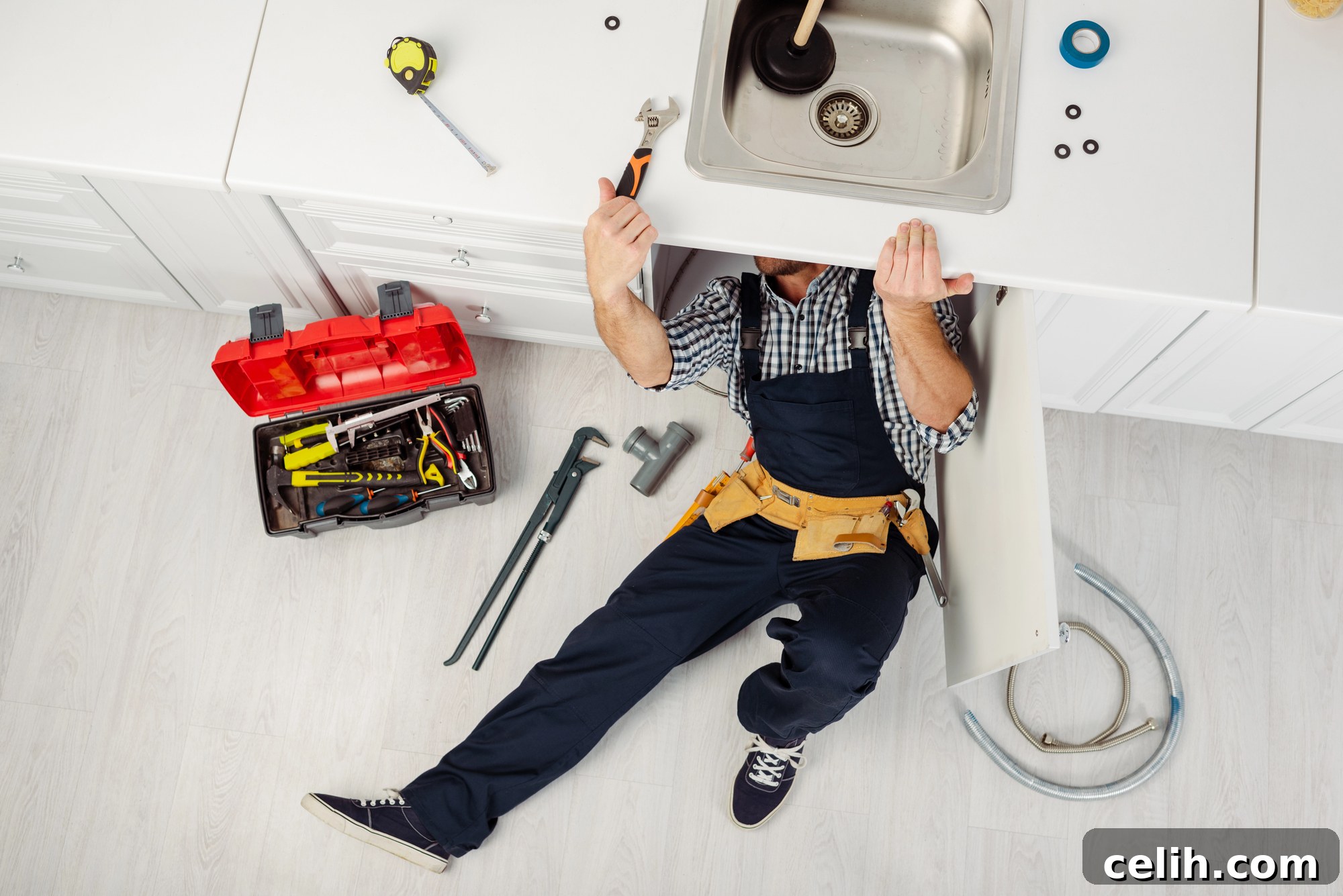
Have you ever paused to consider the intricate network of pipes hidden beneath your sinks, behind your walls, and within your foundations? For many homeowners, the plumbing system is an out-of-sight, out-of-mind utility, only gaining attention when a crisis strikes. Yet, this often-overlooked infrastructure is the silent workhorse of your home, diligently delivering clean water and efficiently whisking away waste. This constant, reliable service isn’t magic; it’s the result of a complex system of pipes, fixtures, and appliances operating in harmony. And just like any other vital system, your home’s plumbing demands regular care and attention to ensure its optimal performance and longevity.
The Hidden Dangers of Neglected Plumbing Systems
The unfortunate reality is that many homeowners only acknowledge their plumbing system when a visible and often catastrophic failure occurs – a burst pipe, a flooded basement, or a persistent, unpleasant odor. This reactive approach to plumbing maintenance is akin to waiting for your car’s engine to seize before considering an oil change. Beneath the surface, your water pipes are under constant pressure and are susceptible to various forms of erosion, mineral buildup, and general wear and tear that gradually weaken their integrity over time. A small, seemingly insignificant drip can escalate into a major issue, leading to extensive structural damage, exorbitant repair costs, and even significant health hazards.
Do not wait for a dramatic plumbing emergency, such as a burst pipe or a sewage backup, to become your inconvenient wake-up call. Untreated water damage can severely compromise the structural integrity of your home’s foundation, leading to pervasive issues like sagging floors, bowing walls, and noticeable cracks throughout the property. Such structural flaws not only diminish the safety and stability of your home but also drastically reduce its market value. Furthermore, a persistent leak creates an ideal breeding ground for mold and mildew. This insidious threat is more than just an unsightly stain; certain types of mold can release spores that exacerbate allergies, trigger asthma attacks, and cause other serious respiratory issues, posing a direct threat to the health of your family.
Beyond the immediate risks of severe water damage and structural compromise, neglecting your plumbing often results in a multitude of unanticipated and escalating costs. What might start as small, almost imperceptible increases on your monthly utility bills due to a slow leak can accumulate into a hefty expense over time. A constantly dripping faucet can waste hundreds of gallons of water annually, and a hidden pipe leak can squander thousands, translating directly into higher water bills. Moreover, ignoring minor issues can turn them into major plumbing emergencies, often requiring costly after-hours repairs or extensive remediation efforts that could have been avoided with proactive care. Regular monitoring and routine professional inspections allow you to identify and address anomalies early, potentially saving you thousands in repair costs and significantly reducing your water consumption.
The Direct Impact of Plumbing on Your Home’s Value
The condition of your plumbing system plays a critical role when it comes to selling your home. Potential buyers are increasingly savvy, relying on comprehensive home inspections to uncover any underlying issues. A poor plumbing record – marked by evidence of leaks, corrosion, or outdated systems – can be a significant red flag. Buyers may view such findings with extreme caution, leading to reduced offers, demands for costly repairs before closing, or even cause them to walk away from the deal entirely. In today’s competitive real estate market, a well-maintained plumbing system signals a well-cared-for home, instilling confidence in prospective buyers and often commanding a higher selling price. Therefore, investing in proper plumbing maintenance is not just about ensuring your comfort and safety, but also a strategic decision that protects and enhances your long-term financial future and property investment.
Proactively maintaining your plumbing system and promptly addressing minor issues can prevent them from spiraling into significant, expensive problems down the line. It’s an essential aspect of overall household management, much like regular HVAC servicing or roof inspections, ensuring that every component of your home functions smoothly and efficiently. Considering the complexity and critical nature of modern plumbing systems, engaging a professional plumbing solutions contractor, such as Nichols Mechanical, for routine inspections and expert advice is a highly recommended step toward safeguarding your home.
Why Regular Professional Plumbing Check-Ups Are Indispensable
Scheduling a professional plumber to conduct thorough inspections of your pipes every few years is not merely a precautionary measure; it is a pragmatic strategy that significantly extends the longevity of your plumbing system and dramatically improves its overall function. Unlike the untrained eye, seasoned professionals possess the expertise and specialized tools to identify nascent issues that remain hidden from casual observation. They employ advanced techniques such as video camera inspections to examine the interior of pipes for corrosion, cracks, or blockages, acoustic leak detection equipment to pinpoint invisible leaks behind walls or under floors, and pressure gauges to assess water pressure levels that could indicate underlying problems or stress on the system.
These comprehensive assessments go far beyond simple visual checks. Plumbers can evaluate the health of your water heater, inspect fixtures for wear and tear, check drain lines for potential clogs, and ensure all shut-off valves are functioning correctly. This proactive approach allows for minor repairs or adjustments to be made before they escalate into costly emergencies. Think of plumbing maintenance as a regular health check-up for your home – it’s an investment in preventive care that can thwart future medical emergencies, ultimately saving you significant financial outlays and considerable stress down the track. Moreover, establishing a relationship with a trusted plumber means you have a reliable expert to call upon should any unexpected issue arise, providing invaluable peace of mind.
Debunking Common Myths About Home Plumbing
Many homeowners harbor misconceptions about their plumbing systems, often leading to neglect and costly repairs. One pervasive myth is that “modern” plumbing systems are inherently indestructible or entirely fail-proof. This couldn’t be further from the truth. While contemporary plumbing materials and installation techniques have certainly improved, time, constant use, and environmental factors invariably take their toll. Rust and corrosion can still develop, especially in older homes or areas with aggressive water chemistry. Mineral sediments, primarily from hard water, gradually accumulate inside pipes, restricting water flow and reducing efficiency. Furthermore, fluctuations in temperature and ground movement can stress the piping network over years, leading to cracks, leaks, or joint failures. Regular inspection is crucial to monitor these gradual degradations.
Another common misconception revolves around water heaters. Often tucked away in utility closets or basements, these appliances tend to be out of sight and, consequently, out of mind. Many assume they require little to no maintenance. However, sediment build-up at the bottom of the water heater tank is a significant issue. Composed of minerals like calcium and magnesium, this sediment acts as an insulator, forcing the heating element to work harder and longer to heat the water. This directly reduces the appliance’s efficiency, increases energy consumption, and shortens its lifespan, unexpectedly escalating household utility costs. Regular draining and flushing of the water heater, along with annual inspections of the anode rod (which protects the tank from corrosion), are essential to keep these appliances running smoothly and efficiently.
A further misconception worth dispelling concerns the effectiveness of readily available chemical drain cleaners. The appealing promise of pouring a solution down the drain to magically dissolve clogs is often misleading. While these aggressive substances might temporarily clear a blockage, they are often highly corrosive. Over time, the harsh chemicals can damage pipe materials, particularly PVC and older cast iron, and weaken pipe joints, leading to future leaks and more severe plumbing complications. They can also be harmful to the environment and hazardous if they come into contact with skin or eyes. For safer and more effective results, it’s always better to opt for mechanical solutions like drain snakes, plungers, or, for persistent clogs, professional hydro-jetting services. Enzyme-based cleaners offer a gentler, more eco-friendly approach for maintenance but are not effective for severe blockages.
Additionally, many households overlook the critical importance of installing proper water filtration systems. While municipal water treatment plants effectively remove harmful bacteria and pathogens, many beneficial and some undesirable minerals, as well as residual chemicals like chlorine, can still be present in tap water. These minerals contribute to hard water, which leads to scale buildup in your pipes, fixtures, and appliances over time, reducing their efficiency and lifespan. Implementing a suitable filtration solution – whether a whole-house system or an under-sink unit – can not only significantly enhance the taste and smell of your drinking water but also protect your entire plumbing infrastructure from mineral buildup and corrosion, thereby prolonging the lifespan of your pipes and water-using appliances.
Empowering Yourself: Practical DIY Tips for Optimal Pipe Health
For those homeowners who enjoy a proactive approach to household maintenance, there are several effective DIY measures you can undertake to significantly support the health and longevity of your plumbing system:
- Insulate Exposed Pipes: During colder months, especially in regions prone to freezing temperatures, insulating exposed pipes is a crucial preventative step against freezing and bursting. Pipes in unheated basements, crawl spaces, attics, and exterior walls are particularly vulnerable. Use foam pipe insulation sleeves or heat tape to guard against the expansion of ice, which can cause catastrophic damage. Ensuring proper insulation is an entirely preventable measure against costly burst pipes.
- Avoid Harsh Chemical Drain Cleaners: As discussed, chemical drain cleaners can do more harm than good by corroding pipes and exacerbating clogs over time. Instead, opt for enzyme-based products, which safely break down organic matter, or utilize simple mechanical tools like a plunger or a drain snake for clearing minor blockages. For persistent clogs, always call a professional plumber.
- Be Conscious of What You Flush and Put Down Drains: Toilets are designed for human waste and toilet paper only. Flushing items like “flushable” wipes (which are not truly flushable), feminine hygiene products, cotton balls, dental floss, paper towels, and excess hair can lead to severe and unyielding blockages in your sewer line. Similarly, avoid pouring cooking grease, coffee grounds, and food scraps down your kitchen sink drain, as these substances solidify and accumulate, causing stubborn clogs.
- Monitor and Manage Water Pressure: Excessively high water pressure can place immense stress on your plumbing system, accelerating wear and tear on pipes, fixtures, and appliances, ultimately leading to premature failures and leaks. Ideally, your home’s water pressure should be between 40 and 60 pounds per square inch (psi). If your pressure is consistently higher, consider installing a pressure regulator (if you don’t already have one) or having an existing one checked by a professional to protect your plumbing.
- Locate and Know Your Main Water Shut-Off Valve: In the event of a burst pipe or major leak, knowing how to quickly shut off your home’s main water supply can prevent extensive water damage. Ensure everyone in your household knows its location and how to operate it. Test it annually to ensure it’s not seized.
- Regularly Check for Leaks: Periodically conduct a visual inspection of all visible pipes, under sinks, around toilets, and near appliances for any signs of dampness, corrosion, or drips. You can also monitor your water meter: turn off all water-using appliances and fixtures, then check your meter. If the dial is still moving, you likely have a hidden leak.
Embracing a Proactive Approach to Plumbing Care
Your home’s plumbing system performs an incredible job day in and day out, largely unnoticed, and it undeniably deserves recognition, respect, and consistent care. Routine plumbing inspections should not be viewed as an irritating chore but rather as an invaluable opportunity to significantly enhance your home’s long-term durability, safety, and overall value. Adopting a proactive and preventative approach to plumbing maintenance will not only spare you from the immense stress and high costs associated with emergency repairs but also substantially prolong the lifespan of your entire plumbing infrastructure and, by extension, your precious property.
It is high time that the vital health of your plumbing system earns its rightful and prominent place on your comprehensive home health checklist. Because when it comes to the intricate and indispensable network of pipes within your walls, it’s rarely a question of if an issue will arise, but rather a matter of when. By taking diligent steps today, you ensure a smoother, safer, and more cost-effective tomorrow for your home and everyone in it.