
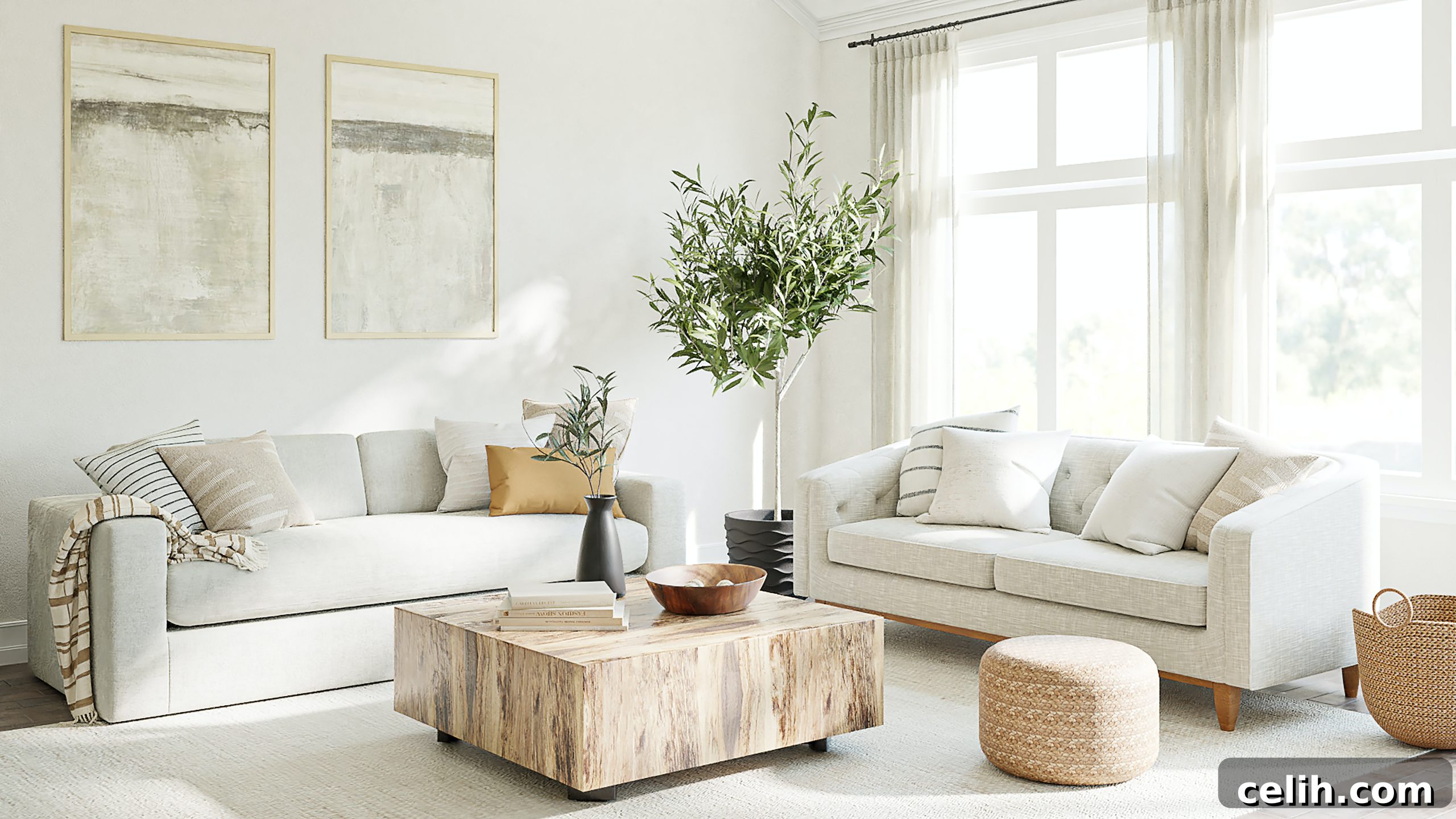
In a world that constantly demands our attention and energy, our homes serve as much more than just shelter; they are meant to be our sanctuaries, places where we can retreat, recharge, and truly be ourselves. Most people instinctively design their living spaces to feel comfortable and nurturing. We aim for soft furnishings over harsh, minimalist benches, recognizing that true comfort often trumps fleeting style when it comes to daily living. Yet, the pursuit of comfort doesn’t have to mean sacrificing elegant design. The idea that a truly relaxing space must look shabby is a misconception we aim to dispel. In fact, modern interior design increasingly focuses on integrating wellness and thoughtful living into aesthetically pleasing environments.
This raises a crucial question: How can we intentionally infuse our homes with elements that promote a deep sense of wellbeing, mental clarity, and a nurtured feeling, not just for ourselves, but for our entire family? Designing for wellness goes beyond mere decoration; it’s about crafting an environment that actively supports your physical, mental, and emotional health. It involves a conscious effort to select features and arrangements that contribute to a calmer, more productive, and more joyful life. This holistic approach to home design can transform your living space into a powerful tool for self-care and personal growth. From the subtle psychological impact of colors to the invigorating presence of nature, every design choice holds the potential to enhance your daily experience. Let’s explore the key factors you can consider to help add a profound sense of wellness into your home design, turning your cherished abode into a true haven of health and happiness.
Embracing Natural Light: The Foundation of a Wellness Home
The profound benefits of natural light for our overall health are well-documented and undeniable. Maximizing the amount of natural daylight in your home is perhaps one of the most impactful decisions you can make for a wellness-focused environment. Exposure to natural light positively influences our circadian rhythms, which regulate our sleep-wake cycles. Ample daylight during the day can lead to improved mood, reduced symptoms of seasonal affective disorder (SAD), increased energy levels, enhanced cognitive performance, and ultimately, better sleep quality at night. It also helps our bodies produce Vitamin D, essential for bone health and immune function.
When designing or redecorating your home, strategic choices can significantly enhance natural light penetration. Consider installing larger windows or skylights, especially in areas that feel dark or enclosed. For existing spaces, simple interventions can make a big difference. Paint your walls with light, reflective colors such as crisp whites, soft grays, or pale pastels, which bounce light around the room rather than absorbing it. Position mirrors strategically opposite windows to reflect and amplify the incoming light. Avoid heavy, light-blocking furniture near windows, opting instead for pieces with a lower profile or an open design. If structural changes aren’t feasible, explore options like sun tubes or solar tubes that can channel natural light into interior rooms or hallways.
Complementing natural light with thoughtful window coverings is equally important. Beautifully laid wooden blinds, sheer curtains, or adjustable roller shades offer excellent control over the amount of light that enters a room throughout the day. They allow you to filter harsh glare, maintain privacy, and even regulate indoor temperature, all while preserving a connection to the outdoors. Integrating smart lighting systems that can adjust their color temperature and brightness to mimic natural daylight cycles can also extend the benefits of natural light into the evening hours, further supporting your body’s natural rhythms and promoting a truly healthy home environment.
Curating Your Colour Palette: A Symphony for the Senses
The colours we choose to surround ourselves with wield an immense impact on our moods and emotions, subtly shaping our daily experiences within our homes. Understanding the psychology of colour is paramount in creating a wellness-centric living space. Cool colours such as various shades of blue, green, and purple are renowned for their calming and serene qualities. They evoke feelings of tranquility, peace, and stability, making them ideal choices for bedrooms, bathrooms, and meditation areas where relaxation is key. Imagine a soft, muted sage green for a bedroom wall or a gentle sky blue in a bathroom – immediate sensations of calm wash over you.
Conversely, warm colours like yellow, orange, and red are associated with energy, enthusiasm, and excitement. While a vibrant red might be too intense for a large living space, softer, pastel versions of these hues can spur creativity and foster a sense of optimism. A soft butter yellow or a muted terracotta can be wonderfully stimulating in a home office or a creative studio space, encouraging focus and innovation without overwhelming the senses. When making those critical colour decisions, consider not just what is trendy, but deeply reflect on which colours make you feel relaxed, peaceful, and uplifted.
It’s also an excellent strategy to incorporate accent colours that can add visual interest and personality to a room while still maintaining a calm overall atmosphere. A vibrant throw pillow, a piece of art, or a decorative vase can introduce a pop of colour without dominating the space. If committing to one main colour for an entire room feels daunting, consider using it as an alternating colour for specific architectural features, trim, or by implementing a single feature wall. This allows you to experiment with bolder hues in a controlled manner. Don’t underestimate the power of colour; it’s easy to overlook its influence until you intentionally integrate it into your design, and this thoughtful consideration in itself can be a very healthy and mindful practice.
Integrating Nature: The Power of Biophilic Design
The concept of biophilic design, which seeks to connect humans with nature within built environments, is fundamental to creating a truly wellness-focused home. Exposure to plants and natural elements offers a wide range of tangible health benefits, including significant reductions in stress, improved cognitive function, enhanced creativity, and a notable boost in mood. Furthermore, many indoor plants are incredibly effective at improving indoor air quality by absorbing toxins and releasing oxygen, making your home a healthier place to breathe. This inherent connection to nature explains why we feel so good when taking a stroll in the park, or when we open our doors during the summer and our children play freely in the garden.
When designing and decorating your home, thoughtfully incorporating plants and natural elements into your living space is a powerful step towards wellness. This can be achieved in numerous creative ways. Start with placing potted plants in different rooms, choosing species that thrive indoors and are easy to care for, such as snake plants, ZZ plants, or peace lilies. Consider creating a hanging wall garden or implementing vertical garden spaces, which maximize greenery without taking up precious floor space. These living installations not only bring a touch of vibrant nature into your home but also add the natural colour and texture discussed earlier, beautifully softening the artificiality of a highly engineered or minimalist space.
Beyond live plants, embrace natural materials in your furniture and decor. Think about wooden floors, stone countertops, bamboo accents, linen upholstery, and wool rugs. These materials provide sensory richness and a tactile connection to the earth. Maximizing views of nature through your windows is also crucial; position furniture to face outward, allowing you to gaze upon trees, gardens, or even just the sky. Even introducing natural patterns and textures through artwork or textiles can evoke the calming presence of the outdoors. By consciously integrating elements of the natural world, you transform your home into a restorative haven that nourishes both body and soul, fostering a deeper sense of peace and vitality.
Cultivating Ambiance and Dedicated Relaxation Zones
Beyond aesthetics, the ambiance of your home profoundly influences your state of mind. It’s crucial to have a designated space, or several spaces, where you can truly relax and unwind, free from the demands of daily life. This could manifest as a cozy reading nook complete with a comfortable armchair and a warm desktop lamp, a quiet corner dedicated to meditation or yoga, or even a luxurious bathroom featuring a deep soaking tub and calming elements. The key is to create a zone that feels distinct and purposefully designed for rejuvenation – just make sure you actually exit this wonderful little space before you soak yourself into a prune-like texture!
Creating a peaceful and comforting ambiance involves a multi-sensory approach. Firstly, consider your lighting. Layered lighting is essential: combine ambient light from overhead fixtures with task lighting for specific activities (like reading) and accent lighting to highlight features or create mood. Dimmers are invaluable for adjusting the intensity, while warm-toned light bulbs (lower Kelvin temperatures) contribute to a cozy and relaxing atmosphere. Moving beyond visuals, comfortable seating is paramount. Invest in ergonomic furniture that supports your body and invites you to sink in and relax. The tactile experience of soft fabrics, plush cushions, and inviting textures contributes significantly to overall comfort.
As discussed, a calming colour palette, perhaps with the pastel shades mentioned earlier, provides a serene visual backdrop. But don’t stop there. Sensory elements like scent play a powerful role in evoking relaxation. You may want to consider adding calming scents through high-quality essential oil diffusers with blends like lavender, chamomile, or frankincense, or indulge in natural glasshouse candles that fill the air with gentle fragrances, helping you fully unwind and de-stress. Importantly, address sound; soft furnishings like rugs, curtains, and upholstered furniture can absorb echoes and reduce ambient noise, creating a quieter environment. For areas prone to external noise, consider soundproofing solutions or even a gentle white noise machine.
Finally, technology isn’t always counter-productive to a comforting space. Thoughtfully integrated tech can enhance your ambiance. Well-placed speakers playing calming instrumental music in the evenings or light jazz in the mornings can truly elevate an environment, helping to melt away anxieties and sustain you through those busy work-from-home days. Moreover, maintaining a clutter-free environment is vital; a visually clean space translates to a clearer mind, reducing stress and promoting a sense of order and peace. Ensure good ventilation and maintain comfortable temperatures year-round, as these factors also significantly impact your comfort and overall well-being. By considering all these elements, you can curate a holistic environment that nurtures every aspect of your being.
Conclusion: Designing Your Personal Haven of Wellness
Transforming your home into a sanctuary of wellness is an investment in your physical health, mental clarity, and emotional equilibrium. It’s about consciously creating spaces that not only look beautiful but actively support a healthier, happier life. By thoughtfully integrating natural light, curating a harmonious colour palette, embracing the restorative power of plants and biophilic design, and meticulously cultivating an ambiance of relaxation, you can craft an environment that feels uniquely yours and deeply nurturing.
Remember that wellness home design is not a one-time project, but an ongoing journey. Start with small changes that resonate most with you and gradually build upon them. The goal is to create a living space that feels comfortable, inspiring, and allows you to thrive. With these considerations, we hope you feel empowered to implement wellness-focused thinking into your home’s design, coming away with an enviable, nurturing environment that anyone would love to spend time in. Just make sure you don’t make it too comfortable, as otherwise you’ll never feel like leaving!