
As our planet faces unprecedented environmental challenges, the urgency to adopt sustainable practices in our daily lives has never been greater. Many of us are increasingly aware of the profound impact our actions have on the environment and are actively seeking meaningful ways to reduce our ecological footprint. The good news is that contributing to a more sustainable future doesn’t require drastic lifestyle overhauls; often, it begins with simple yet powerful changes right within the comfort of our homes. By making mindful choices and implementing eco-friendly habits, each one of us can play a vital role in fostering a healthier planet.
This comprehensive guide will explore practical, actionable strategies to transform your home into a beacon of sustainability. We will delve into various aspects of daily living, offering valuable insights and tips on how to significantly reduce your carbon footprint, conserve precious resources, and embrace a truly eco-friendly lifestyle. From optimizing your energy consumption and cultivating a green garden to rethinking your diet and managing waste, these home-based solutions for climate change will empower you to make a tangible difference, one conscious choice at a time.
Embracing Energy Efficiency for a Sustainable Home
One of the most impactful ways to reduce your home’s carbon footprint is by focusing on energy efficiency. The energy we consume, especially if it comes from fossil fuels, directly contributes to greenhouse gas emissions. Fortunately, there are many accessible ways to lower your energy consumption without sacrificing comfort or convenience.
Start with your lighting. Outdated incandescent bulbs are notorious energy guzzlers. Making the simple switch to energy-efficient light bulbs, such as compact fluorescent (CFL) or, even better, LED bulbs, can yield significant savings. LED bulbs, in particular, use up to 90% less energy than traditional bulbs and boast an impressive lifespan, often lasting 15 to 25 times longer. This means fewer replacements, less waste, and substantial reductions in your electricity bill and carbon emissions. Furthermore, cultivate the habit of turning off lights when you leave a room, even if only for a short period. Consider installing smart lighting systems that allow you to control lights remotely, set schedules, or even adjust to natural light levels, optimizing energy use throughout the day.
When the time comes to upgrade your household appliances, prioritize energy efficiency. Look for products that proudly display the ENERGY STAR certification. This label signifies that an appliance meets strict energy efficiency guidelines set by the U.S. Environmental Protection Agency and Department of Energy. ENERGY STAR-certified refrigerators, washing machines, dishwashers, and other appliances are designed to consume less energy and water, translating into lower utility bills and a reduced environmental impact over their lifespan. Modern energy-efficient appliances often come with smart features and energy-saving modes that further optimize their performance, helping you minimize consumption without compromising functionality.
Beyond active usage, many electronics and appliances consume power even when they are turned off or in standby mode. This phenomenon is often referred to as “vampire drain” or “phantom load,” and it can account for a surprising percentage of your overall energy consumption. To combat this, make it a habit to unplug chargers, computers, televisions, and other devices when they are not in use. A more convenient solution is to use power strips with on/off switches. By plugging multiple devices into a single power strip, you can easily cut power to all of them with one flick of a switch, effectively eliminating phantom load and further reducing your home’s energy footprint.
Cultivating a Green Oasis: Your Eco-Friendly Garden
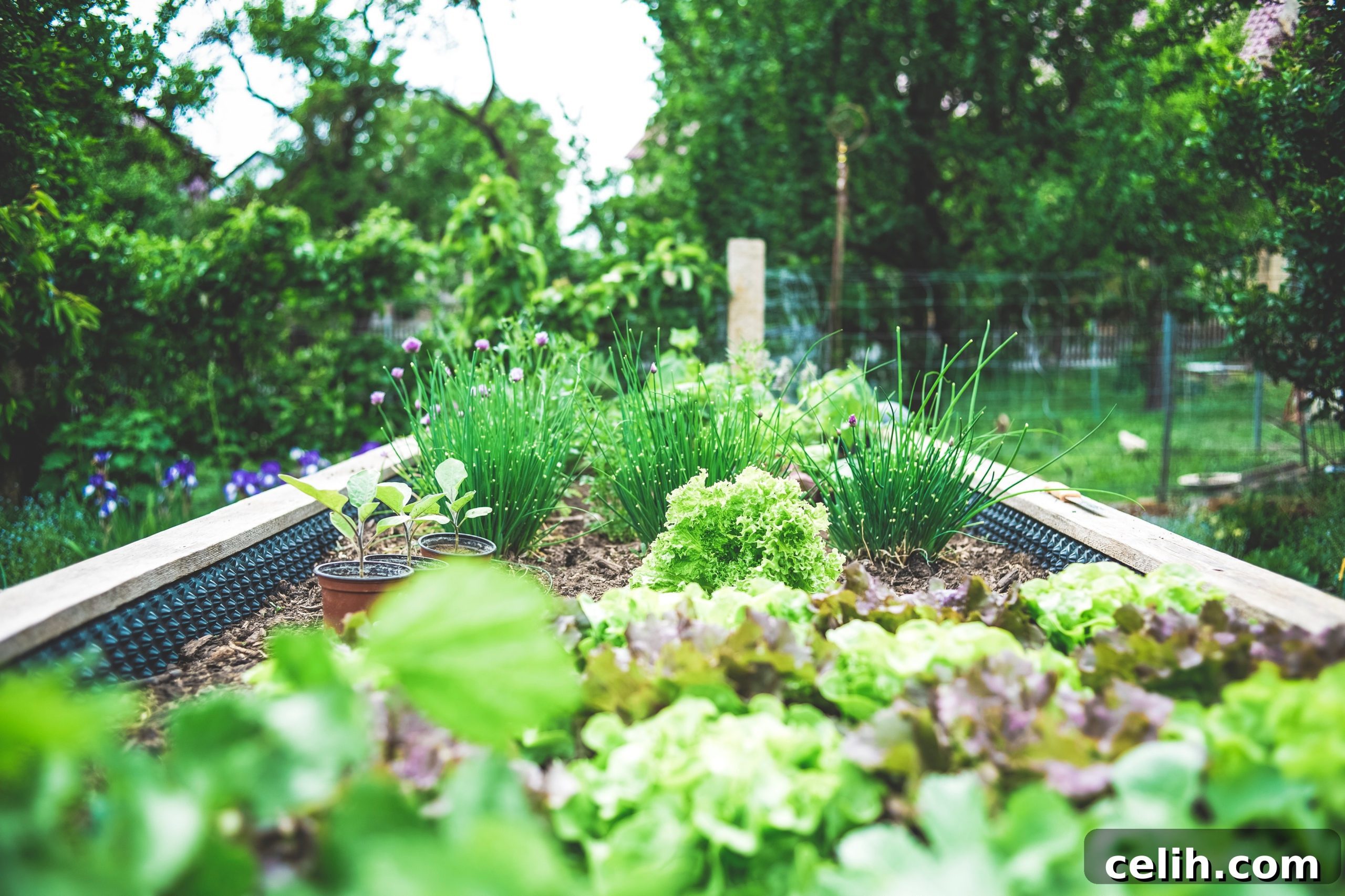
Your garden offers a fantastic opportunity to contribute to a greener planet and directly reduce your carbon footprint. Growing your own vegetables, fruits, and herbs, even in a small planter box on a balcony, provides numerous environmental benefits. It significantly reduces your reliance on commercially grown produce, which often travels long distances, incurring substantial carbon emissions from transportation. Home gardening also helps sequester carbon dioxide from the atmosphere, contributes to local biodiversity, and provides you with fresh, healthy food free from harmful pesticides.
Beyond edible plants, planting trees and shrubs in your yard can play a crucial role in offsetting carbon emissions. Trees are natural carbon sinks, absorbing CO2 and releasing oxygen. Strategically planted trees can also provide shade, reducing the need for air conditioning in the summer months, and act as windbreaks, helping to insulate your home in winter. Consider native plants that thrive in your local climate, as they generally require less water and maintenance.
When it comes to lawn and garden care, opt for organic fertilizers over synthetic chemical alternatives. Synthetic fertilizers, while effective, are often produced using energy-intensive processes and can lead to nutrient runoff that pollutes waterways. Organic fertilizers, derived from natural sources like compost, manure, or plant-based materials, nourish your soil sustainably and support a healthy ecosystem. Learning about environmentally friendly lawn care options can help you maintain a vibrant garden while minimizing chemical exposure and reducing the carbon footprint associated with your outdoor spaces. Embrace natural pest control methods, encourage beneficial insects, and consider composting your kitchen scraps to create your own nutrient-rich soil amendment.
Smart Heating and Cooling: Optimizing Home Climate Control
Heating and cooling your home typically account for the largest portion of your energy consumption. Making informed decisions and simple adjustments in this area can lead to significant reductions in your carbon footprint and energy bills.
A simple yet effective strategy is to adjust your thermostat by a few degrees. In winter, lowering your thermostat by just 1-2 degrees Celsius (3-5 degrees Fahrenheit) can yield considerable energy savings without compromising comfort, especially if you layer up with warm clothing. Similarly, raising your thermostat in the summer and utilizing fans can keep your home comfortable while using less energy than air conditioning. For even greater control and efficiency, consider investing in a programmable or smart thermostat. These devices allow you to set schedules for temperature adjustments, ensuring that your heating or cooling system isn’t running at full blast when you’re away from home or asleep. Smart thermostats can even learn your preferences and optimize settings based on external weather conditions, providing unparalleled energy savings and convenience.
Proper home insulation is paramount for maintaining comfortable indoor temperatures year-round while significantly reducing energy waste. Good insulation acts as a barrier, preventing heat from escaping in the winter and entering in the summer. Inspect your attic, walls, and floors for adequate insulation. Upgrading insulation in these areas can drastically improve your home’s thermal performance. Equally important is sealing any gaps or cracks around windows, doors, electrical outlets, and plumbing penetrations. These tiny openings can allow a surprising amount of air to leak in or out, making your heating and cooling systems work harder. Use caulk and weatherstripping to seal these drafts. A well-insulated and air-sealed home not only consumes less energy for heating and cooling but also provides a more consistent and comfortable indoor environment, translating into lower energy bills and a smaller carbon footprint.
Sustainable Lifestyle Choices for a Greener Tomorrow
Beyond the physical structure of your home, your daily lifestyle choices have a profound impact on your environmental footprint. Adopting more sustainable habits in areas like diet and transportation can make a considerable difference.
One of the most impactful dietary changes you can make is to reduce your meat consumption, particularly red meat. Livestock farming, especially for cattle, is a major contributor to greenhouse gas emissions, deforestation, and water pollution. Shifting towards more plant-based meals, even just a few times a week, can significantly lower your personal carbon footprint. Furthermore, prioritize locally grown and seasonal produce. This reduces the “food miles” — the distance your food travels from farm to plate — thereby cutting down on emissions associated with transportation and storage. Minimizing food waste is another crucial step. Plan your meals, buy only what you need, store food properly to extend its shelf life, and get creative with leftovers. Food waste in landfills produces methane, a potent greenhouse gas, so every effort to reduce it helps.
Transportation is another significant source of greenhouse gases. Whenever possible, choose sustainable modes of transport. Carpool with colleagues or friends, utilize public transportation, or opt for biking or walking for shorter distances. Active transportation not only reduces emissions but also offers numerous health benefits. If driving is unavoidable, consolidate your errands into a single trip to minimize mileage. Regular car maintenance, such as ensuring proper tire inflation and timely engine tune-ups, can also improve fuel efficiency and reduce emissions. For those considering a vehicle upgrade, exploring hybrid or electric vehicles can further drastically cut down on transportation-related carbon emissions.
Conserving Water and Harnessing Renewable Energy
Water is a finite and precious resource, and its treatment and delivery consume considerable energy. Practicing water conservation is therefore an essential component of an eco-friendly lifestyle.
Simple daily habits can make a big difference: take shorter showers, turn off the tap while brushing your teeth, and only run your washing machine and dishwasher when they are full. Promptly fix any leaky faucets or pipes, as even a small drip can waste thousands of liters of water over time. Outdoors, use a broom to clean driveways and patios instead of a hose. For landscaping, consider drought-tolerant plants and efficient irrigation systems like drip lines. Installing low-flow faucet aerators and showerheads is a highly effective way to reduce water usage without sacrificing pressure or performance. These devices cleverly mix air with water, maintaining a strong spray while significantly decreasing the amount of water consumed. Furthermore, consider rainwater harvesting by collecting rainwater in barrels for watering plants or washing your car, reducing your reliance on treated tap water.
When it comes to your home’s electricity supply, exploring renewable energy options can dramatically reduce your carbon footprint. If available in your area, research utility companies that offer green energy programs, allowing you to choose electricity generated from renewable sources like wind, solar, or hydro power. For a more direct approach, consider installing solar panels on your home’s roof. This investment can provide long-term energy independence, substantial savings on electricity bills, and a significant reduction in your reliance on grid-supplied power, which often comes from fossil fuels. If rooftop solar isn’t feasible, many communities offer community solar projects, allowing residents to invest in a shared solar farm and receive credits on their electricity bills for the clean energy generated. Exploring government incentives and tax credits for renewable energy installations can also make these options more accessible and affordable.
Minimizing Waste and Embracing Chemical-Free Living
Mindful consumption and waste management are critical pillars of sustainable living. The less we consume and the more efficiently we manage our waste, the lighter our environmental footprint.
Adopt the “reduce, reuse, recycle” mantra in your daily life. Start by reducing your overall consumption; question whether you truly need a new item before purchasing. Opt for products with minimal or recyclable packaging, and choose reusable items over disposables whenever possible. This means bringing your own reusable bags to the grocery store, using a refillable water bottle and coffee cup, and opting for durable, long-lasting products. When items reach the end of their useful life, recycle cans, bottles, paper, and cardboard diligently. Understand your local recycling guidelines to ensure proper sorting and maximum impact. Beyond recycling, composting kitchen scraps and yard waste is an excellent way to divert organic material from landfills. Composting not only reduces methane emissions but also produces nutrient-rich soil that can enhance your garden, closing the loop on organic waste.
Another crucial step towards an eco-friendly home is to limit your use of harsh chemicals. Conventional cleaning products often contain toxic chemicals that can pollute waterways, harm aquatic life, and degrade indoor air quality, potentially leading to respiratory issues and other health problems. Instead, opt for eco-friendly cleaning products made from natural, biodegradable ingredients. Look for certifications that indicate environmentally responsible formulations. Better yet, consider making your own cleaning solutions using common, non-toxic household items. Vinegar, baking soda, lemon juice, and essential oils can be combined to create effective and safe cleaners for a variety of surfaces, offering a cost-effective and environmentally superior alternative. This approach not only protects the environment but also safeguards the health of your family and pets.
Spreading Awareness: Share Your Eco-Journey
While individual actions are powerful, their impact is amplified when shared and adopted by a wider community. Don’t keep your eco-friendly habits and knowledge to yourself! Share your experiences, successes, and even challenges with friends, family members, and neighbors. Encourage them to explore and adopt sustainable practices in their own lives. Lead by example, demonstrating how simple changes can be integrated seamlessly into daily routines.
Initiate conversations about environmental consciousness, discuss new ways to reduce carbon footprints, and share resources or tips you’ve found helpful. You might inspire others to make their homes more sustainable, creating a ripple effect that extends beyond your immediate circle. Engage in community initiatives, join local environmental groups, or even start a neighborhood project, like a community garden or a recycling drive. Collective action is incredibly potent in driving larger-scale change and fostering a shared commitment to a more sustainable future for everyone.
In conclusion, transforming your home into an eco-friendly haven and significantly reducing your carbon footprint is a journey paved with numerous achievable steps. From optimizing your energy consumption with smart lighting and appliances to cultivating a sustainable garden, embracing mindful lifestyle choices regarding diet and transportation, conserving water, and minimizing waste, every effort contributes to a healthier planet. These simple ways to improve the efficiency of your eco-friendly home are not just about environmental protection; they often lead to financial savings, improved health, and a greater sense of connection to the world around us. By making conscious choices and integrating sustainable habits into your daily life, you become a vital part of the solution, helping to pave the way for a more sustainable and resilient future for generations to come. Start with the suggestions outlined in this comprehensive guide and continue to explore new and innovative ways to live a greener, more impactful lifestyle.