
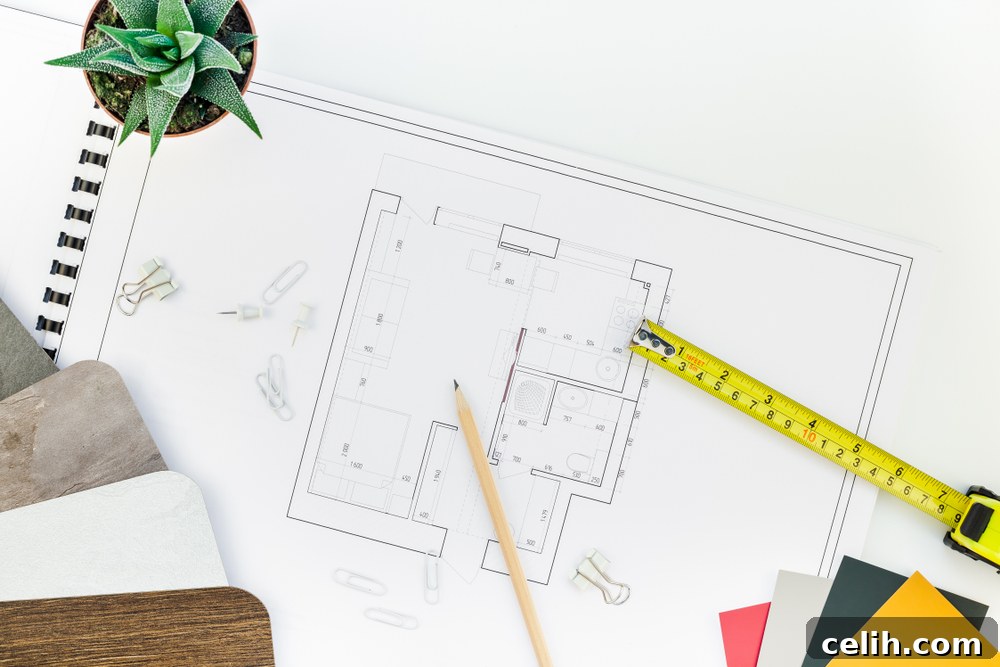
Embarking on a home building project is an exciting journey, often representing a significant life investment and the realization of a long-held dream. However, this complex undertaking is not without its potential challenges, from unforeseen site conditions to material delays and budget fluctuations. To transform your vision into a seamless reality, it’s crucial to adopt a proactive and strategic approach. This involves meticulous preparation, understanding the multifaceted aspects of construction, and critically, partnering with experienced and professional builders who can navigate these obstacles effectively. By taking the right steps, you can significantly reduce potential issues, ensure the project stays on track, and ultimately achieve a successful outcome that aligns with your timeline and financial plan. This article provides essential tips to help guarantee a smooth and stress-free home building experience for your next project, turning potential pitfalls into manageable steps towards your dream home.
1. Start with the Essentials: Defining Your Core Needs and Design Philosophy
When you first envision your new home, it’s easy to get lost in aesthetic details. However, to lay a truly solid foundation for your custom home build, you must begin with the fundamental elements that will define its long-term value and livability. Concentrate first and foremost on durability, functionality, and features that genuinely simplify and enhance your daily life. Durability encompasses selecting robust materials and construction methods that withstand the test of time, local climate conditions, and daily wear and tear, ensuring your investment lasts for generations. Functionality refers to a thoughtful layout that supports your lifestyle, from efficient traffic flow to adequate storage and well-placed utility areas. Think about how each space will be used, how it connects to other areas, and how it contributes to the overall ease of living.
Develop a comprehensive basic design program that meticulously outlines every requirement and aspiration for your project. This isn’t merely a wish list; it’s a detailed brief that articulates your family’s unique needs, whether that means a flexible layout for a multigenerational home, dedicated spaces like a home office or gym, or an extension to accommodate a growing family. This foundational document will serve as an indispensable tool for the architectural rendering and design phase, providing your builders and designers with a clear, unambiguous understanding of your goals. A well-defined program helps to streamline the design process, minimize costly revisions down the line, and ensures that the final structure not only looks beautiful but also performs optimally, making your life easier and more enjoyable for years to come.
2. Choose the Right Home Builder: A Foundation of Trust and Expertise
Building a custom home is arguably one of the most significant investments you’ll ever make, both financially and emotionally. Therefore, selecting the right home builder is paramount to ensuring that every aspect of your project unfolds precisely as envisioned. This is not a task to be taken lightly; it requires extensive research, due diligence, and a keen understanding of what makes a builder truly professional. You need a partner who brings more than just construction skills to the table – you need a seasoned expert, not merely a contractor you might find via a casual search or an advertisement on a vehicle. A professional home builder is the cornerstone of a successful project, responsible for orchestrating every detail from ground-breaking to the final touches.
The depth of knowledge, experience, and an established track record are critical indicators of a builder’s capability. The more expertise your home builder possesses, the smoother and more efficient your entire building process will be. Look for builders with a robust portfolio of completed projects, excellent client testimonials, and a strong reputation for quality craftsmanship and ethical practices. Beyond general construction expertise, a professional home builder, such as reputable firms like Excel Builders, will also possess essential local building knowledge. This includes an intimate understanding of specific zoning laws, regional building codes, environmental regulations, and climate considerations that can profoundly impact your project’s design and execution. Furthermore, superior communication skills are non-negotiable. A great builder will keep you informed at every stage, proactively address concerns, and foster a collaborative relationship built on transparency and mutual respect. This comprehensive approach ensures that your journey to owning the home of your dreams is as seamless and stress-free as possible, culminating in a dwelling that perfectly reflects your vision and stands the test of time.
3. Leverage Real-Time Communication: The Lifeline of Your Construction Project
A home building project is a dynamic ecosystem involving a multitude of stakeholders, each with specific responsibilities and contributions. These typically include the project owner, the lead general contractor, architects, structural engineers, various subcontractors (such as plumbers, electricians, carpenters, and HVAC specialists), material suppliers, and administrative staff. For a project to progress efficiently and without costly errors, all these parties must remain consistently updated and informed about the project’s status, challenges, and upcoming tasks. Establishing a robust system for seamless and “real-time” communication among everyone involved is not just a good idea; it’s absolutely critical for success. Effective dialogue minimizes misinterpretations, reduces the need for constant phone calls or emails that can disrupt workflow, and ensures that decisions are made promptly with complete information.
The most effective strategy to ensure efficient communication is to implement a centralized, in-house contact or project management system. This could involve cloud-based software platforms designed specifically for construction project management, shared digital workspaces, or dedicated communication apps. Such a system allows for the synchronization of all project-related documentation in one easily accessible location. This includes design blueprints, architectural renderings, daily progress photos, site inspection reports, detailed schedules, material orders, and change orders. By centralizing this information, every team member has immediate access to the latest updates, fostering greater transparency and accountability. You can meticulously track expenses, monitor progress against the timeline, and swiftly address any potential changes or unforeseen issues as they arise, preventing minor hiccups from escalating into major delays or budget overruns. Ultimately, a well-managed communication framework is the backbone of efficient project execution, leading to a smoother process and a higher quality finished home.
4. Be Flexible: Adapting to the Unpredictability of Construction
While meticulous planning is the bedrock of any successful home building project, it is equally imperative to cultivate a mindset of flexibility. The construction landscape is inherently unpredictable, and the reality is that everything may not necessarily unfold exactly as initially planned. Numerous factors, often beyond anyone’s control, can cause a project to deviate from its original course. These can range from unexpected weather conditions that delay outdoor work, supply chain disruptions leading to material shortages, unforeseen ground conditions during excavation, to sudden changes in labor availability or even new regulatory requirements. A rigid adherence to an initial plan, without room for adaptation, can exacerbate these challenges, leading to significant project disruptions, increased costs, and extended timelines.
By remaining flexible, you empower your team and yourself to proactively address unexpected setbacks, rather than being derailed by them. This might involve adapting the construction schedule, exploring alternative material options, or making minor design adjustments that don’t compromise the overall vision but allow for practical solutions to emerging problems. Flexibility also extends to your budget, advocating for a contingency fund to absorb unforeseen costs. Embracing an adaptive approach and being open to new changes can significantly boost the efficiency and success with which your building project is completed. It fosters a problem-solving environment where challenges are met with innovative solutions, minimizing stress and ensuring that your dream home progresses steadily towards completion, even when the path takes an unexpected turn.
5. Adhere to Safety Protocols: Prioritizing Well-being on the Construction Site
The safety and well-being of every worker on your construction site, as well as any passersby, must be treated as an absolute priority. In the demanding environment of a home building project, oversights and negligence in safety protocols can lead to severe harm, life-altering injuries, or even fatalities. Beyond the immeasurable human cost, such accidents inevitably result in significant legal ramifications, including hefty fines, lawsuits, and damage to the builder’s reputation. Moreover, workplace accidents cause considerable delays to your construction timeline, disrupting schedules, impacting material delivery, and increasing overall project costs. Therefore, observing and enforcing stringent safety precautions is not merely a regulatory compliance issue but a fundamental ethical responsibility and the most effective way to prevent significant problems from occurring.
A comprehensive safety plan includes several key components. Firstly, ensuring that everyone on site wears the correct Personal Protective Equipment (PPE), which can include essential items like hard hats, steel-toe boots, high-visibility vests, gloves, and critical protective gear such as prescription safety glasses or standard safety goggles to protect eyes from debris and chemicals. Beyond PPE, safety protocols must cover safe operating procedures for machinery, proper scaffolding and ladder usage, fall protection systems, electrical safety, trenching safety, and secure storage of hazardous materials. Regular safety briefings, clear signage, proper site fencing, and accessible first aid stations are also crucial. By rigorously adhering to these safety measures, you protect everyone present on the construction site, foster a responsible work environment, maintain project momentum, and ensure that your home is built not only to high quality standards but also with an unwavering commitment to health and safety.
Endnote: Building Your Dream Home with Confidence
Successfully navigating a home building project requires a blend of vision, meticulous planning, and strategic execution. From the initial stages of defining your core needs and selecting the right professional builder to maintaining open lines of communication and embracing flexibility in the face of the unexpected, each step plays a vital role in the journey. Prioritizing safety on site ensures the well-being of all involved, contributing to a secure and efficient workflow.
As Miami luxury home builders often advise, thorough documentation of all project stages, keeping every stakeholder informed, and fostering excellent communication within your team are practices that cannot be overstated. By internalizing these expert recommendations, you can minimize potential stressors, proactively address challenges, and significantly increase the likelihood of a successful and rewarding home building experience. These tips are designed not just to guide you through the process, but to empower you to build your dream home with confidence, on time, within budget, and to the highest standards of quality and safety.