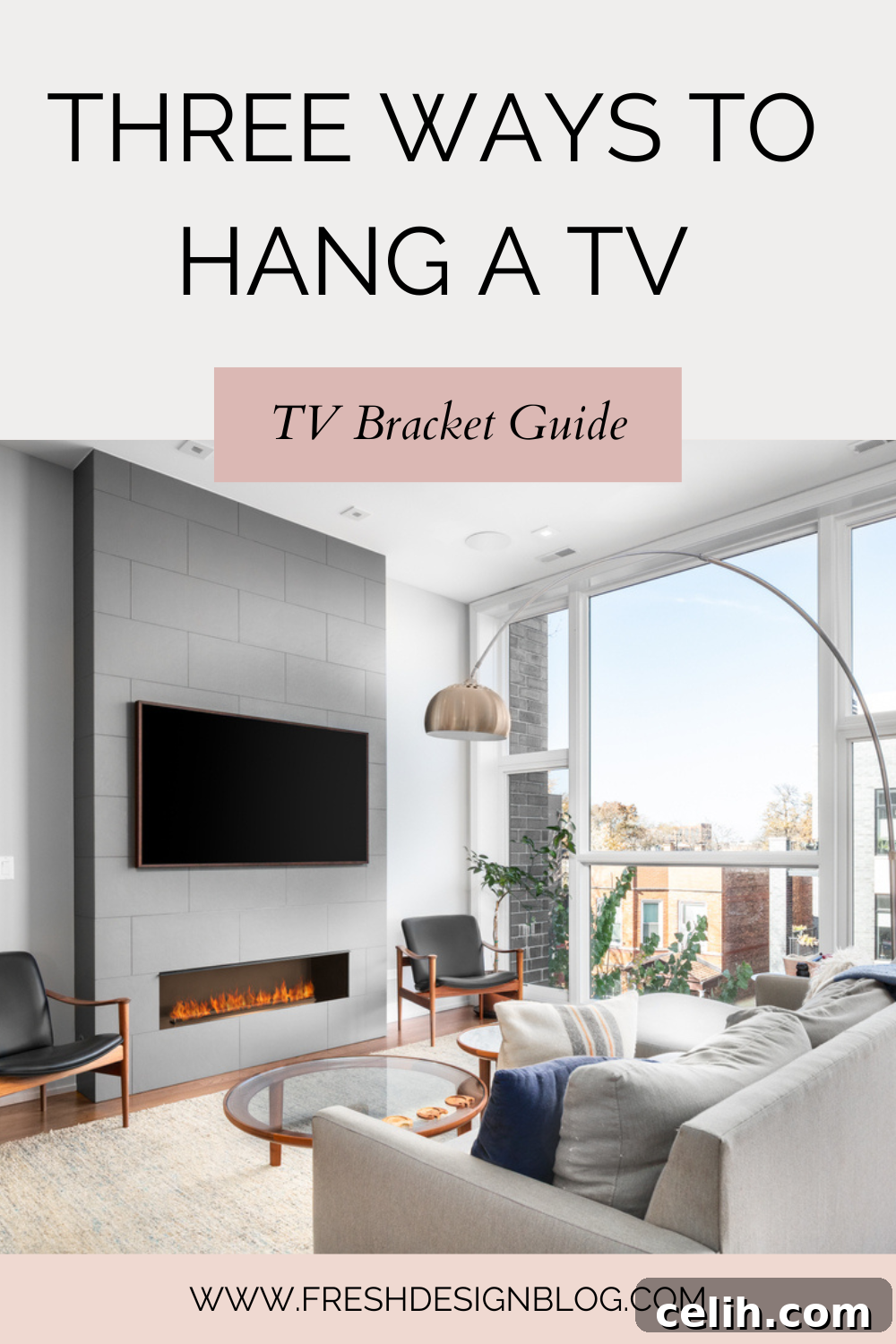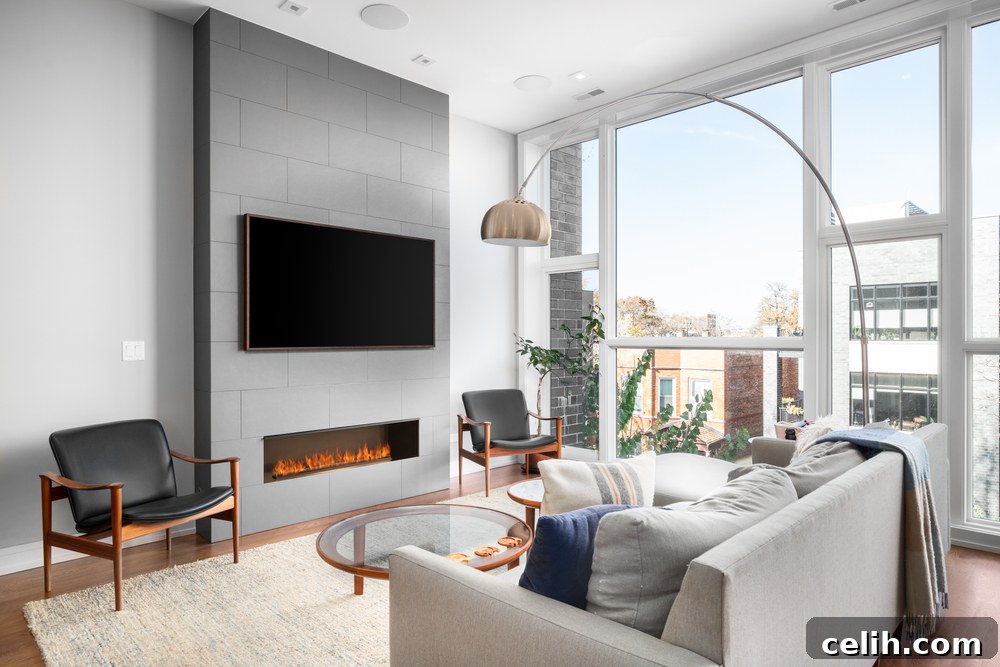
Transforming your living space with a wall-mounted TV offers a sleek, modern aesthetic and frees up valuable floor space. However, to achieve the perfect setup, selecting the right TV bracket is paramount. Not all TV mounts are created equal, and understanding the distinct types available is crucial for optimizing your viewing experience, ensuring safety, and complementing your home’s design. This comprehensive guide will explore the various TV bracket types, helping you make an informed decision for your wall-hung television.
Flat TV Brackets: The Ultimate in Sleek Simplicity
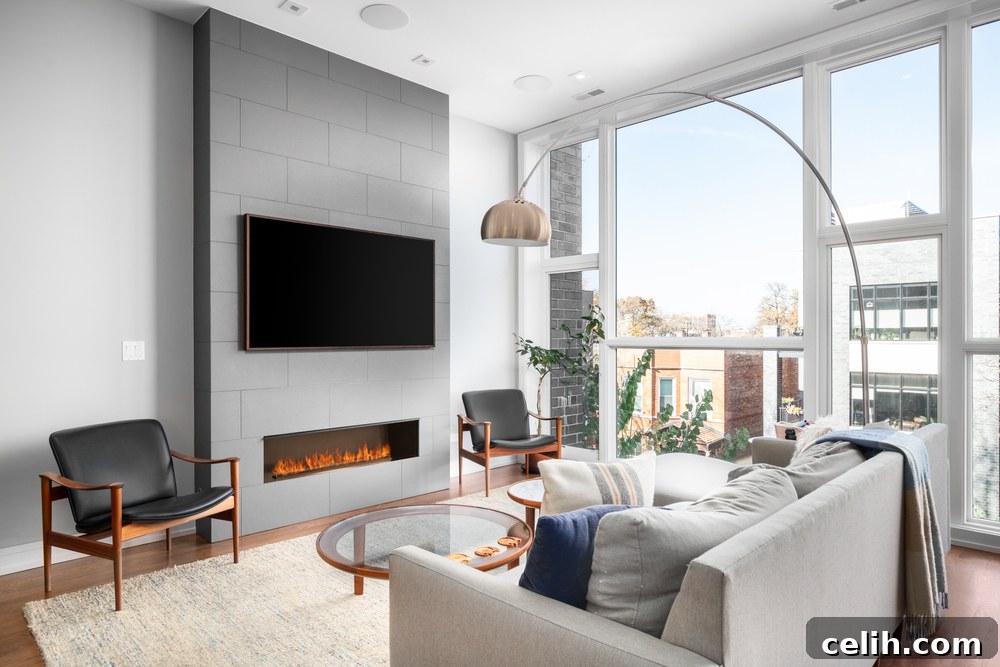
In contemporary living rooms, the desire for clean lines and a minimalist aesthetic is ever-present. Modern televisions, with their incredibly slim profiles, are perfectly suited for wall mounting, allowing them to blend effortlessly into the decor. If you envision your television as a framed piece of art, a flat TV bracket is your ideal choice. These fixed mounts keep your TV incredibly close to the wall, offering the most low-profile solution available.
Flat wall mounts are especially beneficial in smaller living areas where every inch of space counts. By eliminating the need for a bulky TV stand or entertainment unit, you reclaim floor space, making your room feel larger and more open. When mounted at eye level directly opposite your primary seating area, such as a sofa, flat brackets provide an optimal and consistent viewing angle, mirroring the experience of watching a picture hanging on the wall. This type of TV bracket is perfect for those who do not require any screen adjustment after installation and prioritize an uncluttered, sophisticated look for their main viewing space.
Consider a flat TV mount if your room has a single, fixed viewing position and you appreciate a static, art-like display for your television. They are often the most straightforward to install and typically the most budget-friendly option among TV bracket types, making them an excellent starting point for any wall-mounted TV project.
Tilting TV Brackets: Enhanced Comfort and Glare Reduction
Imagine unwinding in your bedroom after a long day, comfortably reclined in bed, enjoying your favorite movie or TV series. For this indulgent experience, simply having a TV mounted flat on the wall might not provide the best viewing angle, potentially leading to neck strain. This is where tilting TV brackets come into play, offering a significant upgrade in comfort and versatility.
Tilting mounts allow you to adjust the vertical angle of your television, typically downwards. This feature is invaluable in bedrooms, where viewers are often in a reclined position. By tilting the screen, you can easily find the perfect viewing angle that aligns with your gaze, eliminating the need to crane your neck or adjust your posture. This ergonomic benefit ensures a more relaxed and enjoyable viewing experience, allowing you to truly settle into comfort.
Beyond comfort, tilting wall brackets offer another practical advantage: glare reduction. Rooms with large windows or multiple light sources can often suffer from distracting reflections on the TV screen. With a tilting mount, you can angle the screen downwards, away from direct light sources, effectively minimizing glare and ensuring your viewing pleasure isn’t hampered by natural or artificial elements. This makes them an excellent choice not just for bedrooms, but also for rooms where the TV might be mounted higher than eye level, such as above a fireplace, where downward tilt is essential for comfortable viewing.
Full-Motion TV Brackets: Ultimate Flexibility for Dynamic Spaces
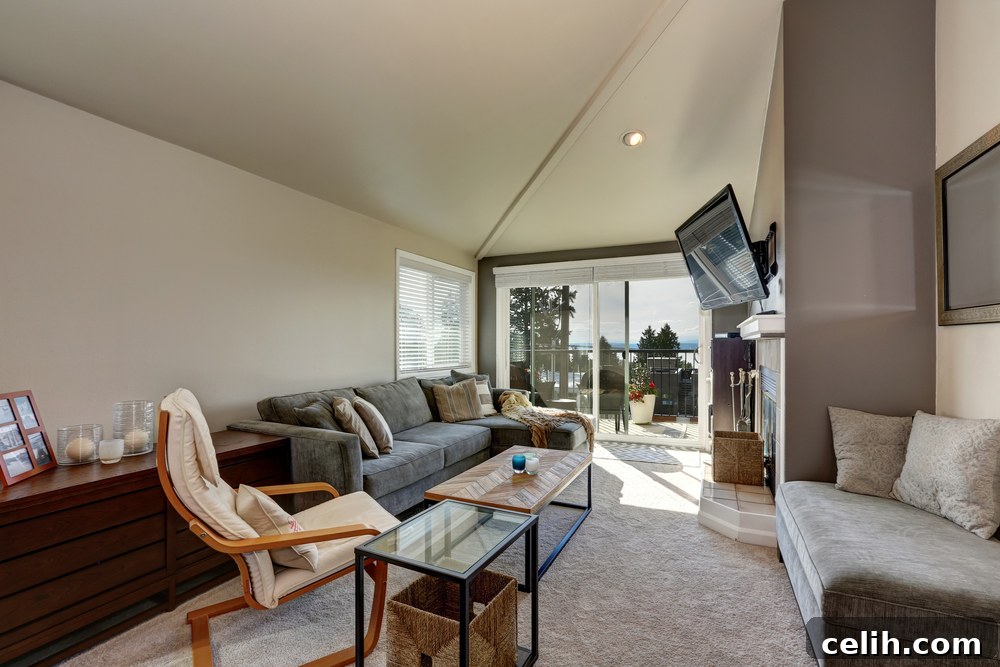
For dynamic, multi-functional spaces like open-plan living-dining rooms, kitchen-diners, or even large entertainment areas, a fixed or even tilting TV bracket often falls short. These environments typically involve multiple viewing zones, requiring the TV to be visible from various points – whether you’re cooking in the kitchen, dining with family, or relaxing on the sofa. In such scenarios, a static screen simply won’t suffice, and this is precisely where full-motion TV brackets, also known as articulating or swivel mounts, prove indispensable.
As their name suggests, full-motion brackets offer the most extensive range of movement. They allow your TV to not only tilt vertically but also swivel horizontally, and even extend away from the wall. This incredible flexibility means you can effortlessly adjust your screen to virtually any position, ensuring an optimal viewing angle from anywhere in the room. Imagine being able to pull your TV out, angle it towards the kitchen while you prepare a meal, then swivel it back towards the dining table for dinner, and finally adjust it for comfortable lounging on the sofa.
Beyond providing multi-angle viewing, full-motion mounts also offer practical benefits like easy access to the back of your television for cable management or connecting new devices without needing to remove the TV from the wall. They are excellent for corner installations or for maximizing viewing in awkwardly shaped rooms. While typically requiring a more robust installation due to their greater extension and movement capabilities, the versatility and enhanced viewing experience offered by full-motion TV brackets make them an invaluable investment for complex or highly flexible living spaces.
Crucial Considerations When Selecting Your TV Bracket
Choosing the right TV bracket goes beyond just deciding between flat, tilting, or full-motion. Several critical factors must be considered to ensure compatibility, safety, and a successful installation:
- TV Size and Weight Capacity: This is arguably the most important factor. Every TV mount has a specified weight capacity and is designed for a range of TV screen sizes. You must ensure that your TV’s weight does not exceed the bracket’s maximum capacity. Mounting an overweight TV is extremely dangerous and can lead to the TV falling, causing significant damage or injury.
- VESA Compatibility: VESA (Video Electronics Standards Association) is a set of standards for mounting interfaces. Look for the VESA pattern (e.g., VESA 200x200mm, VESA 400x400mm) on the back of your TV and ensure your chosen bracket supports this pattern. Most modern TVs and mounts adhere to VESA standards, simplifying the selection process.
- Wall Type: The type of wall you plan to mount your TV on is crucial. Different walls (e.g., drywall with studs, brick, concrete, plaster and lath) require different mounting hardware and techniques. Always locate wall studs when mounting to drywall for secure attachment. If mounting to brick or concrete, specialized anchors are needed. If unsure, consulting a professional is always recommended.
- Viewing Height and Angle: Determine the ideal height for your TV. For living rooms, eye level when seated is generally preferred. For bedrooms, slightly higher with a tilt may be better. Visualize your primary viewing positions and how the chosen bracket type will accommodate them.
- Cable Management: A wall-mounted TV looks best when cables are hidden. Consider how you will route and conceal power cords and HDMI cables. Some mounts offer built-in cable management channels, or you might need to install in-wall cable kits or decorative cable covers.
- Installation Difficulty: Flat mounts are generally the easiest to install, followed by tilting, and then full-motion brackets, which require more precision and robust anchoring. Assess your DIY skills. If you’re not confident, hiring a professional installer is a wise investment to ensure safety and proper functionality.
By carefully evaluating these points, you can narrow down your options and select a TV mount that not only meets your functional needs but also provides the highest level of safety and integrates seamlessly into your home environment.
Secure Installation: Ensuring Safety and Longevity
Once you’ve made the perfect choice for your TV bracket, the next crucial step is ensuring its proper and secure installation. The safety of your expensive television and, more importantly, the people in your home, depends on it. Always begin by thoroughly reading the instructions provided with your specific TV mount. These guides contain vital information tailored to your bracket model and should not be overlooked.
For most installations on drywall, the paramount rule is to mount the bracket into wall studs. Studs provide the necessary structural support to bear the weight of your TV. Invest in a reliable stud finder to accurately locate these wooden or metal supports behind your drywall. Mark their positions carefully to ensure the mounting plate aligns correctly. If you are mounting on brick, concrete, or other masonry, you will need specialized drill bits and anchors designed for these materials. Never rely solely on drywall anchors for heavy TVs, as they are generally insufficient to support significant weight over time.
Gather all the necessary tools before you begin, which typically include a drill, level, measuring tape, and a screwdriver. A level is indispensable for ensuring your TV hangs perfectly straight. Double-check all measurements before drilling to avoid unnecessary holes. When fastening the bracket to the wall, tighten all screws firmly but avoid over-tightening, which can strip screws or damage the wall.
If you find yourself uncomfortable with DIY projects or the installation seems particularly complex (especially for larger, heavier TVs or full-motion mounts), it is highly advisable to hire the services of a professional installer. Professionals have the experience, specialized tools, and expertise to ensure your TV bracket is fitted securely and safely, giving you complete peace of mind. Investing in professional installation can prevent costly mistakes, potential damage to your TV or wall, and, most importantly, mitigate the risk of injury from a falling television.
Once your chosen TV brackets are perfectly fitted and your television has been mounted with precision and care, it’s time for the best part. Sit back, relax, and immerse yourself in your favorite TV shows, movies, or games, enjoying an enhanced viewing experience in the comfort and style of your beautifully arranged home entertainment setup.
PIN IT!