
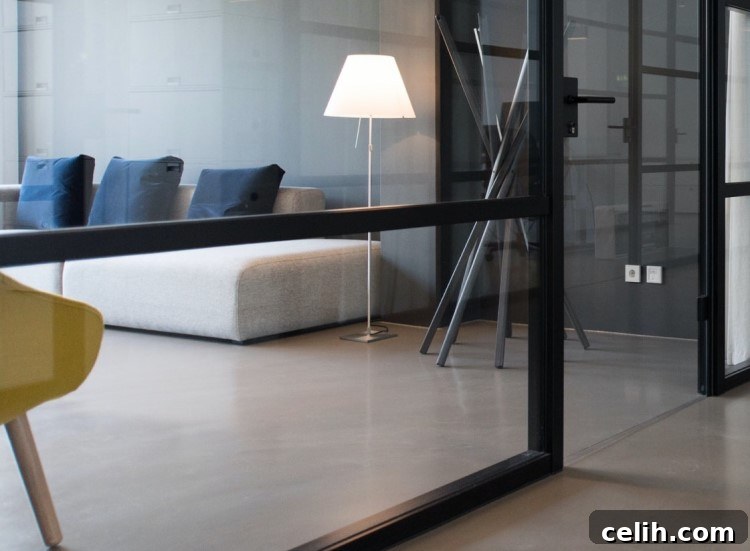
In a world where urban living often implies compact spaces, the New York loft style emerges as a refreshing antidote, offering expansive aesthetics and a distinct character that has captivated homeowners and designers worldwide. While a physical visit to the iconic lofts of Manhattan might be out of reach for many, there’s no reason why you shouldn’t infuse a touch of this coveted urban sophistication into your own dwelling. This timeless design philosophy, rooted in practicality and raw beauty, celebrates industrial heritage while embracing contemporary comfort.
The beauty of the New York loft style lies in its adaptability. It’s not about replicating a specific space but understanding its core principles and applying them in a way that resonates with your home’s unique architecture and your personal taste. Whether you reside in a sprawling suburban house or a modest city apartment, elements of this iconic look can be seamlessly integrated. Join us as we explore the defining characteristics of New York loft design and uncover practical strategies to bring this industrial-chic aesthetic into your living space, creating an environment that feels both historic and cutting-edge.
Understanding the Essence of New York Loft Style
The term “New York loft style” typically conjures images from films and magazines, showcasing interiors that resonate with a powerful sense of history and modernity. This distinctive aesthetic primarily originates from the conversion of older commercial and industrial buildings—such as factories, warehouses, and old printing houses—into residential spaces. These conversions, which began in earnest in the mid-20th century, particularly in areas like SoHo and Tribeca, were initially a pragmatic solution for artists seeking large, affordable workspaces and living areas.
To retain a tangible link to their former industrial purpose and rich history, designers often preserved and highlighted the raw, unfinished elements of these structures. This preservation created a unique blend of rugged authenticity and sophisticated living. Key elements frequently encountered in genuine New York lofts include:
- Exposed Brick Walls: Often left unplastered, revealing the natural texture and imperfections of the original construction, adding warmth and character.
- Industrial Steel Girders and Columns: Structural components that become prominent design features, emphasizing the building’s robust framework.
- Polished Concrete Floors: Durable, low-maintenance, and reflecting light, these floors underscore the industrial foundation.
- Exposed Ductwork and Pipes: Instead of concealing utilities, they are celebrated as part of the industrial narrative, adding visual interest and a sense of transparency.
Architecturally, these spaces boast huge windows, often spanning floor to ceiling or featuring unusual shapes that were never intended for domestic use, flooding the interiors with natural light. Ceilings are typically soaring, and rooms are vast and airy, with a deliberate minimum of dividing walls, promoting an open-concept living environment. This “full-on” industrial look, while undeniably captivating, might not suit every home in its entirety. However, by understanding these foundational elements, you can selectively incorporate touches to achieve a personalized New York loft-inspired design that feels authentic and inviting.
Crafting Your Own New York Loft Style Interior
Bringing the distinctive charm of a New York loft into your home involves a thoughtful blend of raw materials, functional design, and an appreciation for open spaces. It’s about celebrating the beauty in imperfection and finding elegance in industrial utility. Here’s a detailed guide on how to achieve this coveted style.
Embrace the Raw Beauty of Exposed Brickwork
One of the most iconic hallmarks of New York loft design is the exposed brick wall. This feature instantly adds warmth, texture, and a sense of history to any room. If you’re considering this, several approaches are possible:
- Exposing Existing Brick: If your home is older, you might have brick hidden behind plaster. This can be a rewarding, albeit somewhat risky, venture. Begin by testing a small, inconspicuous area to assess the condition of the brickwork underneath. If it’s sound, you can carefully remove the plaster. Remember to clean and seal the exposed brick to prevent dust and enhance its longevity.
- Using Brick Slips: For those without existing brick or seeking a less invasive option, brick slips are an excellent alternative. These thin slices of real brick are lighter and take up less space than full bricks, making them ideal for creating an authentic look without structural modifications. They are adhered to your existing wall, offering a seamless finish.
- Brick-Effect Wallpaper: For a completely safe and reversible option, high-quality brick-effect wallpaper has come a long way. Modern designs are incredibly realistic and offer a quick way to achieve the desired aesthetic without commitment.
Whichever method you choose, consider implementing exposed brickwork on just one feature wall initially. This is often enough to make a significant impact without overwhelming the space, preventing the room from feeling too much like an industrial warehouse. To soften the look or if the bricks aren’t pristine, a coat of dark paint can transform it into a sophisticated, textured feature.
Leveraging Industrial Materials and Finishes
Loft living thrives on a sense of openness and authenticity, which extends to the choice of materials. Spaces should feel expansive rather than cluttered, with materials that celebrate their raw form:
- Polished Concrete: Beyond flooring, polished concrete can be used for countertops or even feature walls, offering a sleek, minimalist, and incredibly durable surface. If retrofitting concrete floors is too complex or expensive, consider large format concrete-effect tiles or microcement overlays for a similar aesthetic.
- Steel and Metal Accents: Integrate steel in various forms – brushed, blackened, or raw. This could be seen in shelving units, furniture frames, staircase railings, and light fixtures. Copper and brass accents, especially in plumbing or decorative elements, add a touch of warmth and metallic sophistication, continuing a trend that shows no signs of waning.
- Raw Wood and Glass: Balance the hardness of metal and concrete with natural, unfinished wood elements. Reclaimed wood tables, shelving, or even ceiling beams can introduce organic texture and warmth. Large expanses of glass, whether in windows, internal doors, or room dividers, are crucial for enhancing light and maintaining an open, airy feel.
Open-Concept Layouts and Furniture with Purpose
The essence of industrial style interior design is its open, uncluttered nature. Furniture plays a crucial role in defining zones within an open-plan space without erecting physical barriers. Opt for pieces with simple, clean lines that emphasize functionality and durability. Think oversized, comfortable sofas that invite relaxation, often upholstered in natural materials like leather, canvas, or linen.
When selecting furniture, prioritize materials such as steel, raw wood, and glass. A large, reclaimed wood dining table, metal-framed shelving units, or a sleek, low-profile bed frame all contribute to the aesthetic. Avoid overly ornate or delicate pieces. Instead, choose items that appear robust and purposeful, echoing the industrial origins of the style.
The Importance of Lighting: Illuminating Your Industrial Space
In any interior design, lighting is paramount, but in a New York loft style space, it’s a vital component that accentuates the architectural features and sets the mood. Natural light is king, so minimize heavy window treatments to allow light to pour in through those expansive windows.
For artificial lighting, embrace fixtures that reflect the industrial ethos:
- Industrial Pendant Lights: Over a dining table, kitchen island, or as a statement piece in a living area, oversized industrial-style pendant lights with metal shades or exposed bulbs help define zones and create clean, contemporary lines.
- Track Lighting: This flexible lighting solution is perfect for illuminating specific areas, highlighting artwork, or providing general ambient light in an open space.
- Task Lighting: Incorporate steel Anglepoise-style desk lamps and floor lamps to add focused pools of light where needed, combining functionality with an iconic industrial design.
Mastering the Neutral Color Palette with Textural Depth
The foundation of a New York loft style color scheme is unequivocally neutral, yet this is far from boring. White, cream, beige, and various shades of pale grey or charcoal serve as the perfect backdrop, allowing the raw materials and structural elements to truly shine. These colors enhance the feeling of space and light, creating a calm and sophisticated ambiance.
To prevent the space from feeling too stark or clinical, introduce an abundance of texture. This is where the neutral palette comes alive:
- Soft Furnishings: Layer chunky knit cushions, faux fur rugs and throws, and upholstery fabrics with noticeable texture (like linen, tweed, or distressed leather).
- Natural Elements: Incorporate natural wood grains, the rough tactile quality of exposed brick, and the smooth coolness of polished concrete.
- Subtle Accents: While the base is neutral, small pops of muted color can be introduced through artwork, plants, or carefully chosen decorative objects. Deep greens, blues, or even a touch of rust can add depth without disrupting the overall serenity.
Designing Loft-Inspired Kitchens and Bedrooms
The New York loft style extends seamlessly into every corner of the home, transforming even the most functional spaces into stylish havens.
- Sleek Kitchens: The kitchen in a loft setting is all about ‘sleek and contemporary.’ Prioritize integrated appliances and plenty of hidden storage behind handle-less cabinets to maintain clean lines and an uncluttered appearance. Introduce interest with accents of copper on taps and pans, or black steel hardware. Concrete countertops are a popular choice for their durability and industrial appeal.
- Serene Bedrooms: For New York loft style bedrooms, tranquility is key. While polished concrete floors can be striking, if retrofitting is impractical, consider other natural flooring materials like wide-plank wood (e.g., reclaimed oak or unfinished pine) or large format tiles for a similar grounded feel. White remains the ultimate color choice for walls and bedding, promoting a sense of calm and spaciousness. Accentuate comfort with layered textures in throws, pillows, and rugs, contrasting with the minimalist backdrop.
Accessorizing with Urban Flair
The final touches make all the difference. Think about what defines urban chic and industrial aesthetics:
- Large-Scale Art: A single, bold piece of abstract art or a striking black and white photograph can command attention in a large, open space.
- Greenery: Introduce indoor plants to soften the industrial edges. Tall snake plants, fiddle leaf figs, or hanging philodendrons in minimalist pots add life and a touch of biophilic design.
- Vintage and Reclaimed Finds: Scour flea markets for unique vintage pieces like old factory clocks, metal filing cabinets, or rustic wooden crates to add character and a sense of history.
- Mirrors: Large mirrors with simple frames can amplify light and make a room feel even more expansive.
The New York loft style is more than just a trend; it’s a design philosophy that celebrates history, functionality, and open living. By incorporating raw materials, clean lines, and a thoughtful approach to space and light, you can create a home that truly reflects the urban sophistication and timeless appeal of a New York loft, customized perfectly for your personal sanctuary.
Main image: (c) Nastuh Abootal/Unsplash