
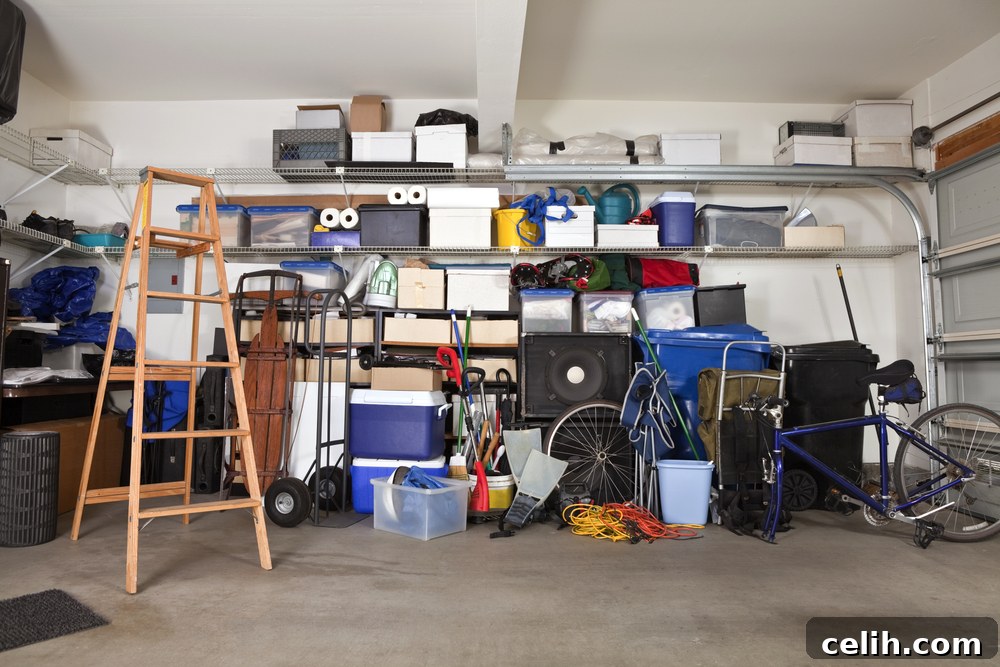
Is your garage currently a cluttered wasteland, a space where items accumulate but rarely find their proper home? Do you dread stepping inside, confronted by a chaotic jumble of tools, sports gear, and forgotten treasures? If you find yourself nodding in agreement, then you’re not alone. Garages often become the ultimate dumping ground, losing their true potential as valuable extensions of our living space. But imagine a different scenario: a well-organized, efficient, and even aesthetically pleasing environment that perfectly serves your lifestyle. This isn’t just a pipe dream; it’s an achievable reality!
Transforming your garage from a chaotic storage unit into a highly functional and organized area might seem like a daunting task, but with the right approach, strategic planning, and a touch of determination, it’s entirely possible. A garage makeover isn’t just about tidying up; it’s about reclaiming valuable square footage, improving safety, and creating a more harmonious home environment. We’ve compiled a comprehensive guide filled with actionable tips and clever tricks to help you navigate every step of this exciting transformation. Get ready to unlock the full potential of your garage and discover how to turn it into a space that works for you, not against you, leading to a more efficient and stress-free life. For more inspiration on optimizing compact living, explore innovative design solutions for small spaces.
Step 1: Define Your Garage’s Purpose and Assess Your Needs
Before you lift a single box or buy any garage storage solution, the crucial first step in any successful garage transformation is to thoroughly assess your current storage needs and define the primary purpose of your garage. This isn’t just about identifying what you *have*, but understanding what you *need* to store and how you intend to use the space going forward. Without this foundational understanding, you risk investing time and money into solutions that don’t truly serve your long-term goals for a highly functional garage.
Start by asking yourself some critical questions: What items absolutely *must* be stored in the garage? Do you primarily use it for parking vehicles, as a workshop, for storing seasonal items, or a combination of these? Consider the different categories of items that currently reside there: automotive supplies, gardening tools, sports equipment, holiday decorations, camping gear, DIY project materials, or perhaps sentimental items. Create a comprehensive inventory, either mentally or by jotting it down. Group similar items together. For instance, all gardening tools in one category, all camping gear in another. This categorization process provides invaluable insight into the sheer volume and diversity of items you’re working with, forming the bedrock for your future organization plan. By clearly understanding what needs a home, you can approach your garage makeover with purpose and efficiency, ensuring every item has a designated, accessible spot.
Step 2: Declutter Ruthlessly and Sort Strategically
With a clear understanding of your garage’s purpose and contents, the next vital step is to declutter and sort. This stage is often the most physically demanding but also the most rewarding, as it immediately frees up valuable space and clarifies what you truly need to keep. Approaching decluttering without sentimentality is key; remember, every item you keep demands space, and every item you let go creates breathing room, paving the way for a more organized garage.
To make this process manageable, adopt a systematic approach. Pull everything out of your garage that you possibly can, or at least create working zones within it. Then, sort your belongings into four distinct categories. This ‘four-box method’ or similar sorting strategy prevents overwhelm and guides your decision-making, turning a chaotic mess into an achievable organization project:
- Keep: These are items you use regularly, are in good condition, and are essential for your defined garage purpose. Place them aside carefully.
- Donate/Sell: Items that are still functional and in good shape but no longer serve a purpose for you. Think about giving them a second life through charity shops, online marketplaces, or a garage sale. This reduces waste and benefits others.
- Dispose/Recycle: Broken items, hazardous materials (which require special disposal), or anything that is truly unusable. Ensure environmentally responsible disposal methods for specific items, such as old paint, chemicals, or electronics.
- Relocate: Items that don’t belong in the garage at all, such as household items that have migrated out or paperwork that belongs indoors. Move these to their rightful place in your home.
During this rigorous sorting, be honest with yourself. If an item hasn’t been used in several years, is broken beyond practical repair, or you have multiples of the same thing, it’s likely time to let it go. Overcoming sentimental attachment can be challenging, but remind yourself of the goal: a functional, organized garage. This decluttering phase is not just about clearing space; it’s about simplifying your life, improving safety by removing hazards, and making room for what truly matters.
Step 3: Design Your Garage’s Functional Layout
Once your garage is decluttered and only the essential items remain, it’s time to move on to the strategic planning of its layout. This step transforms your understanding of what you *have* into a visual blueprint of how you want your space to *function*. A well-thought-out garage layout maximizes efficiency, ensures accessibility, and creates a logical flow within your garage, making it an enjoyable space to use.
Begin by considering the primary activities that will take place in your garage. Will it house one or two cars? Do you need a dedicated workbench for DIY projects, a storage zone for gardening supplies, or an area for sports equipment? Sketching your garage layout on paper, or using a digital planning tool, can be incredibly helpful. Measure the dimensions of your garage and the larger items you need to store, such as vehicles, lawnmowers, or large toolboxes. This allows you to accurately allocate space and visualize potential conflicts, ensuring everything fits comfortably.
Think about creating distinct “zones” within your garage. This segmentation helps maintain order and ensures specific items are always found in their logical place:
- Parking Zone: Ensure adequate space for vehicles, including door clearance, and room to maneuver around them.
- Workshop Zone: If applicable, place your workbench near power outlets and good lighting. Consider incorporating tool storage directly above or below this area.
- Gardening Zone: Group shovels, pots, soil, and fertilizers together, perhaps near a side door for easy outdoor access.
- Sports Equipment Zone: Store bikes, balls, helmets, and camping gear in an accessible area that’s easy for family members to reach and put away.
- Seasonal Storage Zone: For holiday decorations, winter clothing, or other infrequently used items, often best placed in less accessible overhead or high-shelf areas.
As you plan, consider traffic flow. How will you move through the space? Ensure frequently used items are easily reachable without having to move other objects. Don’t forget about safety and regulations, especially concerning flammable materials or sharp tools. A high-quality garage floor coating isn’t just about aesthetics; it provides a durable, easy-to-clean surface that can withstand spills and heavy use, enhancing the overall functionality and longevity of your newly designed space. This thoughtful planning stage is critical for developing a garage that is both practical and a pleasure to use.
Step 4: Implement Smart and Diverse Storage Solutions
The secret to a truly functional and efficient garage isn’t necessarily having an expansive area; it’s about intelligently maximizing every inch of the space you possess. Once your layout is planned, it’s time to invest in and install the right storage solutions that cater specifically to your categorized items and designated zones. The market offers a vast array of options, so selecting the most appropriate ones for your needs is crucial. A strategic combination of different storage types will yield the best results for a well-organized garage.
Here are some essential storage solutions to consider for transforming your garage:
- Heavy-Duty Shelving Units: These are indispensable for organizing a wide variety of items. Freestanding metal shelves with adjustable heights are perfect for storing large, bulky items like boxes, paint cans, gardening bags, and even heavy sports equipment. Wall-mounted shelving can free up floor space and is excellent for lighter items or those you need to access frequently. Opt for sturdy materials like steel or heavy-duty plastic that can handle the weight you intend to store, ensuring safety and longevity.
- Cabinets and Drawers: For a cleaner, more streamlined look, or to protect items from dust, moisture, and pests, enclosed cabinets are ideal. They are perfect for hazardous materials (like cleaning chemicals, kept out of reach of children), valuable tools, or delicate accessories. Cabinets can come in various materials, including metal, wood, or plastic. Drawers within a workbench or a separate cabinet can keep smaller items like nuts, bolts, screws, and spare parts neatly sorted and easily accessible, preventing clutter on work surfaces.
- Pegboards and Slatwalls: These versatile wall systems are game-changers for optimizing vertical space and keeping frequently used tools visible and within arm’s reach. With a variety of hooks, baskets, and shelves designed to attach to them, pegboards and slatwalls can neatly store hand tools, garden implements, extension cords, and even larger items like bicycles or folding chairs. They make tool retrieval and put-away incredibly efficient, as everything is visually organized.
- Overhead Storage Racks: Don’t forget the ceiling! Overhead storage racks are perfect for items you use infrequently but still need to store, such as holiday decorations, seasonal sports gear (skis, canoes), bulky camping equipment, or even spare tires. These robust systems utilize otherwise wasted space above your head, keeping your floor clear and maximizing the overall storage capacity of your garage. Ensure they are professionally installed or securely mounted to ceiling joists for safety.
- Bins, Totes, and Containers: For smaller items, or to group similar items within shelves or cabinets, clear plastic bins and opaque totes are invaluable. Use them for gardening supplies, car care products, craft items, or small sports accessories. The key is to label each bin clearly and consistently, so you can quickly identify its contents without rummaging. Stackable bins further enhance space efficiency. Consider airtight containers for items susceptible to moisture or pests, common in garage environments.
- Specialized Racks and Hooks: Beyond general shelving, many specific items benefit from specialized storage. Bicycle hooks that hang bikes vertically, ladder hooks, hose reels, and sports ball cages are just a few examples. These ensure items are stored safely, efficiently, and without taking up unnecessary floor space, contributing significantly to a truly organized garage.
When selecting solutions, always consider the durability of the materials, ease of installation, and how well they integrate with your overall garage layout and aesthetic. A well-chosen combination of these storage solutions will transform your garage into an orderly, accessible, and highly functional extension of your home. If you’re looking for more guidance on maximizing space, companies like Pink Storage offer insights into efficient storage planning for various needs.
Step 5: Establish a Sustainable Organization System
An organized garage isn’t a one-time project; it’s an ongoing commitment that requires a sustainable system. The investment in decluttering and installing garage storage solutions will quickly diminish if items aren’t consistently returned to their designated places. Establishing clear rules and habits for maintaining order is paramount to long-term success. Think of it as creating a “home” for every item, and ensuring everyone in the household knows where that home is.
Here’s how to develop an effective and lasting garage organization system:
- Label Everything Clearly: This is arguably the most crucial component of any effective organization system. Whether you’re using bins, shelves, or drawers, apply clear, concise labels to everything. Use a label maker, stencils, or even simple handwritten tags that are legible. For example, instead of a vague “Tools,” use “Hand Tools – Electrical,” “Gardening Hand Tools,” or “Power Tool Accessories.” This eliminates guesswork and ensures items are returned to the correct spot every time, regardless of who is putting them away, preventing clutter from accumulating.
- Color-Code for Easy Identification: Enhance your labeling system with color-coding. This can be particularly useful for grouping broad categories or for differentiating items belonging to different family members. For instance, all gardening supplies might be in green-labeled bins, while car maintenance items are in blue. You could even use different colored bins for distinct purposes. This visual cue can speed up item retrieval and return, making the system intuitive and efficient. For more tips on this, explore resources on using color-coding for organization.
- Communicate and Involve the Family: An organization system only works if everyone who uses the garage understands and adheres to it. Hold a family meeting to explain the new layout and the logic behind where everything belongs. Assign responsibility for putting away specific items or maintaining certain zones. Encourage feedback and make it a collective effort. Consistency from all users is the cornerstone of a perpetually tidy garage.
- Adopt the “One Touch” Rule: Implement the “one touch” rule: when you use an item, make a conscious effort to put it back immediately after use. Avoid setting it down “just for a moment” with the intention of putting it away later. This simple habit prevents clutter from accumulating and reinforces the habit of proper storage, keeping your garage consistently organized.
By integrating these systematic practices, you transition from merely having a clean garage to one that stays organized with minimal ongoing effort. This proactive approach ensures your garage remains a highly functional and enjoyable space for years to come, truly maximizing its potential.
Step 6: Maximize Vertical Space with Wall and Ceiling Storage
One of the most common oversights in garage organization is the underutilization of vertical space. Your garage walls and even the ceiling offer vast, untapped potential for storage that can dramatically free up precious floor area. By looking up, you can transform your garage from cluttered to spacious, safe, and efficient, making the most of every square foot.
Think beyond just placing items on shelves. Modern garage organization thrives on innovative vertical solutions:
- Heavy-Duty Wall Hooks and Racks: Simple yet incredibly effective, heavy-duty wall hooks and racks can accommodate a wide range of items. Hang rakes, shovels, brooms, and other long-handled gardening tools. Use specialized hooks for bicycles, ladders, extension cords, and even folding chairs. This keeps them off the floor, preventing tripping hazards and making them easily accessible when needed.
- Pegboards and Slatwalls (Revisited): While mentioned in general storage solutions, their primary strength lies in their vertical utility. These modular systems allow you to customize your wall storage with various hooks, bins, and small shelves to hold hand tools, craft supplies, safety gear, and more. They offer incredible flexibility, allowing you to rearrange items as your needs evolve, ensuring your wall space is always optimized.
- Overhead Storage Racks (Revisited): The ceiling is ideal for storing seasonal or infrequently used items. Robust overhead racks, securely mounted to ceiling joists, can hold bulky plastic totes filled with holiday decorations, camping equipment, winter sports gear, or even car top carriers. This keeps them out of the way but still within reach when needed, completely clearing your floor space for vehicles or a workshop area, enhancing overall garage functionality.
- Magnetic Tool Holders: For small metal tools like screwdrivers, wrenches, and drill bits, magnetic strips mounted to the wall or workbench are perfect. They keep tools visible, organized, and prevent them from getting lost in drawers or toolboxes, making your workspace more efficient.
By strategically implementing these vertical storage solutions, you not only maximize your garage’s storage capacity but also enhance its safety and aesthetic appeal. Clearing items from the floor reduces clutter, makes cleaning easier, and significantly minimizes the risk of accidents. It’s a smart way to get more out of the space you already have, creating a truly organized and safe garage environment. For more ideas on how to utilize overhead space efficiently, consider resources on making the most of your garage space.
Step 7: Upgrade Your Lighting and Flooring for Enhanced Functionality
While often overlooked in the excitement of organization, upgrading your garage’s lighting and flooring are fundamental steps that can profoundly impact its functionality, safety, and overall appeal. These elements form the foundation of a truly usable and enjoyable garage space, transforming it from a mere storage area into an integrated part of your home.
Enhanced Lighting for Visibility and Safety
Good lighting is absolutely critical in a functional garage. Many garages are equipped with inadequate, dim, or poorly placed lighting, making tasks difficult and even dangerous. Replace old, inefficient incandescent or fluorescent bulbs with modern LED fixtures. LEDs offer numerous benefits for garage lighting:
- Brightness: They provide superior illumination, ensuring every corner of your garage is well-lit, making it easier to find items and perform tasks safely. This also allows you to see all the space you can utilize for storage.
- Energy Efficiency: LEDs consume significantly less energy than traditional bulbs, saving on electricity costs over time.
- Longevity: They have a much longer lifespan, reducing the frequency and hassle of bulb replacement.
- Instant On: Unlike some older fluorescent lights, LEDs provide instant, full brightness, even in cold temperatures, which is common in garages.
Consider different types of lighting to create a comprehensive illumination plan, as discussed in ideas for lighting garage shelves:
- Ambient Lighting: Install bright, overhead fixtures (e.g., LED shop lights or panel lights) to illuminate the entire space evenly. Aim for adequate lumens to banish dark spots.
- Task Lighting: Install dedicated task lighting directly above workbenches or specific activity zones. This might include strip lights or adjustable spotlights to provide focused illumination for detailed work, reducing eye strain and improving precision for DIY projects.
- Accent Lighting: While less critical for pure functionality, well-placed accent lighting can highlight storage systems or display areas, adding to the garage’s aesthetic appeal and making it a more pleasant environment.
Durable and Attractive Flooring Solutions
Your garage floor endures a lot – vehicle traffic, oil spills, chemical splashes, heavy tools, and dirt. A bare concrete floor can be prone to staining, difficult to clean, and less visually appealing. Upgrading your flooring significantly improves both the appearance and practical functionality of your space, making it more resilient and easier to maintain.
One of the most popular and effective solutions is an epoxy floor coating. Epoxy provides a durable, seamless finish that offers numerous advantages for a garage environment:
- Resistance: It’s highly resistant to oil, grease, chemicals, and water, preventing unsightly stains and making spills easy to wipe up. This protects the underlying concrete.
- Durability: Epoxy creates a hard, long-lasting surface that can withstand heavy impacts, abrasion, and hot tire pickup, extending the life of your floor for many years.
- Aesthetics: Available in a wide range of colors and finishes (including decorative flakes), epoxy can dramatically enhance the look of your garage, giving it a polished, professional, and clean appearance.
- Easy to Clean: The smooth, non-porous surface is incredibly easy to sweep, vacuum, and mop, making routine maintenance a breeze and helping to keep dust down.
- Safety: Anti-slip additives can be incorporated into the epoxy mixture or topcoat to improve traction, significantly reducing the risk of slips and falls, especially when the floor is wet.
Other flooring options include interlocking tiles (rubber or PVC), which are easy to install and replace, or heavy-duty garage floor mats for specific areas like under vehicles or workbenches. Whichever option you choose, a refreshed and durable floor elevates the entire garage, making it a more pleasant, safer, and robust environment for all your activities.
Step 8: Long-Term Maintenance for a Perpetually Organized Garage
Congratulations! You’ve invested time, effort, and resources into transforming your garage into an organized, functional, and aesthetically pleasing space. However, this is not the end of the journey; it’s the beginning of a commitment to maintaining its newfound order. Without regular upkeep, even the most meticulously organized garage can quickly revert to a state of chaos. Developing consistent maintenance habits is crucial for ensuring your garage remains a productive and enjoyable area for years to come, truly maximizing your garage makeover investment.
Here are essential tips for long-term garage organization maintenance:
- Schedule Regular Decluttering Check-ups: Don’t wait for your garage to become overwhelmed again. Implement a routine for quick decluttering sessions. This could be monthly, quarterly, or seasonally. During these check-ups, quickly scan shelves and bins for items that have crept back in, belong elsewhere, or are no longer needed. This “little and often” approach prevents major overhauls later. Regularly review your stuff and promptly discard, recycle, or donate items you no longer use or that are broken beyond repair, keeping your garage clutter-free.
- Enforce the “Everything Has a Home” Rule: This is fundamental to maintaining an organized garage. Every item in your garage should have a designated spot. Make it a household rule that when something is used, it is immediately returned to its “home.” This prevents items from piling up on workbenches, floors, or in temporary spots, which is the precursor to clutter. Involve all family members in understanding and adhering to this system, ensuring everyone is accountable for their belongings.
- Adapt to Changing Seasons and Needs: Your garage’s organization system should be dynamic, adapting to the changing rhythms of your life and the seasons. As seasons change, rotate items to more accessible locations. For example, bring winter sports gear or holiday decorations forward as needed, and store summer items away. This proactive adjustment ensures your most relevant items are always within easy reach. Periodically reassess if your current system still meets your evolving needs or if minor adjustments are required.
- Prioritize Regular Cleaning: While your epoxy-coated floors may be stain-resistant, they definitely aren’t dust-resistant. Regular cleaning, even a quick sweep or vacuum, is vital for keeping your garage fresh and presentable. Dirt, debris, and sawdust can accumulate quickly. Wipe down shelves, tools, and work surfaces regularly. A clean environment not only looks better but also contributes to a more pleasant and safer working space, reducing allergens and potential slip hazards. For tougher spots on epoxy floors, a quick mop with a mild cleaner will usually suffice.
- Don’t Be Afraid to Re-evaluate: Your needs and possessions might change over time. If a certain storage solution isn’t working as efficiently as expected, or a particular zone is constantly becoming messy, don’t hesitate to re-evaluate and make changes. Organization is a continuous improvement process, and flexibility is key to long-term success.
By integrating these maintenance practices into your routine, you can ensure your garage remains a highly organized, efficient, and functional asset to your home, truly making the most out of every square foot and enjoying a stress-free environment.
Transforming your garage from a chaotic dumping ground to a highly organized and efficient storage space is a journey that yields incredible rewards. It’s about more than just tidying up; it’s about reclaiming valuable space, enhancing safety, and bringing greater harmony to your home. By systematically assessing your needs, decluttering with purpose, planning a functional layout, implementing smart storage solutions, establishing an intuitive organization system, maximizing vertical space, and upgrading essential features like lighting and flooring, you lay the groundwork for lasting order. Remember, the key to sustained success lies in consistent maintenance and a willingness to adapt your system as your needs evolve. Embrace these comprehensive strategies, and you’ll not only achieve a clutter-free garage but also create a functional extension of your living space that you’ll be proud of and truly enjoy for years to come.