
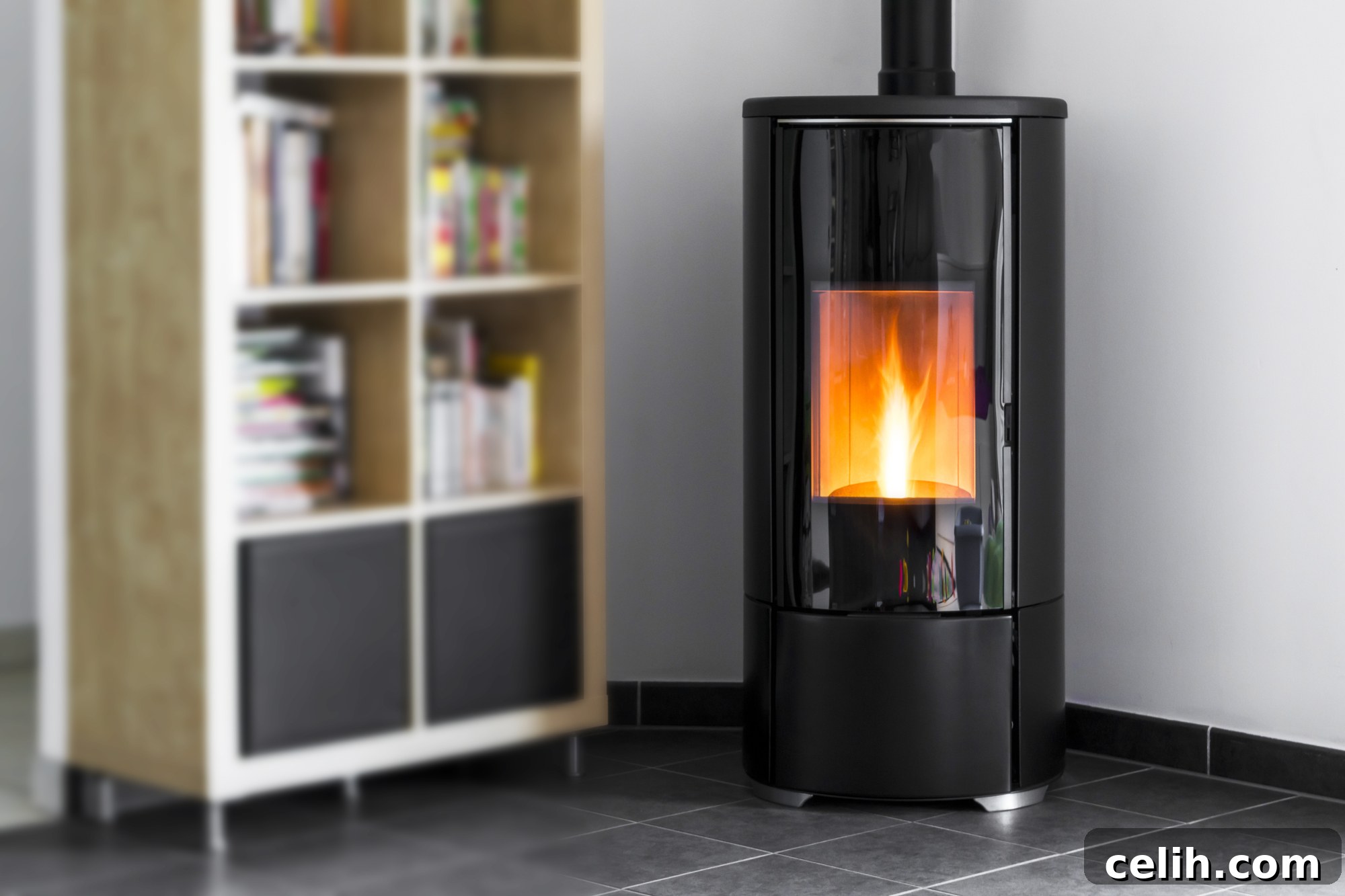
Are you considering a new, efficient, and environmentally conscious way to heat your home? A modern pellet stove might be the perfect solution you’ve been searching for. These innovative heating appliances offer consistent, reliable warmth throughout the colder seasons, all without the laborious tasks associated with traditional wood-burning, such as chopping wood or constant ash removal. They represent a significant upgrade in terms of convenience, cost-effectiveness, and environmental responsibility.
However, navigating the world of pellet stoves can be tricky. It’s crucial to understand that not all pellet stoves are created equal. They come in a diverse range of types, sizes, and packed with various features, each designed to cater to different home layouts, heating requirements, and lifestyle preferences. Choosing the wrong one can lead to inefficiency, discomfort, or buyer’s remorse.
So, how do you pinpoint the ideal pellet stove that perfectly aligns with your specific needs? This comprehensive guide is designed to empower you with the knowledge needed to make an informed decision. We’ll walk you through the essential questions to ask, key considerations to ponder, and crucial choices to make long before you light that first comforting flame. Let’s embark on this journey to discover the best heating solution for your home.
Why a Pellet Stove is the Smartest Heating Investment You Can Make
Let’s address one of the most pressing concerns for many homeowners: the rising cost of heating. Winter heating bills can often consume a substantial portion of your household budget. Pellet stoves offer a compelling alternative, designed to significantly reduce these expenses while providing superior comfort and convenience.
Here’s a deeper look into why a pellet stove is an intelligent choice for modern homes:
- Cost-Effective Fuel Source: Pellet stoves burn compressed wood or biomass pellets, a fuel source that is often more stable in price and significantly more affordable than traditional heating oil, propane, or electric heat. This offers a degree of economic predictability that other heating methods often lack, allowing homeowners to budget more effectively during peak heating seasons.
- Eco-Friendly Heating: Wood pellets are made from recycled wood waste, such as sawdust and wood chips, making them a renewable resource. Burning pellets is considered nearly carbon-neutral, as the carbon dioxide released during combustion is roughly equivalent to what the original trees absorbed during their growth cycle. Modern pellet stoves also produce ultra-low emissions, meeting strict environmental standards set by the EPA, making them a much greener choice for your home compared to fossil fuels.
- Consistent and Controllable Warmth: Unlike traditional wood stoves that require constant tending and often result in fluctuating temperatures, pellet stoves offer consistent, thermostatically controlled heat. You can set your desired temperature, and the stove will automatically feed pellets to maintain it, providing a steady, even warmth throughout your living space.
- Effortless Operation and Modern Aesthetics: Fuelling a pellet stove is as simple as pouring a bag of pellets into a hopper. Many modern models feature automatic ignition and programmable thermostats, making operation incredibly user-friendly. Beyond functionality, contemporary pellet stoves boast sleek, stylish designs that seamlessly integrate into any home decor, from rustic to ultra-modern. They offer both efficient warmth and an attractive focal point, making them a true win-win for comfort and style.
Exploring Types of Pellet Stoves: Finding Your Perfect Match
Before making a purchase, it’s essential to consider how and where you intend to use your pellet stove. Understanding the different types available will help you select the model that best suits your home’s layout, existing infrastructure, and specific heating needs.
Here are the primary types of pellet stoves:
- Freestanding Pellet Stoves: These are the most common type and offer the greatest flexibility in placement. They can be installed almost anywhere in a room, provided there is access to a suitable vent or flue. Freestanding stoves are ideal for large living rooms, open-plan spaces, or as a primary heat source for an entire home. Their installation typically involves running a vent pipe directly through an exterior wall or vertically through the roof.
- Pellet Stove Inserts: Designed to be installed directly into an existing masonry fireplace, pellet stove inserts are perfect for homeowners looking to upgrade an old, inefficient fireplace into a highly effective heating appliance. They utilize the existing chimney structure (often requiring a chimney liner for safety and efficiency) and provide a clean, modern look, breathing new life into a traditional hearth.
- Pellet Boiler or Furnace Systems: These advanced systems are engineered to heat your entire house and integrate directly with your home’s central HVAC (heating, ventilation, and air conditioning) system. Pellet boilers can provide hot water for radiant floor heating or baseboard radiators, while pellet furnaces distribute warm air through existing ductwork. These whole-home systems are best suited for larger properties or families seeking a comprehensive, centralized heating solution with the benefits of pellet fuel.
Each type comes with its own set of advantages. Freestanding models offer versatile placement options, inserts capitalize on existing fireplace infrastructure, and whole-home systems provide an integrated, powerful heating solution for extensive living spaces. Your choice will depend heavily on your home’s design and your heating goals.
Optimizing Heat Output: Matching BTUs to Your Room Size
This stage of the selection process is absolutely critical. Choosing a pellet stove with insufficient heat output will leave you feeling chilly and dissatisfied, while an overly powerful unit will not only waste expensive pellets but also risk overheating your space, leading to discomfort and inefficiency.
Pellet stoves are rated in BTUs (British Thermal Units), which indicate their heating capacity. As a general guideline for typical homes:
- Small Rooms (up to 800 sq ft): For spaces like a small cabin, an addition, or a single bedroom, look for a pellet stove with a heat output range of 20,000–30,000 BTU. These smaller units are efficient for targeted heating.
- Medium Rooms (800–1,500 sq ft): Ideal for average-sized living rooms, dining areas, or open-concept spaces within this range, aim for a stove producing 30,000–45,000 BTU. This range typically provides ample warmth without being excessive.
- Large Spaces (over 1,500 sq ft): For expansive living areas, open-plan homes, or if you plan to use the pellet stove as a primary heat source for a significant portion of your house, consider models rated at 45,000+ BTU. Some high-capacity stoves can even exceed 60,000 BTU for very large homes or those in extremely cold climates.
Beyond square footage, remember that several other factors influence heating needs, including your home’s insulation quality, ceiling height, window efficiency, and the climate zone you live in. If you’re unsure about your exact square footage or BTU requirements, a simple tape measure can help you quickly determine your space. For a more precise assessment, especially for whole-home heating solutions, consulting with a professional heating expert is highly recommended. This small investment of time can translate into significant savings on heating costs and ensure optimal comfort for years to come.
Top Features That Define Comfort, Convenience, and Value
While some features on pellet stoves might seem like mere luxuries, others are genuine game-changers, profoundly enhancing your comfort, convenience, and overall user experience. Investing in the right features can transform daily operation from a chore into an effortless part of your home heating routine.
Here’s a breakdown of features truly worth paying for:
- Automatic Ignition: This feature allows your stove to light up with the simple push of a button or a pre-set timer, eliminating the need for manual fire starters. It’s invaluable for daily convenience and quick heating.
- Thermostat Control: Essential for maintaining a consistent and comfortable temperature. A built-in or external thermostat precisely regulates the pellet feed rate, ensuring your room stays at your desired warmth without constant manual adjustments, thereby also optimizing pellet consumption.
- Wi-Fi or Remote Control Capabilities: Experience ultimate convenience by adjusting settings, monitoring fuel levels, or even scheduling heating cycles from your couch using a remote control, or from anywhere via a smartphone app. This smart home integration is perfect for pre-heating your home before you arrive or for effortless adjustments.
- Large Ash Pan or Self-Cleaning Systems: Pellet stoves produce ash, but the frequency and ease of cleaning vary. Models with generous-sized ash pans mean less frequent emptying. Advanced self-cleaning mechanisms, such as automatic ash agitators or brush systems, significantly reduce manual cleaning, making maintenance a breeze.
- Generous Hopper Size: The hopper is where you load the wood pellets. A larger hopper translates directly to fewer refills, offering greater autonomy. Opting for a model with a hopper that holds at least 40 pounds of pellets is a smart move, often providing enough fuel for a full day or even overnight heating, minimizing daily top-ups.
- Air Wash System: This feature directs a flow of air across the inside of the glass door, helping to keep it clean from soot buildup. It ensures a clear view of the dancing flames, enhancing the ambiance without constant manual cleaning.
- Variable Speed Blower Fan: A quiet, multi-speed blower distributes heat effectively throughout the room. Look for models with variable speed settings to control noise levels and optimize heat distribution.
Deciphering Pellet Stove Efficiency Ratings and Fuel Quality
When you’re browsing for a new pellet stove, you’ll inevitably encounter efficiency percentages—figures like 78%, 85%, or even higher. Understanding what these numbers truly represent is crucial for both your budget and your environmental footprint.
Simply put, the efficiency rating quantifies how effectively the stove converts the stored energy in its fuel (wood pellets) into usable heat that warms your living space. A higher percentage signifies that more of the fuel’s energy is being transferred into your home as warmth, rather than being lost as waste heat through the flue or incomplete combustion. Therefore, an 85% efficient pellet stove will consume fewer pellets to achieve the same level of warmth compared to a 70% efficient model, directly translating to lower operating costs over time.
It is also highly advisable to seek out models certified by the Environmental Protection Agency (EPA). These certifications are not merely labels; they indicate that a stove has met rigorous standards for both energy performance and reduced emissions. An EPA-certified stove provides assurance of its efficiency and its minimal impact on air quality. This matters significantly because higher efficiency isn’t just about saving money; it also plays a vital role in reducing the environmental impact of your heating. If you aim to strike a harmonious balance between long-term cost savings, optimal comfort, and environmental sustainability, the efficiency rating—especially when backed by EPA certification—is a paramount factor to consider.
Beyond the stove’s efficiency, the quality of your pellet fuel also significantly impacts performance. Pellets are typically available in different grades:
- Premium Grade: Made from 100% virgin wood (typically hardwood or softwood), with very low ash and moisture content. These burn cleanest and most efficiently, requiring less frequent cleaning.
- Standard Grade: May contain a small percentage of bark or other non-wood biomass, resulting in slightly higher ash content than premium pellets.
- Utility Grade: Designed for industrial or specific stove types, with higher ash content and moisture, generally not recommended for residential stoves due to increased maintenance and potential for lower efficiency.
Always choose premium or standard-grade pellets for residential stoves to ensure optimal performance, minimal maintenance, and consistent heat output.
Navigating Installation, Venting, and Safety Before the First Burn
While a pellet stove offers modern convenience, it’s not a ‘plug-and-play’ appliance. Proper installation is paramount for safe, efficient, and reliable operation. There are critical considerations regarding venting, placement, and local regulations that must be addressed before your first warming flame.
Before proceeding with installation, ensure the following:
- Adequate Ventilation and Air Supply: Pellet stoves require a dedicated venting system to exhaust combustion gases safely to the outside. This typically involves a stainless steel or equivalent vent pipe. Crucially, they also need a steady supply of outside air for combustion. Many modern homes are tightly sealed, making a direct outside air intake kit a necessary addition to prevent depressurization and ensure efficient burning.
- Strict Clearances to Combustibles: Safety is non-negotiable. Pellet stoves generate significant heat, so strict clearances to nearby walls, furniture, draperies, and other combustible materials must be maintained as specified by the manufacturer. Failing to adhere to these distances poses a serious fire hazard. Additionally, a non-combustible hearth pad is almost always required beneath the stove to protect your flooring.
- Compliance with Local Codes and Permits: Before any installation begins, it is imperative to check with your local municipality or building department regarding required permits and specific installation codes. These regulations vary widely by region, and obtaining the necessary permits ensures your installation is up to standard and safe. A professional, certified installer will be well-versed in these requirements.
- Dedicated Pellet Storage Area: Wood pellets must be stored in a dry, clean, and ideally elevated area. Moisture is the enemy of wood pellets; it causes them to swell, break down, and become unusable, leading to inefficient burning and potential stove damage. Plan ahead for a clean, weather-proof storage solution, such as sturdy plastic containers or a dedicated storage bin, away from humidity and direct contact with the ground.
Neglecting any of these steps can compromise safety, void warranties, and lead to poor performance. Professional installation is highly recommended to ensure all aspects are handled correctly.
Budgeting for the Long Haul: Understanding Purchase Price vs. Operating Cost
When considering a pellet stove, it’s crucial to look beyond the initial purchase price and evaluate the comprehensive long-term costs. A decent quality pellet stove typically ranges anywhere from $1,500 for a basic model to $4,000 or more for advanced, high-capacity units. Professional installation, depending on the complexity of your setup (e.g., new venting vs. existing chimney liner), can add another $500–$1,500 to the upfront investment. This initial outlay covers the stove itself, necessary venting components, a hearth pad if required, and the labor for safe and compliant installation.
However, the true financial picture becomes clear when you account for the ongoing operating costs:
- Pellet Fuel: This will be your primary ongoing expense. Average homes using a pellet stove as a significant heat source typically consume 2–3 tons of pellets per heating season. Prices for pellets can vary by region and time of year, so it’s wise to purchase in bulk before peak season if possible.
- Annual Maintenance: Like any heating appliance, pellet stoves require regular cleaning and professional servicing. While daily and weekly cleaning tasks can be performed by the homeowner, an annual professional tune-up and chimney cleaning are essential for optimal efficiency, safety, and longevity. This typically costs $150-$300.
- Electricity Consumption: Pellet stoves require a small amount of electricity to power components like the auger (which feeds pellets), the igniter, and the blower fan. While generally minimal (comparable to a few light bulbs), it’s a factor to consider, especially during power outages where a backup power source might be needed.
Despite these costs, many homeowners consistently report significant savings compared to heating with more volatile fuels like propane, heating oil, or electricity. The lower, more stable price of wood pellets often results in a relatively quick return on investment. Furthermore, you may be eligible for valuable financial incentives. Many federal, state, and local programs offer rebates or tax credits for installing high-efficiency, EPA-certified pellet stoves, further reducing your overall expenditure and making the switch even more appealing.
Top Questions to Ask Before You Buy Your Pellet Stove
Feeling well-informed and ready to shop? Hold on for a moment. Before you make a commitment, arm yourself with these crucial questions. Asking thoughtful and thorough questions now will help clarify your decision and minimize any unwelcome surprises down the line.
- What is the stove’s full BTU range and its certified efficiency rating? Understand both the minimum and maximum heat output and the percentage of fuel converted into usable heat.
- How large is the hopper, and how often will I typically need to refill it based on my heating needs? This directly impacts your convenience and daily routine.
- Is the unit EPA-certified? Ensure it meets current environmental and efficiency standards.
- What specific kind of maintenance does it need, and how often? What parts are user-serviceable vs. requiring a professional? Understand the cleaning regimen and long-term care requirements.
- Does this particular model qualify for any federal tax credits, state rebates, or local energy incentives? Investigate potential savings that can offset your initial investment.
- What is included in the warranty, and what specific components are covered? What is the duration of the warranty for different parts? A robust warranty provides peace of mind.
- What is the typical noise level of the blower fan at different settings? Some blowers can be quite audible, which might be a concern for some users.
- Is there a local dealer or certified installer who can provide ongoing service and readily available parts? Local support can be invaluable for maintenance and repairs.
Make the Right Choice for Your Ultimate Comfort and Home Value
Choosing the perfect pellet stove for your home is not about simply opting for the most expensive model on the market or the one with the highest BTU rating. Instead, it’s about a thoughtful and strategic decision-making process that prioritizes finding the ideal match for your specific home environment, daily habits, and precise heating requirements. It’s an investment in your comfort, your budget, and potentially, the value of your property.
Carefully consider the size of the space you intend to heat, taking into account not just square footage but also insulation quality and local climate. Reflect on the features that will genuinely enhance your daily life—whether that’s the convenience of automatic ignition, the precision of thermostat control, or the autonomy offered by a large hopper. Don’t overlook seemingly minor details like the ease of ash removal, the efficiency rating, or even the noise level of the fan; these seemingly small considerations can collectively make a significant difference in your long-term satisfaction and the overall user experience.
A well-chosen pellet stove promises more than just heat; it delivers warm, efficient, and reliable comfort, season after season. Take your time to research thoroughly, compare various models, and don’t hesitate to consult with certified professionals for installation and sizing advice. By doing your homework now, you’ll be well-prepared to welcome a cozier, more comfortable, and economically sound winter ahead, enjoying the sustainable warmth and undeniable charm that a quality pellet stove brings to any home.