
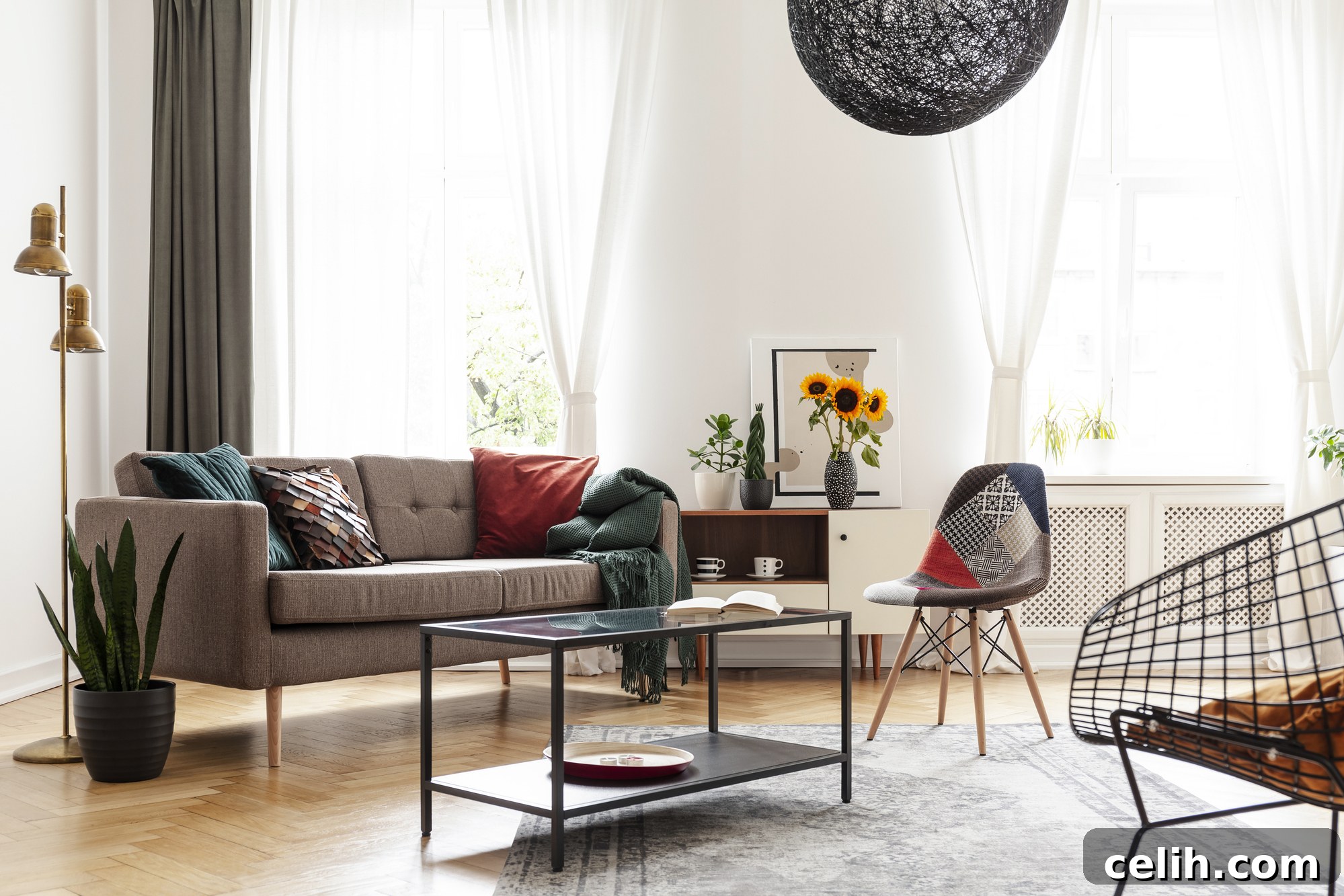
Are you looking to transform your home into a beacon of sustainability and efficiency? The journey towards an energy-efficient home is not just about reducing utility bills; it’s a profound commitment to a healthier planet and a more comfortable living environment for you and your family. This comprehensive guide delves into the fundamental principles and extensive benefits of energy-efficient design, illustrating how these practices significantly enhance home performance while fostering crucial green behaviors for a sustainable future for everyone.
The Imperative of Energy-Efficient Home Design
In an era defined by growing environmental consciousness and fluctuating energy costs, the concept of energy efficiency in home design has moved from a niche interest to a mainstream necessity. It represents a proactive approach to constructing, renovating, and living in homes that are intelligently designed to minimize energy consumption without compromising on comfort or aesthetics. Embracing energy-efficient design means creating spaces that are harmonious with their natural surroundings, leveraging advanced technologies, and prioritizing responsible resource management.
A truly energy-efficient home is a complex system where every component works in unison to conserve energy. This holistic approach considers everything from the initial site selection and orientation to the materials used, the efficiency of heating and cooling systems, and the integration of renewable energy sources. By understanding and applying these core principles, homeowners can make informed decisions that result in reduced environmental impact, lower operating costs, and an elevated quality of life.
Understanding the Core Concepts of Home Energy Efficiency
High energy efficiency in home design integrates several critical concepts fundamental to sustainable living. At its heart, it aims to significantly decrease energy consumption and mitigate environmental impacts. Grasping the basic ideas behind energy-efficient design empowers you to make thoughtful decisions regarding your living space, ensuring it is eco-friendly, conserves resources, and champions long-term sustainability.
What Exactly Is Energy Efficiency?
Energy efficiency refers to using less energy to achieve the same or better performance. In the context of a home, this means maintaining comfortable indoor temperatures, providing adequate lighting, heating water, and powering appliances with minimal energy input. It’s about optimizing every aspect of a home to prevent energy waste, rather than merely using less of it through reduction in comfort or utility.
Why Prioritize Energy Efficiency in Homes?
The reasons to prioritize energy efficiency are multifaceted and compelling. Firstly, it directly addresses environmental concerns such as climate change, air pollution, and resource depletion by reducing reliance on fossil fuels. Secondly, it offers tangible economic benefits to homeowners through significantly lower utility bills over the lifetime of the property. Thirdly, it enhances the indoor living environment, leading to increased comfort and potentially better health outcomes. Lastly, it adds substantial value to a property, making it more attractive in an increasingly green-conscious real estate market.
Key Components of an Energy-Efficient Home
To achieve optimal energy efficiency, a home must be designed with several interconnected components in mind:
- Building Envelope: Insulation, Windows, and Doors: The shell of your home is its first line of defense against energy loss. Proper insulation in walls, roofs, and floors, coupled with high-performance windows and doors, minimizes heat transfer, keeping your home warm in winter and cool in summer.
- High-Efficiency HVAC Systems: Heating, Ventilation, and Air Conditioning (HVAC) systems are often the largest energy consumers in a home. Modern, high-efficiency furnaces, heat pumps, and smart thermostats dramatically reduce energy usage while maintaining optimal indoor climate control.
- Smart Water Heating Solutions: Water heaters can be significant energy hogs. Tankless water heaters, heat pump water heaters, and solar thermal systems offer more energy-efficient alternatives to traditional tank-style units.
- Energy-Saving Appliances and Lighting: From refrigerators to washing machines, choosing ENERGY STAR-rated appliances ensures they meet strict energy efficiency guidelines. Similarly, switching to LED lighting dramatically cuts electricity consumption compared to incandescent bulbs.
- Integrating Renewable Energy Sources: The ultimate step in energy efficiency is generating your own clean power. Solar photovoltaic (PV) panels, for instance, can offset a significant portion, or even all, of your home’s electricity needs.
For example, consulting with an air conditioning company in Southampton or a local energy expert could provide invaluable insight into efficient heating and cooling systems tailored to your specific climate and home structure. These professionals can advise on the proper insulation types, advanced system technologies, and the viability of renewable energy sources to make your home as energy-efficient as possible, ensuring the smallest possible carbon footprint.
Key Principles for Sustainable Living Through Design
Implementing key principles for sustainable living is not just beneficial but essential for achieving true energy-efficient home design. Beyond simply choosing efficient appliances, it involves a holistic approach that prioritizes longevity, resource conservation, and minimal environmental impact from the ground up.
Passive Design Strategies: Harnessing Nature’s Power
Passive design is arguably the most fundamental principle of sustainable living in home design. It involves orienting and shaping a building to take maximum advantage of natural elements like sunlight, shade, and wind for heating, cooling, and lighting. This can mean strategically placing windows to maximize daylight and solar gain in winter while designing overhangs or external shading devices to block direct sun in summer. Natural ventilation, achieved through thoughtful window placement and cross-ventilation techniques, can significantly reduce the need for mechanical cooling.
High-Performance Building Materials
The choice of building materials plays a crucial role in a home’s overall sustainability and energy efficiency. Prioritizing materials that are recycled, locally sourced, low in volatile organic compounds (VOCs), and have a long lifespan reduces the embodied energy of the home. This includes selecting insulation made from recycled content, using sustainably harvested timber, or opting for durable, low-maintenance exterior finishes that require less frequent replacement or repair.
Water Conservation: A Crucial Element
While often overlooked in discussions about energy efficiency, water conservation is intrinsically linked. Heating water consumes a significant amount of energy, and transporting and treating water is also energy-intensive. Implementing water-saving measures such as low-flow faucets, showerheads, and toilets, rainwater harvesting systems for irrigation, and greywater recycling systems can dramatically reduce both water and associated energy consumption.
Waste Reduction and Responsible Construction
Sustainable living extends to the construction process itself. Minimizing waste through careful planning, recycling construction debris, and choosing durable materials that last longer all contribute to a greener footprint. Designing homes that are adaptable and can be easily renovated or expanded over time also reduces the need for entirely new construction, further conserving resources.
Implementing Energy-Efficient Practices: A Practical Guide
One of the best practices in home design that is truly energy efficient is consciously “going green.” This involves a series of practical steps and upgrades that can be applied to new constructions or existing homes. By integrating these strategies, you can substantially cut down your environmental footprint while enhancing your home’s performance and comfort.
Optimizing Your Home’s Thermal Envelope
The thermal envelope is critical for maintaining stable indoor temperatures and preventing energy loss. Strengthening this barrier is paramount for energy efficiency:
- Superior Insulation: Walls, Attic, and Floors: Upgrading insulation to recommended R-values for your climate zone in walls, attics, basements, and crawl spaces significantly reduces heat transfer. Materials like cellulose, spray foam, or mineral wool offer excellent thermal resistance.
- High-Performance Windows and Doors: Replacing old, single-pane windows with double or triple-glazed units featuring low-emissivity (low-E) coatings and argon gas fills can drastically improve thermal performance. Energy-efficient doors with insulated cores and tight seals also prevent drafts.
- Meticulous Air Sealing: Sealing air leaks around windows, doors, electrical outlets, plumbing penetrations, and attic hatches is a low-cost, high-impact improvement. This prevents conditioned air from escaping and unconditioned air from entering, which is crucial for overall energy efficiency.
Upgrading HVAC Systems for Peak Performance
As major energy consumers, your heating and cooling systems offer significant opportunities for efficiency gains:
- High-Efficiency Furnaces and Heat Pumps: Replacing older units with ENERGY STAR-certified furnaces (with high AFUE ratings) or modern heat pumps (which both heat and cool) can lead to substantial energy savings.
- Smart Thermostats: Installing a programmable or smart thermostat allows you to precisely control your home’s temperature, optimizing heating and cooling schedules to your lifestyle and even learning your preferences over time.
- Duct Sealing and Maintenance: Leaky ducts can waste up to 30% of your HVAC system’s energy. Sealing ducts and ensuring regular maintenance, including filter changes, guarantees your system operates at peak efficiency.
Embracing Smart Technology and Efficient Lighting
Modern technology offers myriad ways to improve energy efficiency:
- Energy-Efficient Lighting: Transitioning to LED bulbs throughout your home can reduce lighting energy consumption by 75-90% compared to traditional incandescent bulbs, with the added benefit of longer lifespans.
- Smart Home Automation: Integrating smart lighting controls, smart plugs, and energy monitoring systems allows for greater control over energy usage, often through a centralized app, making it easier to identify and reduce energy waste.
Harnessing Renewable Energy: The Power of Solar
To truly embrace home design that is truly energy efficient and reduce your environmental footprint, consider integrating renewable energy sources. You could significantly offset your electricity consumption by installing solar panels on your roof. Solar photovoltaic (PV) systems convert sunlight directly into electricity, providing a clean, renewable power source that can drastically lower or even eliminate your electricity bills. Pairing solar panels with battery storage can further enhance energy independence and resilience, ensuring power during outages.
Water-Saving Fixtures and Appliances
Beyond heating water, reducing overall water consumption is a key energy-saving practice:
- Low-Flow Fixtures: Installing low-flow showerheads and faucets can significantly reduce water usage without sacrificing performance.
- Water-Efficient Appliances: When purchasing new appliances like dishwashers and washing machines, look for ENERGY STAR or WaterSense labels, indicating superior water efficiency.
- Water-Saving Landscaping: Consider xeriscaping or drought-tolerant landscaping to reduce outdoor water use, particularly in arid climates.
Multifaceted Benefits of Energy-Efficient Home Design
The advantages of energy-efficient home design extend far beyond simple energy savings. Adopting these practices delivers a spectrum of benefits that positively impact your finances, comfort, health, and the environment at large.
Significant Economic Savings
Perhaps the most immediate and tangible benefit is the substantial reduction in utility bills. By consuming less energy for heating, cooling, lighting, and appliances, homeowners can save a considerable amount of money each month and over the long term. These savings can quickly offset the initial investment in energy-efficient upgrades, leading to a positive return on investment. Furthermore, many governments and local utilities offer incentives, rebates, or tax credits for energy-efficient home improvements, further reducing upfront costs.
Enhanced Indoor Comfort and Health
Energy-efficient homes can provide better indoor comfort and improved air quality. A well-insulated and air-sealed home maintains more consistent temperatures throughout, eliminating cold spots and drafts often found in less efficient buildings. This leads to a more comfortable living environment year-round. Improved air sealing and ventilation systems also contribute to better indoor air quality by reducing the infiltration of pollutants and allergens, while properly managing humidity levels, which can deter mold growth.
Positive Environmental Impact: A Greener Footprint
Embracing energy efficiency is a powerful way to contribute to environmental stewardship. By reducing energy consumption, you lessen your reliance on fossil fuels, thereby decreasing your home’s carbon footprint and overall greenhouse gas emissions. This directly combats climate change and helps preserve natural resources for future generations. It aligns with the global effort towards sustainability and promotes a healthier planet.
Increased Property Value and Market Appeal
Homes designed with energy efficiency in mind typically command higher resale values. As buyers become more aware of the long-term cost of homeownership and environmental concerns, energy-efficient homes are increasingly attractive in the real estate market. Features like solar panels, high-performance windows, and smart home technology are seen as valuable assets, making your property stand out and potentially selling faster than less efficient counterparts.
Energy Independence and Resilience
Investing in energy efficiency, particularly when combined with renewable energy sources like solar, can lead to greater energy independence. Homeowners become less vulnerable to rising energy prices and potential grid outages. This resilience provides peace of mind and greater control over your home’s operational costs and comfort, making your home a more secure and stable haven.
Embarking on Your Energy-Efficient Journey: Next Steps
Ready to make your home more energy-efficient? The journey can be approached systematically to maximize impact and manage costs effectively:
- Conducting a Home Energy Audit: Start with a professional energy audit. An auditor can identify specific areas of energy loss in your home, providing a prioritized list of improvements based on cost-effectiveness and potential savings.
- Prioritizing Improvements: Not all improvements need to be done at once. Focus on high-impact areas first, such as insulation and air sealing, which often offer the quickest return on investment.
- Seeking Expert Advice: Consult with architects, contractors, and HVAC specialists experienced in energy-efficient design and construction. Their expertise can guide you through complex decisions and ensure quality installations.
- Exploring Incentives and Financing: Research local, state, and federal incentives for energy-efficient upgrades. Many programs offer financial assistance, making these improvements more accessible.
Conclusion: Building a Sustainable Future, One Home at a Time
It comes without saying that adopting energy-efficient principles in home construction and renovation is not merely an option but a profound responsibility we owe to our planet and posterity. Sustainability at home entails creating spaces that generally require little energy, have reduced utility expenses, and offer greater comfort and well-being through the thoughtful application of sustainable practices and technologies. An investment in energy efficiency is a solid way of contributing significantly to environmental conservation while simultaneously benefiting from long-term lifestyle advantages that are inherently greener, healthier, and more economically sound. By making conscious choices today, we are not just building better homes; we are building a better, more sustainable future for everyone.