
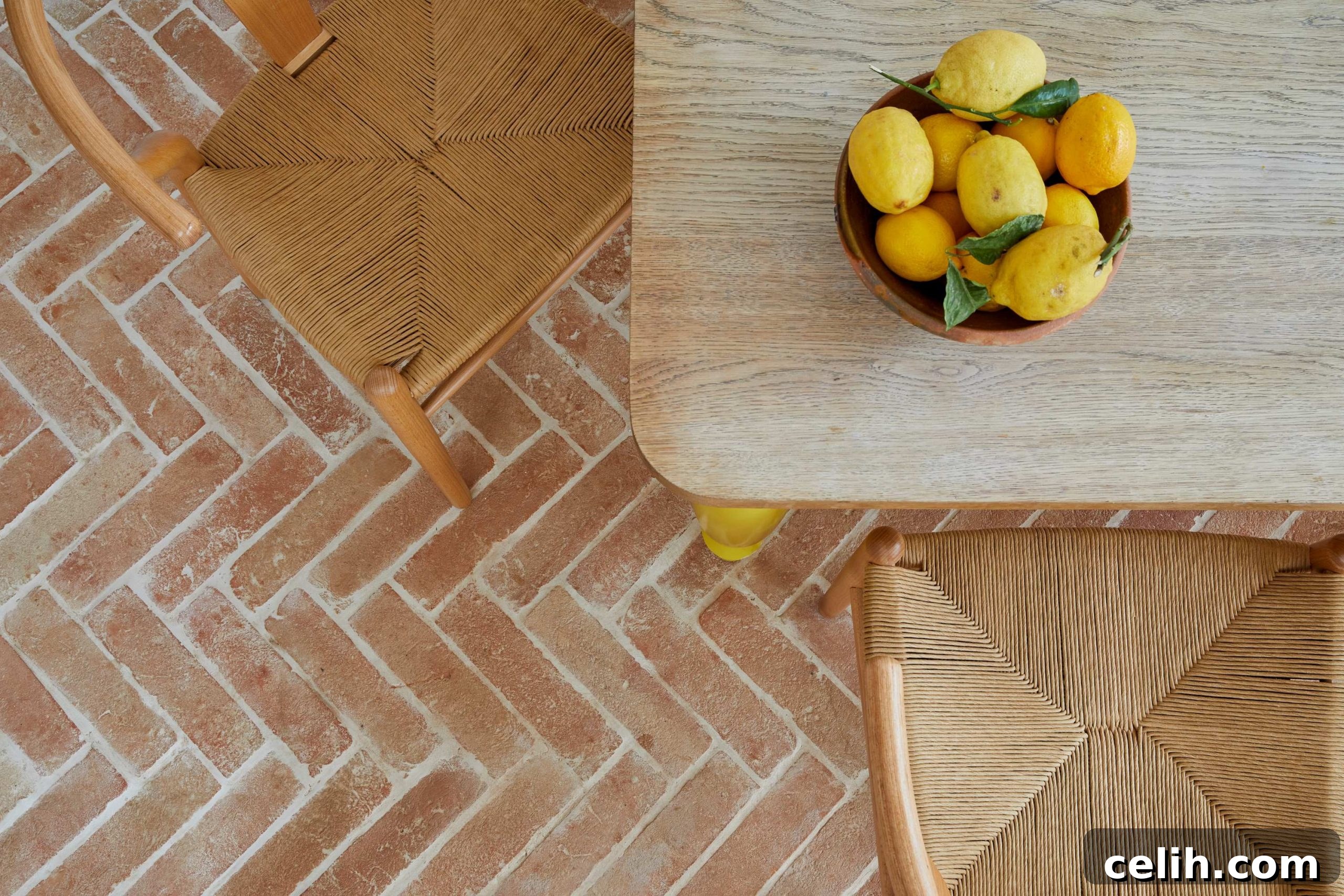
There’s an undeniable allure to terracotta tiles – a captivating blend of rustic charm, timeless elegance, and natural warmth. Derived from the Italian words ‘terra cotta,’ meaning ‘baked earth,’ these exquisite tiles have graced homes and architectural wonders for centuries, embodying a rich history and a profound connection to the natural world. Far more than just a floor covering, terracotta tiles tell a story of ancient craftsmanship and enduring beauty. In this comprehensive guide, we delve deep into the world of terracotta, exploring its widespread appeal, the intricate process of its creation, its diverse applications in modern home design, and essential care tips to ensure its longevity. Prepare to discover why these natural clay tiles are a preferred choice for homeowners seeking a distinctive, durable, and sustainable flooring solution that transforms any space into a cozy, inviting sanctuary.
The Enduring Allure of Terracotta Tiles: A Timeless Choice for Modern Homes
The term “terracotta” perfectly encapsulates the essence of these unique tiles: ‘baked earth.’ Their inherent beauty lies in their natural earthen hues, rich dusky colors, and captivating textures. Each terracotta floor tile is a testament to artisanal craftsmanship, boasting subtle variations in shade and pattern that are simply impossible to replicate in mass-produced alternatives. This individuality infuses every installation with character and warmth, transforming ordinary floors into true works of art. Terracotta tiles carry a rich history, evoking a sense of heritage and authenticity that resonates deeply with those who appreciate natural materials and enduring design.
A Natural Palette: Exploring Terracotta’s Color Variations
While often associated with their iconic reddish-brown tones, terracotta floor tiles are actually available in a surprising spectrum of colors. These variations are not artificial dyes but rather a natural outcome of the specific type of clay used and the precise firing process. Understanding these nuances can help you select the perfect shade to enhance your home decor and create a truly unique aesthetic. The natural variations in terracotta tiles ensure that no two installations are exactly alike, adding to their bespoke appeal and enhancing the overall character of your space.
- Classic Reddish-Brown: This is the most recognizable and beloved terracotta color. It ranges from deep, rich reds reminiscent of ancient villas to brighter, more orange-brown shades and earthy dark browns, offering profound warmth and a quintessential Mediterranean vibe.
- Soft Peach and Pink Tones: For a lighter, more ethereal aesthetic, some terracotta tiles feature delicate peach or pinkish hues. These softer shades can create a tranquil and elegant atmosphere, particularly beautiful in sun-drenched rooms.
- Sunny Yellow and Golden Shades: Infuse your living spaces with a cheerful and vibrant glow using terracotta tiles in yellow or golden tones. These colors brighten rooms and evoke the warmth of the sun, perfect for creating inviting ambiances.
- Muted Brown and Beige: For those preferring a more understated and contemporary look, terracotta tiles are available in various shades of brown and beige. These range from light, sandy tones that offer a serene backdrop to deeper, chocolatey browns that provide a grounded, sophisticated feel.
- Subtle Grayish Hues: Breaking from tradition, some terracotta tiles exhibit a gray cast. These variations offer a modern twist on rustic charm, making them suitable for contemporary design schemes that still desire a natural, earthy texture.
- Glazed Terracotta Options: While traditional terracotta is unglazed, modern innovations include glazed terracotta tiles. This process applies a liquid glass layer, allowing for a vast array of colors, from vibrant blues and greens to more subdued, glossy finishes, offering enhanced durability and aesthetic versatility.
Why Choose Terracotta Floor Tiles for Your Home? Unmatched Beauty & Practicality
Terracotta tiles offer a compelling combination of aesthetic appeal, functional benefits, and environmental responsibility, making them an excellent choice for a variety of flooring needs. Their unique characteristics set them apart from other flooring materials, providing lasting value and charm.
Unparalleled Aesthetics and Design Versatility
The visual appeal of terracotta is undeniable. These natural clay tiles exude a warm, earthy vibe that is both timeless and adaptable, capable of complementing an extensive range of interior design styles. Whether your home leans towards traditional, rustic, Mediterranean, farmhouse, or even modern minimalist aesthetics, terracotta can seamlessly integrate, adding a layer of character and sophistication. They are available in a variety of shapes and sizes, from large format floor tiles that create expansive visual fields to smaller, intricately cut tiles, including popular options like hexagons, subway, and parquet styles. Handmade terracotta tiles, with their charming irregular edges and organic color variations, are particularly sought after for their authentic artisanal feel.
An Eco-Conscious and Sustainable Flooring Solution
Crafted from natural clay, terracotta tiles represent a profoundly eco-conscious choice. As a naturally abundant material, clay is sustainable, and the production process, while energy-intensive in firing, often uses traditional, less impactful methods for handmade varieties. Furthermore, terracotta tiles are fully recyclable and biodegradable, aligning perfectly with the growing global emphasis on green living and responsible consumption. Choosing terracotta means investing in a flooring solution that minimizes environmental footprint.
Exceptional Durability and Longevity
Terracotta floor tiles are renowned for their remarkable toughness and resilience. When properly installed and sealed, they are capable of withstanding heavy foot traffic and resisting wear and tear for decades, often outlasting other flooring options. Their inherent robustness means they can grace your floors for generations, developing a beautiful, aged patina that only enhances their character over time. Unlike many manufactured tiles, the natural color of terracotta doesn’t fade easily, ensuring its timeless appeal is preserved.
Natural Thermal Regulation for Year-Round Comfort
Beyond their visual and structural benefits, terracotta tiles possess remarkable thermal properties. Their dense composition allows them to absorb and retain heat or coolness from the surrounding environment. This means they naturally help regulate indoor temperatures, keeping your space pleasantly cool during hot summer months and retaining warmth from heating systems or sunlight to keep your home cozy in winter. This passive thermal regulation can contribute to reduced energy consumption, making terracotta an intelligent and energy-efficient flooring choice.
Crafting Earth’s Beauty: The Terracotta Production Process
The creation of terracotta tiles is a time-honored craft, blending natural materials with skilled techniques passed down through generations. This artisan creation process results in a product that is both beautiful and inherently strong.
1. Sourcing and Preparing the Raw Clay
The journey of a terracotta tile begins with the careful extraction of raw clay, typically sourced from open-pit quarries. The quality and mineral composition of this clay are crucial, as they directly influence the final color, texture, and durability of the tiles. Once extracted, the clay undergoes a rigorous cleaning and purification process to remove any impurities such as rocks, vegetation, and other debris. This ensures a consistent and high-quality base material.
2. Mixing and Forming the Clay
The purified clay is then mixed with water to achieve a perfectly malleable consistency. In some cases, other natural materials like sand or grog (finely ground fired clay) are added. These additives enhance the clay’s workability, reduce shrinkage during drying, and significantly improve the strength and durability of the finished tiles.
Once prepared, the clay mixture is shaped into individual tiles. This can be achieved through two primary methods:
- Handmade Terracotta: Skilled artisans employ traditional techniques, pressing clay into wooden or metal molds. Each tile is then carefully smoothed by hand, often resulting in unique irregularities, slightly uneven edges, and distinct textures that contribute to their characteristic rustic charm and artisanal appeal.
- Machine-Made Terracotta: In more industrial settings, clay is extruded through a die to form long ribbons. These ribbons are then precisely cut into individual tiles, yielding a more uniform size, shape, and finish.
3. Drying and Firing: The Transformative Stages
After shaping, the tiles undergo a critical drying phase to remove moisture. This process must be slow and controlled to prevent warping or cracking. While traditional methods often involve natural air drying, modern facilities may use mechanical dryers to optimize efficiency.
Once sufficiently dry, the tiles are carefully loaded into kilns for firing. This high-temperature process hardens and vitrifies the clay, giving terracotta its characteristic strength and durability. The firing temperature typically ranges from 950°C to 1050°C (1742°F to 1922°F), with duration and kiln atmosphere (oxidizing or reducing) significantly influencing the final color, density, and texture of the tiles. It is during firing that the natural colors of the material truly emerge.
4. Finishing and Quality Control: Glazed vs. Unglazed
While traditional terracotta tiles are left unglazed, celebrating their natural, porous surface, some modern variations incorporate a glazing step. A liquid glass layer is applied to the tile’s surface before a second firing, creating a durable, often waterproof, and aesthetically diverse finish. Glazed terracotta tiles can offer a wider range of colors, patterns, and sheen levels.
Post-firing, the tiles are slowly cooled to prevent thermal shock and potential cracking. Each tile then undergoes a thorough quality inspection to ensure it meets desired standards. Imperfect tiles are often recycled, embodying the sustainable ethos of terracotta production. Some artisans may apply additional finishing touches, such as hand-painting or antiquing, to enhance their aesthetic appeal.
Reclaimed Terracotta Tiles: A Sustainable Heritage
In addition to freshly made tiles, a highly sustainable option is reclaimed terracotta. These tiles are salvaged from old rooftops, historical buildings, and demolition sites, offering an unparalleled level of eco-friendliness and a rich, pre-aged character that cannot be replicated. Reclaimed terracotta not only reduces waste but also carries with it a unique history, adding an extraordinary layer of authenticity to any design project.
Integrating Terracotta Floor Tiles into Your Home Design
Terracotta floor tiles are incredibly versatile, capable of infusing warmth, character, and a touch of the Mediterranean into almost any room. Their natural charm provides a stunning foundation that complements a myriad of decor styles. Let’s explore how these beautiful natural clay tiles can be effectively utilized throughout your home.
Kitchens: A Hub of Warmth and Durability
Terracotta tiles are an ideal choice for kitchen floors, offering a rustic, natural look that seamlessly integrates with traditional country, farmhouse, or modern Mediterranean kitchen designs. Their inherent warmth creates an inviting atmosphere, while their exceptional durability makes them perfectly suited to withstand the high traffic, frequent spills, and daily demands of a busy kitchen. When properly sealed, terracotta kitchen floors are surprisingly easy to clean and maintain, resisting stains and ensuring a long-lasting, beautiful surface that blends harmoniously with wooden cabinetry, natural stone countertops, and metal fixtures.
Dining Rooms: Cultivating a Welcoming Ambiance
In the dining room, terracotta tiles lay a foundation for a warm, welcoming ambiance, perfect for family meals and entertaining guests. The natural material provides an eco-friendly flooring option, and the subtle variations in color and texture of the tiles contribute to a characterful and unique floor. Terracotta’s inherent density also helps to dampen sound, a beneficial quality in a dining room where conversations and clinking dishes can sometimes lead to elevated noise levels during lively gatherings. Pairing them with a large area rug can further define the dining space while adding an extra layer of comfort.
Living Rooms: Grounded Comfort and Enduring Style
For creating a cozy, inviting, and grounded living area, terracotta tiles are an exceptional choice. Their rich, earthy tones provide a warm visual base that can complement an extensive range of decor styles, from traditional and eclectic to even contemporary settings when paired with sleek furniture. Beyond their captivating visual appeal, terracotta tiles are celebrated for their impressive durability and longevity, making them an ideal flooring solution for the high-traffic area of a living room. They offer a stable, comfortable surface underfoot, and their natural aesthetic creates a sense of tranquility and connection to nature.
Bathrooms: A Spa-Like Retreat
Terracotta tiles can bring a unique, spa-like, or rustic-chic feel to bathrooms, particularly when used for flooring or shower surrounds. Their natural texture and warm hues contribute to a serene and calming environment. However, it is paramount that terracotta tiles in a bathroom environment are properly and thoroughly sealed to prevent water absorption and potential damage, ensuring their beauty and integrity endure in this moisture-prone space. Regular re-sealing is vital for bathroom applications.
Sunrooms and Conservatories: Bridging Indoor and Outdoor
These transitional spaces are perfectly suited for terracotta tiles. Their natural, earthy aesthetic harmonizes beautifully with the abundant sunlight and outdoor elements visible through large windows. Furthermore, terracotta’s thermal mass properties make it an excellent choice for sunrooms or conservatories, helping to absorb heat during the day and slowly release it, maintaining a more stable and comfortable temperature year-round. This creates a seamless flow between your interior living space and the garden.
Hallways and Entryways: Durable First Impressions
Hallways and entryways are often the busiest areas in a home, enduring significant foot traffic and exposure to dirt and moisture from outside. Terracotta floor tiles excel in these demanding zones, providing an incredibly durable and easy-to-clean surface that maintains its appealing look over time. Their inherent robustness ensures they can handle the daily wear and tear, while their warm tones create an inviting first impression for anyone entering your home.
Cellars and Basements: Elevating Subterranean Spaces
The old-world charm and natural moisture resistance (when properly sealed) of terracotta tiles make them an excellent choice for cellars or basements. Whether you’re designing a sophisticated wine cellar, a practical storage zone, or transforming the space into a usable living area, terracotta flooring adds character and resilience. They provide a stable, attractive, and breathable surface that can help manage subterranean conditions while enhancing the overall aesthetic.
Utility Rooms and Mudrooms: Practicality Meets Style
The hardwearing nature and easy-to-clean surface of terracotta tiles make them perfectly suited for utility rooms, laundry rooms, and mudrooms. These areas often encounter spills, dirt from outdoor gear, and heavy use. Terracotta flooring offers a practical yet stylish solution that can withstand the rigors of these functional spaces while contributing a warm, organized aesthetic.
Preserving the Beauty: Essential Terracotta Tile Care
Maintaining the natural beauty and longevity of your terracotta tiles is relatively straightforward, but it requires specific care practices, primarily due to their porous nature. Proper maintenance ensures your terracotta flooring retains its charm for decades.
1. Sealing Terracotta Tiles: Your First Line of Defense
The most critical step in caring for unglazed terracotta tiles is proper sealing. As terracotta is naturally porous, a high-quality sealant must be applied immediately after installation and before regular use. This sealant penetrates the tile to protect it from moisture absorption, stains, and dirt, significantly extending its lifespan and making subsequent cleaning much easier. You can choose a matte finish sealant to preserve the natural, rustic look or a gloss finish for a slightly shiny appearance. Depending on foot traffic and wear, terracotta tiles should be re-sealed periodically, typically every few years. Always follow the sealant manufacturer’s recommendations or observe the tiles’ condition to determine the optimal re-sealing schedule.
2. Cleaning Terracotta Tiles: Gentle and Consistent
Regular cleaning is essential to prevent dirt and grit from scratching the surface of your terracotta tiles:
- Daily Maintenance: Regularly sweep or vacuum your terracotta floors to remove loose dirt, dust, and abrasive particles. When vacuuming, use a soft brush attachment or ensure your vacuum cleaner does not have a harsh beater bar that could damage the tiles or sealant.
- Mopping: For a deeper clean, mop the tiles with warm water mixed with a pH-neutral cleaner specifically formulated for natural stone or terracotta. It is crucial to avoid acidic or alkaline cleaners (like vinegar, bleach, or harsh chemical detergents) as these can strip the sealant, etch the tile surface, or cause discoloration. Always wring out your mop thoroughly to use as little water as possible, as excessive moisture can seep into the tiles, especially if the sealant is compromised, potentially causing damage.
- Immediate Spill Cleanup: Terracotta is porous, so spills can quickly lead to stains if not addressed promptly. Blot up any liquid spills immediately with a clean, dry cloth. Do not rub, as this can spread the stain.
- Avoid Harsh Abrasives: Never use abrasive cleaners, scouring pads, steel wool, or stiff brushes on terracotta tiles. These can scratch the surface or erode the sealant, leaving the tiles vulnerable.
3. Long-Term Tile Maintenance and Repair
- Prompt Repairs: If a terracotta tile cracks or chips, it’s important to repair or replace it swiftly. Addressing minor damage quickly can prevent further deterioration or moisture infiltration into the subfloor.
- Sun Exposure: Be mindful of terracotta tiles in areas with prolonged, direct sun exposure. Over time, intense UV rays can cause some fading or changes in the tile’s hue. Using window treatments or applying UV-protective sealants can help mitigate this effect.
- Professional Deep Cleaning: For significantly aged, heavily soiled, or antique terracotta tiles, or for complex restoration work, consider hiring professionals specializing in natural stone and tile cleaning. They possess the expertise and equipment to safely restore your tiles without causing damage.
Beyond the Floor: Creative Ways to Incorporate Terracotta Tiles
While celebrated for their beauty as flooring, terracotta tiles offer immense versatility that extends far beyond. Their natural warmth and distinctive texture can be incorporated into various aspects of your home and garden decor, adding character and a touch of Mediterranean charm.
- Kitchen Backsplashes: Terracotta tiles make for a stunning and highly functional kitchen backsplash. They protect walls from splashes and spills while introducing a rustic, inviting element. The various shapes and sizes, from traditional squares to elegant subway or hexagonal patterns, can create diverse aesthetic impacts.
- Accent Walls: Transform a plain wall into a captivating focal point using terracotta tiles. A lovely mix of different shades or even reclaimed tiles can create a striking accent wall in a living room, dining area, or bedroom, instantly imbuing the space with warmth, texture, and a unique architectural detail.
- Outdoor Patios and Pathways: Terracotta tiles are exceptionally well-suited for outdoor use, particularly in climates that avoid extreme freezing. They are perfect for crafting inviting patios, charming garden pathways, or defining outdoor dining spaces, effortlessly adding a quintessential Mediterranean or Southwestern vibe to your garden landscaping.
- Decorative Wall Features: Beyond full accent walls, terracotta tiles can be used to create decorative wall panels, wainscoting, or borders. This adds subtle texture and color, enhancing the architectural interest of a room without overwhelming the space.
- Fireplace Surrounds: Elevate the heart of your home by using terracotta tiles to create an attractive and warm surround for your fireplace. Different shaped tiles, such as herringbone or decorative motifs, can draw the eye and enhance the cozy, inviting ambiance of the hearth.
- Roof Tiles: In traditional architecture, particularly in Mediterranean and Spanish styles, terracotta is a classic and highly durable choice for roofing. These versatile tiles provide excellent weather protection and contribute significantly to the aesthetic character of a home’s exterior.
- Garden Landscaping Elements: Incorporate terracotta tiles into your garden beyond just patios. Use them as decorative borders for flower beds, stepping stones, or even as part of custom-built outdoor features like fountains or low walls, connecting your home’s interior warmth with its outdoor environment.
Conclusion: Embracing the Timeless Beauty of Terracotta
Terracotta tiles are more than just a material; they are a design statement, a piece of history, and an investment in your home’s character and future. Their enduring appeal lies in an unmatched combination of natural beauty, incredible durability, and sustainable credentials. From their rustic warmth to their captivating range of earthy hues, these natural clay tiles infuse any space with a unique personality and a profound connection to nature.
Whether you’re undertaking a full renovation or simply seeking to refresh your decor, terracotta offers a versatile and timeless solution. They promise not only a stunning aesthetic but also a robust, long-lasting surface that ages gracefully, developing a rich patina that tells its own story. As a flooring option, wall accent, or outdoor paving, terracotta brings warmth, texture, and an authentic charm that transcends fleeting trends.
So, are you ready to invite the timeless beauty and grounded elegance of terracotta into your home? Remember, it’s not just about choosing a tile; it’s about creating a space that feels uniquely yours, a haven filled with history, comfort, and enduring style. Embrace the baked earth and let your home resonate with its ancient, beautiful song. Happy decorating!