
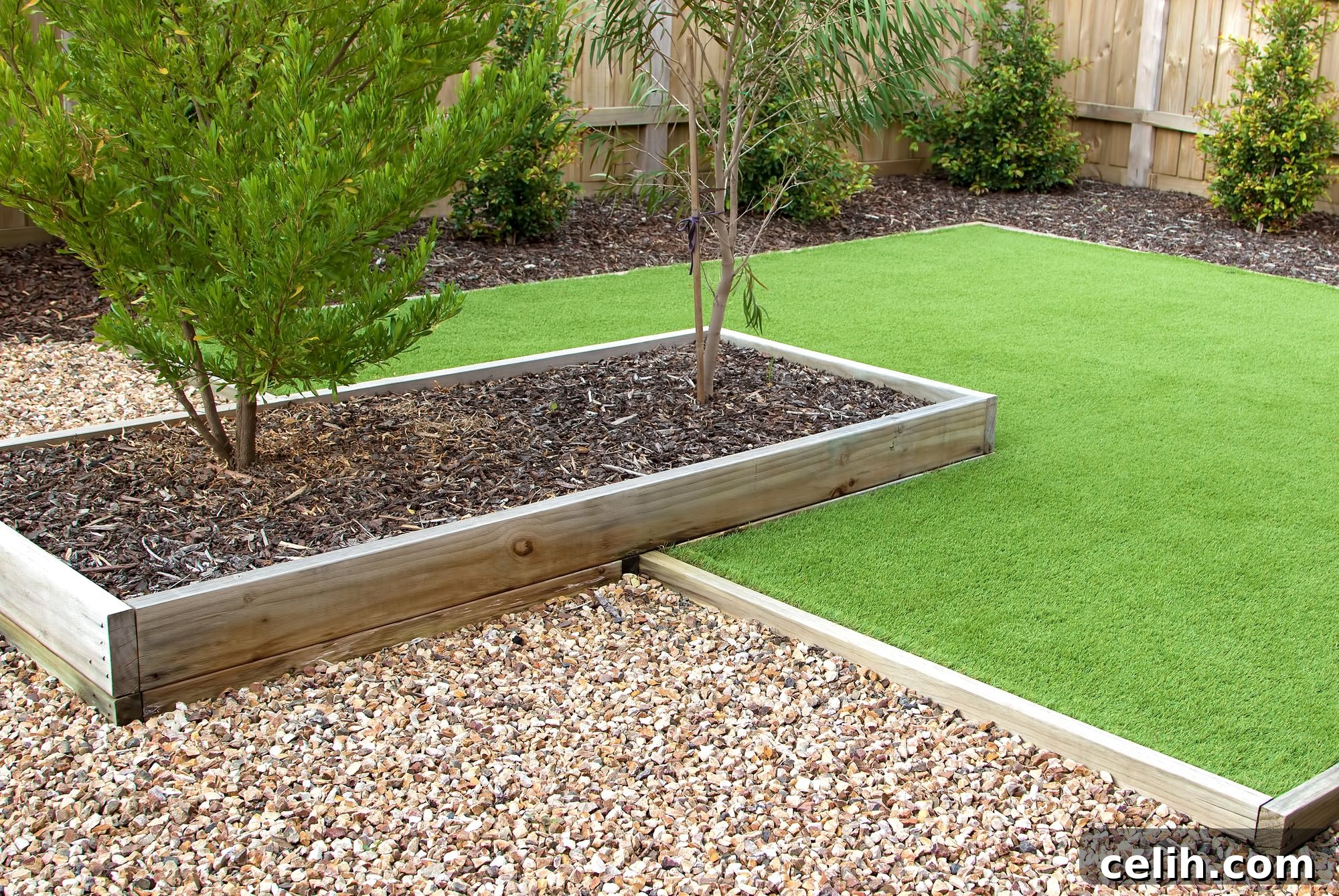
Synthetic grass offers a dream come true for many homeowners: a lush, green lawn that stays pristine year-round with minimal effort. However, the term “low maintenance” is often misinterpreted as “no maintenance.” While artificial turf certainly frees you from the endless cycle of mowing, fertilizing, and watering, it still requires a degree of tender loving care (TLC) to maintain its beauty, longevity, and performance. Neglecting these minor upkeep tasks can lead to flat spots, accumulated debris, faded areas, and an overall tired appearance, diminishing the very benefits you invested in.
The secret to an artificial lawn that stands the test of time isn’t excessive pampering, but rather consistent, mindful attention. By incorporating a few simple habits into your routine, you can ensure your synthetic grass always looks, feels, and performs its best. These five essential practices are designed to prevent common issues before they become significant problems, safeguarding your investment and allowing you to enjoy a beautiful, hassle-free outdoor space for years to come. Let’s delve into the crucial steps that will keep your artificial turf looking as vibrant and inviting as the day it was installed.
1. Prioritize High-Traffic Zones for Brushing
Just like natural grass, certain areas of your artificial lawn will experience more wear and tear than others. These high-traffic zones, typically pathways, corners, and spots where people frequently stand or gather, are the first places where synthetic grass fibers tend to flatten. This matting occurs due to concentrated pressure and friction, causing the individual blades to bend and lose their upright appearance. If left unaddressed, these flattened areas will start to stand out, creating an uneven and visibly worn look that detracts from the overall aesthetic of your turf.
The key to preventing permanent flattening and maintaining the natural look of your synthetic lawn is regular grooming, especially in these high-use spots. A quick lift with a stiff-bristled broom or a power brush specifically designed for artificial turf can work wonders. By brushing against the grain of the fibers, you gently encourage them to stand upright again, restoring their bounce and original texture. This simple action helps to redistribute the infill material, which is crucial for supporting the blades, and blends the high-traffic areas seamlessly back into the rest of your lawn. Incorporating this habit into your weekly or bi-weekly routine, depending on the intensity of use, will make a significant difference in the longevity and appearance of your turf.
Consistent brushing not only improves the visual appeal but also helps maintain the functionality of your artificial grass. When fibers are matted down, drainage can become slightly less efficient, and debris is more likely to get trapped within the compressed blades. By keeping the fibers fluffed and upright, you ensure better water permeability and make subsequent cleaning tasks much easier. Always remember to use appropriate tools; wire brushes can damage the fibers, so opt for nylon or polypropylene bristles to preserve your turf’s integrity.
2. Ensure Consistent Debris Removal
One of the primary advantages of artificial grass is its ability to remain green and vibrant without the constant input of organic matter. However, this doesn’t mean it’s immune to external elements. Leaves, twigs, pet fur, dust, pollen, and other small bits of organic and inorganic debris don’t simply disappear. Over time, these materials will settle onto and even become embedded within the turf fibers, especially if the fibers are matted down in high-traffic areas. This accumulation can quickly lead to a host of problems that compromise both the appearance and hygiene of your artificial lawn.
When debris is allowed to sit on the surface, it can trap moisture, creating an ideal environment for mold, mildew, and moss growth, particularly in shaded or damp conditions. Furthermore, decaying organic matter can break down and create odors, especially if you have pets. Visually, a build-up of debris makes the surface look less clean, dull, and unkempt, diminishing the crisp, vibrant look that synthetic grass is prized for. It can also clog the turf’s drainage holes, leading to puddling and potentially creating further issues down the line.
The solution is straightforward: consistent and regular clearing. Sweeping or clearing your artificial turf once or twice a week, or more frequently during shedding seasons for pets or autumn for falling leaves, is highly recommended. Tools like a leaf blower, a stiff-bristled broom, or even a specialized artificial turf rake can effectively remove surface debris without damaging the fibers. For finer particles like dust or pollen, a quick rinse with a garden hose can be beneficial. Addressing small accumulations promptly prevents them from turning into a much larger, more arduous cleaning job that nobody looks forward to tackling. Maintaining a clutter-free backyard space not only enhances the visual appeal but also contributes significantly to the overall health and longevity of your artificial turf.
3. The Paramount Importance of Professional Installation
While many common artificial turf issues manifest on the surface, the vast majority actually originate beneath it. The foundation and preparation work involved in laying synthetic grass are critically important, yet often overlooked by those seeking to cut corners or attempting a DIY installation without proper expertise. Poor groundwork, an uneven base, inadequate drainage systems, or shortcuts taken during the installation process are major problems that might not be immediately visible but will inevitably surface over time, leading to significant headaches and costly repairs.
A properly installed base is the bedrock of a long-lasting artificial lawn. This involves meticulous excavation, grading for proper water runoff, laying down a weed barrier, and compacting multiple layers of aggregate material to create a stable, level, and well-draining foundation. Without this crucial preparation, you can expect issues such as dips and bumps in the turf, puddling after rain, visible seams where sections separate, and even weed growth from underneath. These problems not only ruin the aesthetic appeal but can also compromise the integrity of the turf itself, leading to premature wear and failure.
This is precisely why choosing a reputable and experienced synthetic turf company from the outset is paramount. Professionals possess the knowledge, specialized tools, and expertise to ensure every step of the installation process is executed flawlessly, from site preparation and base construction to turf laying, seaming, and infill application. Investing in professional installation might seem like a higher upfront cost, but it saves you from the frustration, expense, and extensive labor of having to circle back and fix what should have been solid from day one. When the base and foundation are meticulously prepared and correctly installed, everything above it — the synthetic grass itself — will hold better, look better, and perform optimally for a significantly longer period, maximizing your investment and providing years of enjoyment.
4. Implement a Proactive Heat Management Plan
For those living in regions with intense sunlight and scorching temperatures, such as Texas, heat can be a significant factor affecting the performance and longevity of artificial grass. While synthetic turf is engineered to withstand various weather conditions, prolonged exposure to extreme heat and UV radiation can have adverse effects. You’ll often notice it first in specific spots: the fibers may sit differently, the surface might feel unusually hot, or there could be subtle signs of degradation, even if nothing is overtly obvious at first glance. These are often the areas that receive the most direct or reflected sunlight.
High temperatures can cause the synthetic fibers to become brittle over time, potentially leading to premature wear, fading, and a reduction in the turf’s overall lifespan. Reflective surfaces like windows, metal fences, or polished concrete can act as magnifying glasses, intensifying the sun’s rays and creating “hot spots” that can even melt or distort the turf fibers in concentrated areas. This damage is often irreversible and necessitates costly repairs or turf replacement.
To combat this, it’s wise to develop a heat management plan. For areas prone to extreme heat, consider providing temporary shade with umbrellas or awnings during the hottest parts of the day. A quick, light misting with water from a garden hose can also provide immediate cooling to the turf surface, making it more comfortable for pets and children. Some modern artificial turf systems also incorporate cooling infills specifically designed to absorb less heat and maintain a lower surface temperature. Furthermore, being mindful of where you place reflective objects in your yard can prevent accidental damage. By actively managing these hot spots and implementing preventative measures, you can significantly help maintain an even, vibrant appearance across your entire lawn and prevent those areas from prematurely showing signs of wear and feeling uncomfortable underfoot.
5. Practice Mindful Usage of Your Artificial Turf
While artificial grass is incredibly durable, how it’s used and interacted with plays a significant role in its long-term appearance and integrity. This might sound obvious, but overlooking proper usage guidelines can lead to cumulative damage that manifests over time, affecting the turf’s uniform look and feel. Actions such as dragging heavy outdoor furniture, allowing sharp edges to dig into the surface, or repeatedly applying pressure in one concentrated spot are primary culprits that accelerate wear and tear.
Each time furniture is dragged, for instance, the synthetic fibers are abraded and pushed down, contributing to matting and potential damage to the backing. Sharp objects, like certain gardening tools or unprotected furniture legs, can cut, tear, or puncture the turf, creating unsightly blemishes or weak points. Similarly, repetitive pressure from a stationary object or constant foot traffic in an exact spot can permanently flatten fibers and compress the infill, leading to noticeable depressions and a worn appearance.
To preserve the pristine condition of your artificial lawn, it’s crucial to adopt a more conscious approach to how you use your outdoor space. Always lift, rather than drag, heavy items across the turf. Consider placing protective pads or coasters under furniture legs to distribute weight more evenly and prevent scraping. If you frequently move items, invest in furniture with rounded or padded bases. Be mindful of tools and equipment; use plastic shovels for snow removal instead of metal ones, and avoid any sharp objects that could pierce the turf. By implementing these simple, mindful practices, you prevent unnecessary strain on specific areas of your artificial grass. This isn’t about dramatic changes to your lifestyle, but rather small adjustments that collectively contribute to maintaining a much more even and attractive surface, ensuring your investment remains beautiful and functional for many years.
Comprehensive Artificial Turf Care: Beyond the Basics
While the five habits detailed above form the cornerstone of effective artificial turf maintenance, a holistic approach to care involves addressing a few other common concerns to ensure your lawn remains immaculate, healthy, and inviting.
Weed Control: Although artificial turf inhibits weed growth significantly more than natural grass, it’s not entirely impenetrable. Weeds can still sprout through the turf’s drainage holes or around the edges if the weed barrier was improperly installed. Seeds can also be carried by wind or birds and germinate in any accumulated debris or infill. Regular inspection for weeds is important; small weeds can typically be pulled by hand. For more persistent growth, a turf-friendly herbicide can be used, ensuring it won’t damage the synthetic fibers.
Stain Removal: Life happens, and spills are inevitable. For most common stains like food, drinks, or pet waste, a simple solution of mild soap (such as dish soap) and warm water, followed by a thorough rinse with a garden hose, is usually effective. For tougher stains like oil, grease, or paint, specialized artificial turf cleaners or a diluted solution of household ammonia (never bleach, as it can discolor the fibers) may be necessary. Always test any cleaning solution on an inconspicuous area first to ensure it doesn’t cause discoloration or damage. Prompt treatment of stains is key to preventing them from setting in.
Odor Control, Especially for Pet Owners: If you have pets, managing odors, particularly from urine, is a crucial aspect of artificial turf maintenance. While proper drainage helps, residual odors can accumulate over time. Regular rinsing of pet areas with water helps dilute and wash away urine. For more persistent odors, enzymatic cleaners specifically designed for pet turf are highly effective. These cleaners break down the uric acid crystals that cause the smell. Additionally, some turf infills, like ZeoFill, are designed to absorb ammonia and neutralize pet odors, providing an extra layer of protection against unpleasant smells.
Final Thoughts on Maintaining Your Artificial Oasis
Synthetic grass truly shines when proactive measures are taken to prevent issues from settling in, wearing down, or shifting out of place. The enduring beauty and functionality of your artificial lawn don’t stem from a magical, self-sustaining quality, but rather from a consistent commitment to simple, preventive care. By staying ahead of the small things – the early signs of matting, the initial accumulation of debris, or the first hints of heat stress – you effectively prevent them from escalating into larger, more challenging, and potentially costly problems.
Embrace the habit of regularly lifting the fibers in high-traffic zones, diligently clearing away any unwanted debris, and keeping a watchful eye on the areas that receive the most use or environmental exposure. These fundamental practices are far more than just chores; they are investments in the longevity and aesthetic appeal of your outdoor space. When these basics are routinely handled, your artificial grass will retain its vibrant look, natural feel, and robust performance for significantly longer, allowing you to enjoy a pristine, low-maintenance landscape without the need for major repairs or premature replacement. Your artificial lawn is an asset – treat it with consistent care, and it will reward you with years of effortless beauty.