
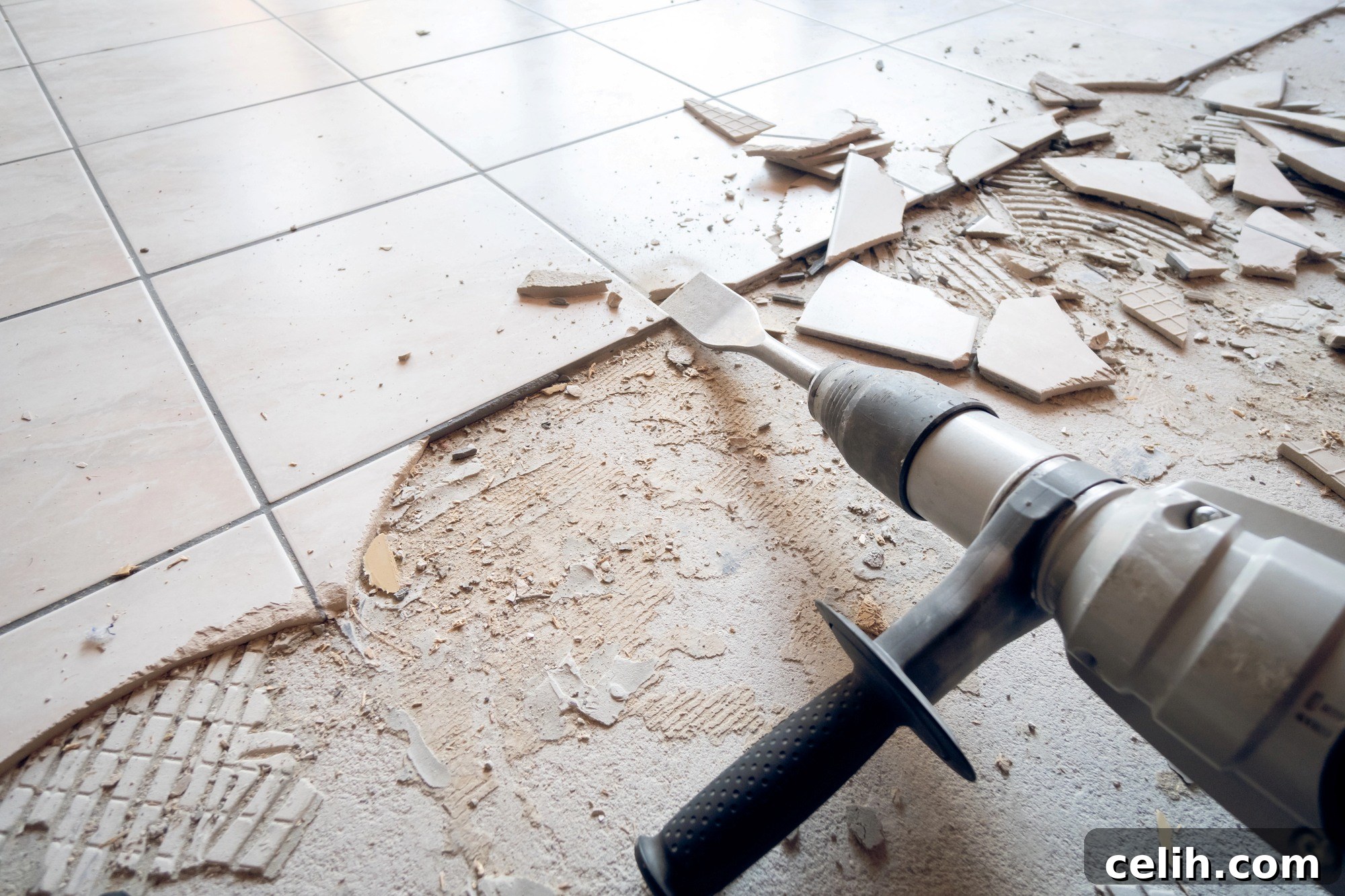
Starting your first home renovation can be exciting, but it involves much more than choosing colors and furniture. Behind walls and under floors there can be hazards that, if overlooked, pose health risks, legal complications, and structural failures that may render a home unsafe to live in. First-time renovators should prioritize a few essential safety checks before they begin.
Screening for Hazardous Materials
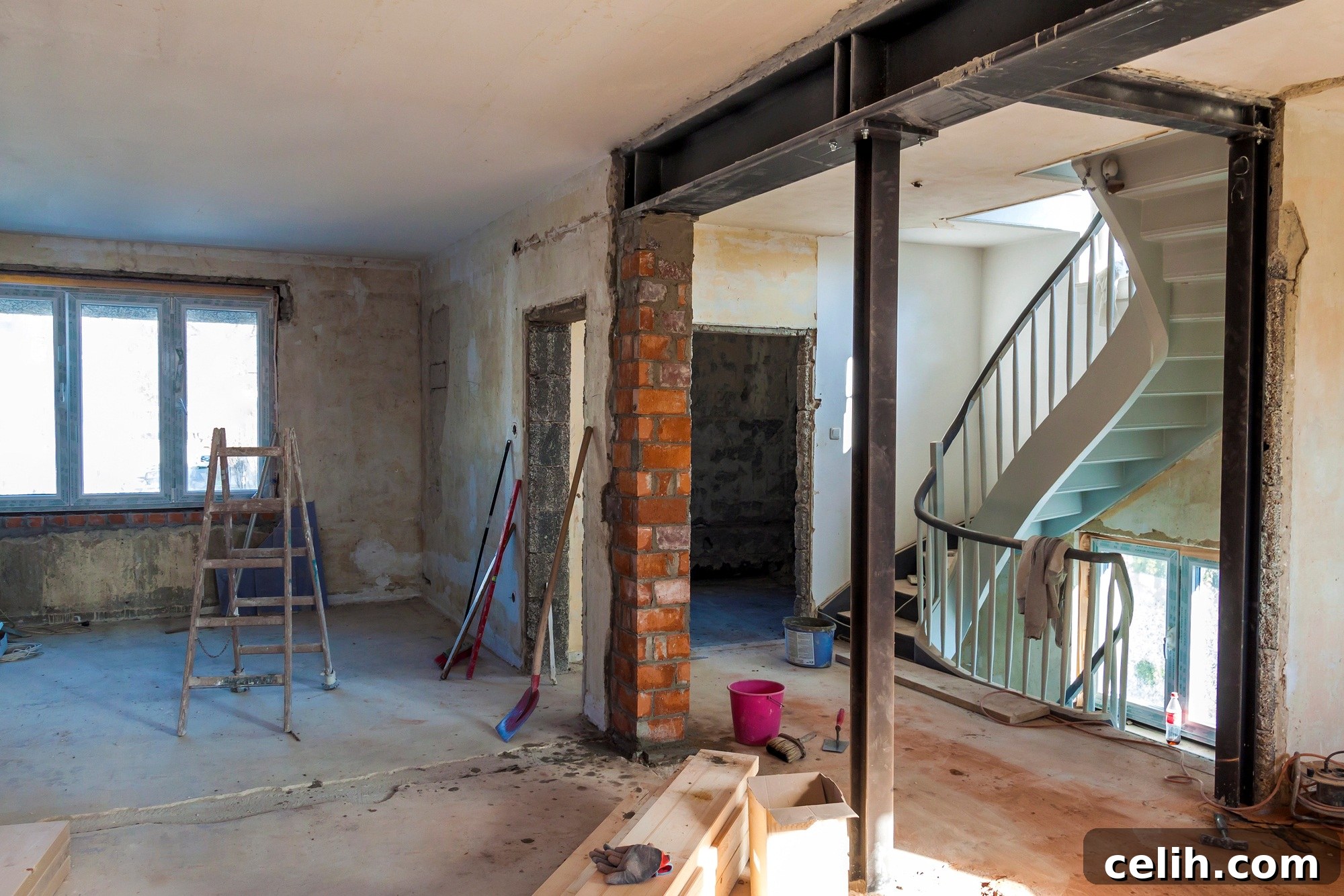
Homes built or altered before the late 1990s can contain hazardous materials such as asbestos and lead. Asbestos was widely used for its fire-resistant and insulating properties until it was banned or strictly restricted in many countries in the late 1990s. Lead paint and other lead-containing materials can also be present in older properties.
Disturbing these materials during sanding, drilling, or demolition can release tiny particles or fibers that are dangerous when inhaled. Long-term exposure to asbestos fibers can cause serious respiratory illnesses, including mesothelioma, a rare and aggressive cancer that often appears many years after exposure. Lead exposure poses its own set of health risks, particularly for children and pregnant people.
Because hazardous materials are not always visible or obvious, do not rely on sight alone. Hire a qualified surveyor to carry out a refurbishment and demolition survey before any significant work begins. A professional survey will identify hazardous materials and recommend safe management or licensed removal, ensuring the site is cleared or contained before renovation continues.
Verifying Structural Stability
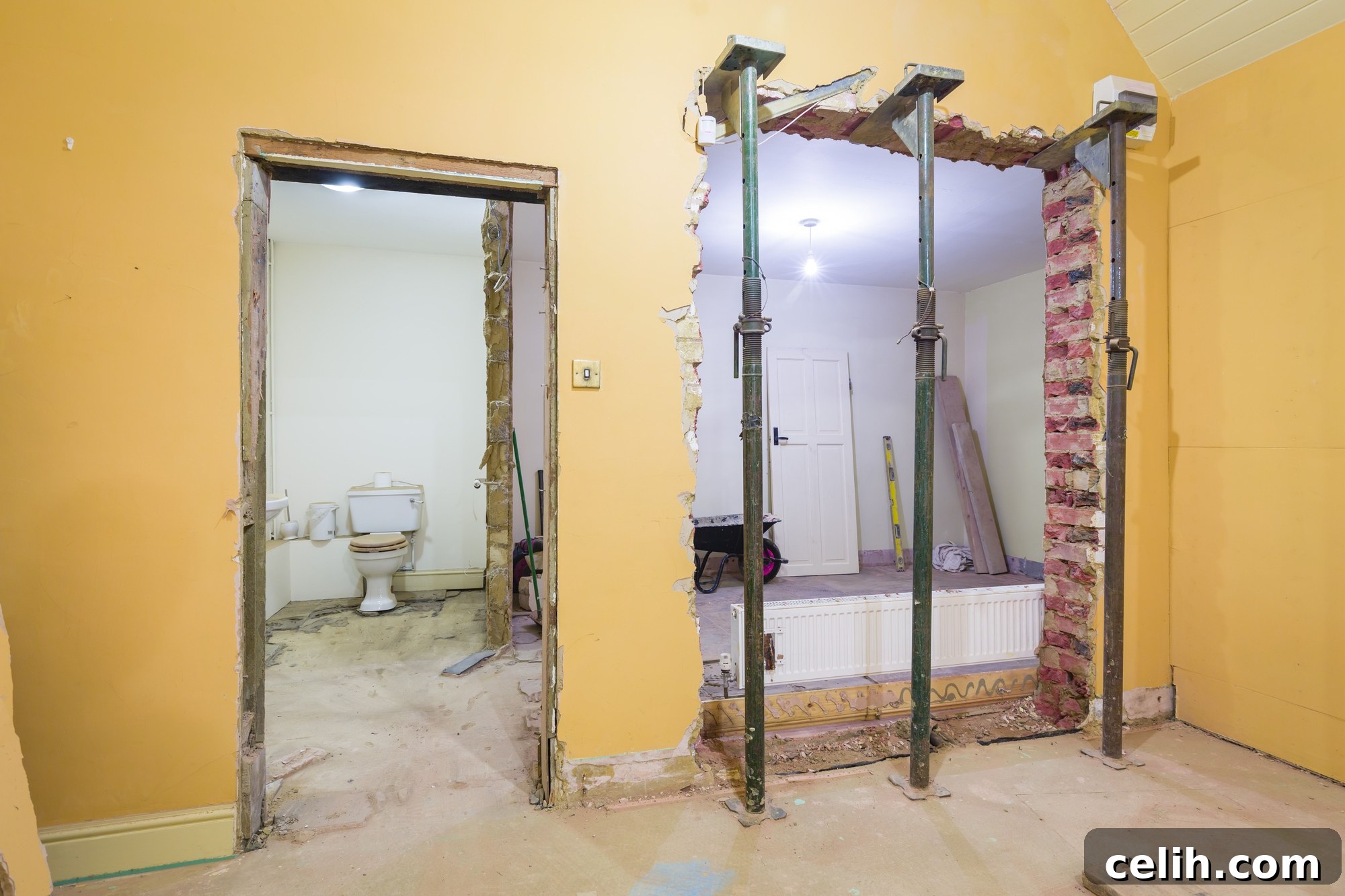
One common misconception among new renovators is that any interior wall can be removed to create an open-plan space. In reality, many walls, joists, and beams form the building’s structural framework and carry loads from the roof and upper floors down to the foundations. Removing or altering load-bearing elements without proper planning can cause sagging ceilings, cracked masonry, and in severe cases partial or total collapse.
Structural mistakes also risk failing inspections and jeopardize the ability to sell the property later. Repairing structural damage typically costs far more than consulting an expert at the start. Before knocking down walls or changing the layout, consult a licensed structural engineer. They will review plans, inspect the property, and advise on which elements are load-bearing and what supports—such as steel beams or columns—would be required to keep the building safe.
Endnote
Carrying out a thorough assessment before any renovation work begins is essential. Although surveys and professional consultations add upfront cost, they protect your health, ensure compliance with regulations, and prevent costly structural problems down the line. Taking these precautions will help ensure your renovation is safe, successful, and lasting.