
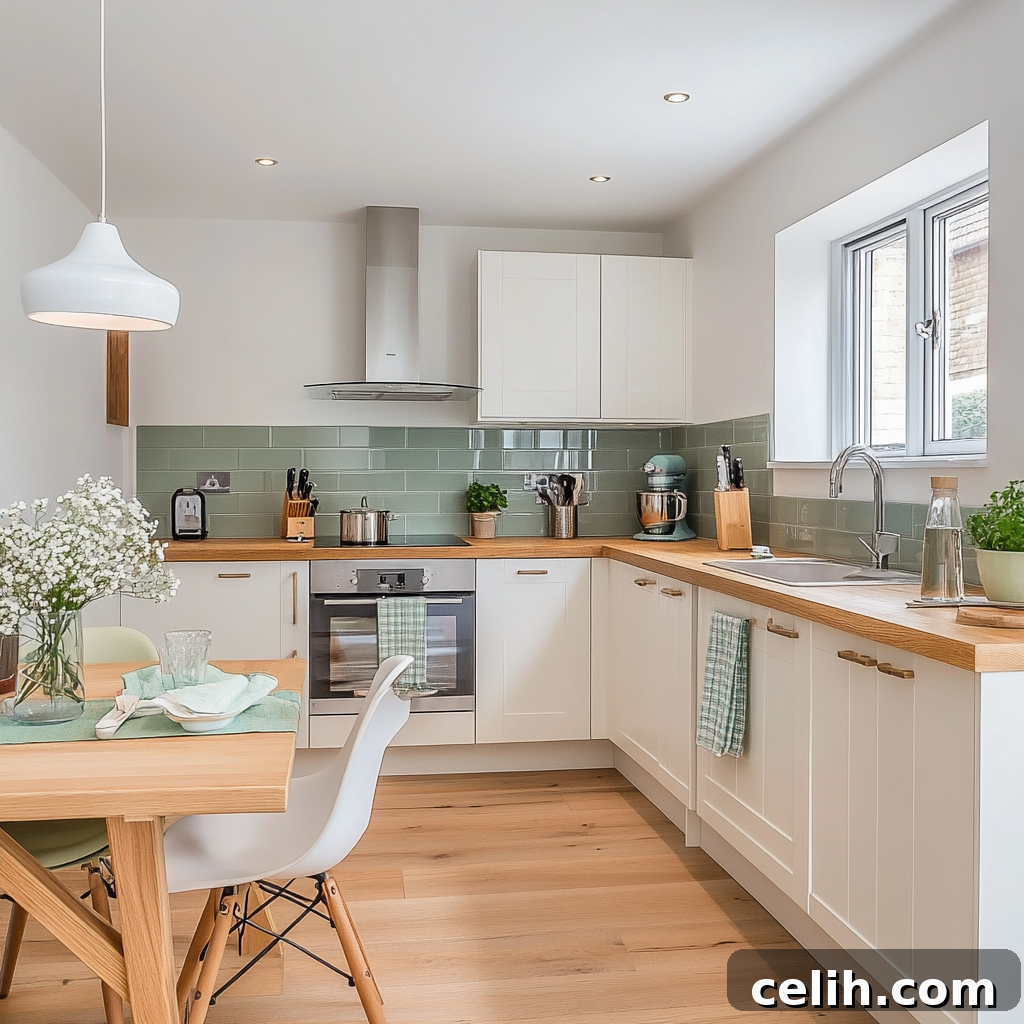
If you’ve ever stood in your kitchen feeling it shouldn’t feel quite as tired or awkward as it does, but you’re not ready to gut the whole room, you’re not alone. A full replacement isn’t always necessary. Often smarter choices about the existing layout, structure, and a few targeted upgrades will make a noticeable day‑to‑day difference without the cost and disruption of a complete rebuild.
Updating cabinetry looks simple at first glance, but the long‑term value depends on the decisions made early in the project. It’s easy to be distracted by doors, colours, and surface finishes, yet the carcasses, layout, and a handful of practical improvements are typically what transform usability and perceived quality more than a purely cosmetic overhaul.
Reface vs Replace Based on “Carcass Health,” Not Age
The first important decision is whether you need to replace the kitchen or simply refresh it, because the two options differ greatly in cost and disruption. Rather than assuming an older kitchen requires a complete rebuild, inspect the carcasses—the cabinet boxes that form the structure. If they’re dry, solid and structurally sound, there’s rarely a practical reason to remove them.
When carcasses are in good condition, refacing—replacing doors, drawer fronts and hardware while keeping the underlying structure—can deliver a fresh, modern look for significantly less money, often saving 40–60% compared with full replacement. Full replacement becomes necessary when there’s water damage, warping, or a layout that no longer works for how you use the space.
If you move beyond surface work, remember that any changes involving plumbing or gas will require qualified tradespeople. Reconnecting pipework, moving sinks, or altering waste runs is not just a joinery job and should be planned with appropriate professionals.
Standardise Door Sizes to Avoid Custom Premiums
Once you decide to keep or replace the structure, avoid overspending by opting for standard cabinet widths rather than bespoke units. Standard sizes—300mm, 400mm, 500mm, 600mm, and similar—are produced in volume, which reduces cost and shortens lead times.
You can still achieve a tailored, built‑in appearance by using filler panels and careful planning to bridge gaps rather than paying for custom doors on every single unit. Standardisation also makes future replacements and repairs simpler, because you won’t be locked into unusual dimensions.
Invest in “Touch Points,” Not Full Surfaces
To make a kitchen feel more expensive without rebuilding it, prioritise the elements you touch every day. Soft‑close hinges, smooth‑running drawer systems, solid metal handles, and robust runner hardware dramatically improve daily experience. These small functional upgrades are noticed immediately and create a premium impression without the cost of full‑surface changes.
Replacing awkward lower cupboards with deep drawers can transform usability, making pots, pans and routine items much easier to access. Practical upgrades like this generally provide more satisfaction than cosmetic tweaks alone.
Rework Internal Storage Before Aesthetic Upgrades
Before committing to colours and finishes, ask whether the kitchen works for your daily routine. Internal storage often determines how smoothly a kitchen functions. Pull‑out corner units, vertical dividers for trays and baking sheets, and bespoke inserts for cutlery and utensils make storage efficient and reduce clutter.
While upgrading functionality, consider broader home systems if tradespeople are already on site. For example, plumbing work in the kitchen can be an opportune time to address related tasks that improve overall household performance. Prioritising function usually yields better long‑term satisfaction and resale appeal than chasing purely visual trends.
Align Cabinet Finishes With “Neutral Longevity,” Not Trends
Finishes are where many people begin, but they are most effective when treated as the final layer. Trends shift quickly, and what looks modern now can date quickly in a space you won’t redecorate often. To protect value and longevity, choose finishes that act as a neutral backdrop—soft whites, warm neutrals, muted greys, or natural timber tones such as oak.
Neutral finishes age more gracefully and allow you to update accents—backsplashes, paint, lighting, textiles—without redoing the entire kitchen. That doesn’t rule out personality, but it does encourage deliberate choices about where to be permanent and where to experiment.
Final Thoughts
Start with the structural needs, keep the layout sensible, invest in the elements you use daily, and choose finishes that will stand the test of time. Those priorities will give you a kitchen that’s more pleasant to live with, less expensive to achieve, and better at holding its value over the long term.