
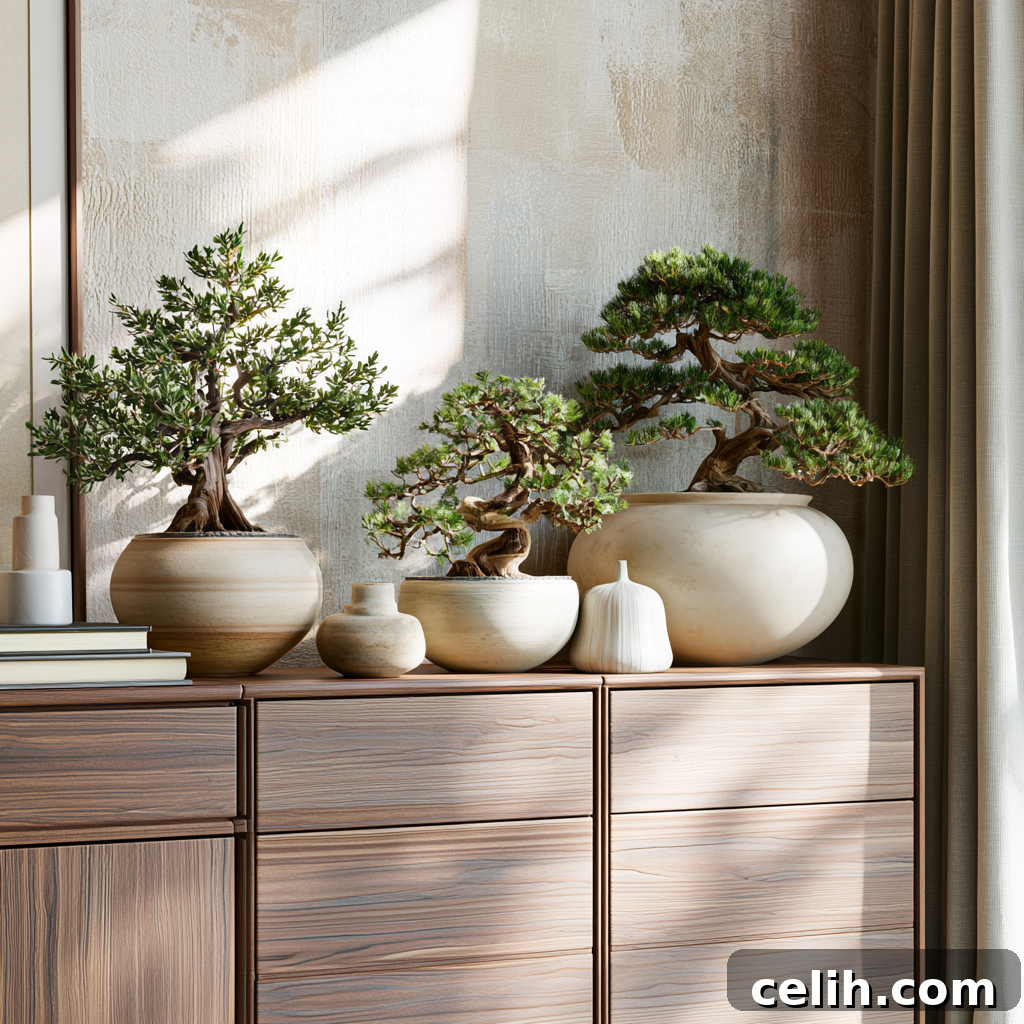
You see a bonsai tree and assume it’s supposed to be small.
Small is relative. Some bonsai top out at a few inches, while others reach a few feet. Size comes down to biology, the container you choose, and how much you intervene. Bonsai size isn’t fixed at purchase; it’s the result of an ongoing balance between a tree’s natural growth and the restrictions you apply through pruning, root work, and pot selection.
If you’ve wondered whether a bonsai will outgrow its pot, whether indoor bonsai stay smaller than outdoor ones, or how species differ in final size, this guide answers those questions and shows how to predict and control growth.
Quick Answer: How Big Do Bonsai Trees Get?
Most bonsai range from about 4 inches (10 cm) to 3 feet (90 cm) tall, depending on species, pot size, pruning, and growing conditions. Some remain under 3 inches (8 cm) for decades; others exceed 4 feet (1.2 m) and still qualify as bonsai. The key point: size is largely determined by how you cultivate the tree. Regular pruning, root restriction, container selection, watering, and fertilising influence the tree’s eventual height and proportions.
Are Bonsai Trees Naturally Small?
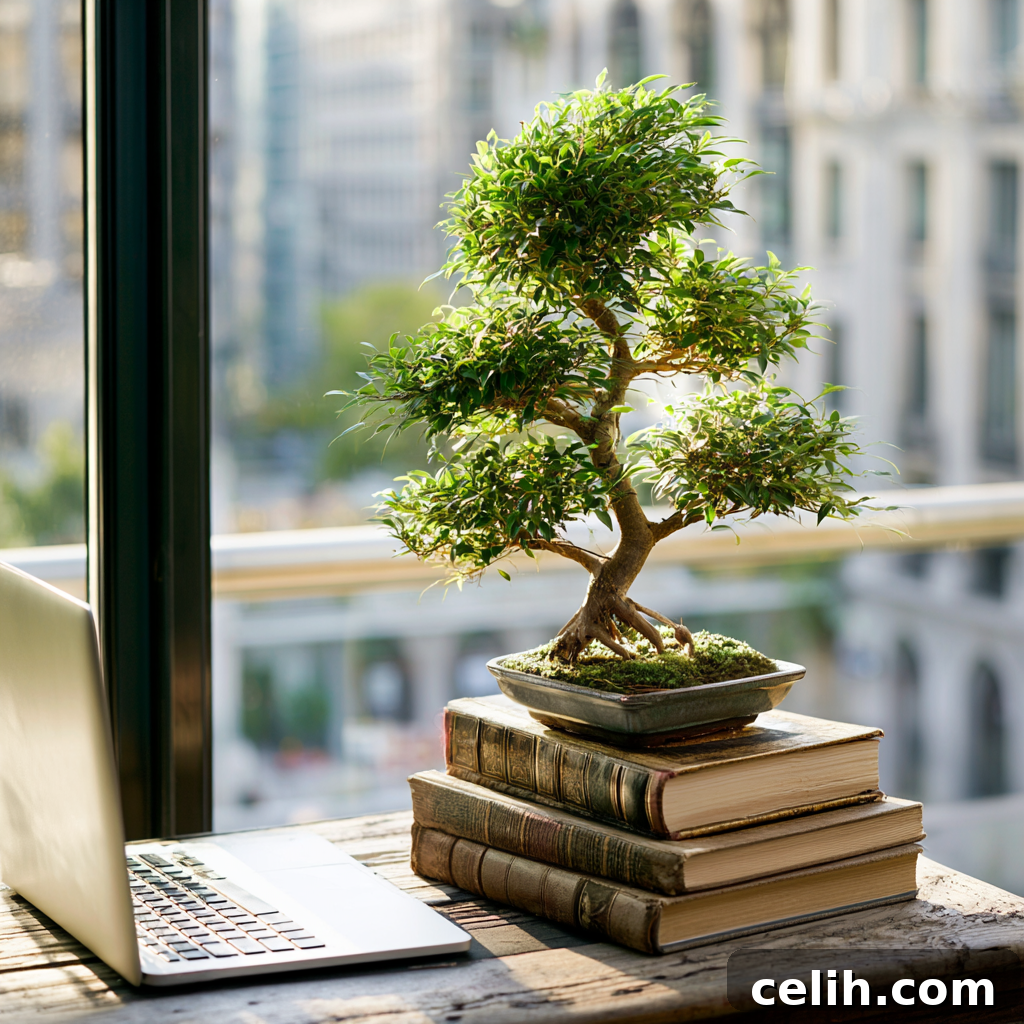
A common misconception is that bonsai are special dwarf species. In truth, bonsai is a cultivation method. Almost any woody tree or shrub can be trained as bonsai: maples, pines, junipers, elms, ficus, azaleas and more. Bonsai are genetically identical to full-sized trees; the difference comes from root pruning, branch pruning, wiring, and container restriction, which encourage compact growth while developing the appearance of maturity.
That’s why a bonsai can remain under 12 inches (30 cm) tall for decades yet display thick bark and detailed branching that suggest great age.
Can a Bonsai Grow Into a Full-Size Tree?
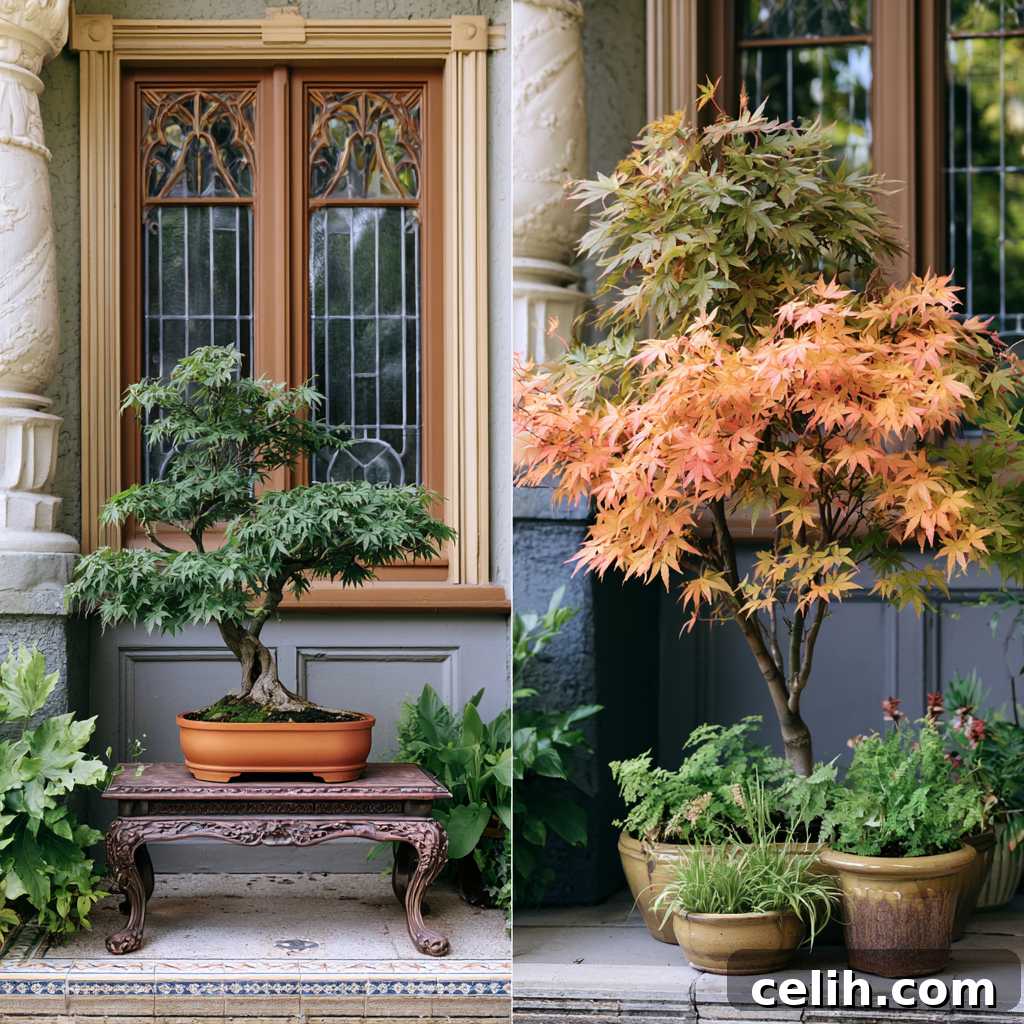
Yes. Many bonsai are ordinary tree species trained in containers. If planted in the ground or moved to a much larger pot and given unrestricted space, a bonsai can grow into a full-size tree. Years of container training can slow initial recovery, but trees will often regain vigorous growth once freed. Growers sometimes alternate periods of unrestricted growth to thicken trunks, then return the tree to a smaller pot for refinement.
“The word ‘bonsai’ literally means ‘planted in a container’ and originates from the Japanese art form that evolved from earlier Chinese penjing traditions.”
Bonsai Size Classifications: The Traditional Categories
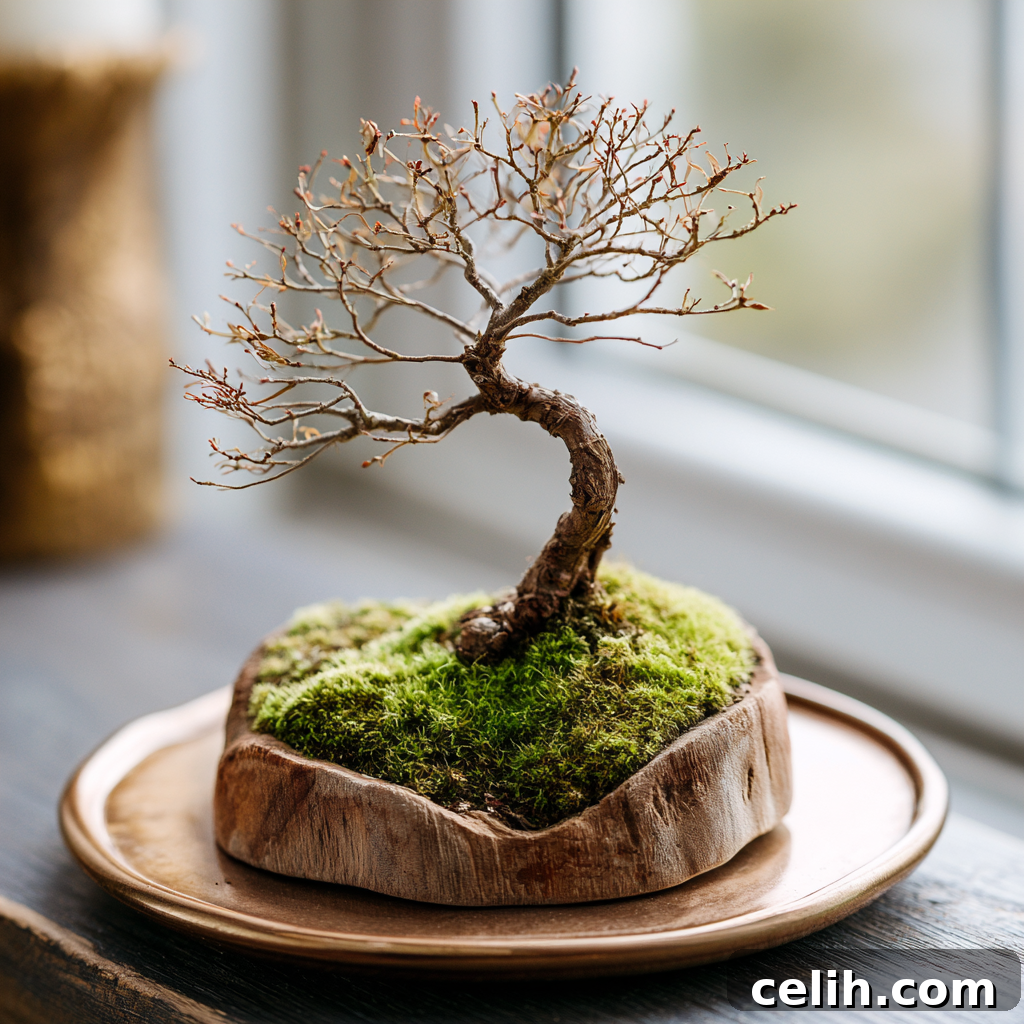
Bonsai covers a wide range of sizes. Traditional classifications describe height and display needs. While measures vary, these categories are a useful reference:
| Classification | Approximate Height |
|---|---|
| Keshitsubo | Up to 3 inches (8 cm) |
| Shito | 2–4 inches (5–10 cm) |
| Mame | 4–8 inches (10–20 cm) |
| Shohin | 5–8 inches (13–20 cm) |
| Komono | 6–10 inches (15–25 cm) |
| Kifu | 10–16 inches (25–40 cm) |
| Chuhin | 16–24 inches (40–60 cm) |
| Omono | 24–48 inches (60–120 cm) |
Smaller bonsai need more frequent watering and precise upkeep; larger bonsai offer greater visual impact and design flexibility. Shohin, Komono, and Kifu sizes are popular because they balance artistic expression with manageable care.
Species Matters More Than You Think
Species set the realistic ceiling for size and growth rate. Genetics determine how readily a tree will push large roots and long shoots. Some species are naturally compact and ideal for small pots; others are vigorous and demand frequent intervention.
Slow and compact growers (easier to keep small): Japanese maple, juniper, azalea, boxwood. They respond well to restriction and produce fine branching.
Moderate growers (balanced effort): Chinese elm, ficus, jade. They grow predictably and require root pruning every 2–3 years and trimming through the season.
Aggressive growers (high maintenance): trident maple, wisteria, willow. These species produce fast shoots and thick roots and need frequent work to control size.
Picking a species that matches your size goals saves time and frustration. A slow-growing juniper will remain compact in a small pot for years, while an aggressive maple in the same pot will need annual root work.
Typical Mature Sizes of Popular Bonsai Species
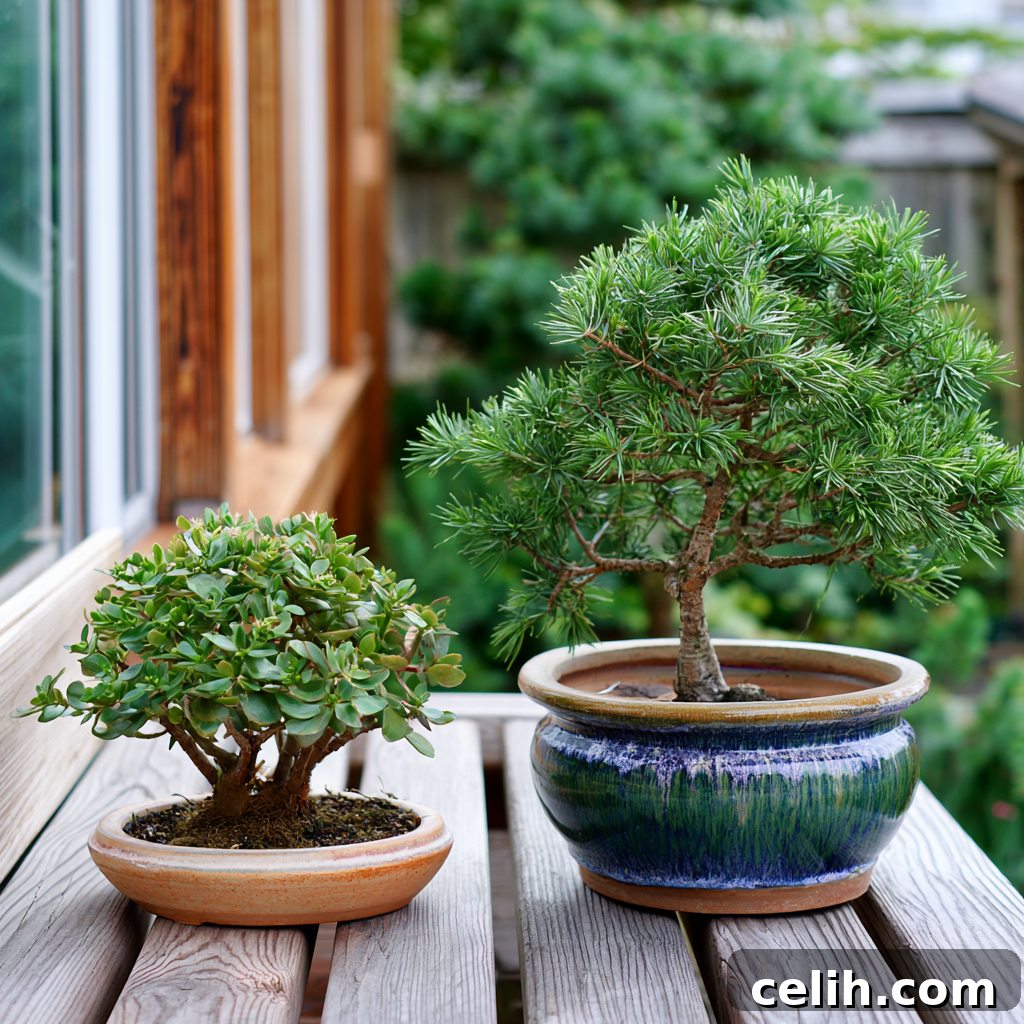
Different species lend themselves to different bonsai sizes. The following table gives a practical guide for beginners:
| Species | Typical Bonsai Height |
|---|---|
| Juniper | 6–24 inches (15–60 cm) |
| Chinese Elm | 8–30 inches (20–75 cm) |
| Japanese Maple | 10–24 inches (25–60 cm) |
| Ficus | 8–36 inches (20–90 cm) |
| Jade Plant | 6–18 inches (15–45 cm) |
| Azalea | 6–24 inches (15–60 cm) |
| Boxwood | 8–24 inches (20–60 cm) |
| Pine | 10–36 inches (25–90 cm) |
Best Bonsai Trees for Beginners
Choosing a forgiving species makes early success more likely. Good beginner choices include:
Ficus
Tolerant of indoor conditions, responsive to pruning, and quick to recover from mistakes. Glossy leaves and an attractive trunk make it a popular indoor bonsai.
Chinese Elm
Resilient and adaptable, it grows vigorously and develops attractive branching—ideal for learning shaping techniques.
Juniper
A classic outdoor bonsai that responds well to training and develops the rugged look associated with traditional bonsai.
Jade Plant
A succulent rather than a true tree, jade tolerates less frequent watering and periods of neglect, making it beginner-friendly.
Japanese Maple
Offers stunning seasonal colour and elegant branching. Slightly more demanding but highly rewarding for growers willing to provide extra care.
Select a healthy tree suited to your environment—an indoor-friendly species for indoor care, or a hardy outdoor species for an outdoor position.
“Some bonsai trees are hundreds of years old. One famous example is a Japanese white pine that survived the atomic bombing of Hiroshima and is believed to be centuries old.”
How Container Size Controls Bonsai Tree Growth
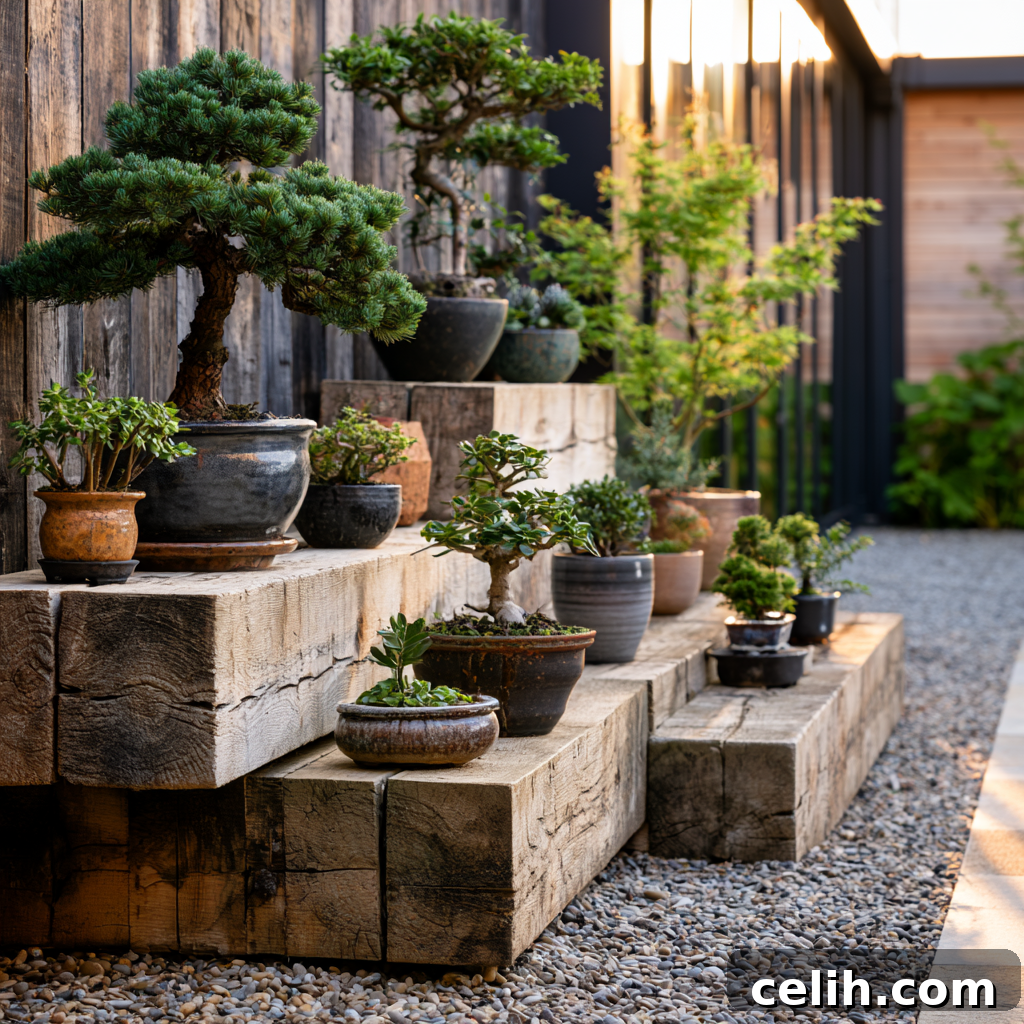
The pot is a primary growth regulator. Restricted root space limits water and nutrient uptake, which constrains foliage and vertical growth. A shallow 4-inch (10 cm) pot cannot support the same size tree as a deeper 12-inch (30 cm) pot. Growers use container size strategically:
- Smaller pots slow growth. Less root space means slower shoot elongation and smaller leaves. Choose the smallest pot that safely fits the root ball.
- Training pots accelerate development. Larger containers or temporary planting in the ground promote trunk thickening and faster ramification for later refinement.
- Depth matters. Shallow pots restrict vertical roots and force a compact root system; deep pots allow tap roots and more vigorous top growth.
Even to keep a tree small, you must repot and root prune every few years to refresh the root system and maintain vigour. The container is your most powerful tool for controlling final size.
Root Pruning Keeps An Ornamental Tree Small
Root pruning is the reset button. Removing part of the root mass forces the tree to rebuild its underground structure and temporarily slows top growth. This keeps the root ball compact so the tree remains healthy in a small pot.
Frequency depends on species: fast growers may need annual root work, while slow growers can go several years between sessions. Proper root pruning trims thick, circling roots while preserving fine feeder roots, then returns the tree to fresh soil in the same pot to improve drainage without increasing container size.
Neglecting root pruning leads to root-bound trees, poor water absorption, and declining health. Regular root maintenance keeps the tree vigorous and small.
Canopy Pruning and Wiring Shape Final Size
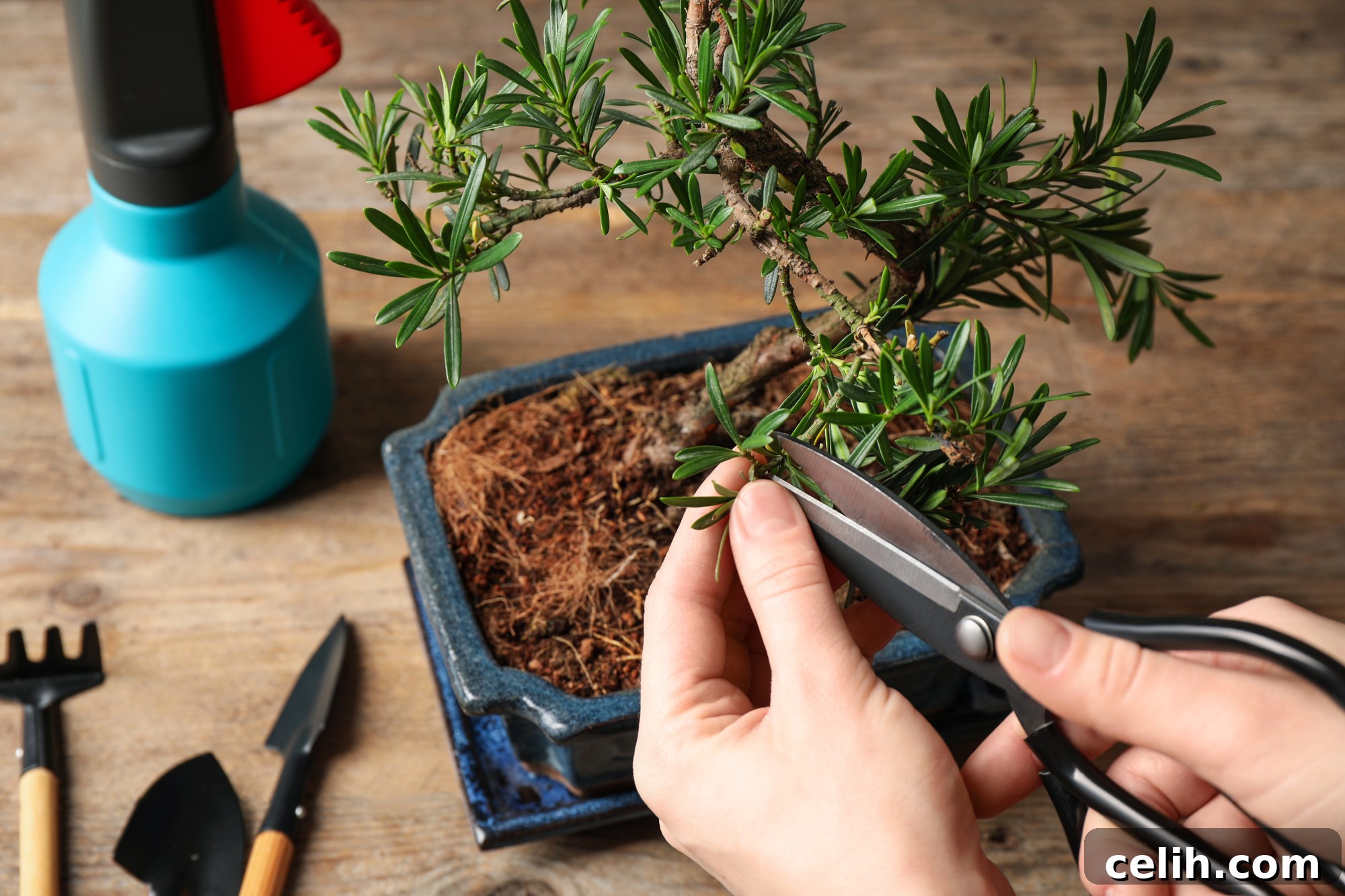
Pruning controls how the tree directs energy. Cutting shoots halts elongation and redirects energy into lower buds, producing denser foliage and finer branching. Frequent pruning during the growing season keeps trees compact; infrequent pruning allows vertical shoots to lengthen.
Wiring repositions branches to alter hormonal distribution and slow upward growth. Pruning and wiring together determine whether a bonsai stays short and bushy or slowly becomes taller.
Indoor vs. Outdoor Growth Differences
Location greatly affects growth. Outdoor bonsai grow faster and larger because of full-spectrum sunlight and seasonal temperature changes; they often need more frequent pruning. Indoor bonsai grow more slowly due to limited light and stable temperatures, making them easier to maintain at smaller sizes. Light is the biggest factor: outdoor trees can receive many hours of direct sunlight, while indoor specimens often get far less.
Temperature swings and seasonal dormancy also influence growth cycles. If you want minimal intervention and a tree that stays small, an indoor position helps. If you want dramatic growth to sculpt, an outdoor setting is better—but it requires more upkeep.
“Bonsai are designed to mimic ancient trees found in nature, complete with weathered trunks, exposed roots, and dramatic branch structures.”
Where Should You Display Bonsai Trees?
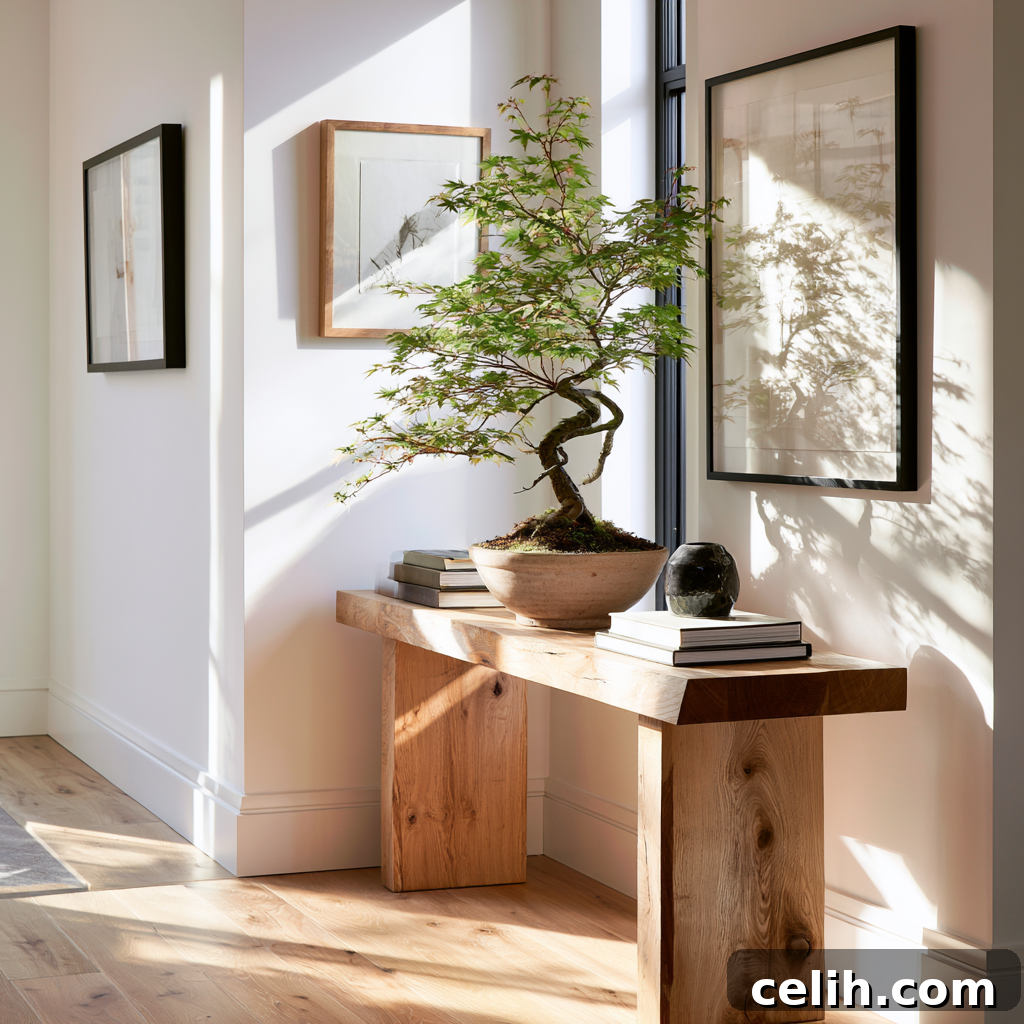
Display location affects health and growth. Consider light, temperature, humidity, and airflow first, aesthetics second. Indoor tropical species like ficus, dwarf jade, and fukien tea prefer bright, indirect light—common spots include home offices, living rooms, sunrooms, and conservatories. Avoid placing trees next to radiators, air-conditioning units, or draughty doors.
Outdoor species such as junipers, pines, maples, and elms benefit from patios, courtyards, balconies, and bonsai benches where they experience seasonal changes and good airflow. Elevating a display improves viewing and ventilation while protecting from extreme winds and harsh midday sun.
Creating a Feature Display
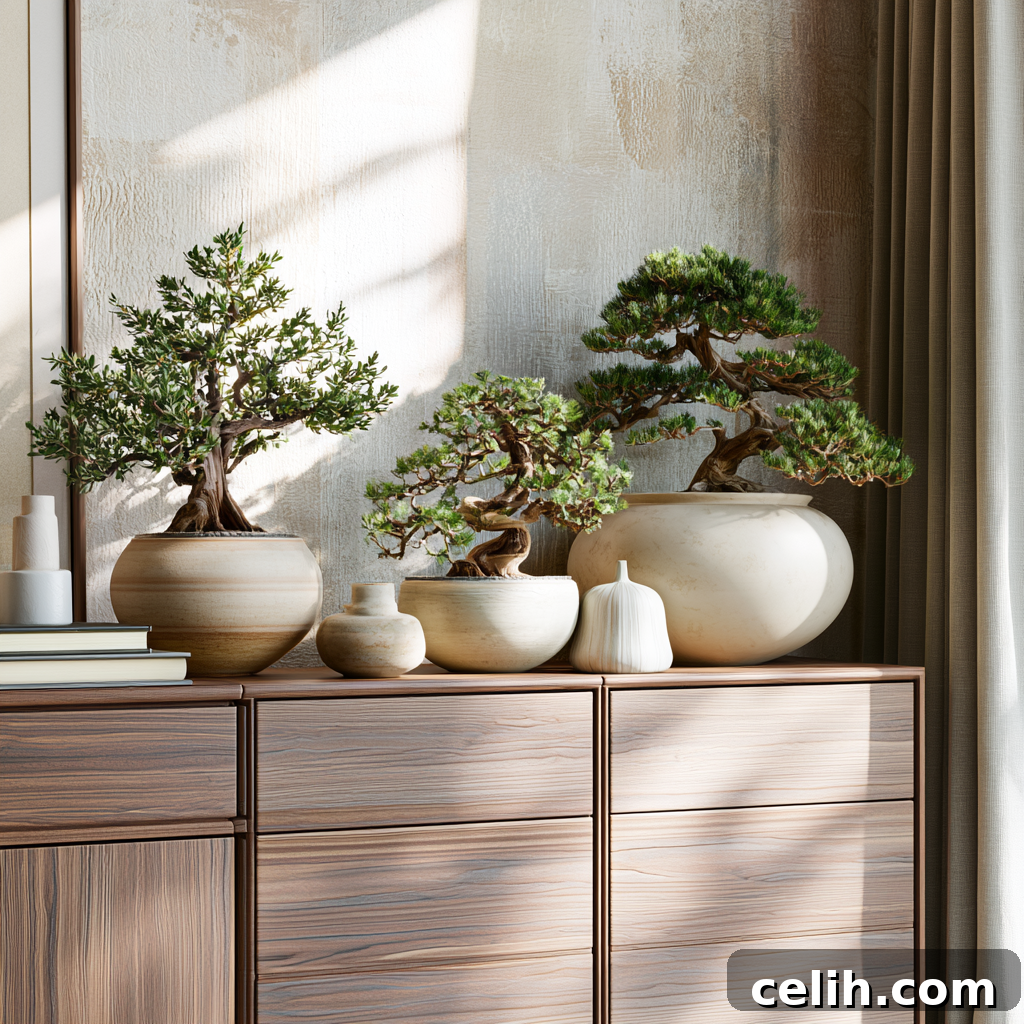
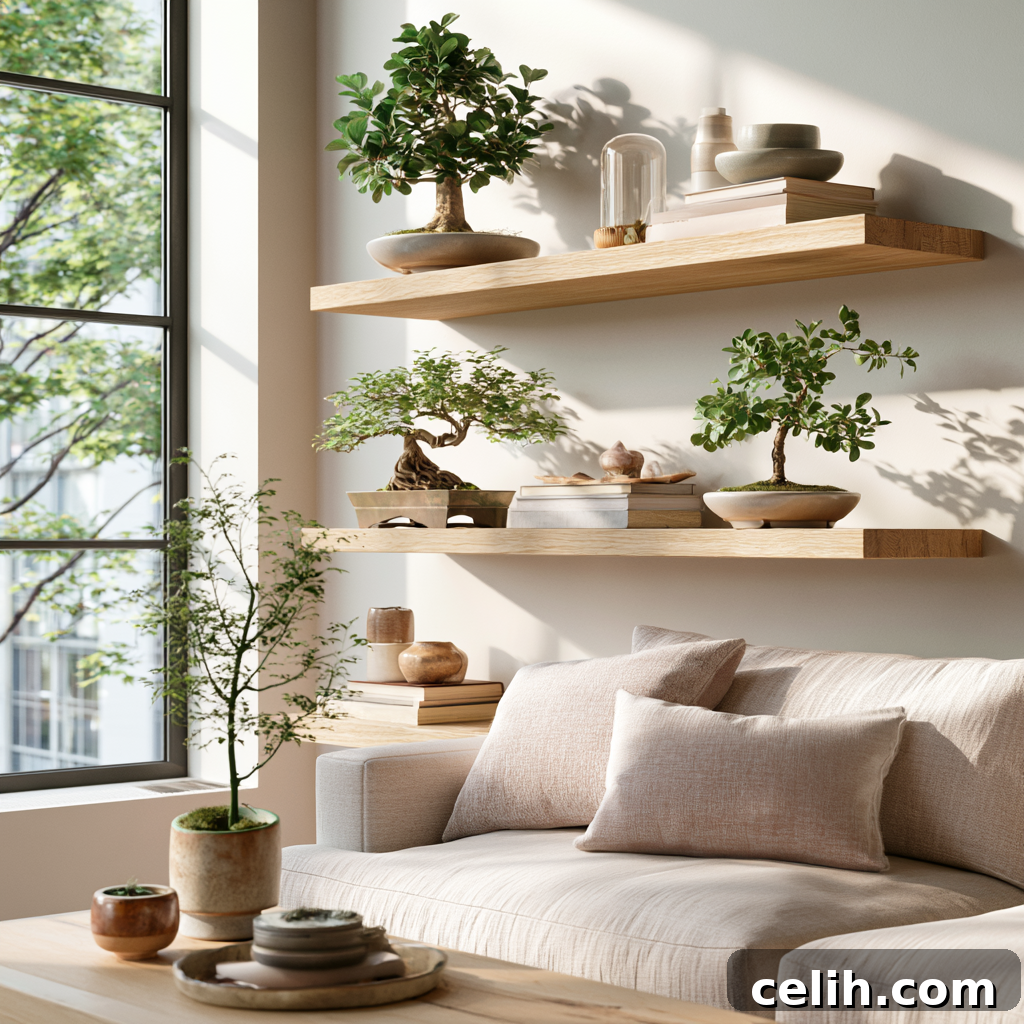
A single well-positioned bonsai can be a focal point on a shelf, console table, or stand. Many enthusiasts pair trees with natural accents like stone, wood, moss, or gravel to create miniature landscapes that enhance calm and focus.
“Traditional bonsai display is an art form, with carefully chosen pots, stands, accent plants, and viewing angles contributing to the presentation.”
Remember That Health Comes First
A beautiful display means little if the tree struggles. Always prioritise the species’ needs for light, water, and temperature. Healthy bonsai develop dense foliage, strong branching, and the mature character that makes them captivating.
Age Doesn’t Determine Size
Age affects appearance rather than height. A 30-year-old juniper in a small pot can look ancient yet remain under a foot tall. Growers separate development (years in larger pots or in the ground to build trunk thickness) from display (restricted pot and regular maintenance). You can purchase an older, compact bonsai or grow a younger tree to the same size more quickly; the older tree usually shows more refinement.
Does a Bonsai Trunk Keep Getting Thicker?
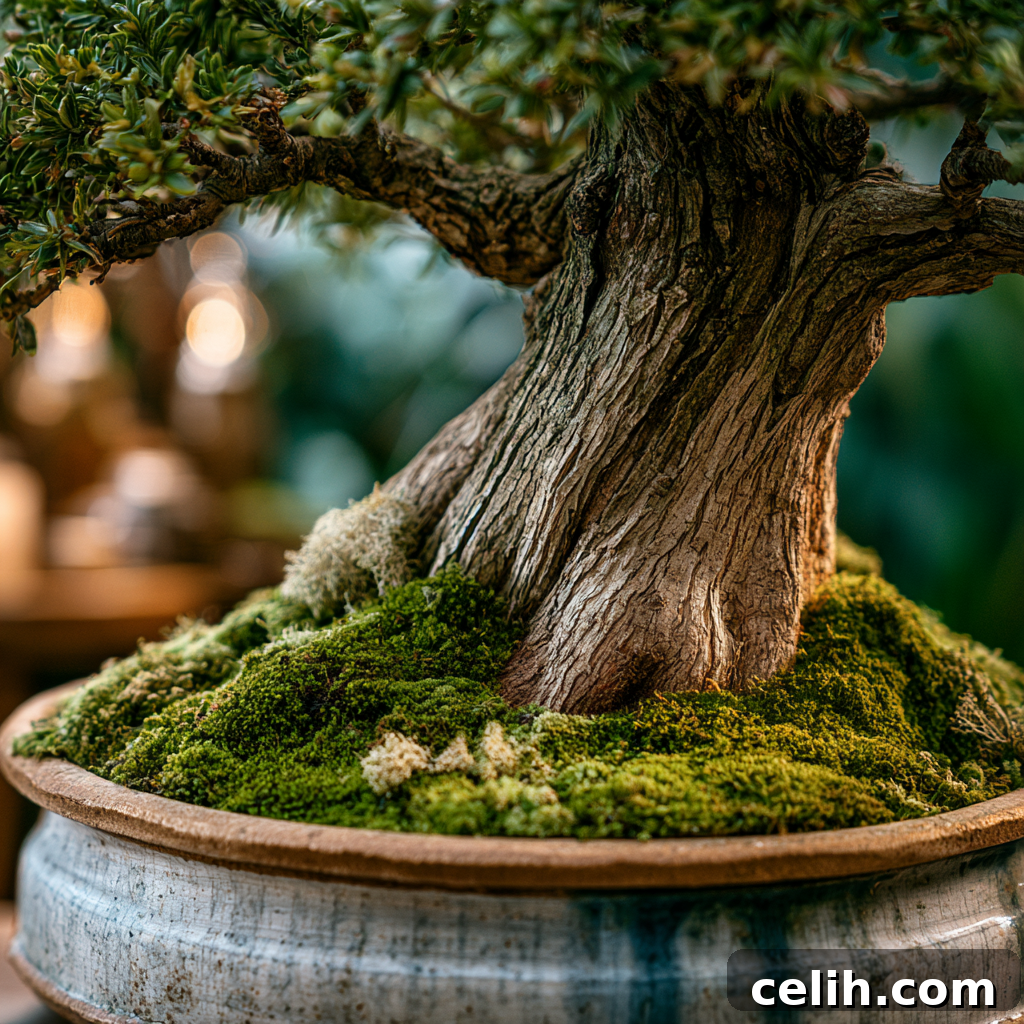
Height and trunk development can progress separately. A bonsai may hold the same height for years while its trunk thickens, bark textures deepen, and branch structure refines. Many growers encourage stronger growth early to develop trunk taper, then switch to maintenance that prioritises size control.
Fertilizer and Watering Impact Growth Rate
Feeding influences how fast a bonsai grows. Heavy, high-nitrogen fertilisation promotes vigorous shoot and root growth—useful during development but counterproductive when maintaining a small tree. Moderate feeding with a balanced or lower-nitrogen formula at reduced strength every 4–6 weeks keeps the tree healthy without excessive growth. Watering maintains health but doesn’t directly inflate size; overwatering harms roots while under-watering stresses the tree. Consistent care lets pruning and root work control size predictably.
What Is the Largest Bonsai Tree?
Bonsai vary widely in scale. Some historic specimens exceed 4 feet (1.2 m) tall and require several people to move. At the other extreme, keshitsubo and shito bonsai fit in the palm of your hand. The defining factor is technique, not a fixed height.
“Some enthusiasts spend decades developing a single tree, gradually refining its shape and character over a lifetime.”
Final Thoughts
Bonsai size is shaped by species, root restriction, pruning, container choice, light levels, watering and fertilisation—age alone doesn’t determine final dimensions. Most bonsai sit between 6 inches (15 cm) and 3 feet (90 cm), but the range is wide. With understanding and consistent care you can keep a bonsai compact for decades while it develops the refinement and character of a mature tree.
Frequently Asked Questions
How tall does a bonsai tree get?
Most bonsai grow between 6 inches (15 cm) and 3 feet (90 cm), though miniature and very large exceptions exist.
Do bonsai trees stay small naturally?
No. Bonsai are kept small through pruning, root work, container restriction, and ongoing maintenance. Without those techniques, many species would grow into much larger trees.
Can a bonsai tree grow into a full-size tree?
Yes. If planted in the ground or moved to a much larger pot and allowed unrestricted growth, a bonsai can become a full-size tree over time.
How long does it take a bonsai to reach its full size?
Timing depends on species and goals. Some bonsai reach display size in 5–10 years; others develop over decades. Trunk, bark and branch refinement continue long after height stabilises.
Can bonsai outgrow their shallow pots?
Yes. Roots eventually fill available space. Regular root pruning and repotting prevent root-bound conditions and declining vigour.
Are indoor bonsai smaller than outdoor bonsai?
Often, yes. Indoor bonsai usually grow more slowly due to limited light and stable temperatures, making them easier to keep small. Outdoor bonsai receive stronger light and seasonal cues that promote faster growth.
Which bonsai species stays the smallest?
Junipers, boxwoods, azaleas and some dwarf maples are among the easiest to keep compact, though nearly any species can be managed to remain small with proper techniques.
Can you keep a bonsai small forever?
With consistent pruning, root maintenance, appropriate feeding, and careful pot selection, many bonsai can remain at a steady size for decades while gaining character and refinement.