
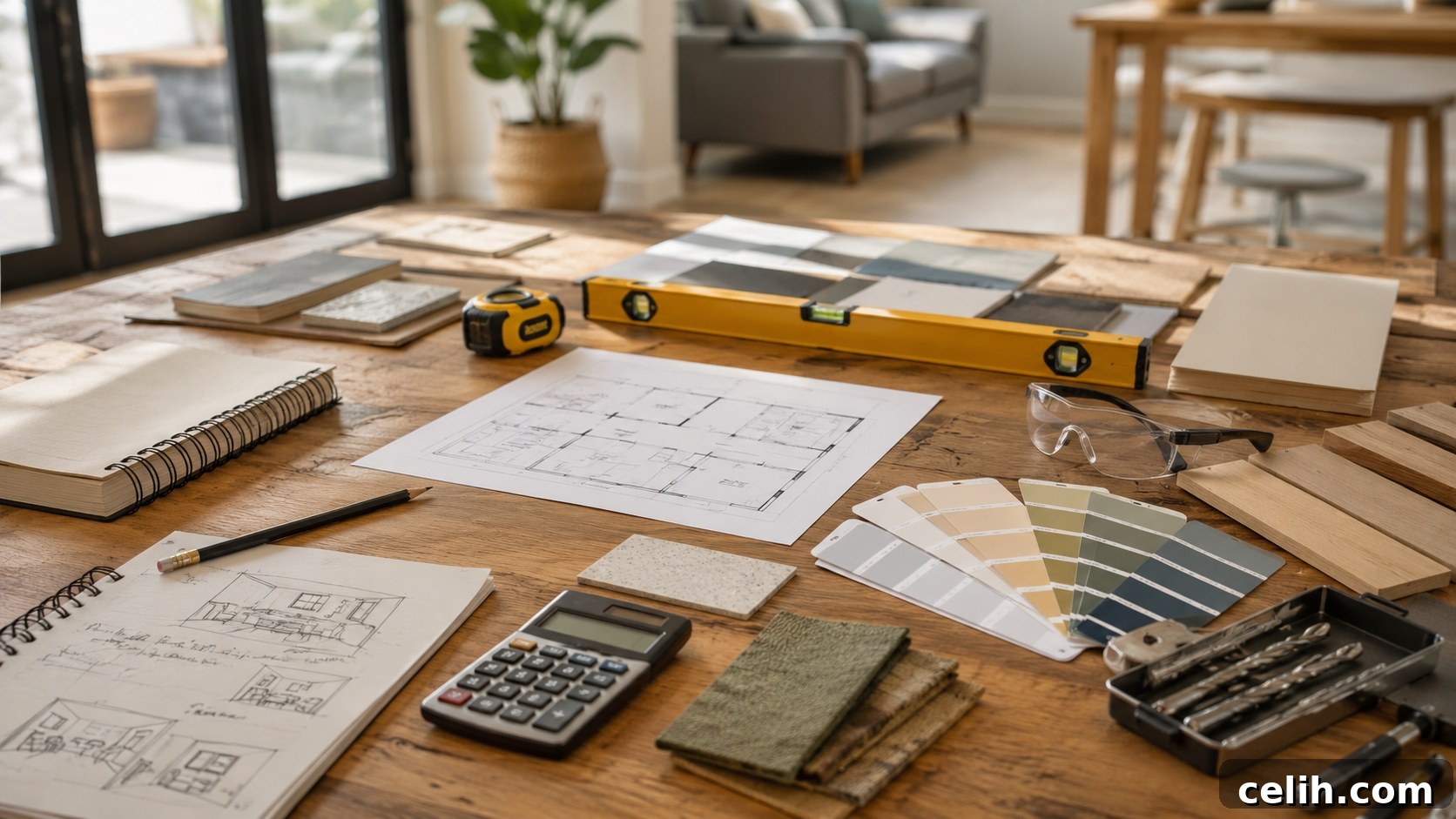
Home improvement projects are one of the most effective ways to increase comfort, functionality, and value in your property. Whether you’re refreshing a tired room, renovating a kitchen, restoring a piece of furniture, or tackling overdue repairs, careful planning and execution are essential. Too often projects run over budget or take longer than expected because of preventable errors in planning, tool choice, preparation, and budgeting. Prioritising quality tools, realistic timelines, and thorough preparation reduces frustration and long-term costs.
DIY work can save money and bring a strong sense of accomplishment, but skipping key steps or rushing leads to wasted materials, delays, and unsatisfactory results. Identifying common pitfalls ahead of time will help you complete projects more efficiently and achieve lasting finishes.
Failing to Plan Before Starting
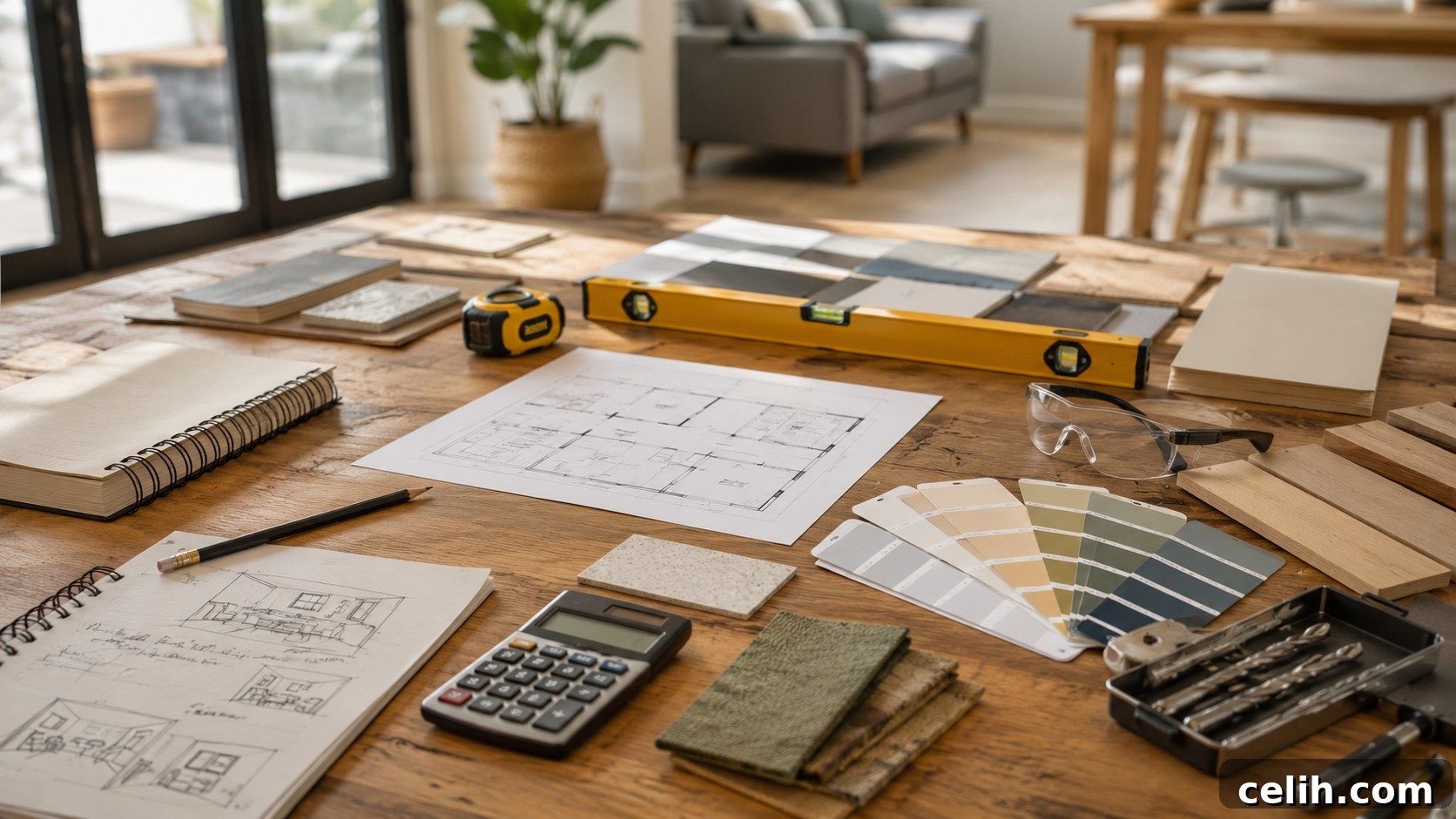
Many problems begin long before any tools are picked up. Enthusiasm can make it tempting to begin immediately, but insufficient planning often creates avoidable complications. Accurate measurements are crucial: ordering flooring, wallpaper, cabinets, or furniture without precise dimensions commonly leads to costly returns and installation delays. Likewise, misjudging material quantities forces extra trips to suppliers and interrupts workflow.
Budget errors are another frequent issue. Homeowners often account only for major items and forget essentials like fixings, consumables, protective coverings, paint accessories, and waste disposal. Hidden issues—especially in older homes—can surface once work begins, revealing rot, wiring problems, or previous poor repairs that require additional repairs. A realistic budget, a clear materials list, and a practical schedule dramatically reduce stress and keep projects on track.
Choosing the Wrong Tools for the Task
The right tools affect both the ease of completing a job and the quality of the finished result. Using unsuitable equipment slows progress and increases frustration. For example, cutting with the wrong blade or saw creates rough edges and inaccurate joints, while underpowered tools struggle with tasks that require more torque or precision.
Incorrect tool choice also raises the risk of damaging materials. A drilling mistake, an uneven cut, or improper sanding can turn a small error into an expensive replacement. You don’t always need industrial-grade equipment, but investing in appropriate, reliable tools for the project you’re undertaking will save time and improve outcomes.
Skipping Surface Preparation
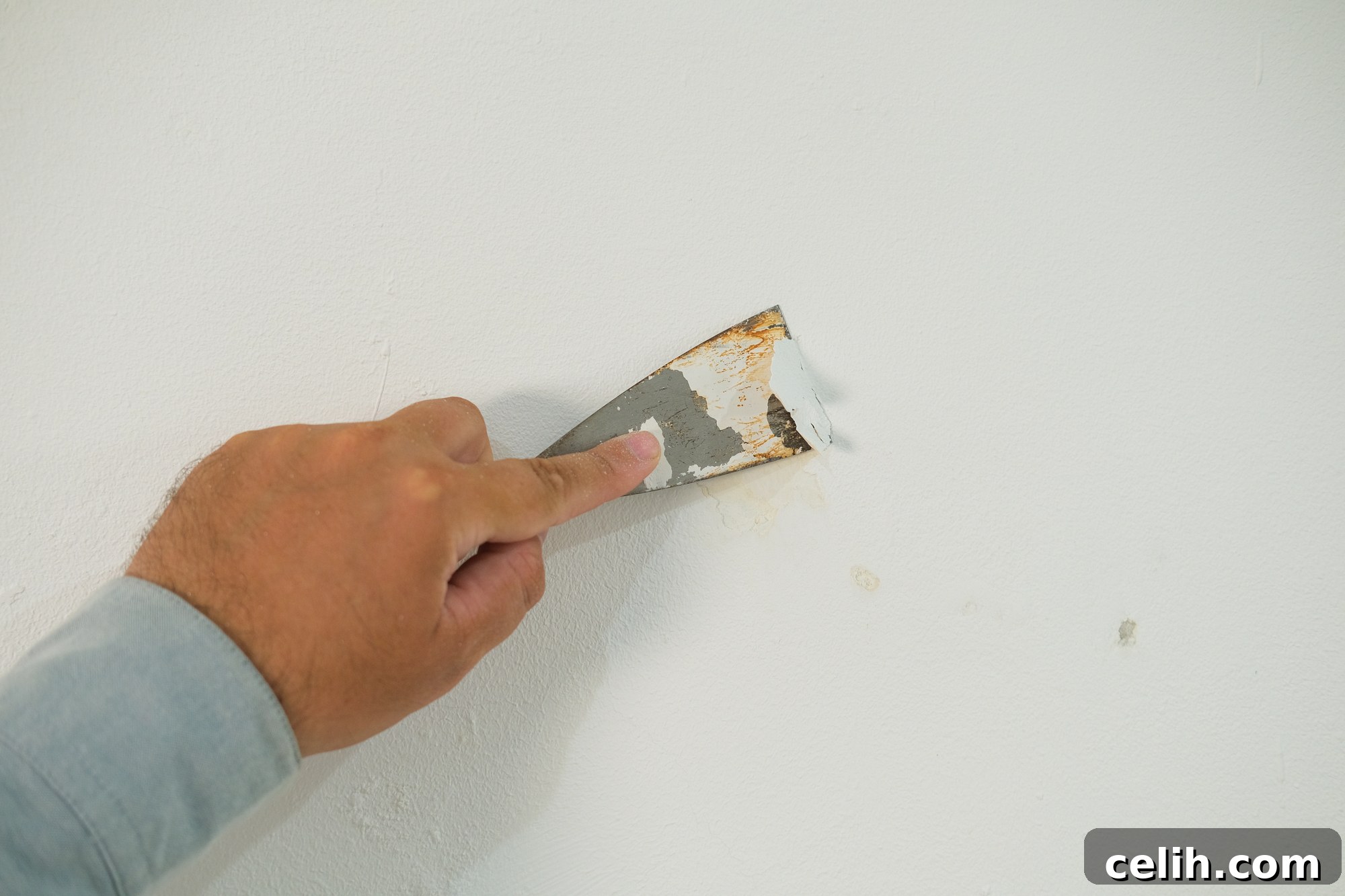
Preparation may be the least glamorous part of a project, but it is often the most important. Whether you are painting, refinishing, installing flooring, or making repairs, the end result depends heavily on the quality of the prep work. Rushing or skipping this step leads to visible flaws: paint that peels, uneven finishes, or floors that don’t sit flat.
Proper preparation includes repairing imperfections, cleaning surfaces thoroughly, sanding where needed, and ensuring subfloors or substrates are sound. Taking the time to prepare correctly results in a more professional finish and reduces the chance of future problems.
Buying Based Solely on Price
Controlling costs is important, but choosing solely on lowest price can create higher expenses down the line. Cheaper materials and tools often deliver lower durability, reduced performance, and shorter lifespans. While the most expensive option isn’t always the right one, focusing on value—balancing initial cost with longevity and performance—usually yields the best outcome.
Consider warranties, reviews, and expected lifespan when shopping. A slightly higher upfront investment in a durable product or a reliable tool can prevent recurring replacement costs and additional labour in the future.
Ignoring Basic DIY Safety
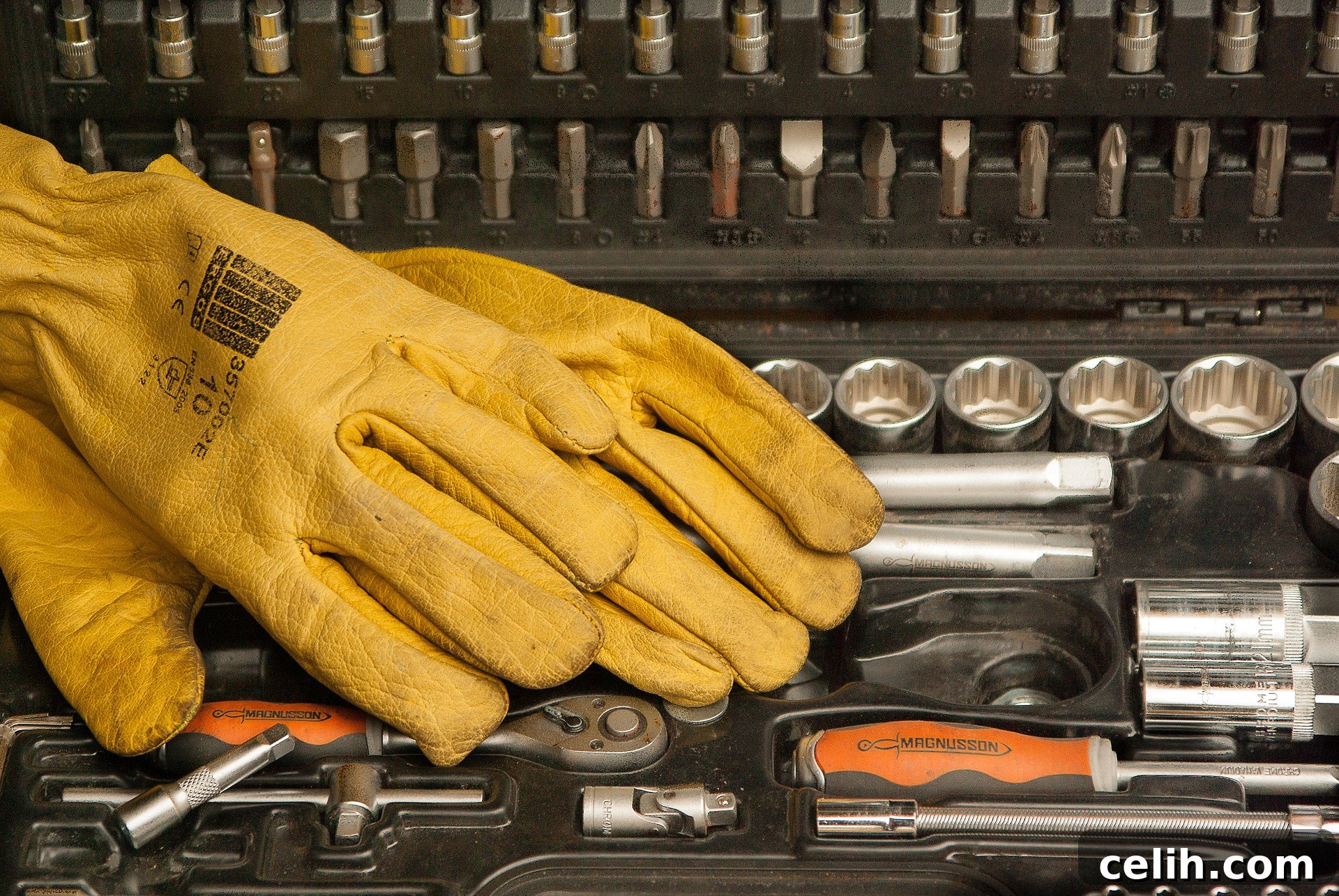
Safety is often overlooked, especially for seemingly simple tasks. Basic precautions protect you and prevent costly setbacks. Wear eye protection when cutting, drilling, or sanding; use hearing protection for loud power tools; and ensure adequate ventilation when working with paints, adhesives, or sealants. Check that ladders are stable and used correctly to avoid falls.
Keeping the workspace organised reduces trip hazards and accidental damage. Simple safety habits not only protect people but also limit the chance of mistakes that slow a project or increase its cost.
Taking on Projects Beyond Your Skill Level
DIY skills improve with experience, but it’s important to be realistic about which projects you can safely and successfully complete. Decorating, furniture restoration, shelving, and many maintenance tasks are suitable for most homeowners. However, more complex or high-risk jobs—structural changes, major electrical work, extensive plumbing, and roofing—often require specialist knowledge, tools, and certifications.
Errors in these areas can compromise safety, lead to expensive repairs, and affect insurance or compliance. When in doubt, consult a qualified professional to avoid unnecessary risk.
Forgetting About Long-Term Maintenance

Finishing a project can feel like the end, but ongoing maintenance keeps the result looking and performing well. Exterior timber, painted surfaces, decking, and many other materials need periodic care—recoating, resealing, and regular cleaning—to avoid premature deterioration. Neglecting maintenance shortens the lifespan of your work and raises long-term costs.
Plan for maintenance from the outset and factor it into your budget and schedule to protect your investment over time.
Making the Most of Your Home Improvement Projects
Successful projects result from planning, accurate budgeting, thorough preparation, appropriate tools, and consistent attention to detail. Avoiding common mistakes—poor planning, inadequate prep, unsafe practices, and buying solely on price—improves results, reduces stress, and saves money. Whether you’re refreshing a single room or undertaking a larger renovation, thoughtful decision-making is as important as the manual work itself.
FAQs
What are the most common home improvement mistakes homeowners make?
Common mistakes include poor planning, inaccurate measurements, unrealistic budgets, skipping preparation, using inappropriate tools, and underestimating project complexity.
How can I avoid overspending on a renovation project?
Create a detailed budget that includes a contingency, measure materials accurately, research products for value and durability, and allow time for unexpected issues.
Why does tool quality matter for DIY work?
Good tools increase efficiency, reduce frustration, help achieve better finishes, and lower the risk of damaging materials during the job.
When should I hire a professional instead of doing the work myself?
Hire a professional for structural alterations, major electrical or plumbing work, and complex roofing projects where safety, compliance, and specialised qualifications are important.
What preparation should be completed before starting a home improvement project?
Preparation should include accurate measurements, a realistic budget, sourcing materials, surface repairs and cleaning, organising tools, and ensuring a safe, organised workspace.
How can I improve the efficiency of DIY renovation work?
Plan each stage, use suitable tools, prepare surfaces properly, work methodically, and give yourself enough time for each step to improve efficiency and results.