
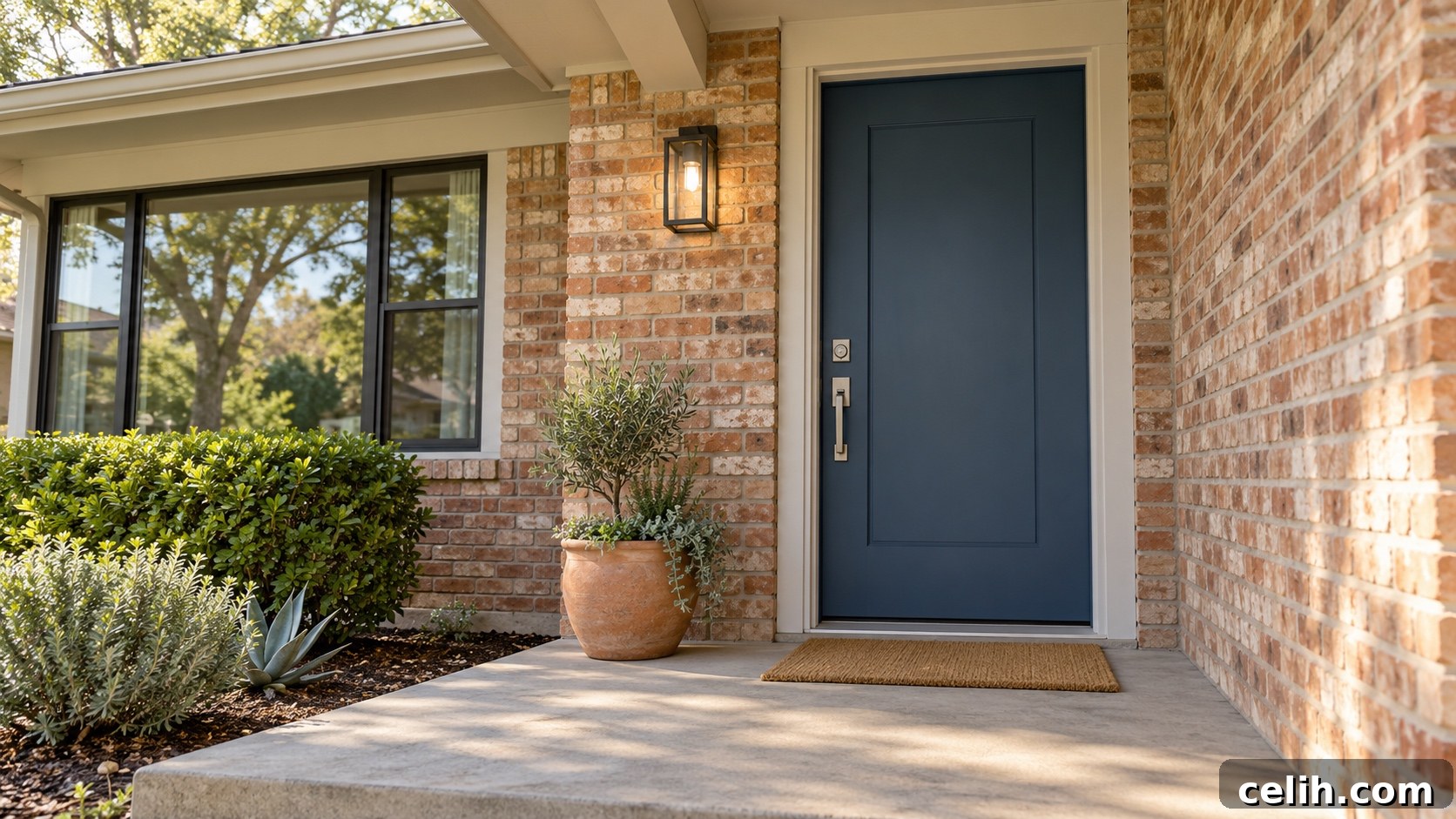
Every home signals its age long before anyone opens a cupboard. Paint choices, ceiling textures and window frames all give buyers immediate clues. In Texas, finishes also suggest how the house will perform in heat, how much cooling might cost and whether hidden repairs are likely. Those first impressions can determine whether a listing attracts offers quickly or lingers on the market.
Some sellers invest in updates before listing; others put the property on the market as-is. Cameron Love, owner of the family company StrykCam, buys homes for cash across Fort Worth and the wider DFW area. His team’s guide to dated Fort Worth homes highlights the features buyers notice first—and those observations line up with national remodeling research and agent priorities.
Table of Contents
What Makes Texas Buyers Call a House Dated?
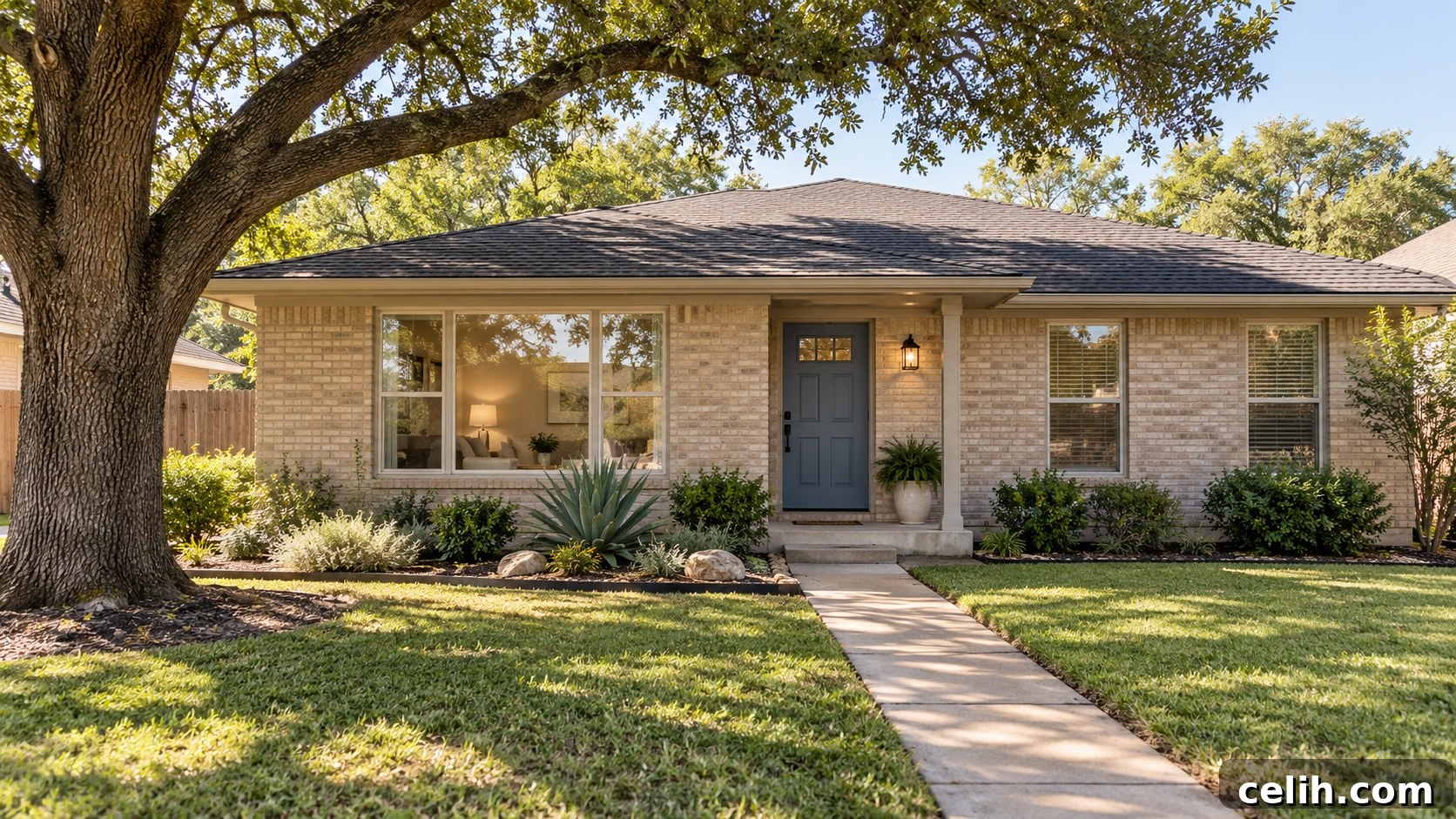
StrykCam divides the issue into two clear layers. The first is visual: closed-off floor plans, popcorn ceilings, wood paneling and dated wallpaper make a house look old at a glance. Buyers often assume repairs will be expensive just from those visual cues.
The second layer involves mechanical systems and safety items that show up during inspections. Inspectors commonly flag outdated fuse boxes, ungrounded two-prong outlets and insufficient circuits. Original plumbing, older HVAC systems and single-pane windows also raise concerns—especially in Texas, where cooling performance and energy costs matter to buyers. Thin attic insulation and drafty windows are red flags that suggest higher future bills.
A buyer standing in a dark, cramped kitchen will picture a full remodel. A buyer reading an inspection report will imagine a contractor’s invoice. Sellers should also be aware of permit risks: larger renovations that open walls can expose wiring or plumbing that must be brought up to current codes, adding time and cost to a project.
Which Updates Do Buyers Actually Reward?
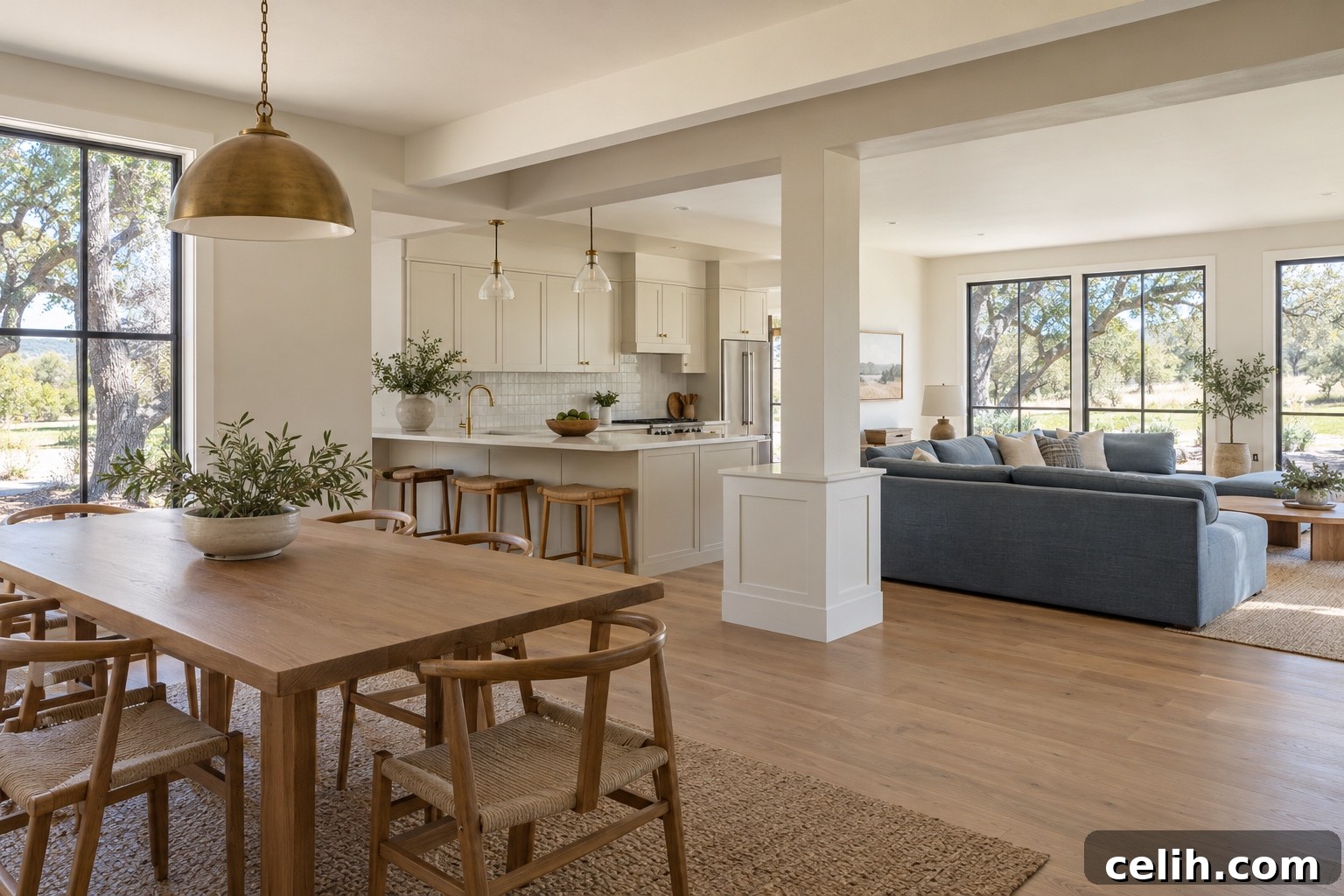
National data and agent surveys show that modest, visible updates deliver the best returns for sellers. The remodeling and real estate industries consistently rank certain improvements as top priorities for preparing a home to sell:
- Repaint the entire interior. Agents frequently recommend a full repaint to create a neutral, cohesive look that helps buyers imagine their own furniture in the space.
- At minimum, repaint the worst room. If a full repaint isn’t feasible, refreshing the most outdated or heavily used room can still make a strong difference.
- Address obvious roof issues. A sound roof reassures buyers and lenders; many Realtors put roofing near the top of repair priorities.
- Upgrade kitchens selectively. Kitchens draw attention—small, strategic improvements often deliver more value than a total gut remodel.
- Consider a new front door. Low-cost curb-appeal changes such as a durable steel front door often pay for themselves by boosting first impressions.
Americans spent hundreds of billions on remodeling in recent years, largely to update worn finishes and surfaces. The practical takeaway for sellers: neutral paint, tidy entryways and attention to visible wear cost far less than full-scale renovations and often attract more buyer interest.
How Is the Texas Market Changing the Math?
Texas’s housing market offers more choice than in recent years. Median prices and time on market have shown signs of stabilization, and inventory levels indicate a more balanced market in many areas. When buyers can choose among multiple listings, homes with newer finishes and open layouts often get attention first.
That means sellers must weigh the cost and delay of renovations against the risk of a dated house competing with fresher listings. Every additional week on the market adds carrying costs—mortgage payments, insurance, utilities and maintenance—that should factor into any remodeling decision. A makeover that delays listing can reduce or erase the financial benefit of the improvements.
Renovate or Sell As-Is: How Do the Options Compare?
| Situation | Light refresh, then list | Full remodel, then list | Sell as-is for cash |
| Cosmetic wear only (paint, fixtures, flooring) | Often the best balance of cost vs. return | Usually costs more than buyers will repay | Possible, but likely lower net proceeds |
| Dated layout plus aging systems | Does little to change inspector findings | Long timeline; permits and code upgrades possible | Removes repair and showing hassles; faster close |
| Major defects or deferred repairs | Rarely enough for financed buyers | Costs may exceed added value | Often the simplest, quickest exit |
| Tight deadline (move, estate, divorce) | Workable if only minor fixes are needed | Usually too slow and risky | Built for speed and certainty |
A light refresh typically fits sellers whose homes are structurally sound but show wear. Full remodels only pay when sellers have time, cash and a clear understanding of local resale values. Layout changes—like opening walls to create an open floor plan—can be transformative but are expensive and disruptive, so many sellers leave that work to the next owner. Selling as-is for cash trades some potential price for a faster, more certain sale and avoids lender-driven repair demands.
What to Fix, What to Leave
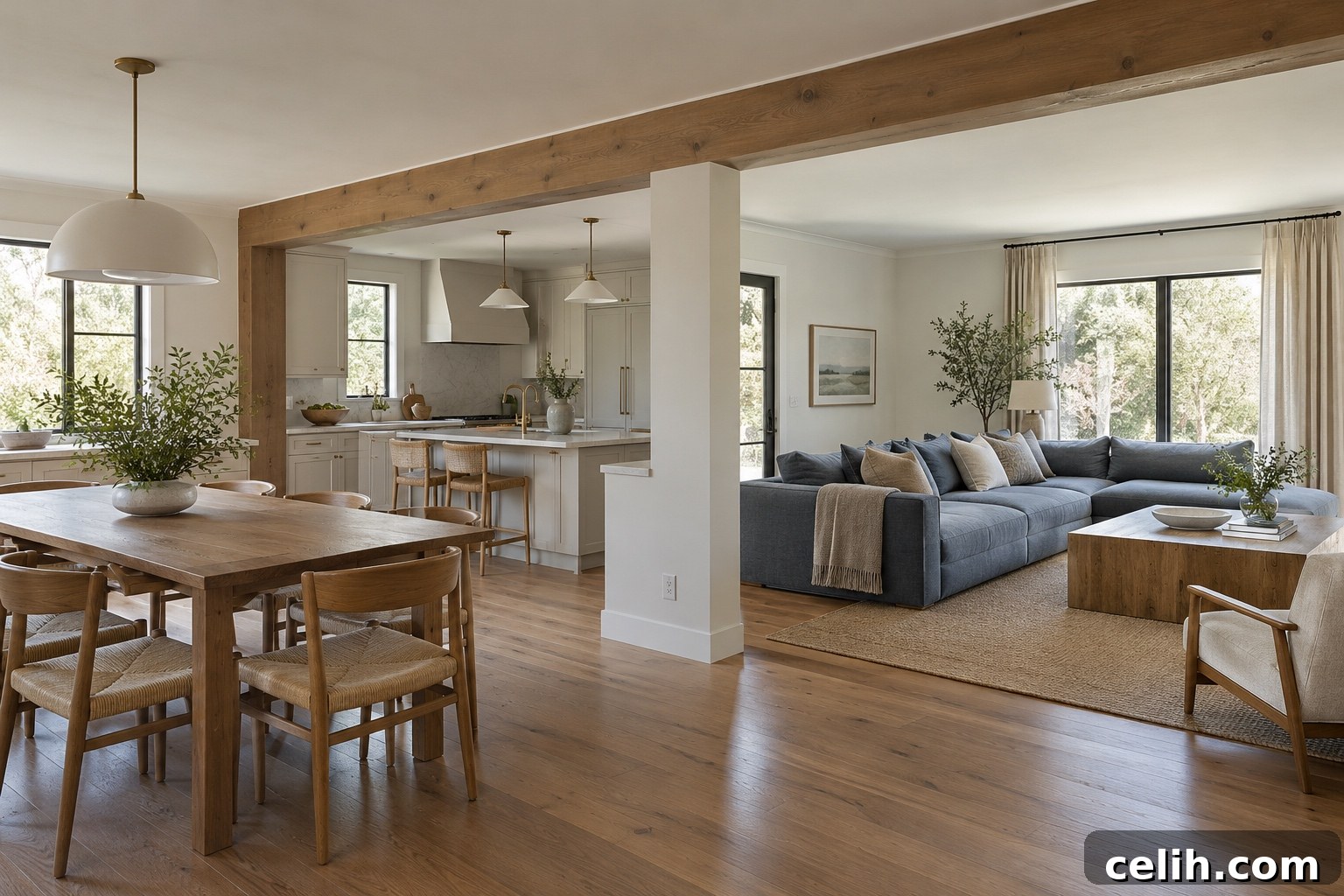
- Fix: peeling or extreme paint colors, broken fixtures, missing trim and any obvious leaks.
- Fix if affordable: a worn roof, since both agents and buyers often prioritize roofing issues.
- Leave to the buyer: full kitchen gut jobs, major layout changes and removal of load-bearing walls that require structural work.
- Get quotes first: electrical panels, plumbing and HVAC—these items drive inspection outcomes and can affect financing.
- Think about comfort: better windows and doors improve comfort and perceived value in Texas heat.
Designing for the Sale, Not Your Own Taste
Preparing a home to sell is a different design brief than personalizing it for long-term living. The objective is a neutral, calm backdrop that lets buyers imagine their own lives in the space. When a home needs more than surface updates, run the numbers: compare renovation costs, carrying costs while the house is being worked on, and the likely sale price after improvements. If the financial advantage is small or time is short, selling as-is can be the more sensible choice.
Frequently Asked Questions
What Design Features Make a Texas House Look Dated?
Closed-off floor plans, popcorn ceilings, wood paneling and wallpaper are easy visual giveaways. Buyers also pay attention to older windows and thin attic insulation because those features affect comfort and energy costs in hot Texas summers.
Is Painting Worth Doing Before a Sale?
Yes for most sellers. Repainting creates a neutral, fresh impression and is one of the most cost-effective ways to improve buyer interest. Even painting one problem room is often recommended when a full repaint isn’t possible.
Should I Remodel the Kitchen Before Listing?
Kitchen upgrades attract buyer interest, but a full remodel is expensive and time-consuming. Many sellers get better returns by decluttering, deep cleaning, updating finishes and making targeted repairs, then pricing the home competitively.
When Does Selling a House As-Is Make Sense?
Selling as-is is sensible when repair costs exceed the likely increase in sale price, when major defects exist, or when the seller faces a tight deadline. Cash buyers accept properties without lender-driven repairs or extended negotiations, though the offer typically reflects the work required.