
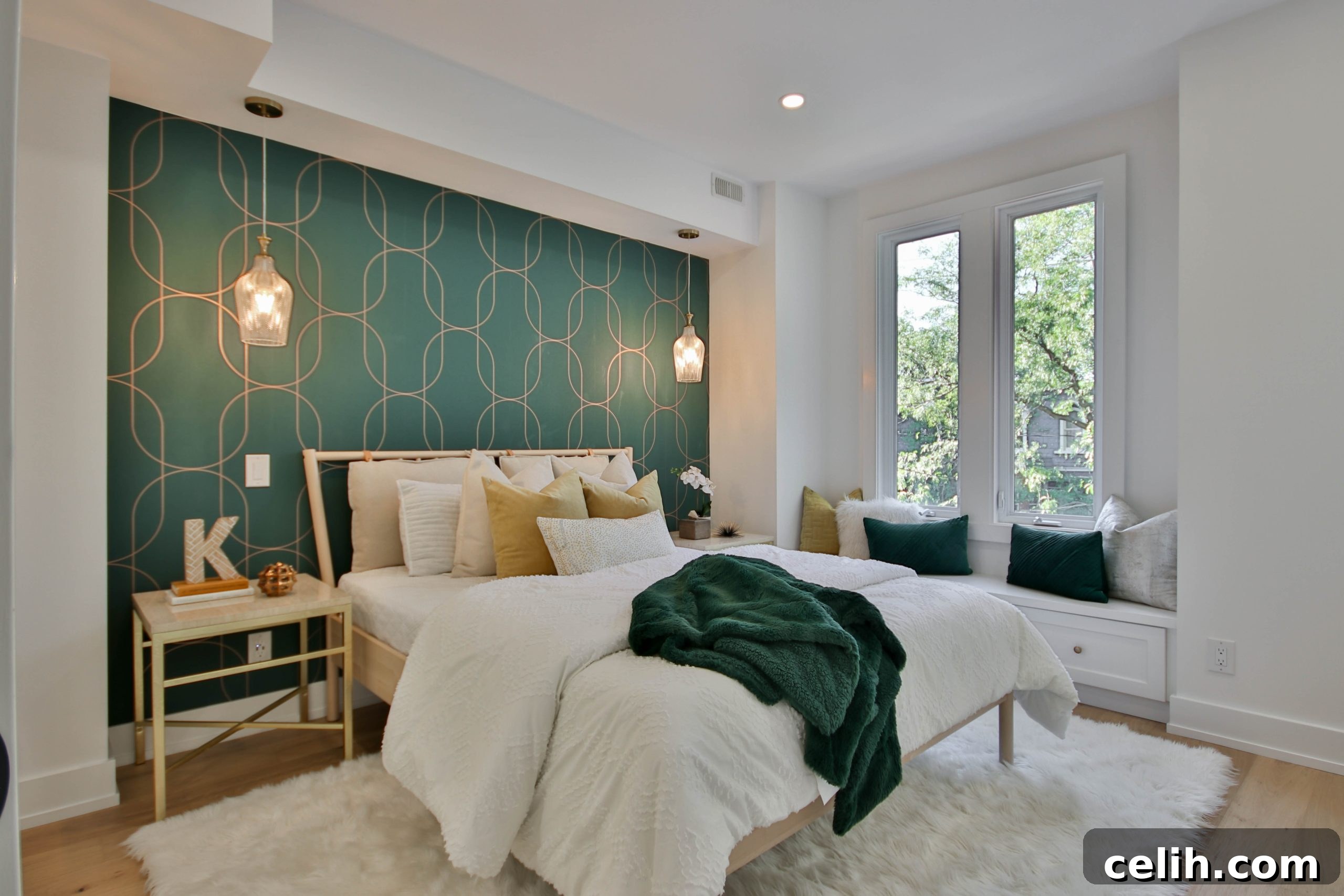
Are you dreaming of a luxurious sanctuary you can call home? Crafting an interior that exudes elegance and comfort might seem like a daunting task, but with the right strategic approach, it’s an achievable goal for any homeowner. This comprehensive guide will equip you with expert tips and actionable advice to transform your living spaces into breathtaking luxury environments that impress family, friends, and guests alike.
From discerning your unique style to the meticulous selection of furnishings and the artful layering of textures, every element plays a pivotal role in creating a cohesive and opulent aesthetic. While the journey to a lavish interior can feel overwhelming, breaking it down into manageable steps ensures a rewarding process, culminating in a beautiful and distinctive space that genuinely reflects your taste and personality.
Define Your Signature Style
Before diving into the exciting world of color palettes, furniture selections, and decorative accents, the foundational step to any successful luxury interior design project is to unequivocally identify your personal style. This crucial self-exploration ensures that the resulting aesthetic is not only visually stunning but also deeply resonant with your comfort and aspirations, truly making your house a home.
To embark on this journey of self-discovery, begin by asking yourself insightful questions that delve into your inherent preferences and sensibilities:
- Which color schemes evoke feelings of tranquility, energy, or sophistication in me?
- What textures—be it plush velvet, crisp linen, smooth marble, or rustic wood—offer the most sensory pleasure and comfort?
- Do I gravitate towards the clean lines and minimalist aesthetic of modern design, or am I drawn to the rich details and classic elegance of traditional styles?
- Are there any cherished collections, artworks, or sentimental items that I wish to prominently display, and how can they be integrated into a luxury setting?
- How much physical space is available, and how does this influence my choices for furniture scale and decorative elements?
- What specific patterns, geometric shapes, and textural combinations inspire me and could be harmoniously incorporated into my home’s design narrative?
If pinpointing your decor preferences proves challenging, harnessing the power of digital inspiration is an excellent strategy. Platforms like Pinterest, Houzz, and Instagram are invaluable resources. Dedicate time to curate mood boards, pinning images of rooms, furniture, and details that capture your attention. Look for recurring themes, common color schemes, and consistent design elements across your selections. This visual compilation will reveal patterns in your taste, helping you articulate the luxury style that speaks to you.
For those who prefer a tactile experience, a visit to local home decor showrooms and high-end furniture stores can be immensely beneficial. Physically interacting with various furniture styles, fabrics, and accessories provides a clearer understanding of what feels right for your space. Observe how different materials react to light, how colors interplay in person, and the overall ambiance created by various design ensembles.
Ultimately, if uncertainty persists about how to translate your vision into a luxurious reality, engaging a professional interior designer is a highly recommended investment. Their expertise, industry knowledge, and keen eye can streamline the entire process, ensuring a cohesive, sophisticated, and functional luxury home interior that you will cherish for decades.
Harness the Power of Color & Pattern
With your distinct style firmly established, the next exciting phase involves translating that vision into a vibrant reality through the thoughtful application of color and pattern. Begin by selecting a dominant color palette – perhaps one to three primary hues – that will anchor the aesthetic throughout your space. This foundational choice sets the mood and serves as a unifying element for your luxury design.
From this base, introduce contrasting colors and carefully chosen patterned elements to infuse depth, visual interest, and a rich textural dimension into your home. The key here is harmony; ensure that your selected colors complement rather than clash, fostering a sense of flow and sophistication. Consider the psychological impact of colors: blues for tranquility, greens for nature and balance, warm neutrals for inviting elegance, and deep jewel tones for dramatic luxury.
Don’t shy away from boldness when it comes to colors and patterns, as these can be hallmarks of a truly bespoke luxury interior. A dramatic wallpaper accent wall in a rich botanical print or a geometrically striking fabric for custom draperies can instantly elevate a room from ordinary to extraordinary. Experiment with scale – a large-scale pattern can be impactful on a feature wall, while smaller, intricate patterns can be used for cushions or decorative items. The strategic use of pattern prevents monotony and adds a layer of complexity that is characteristic of high-end design.
Invest in Enduring Quality Furniture
In the realm of luxury home interiors, the adage “buy less, choose well” rings particularly true when it comes to furniture. Investing in high-quality pieces of furniture is not merely an expense but a foundational investment in the longevity, comfort, and aesthetic integrity of your space. While the initial cost of premium furniture may be higher than mass-produced alternatives, its superior craftsmanship, durability, and timeless design ensure it withstands the test of time, both physically and stylistically.
When selecting furniture, prioritize pieces made from exceptional materials such as solid hardwoods (oak, walnut, mahogany), genuine leather, high-density foam, and upholstery fabrics known for their resilience and luxurious feel, like velvet, silk, or premium linen. These materials contribute not only to the furniture’s lifespan but also to its tactile and visual richness, an essential characteristic of luxury.
For those working within a defined budget, a strategic approach is to focus on acquiring a few key, impactful pieces that serve as the anchor of each room. Think of a meticulously crafted sofa, an elegant dining table, or a statement armchair. These “timeless” pieces, characterized by classic lines and enduring appeal, are less likely to fall victim to fleeting trends, ensuring your investment remains stylish for years to come. Over time, you can gradually build upon these core elements with additional quality furnishings. Consider bespoke or custom-made furniture options to achieve truly unique pieces that perfectly fit your space and vision, further enhancing the sense of luxury and exclusivity.
Anchor Your Design with a Statement Piece
As you transition to adorning your space with decorative elements, the journey to a luxury interior often begins with selecting a compelling statement piece. Rather than cluttering a room with numerous small items, choose one magnificent focal point that commands attention and sets the tone for the entire space. This singular, grand element not only injects immediate sophistication but also prevents the room from feeling busy or disjointed, maintaining an airy, curated feel.
A statement piece can take many forms: a monumental piece of abstract art, an elaborately carved antique cabinet, a strikingly contemporary chandelier, a custom-designed rug, or a sculptural fireplace mantel. The key is its ability to draw the eye and serve as the central visual anchor. Once this dominant piece is in place, you can then thoughtfully layer in smaller, complementary items that enhance and accentuate its presence. These might include elegant accent furniture, carefully selected decorative objects, or subtle artworks that echo the colors, textures, or forms of your focal point. This methodical approach guides the viewer’s eye around the room, creating a harmonious and aesthetically rich experience.
Embrace the Richness of Texture
Incorporating a variety of textures is paramount in crafting a luxury home interior that feels inviting, multi-dimensional, and sophisticated. Texture adds depth and sensory appeal, moving beyond mere visual aesthetics to create an immersive experience. Consider the interplay of different materials through elements such as plush rugs, flowing curtains, soft throws, and an assortment of decorative pillows. These components offer an effortless way to introduce tactile interest and visual warmth.
Rugs, in particular, are transformative. Available in an extensive range of materials (wool, silk, jute, synthetic blends), textures (shaggy, flat-weave, carved), sizes, and colors, they offer boundless design possibilities. Beyond their aesthetic contribution, a high-quality rug provides acoustic insulation, enhancing the room’s serenity, and adds durability to high-traffic areas. More importantly, a well-chosen rug can literally tie all the disparate elements of a room together, grounding the furniture and defining zones within an open-plan layout. Extend this textural exploration to other elements: a velvet sofa, silk throw pillows, a marble coffee table, wooden wall panels, or even metallic accents can all contribute to a richly layered and luxurious environment.
Illuminate with Intent: The Art of Lighting
Lighting is far more than just illumination; it is a critical element in sculpting the mood, highlighting architectural features, and creating an overall luxurious ambiance within your home. While optimizing natural light sources through expansive windows or strategically placed mirrors is always ideal, a sophisticated luxury interior design employs a layered lighting strategy to achieve perfection.
Successful lighting design typically involves three distinct types: ambient, task, and accent lighting. Ambient lighting provides overall illumination for the room, often achieved with recessed lights, ceiling fixtures, or large chandeliers that serve as both light sources and stunning decorative pieces. Task lighting, on the other hand, is directed at specific areas for activities like reading or cooking, utilizing elegant floor lamps, table lamps, or under-cabinet lighting. Finally, accent lighting focuses on drawing attention to specific features, such as artwork, a textured wall, or a collection of decorative objects, often achieved with wall sconces, picture lights, or strategically placed spotlights.
Beyond functionality, the fixtures themselves can be powerful design statements. Consider incorporating chandeliers that serve as dazzling centerpieces, sleek wall sconces that add architectural interest, or sculptural floor lamps that blend art and utility. The ability to control light intensity with dimmer switches is also crucial, allowing you to effortlessly transition the mood from bright and invigorating to soft and intimate. The right lighting design will not only elevate the aesthetic of your space but also create an unforgettable atmosphere.
Do Luxury Home Interiors Actually Increase Home Value?
The question of whether luxury home interiors directly increase home value is nuanced; while they certainly enhance desirability, it’s not an automatic guarantee of a higher appraisal. A home’s market value is influenced by a complex array of factors, including its geographical location, overall size, structural condition, and the presence of various amenities. However, luxury interior upgrades, such as premium finishes, advanced smart home technology, bespoke cabinetry, and high-end appliances, undoubtedly make a property more appealing to discerning buyers.
Hilton Head luxury real estate agent Dino DiNenna astutely points out, “The extent to which luxury interiors impact home value may depend on the local real estate market and the preferences of potential buyers.” In competitive or upscale markets, luxury features can be significant differentiators, attracting buyers willing to pay a premium for move-in ready elegance. Conversely, in less affluent markets, overly extravagant upgrades might not yield a comparable return on investment (ROI).
It is crucial for homeowners to meticulously weigh the cost of luxury upgrades against the potential increase in home value before embarking on expensive interior enhancements. Consulting with a local real estate expert can provide invaluable insights into which luxury features are most valued in your specific market and which offer the best potential for a positive ROI, ensuring your investment is both beautiful and financially sound.
Once the major design elements are harmoniously in place, it’s time to perfect your luxury interior with thoughtful, small details that add personality and polish. Consider incorporating natural elements like a vase of fresh, vibrant flowers or carefully curated potted plants to inject life and brightness into the space. For an extra layer of comfort and warmth, drape ultra-cozy throw blankets over sofas or armchairs, inviting relaxation and adding textural appeal. Other exquisite options include a selection of scented candles in elegant holders, artfully arranged coffee table books, sculptural objects, or decorative trays. These smaller, interchangeable elements provide flexibility, allowing you to easily refresh your decor with the changing seasons or as your personal style evolves.
Approaching interior decorating with a structured, step-by-step methodology can alleviate much of the potential overwhelm. By first gaining a clear understanding of your personal style and then systematically working through each design layer – from color and furniture to lighting and finishing touches – you can make informed decisions without feeling rushed or fragmented. Remember, creating a luxury home interior is a highly personal and enjoyable journey; it’s a space designed FOR YOU, so embrace the process and allow your creativity to flourish.