
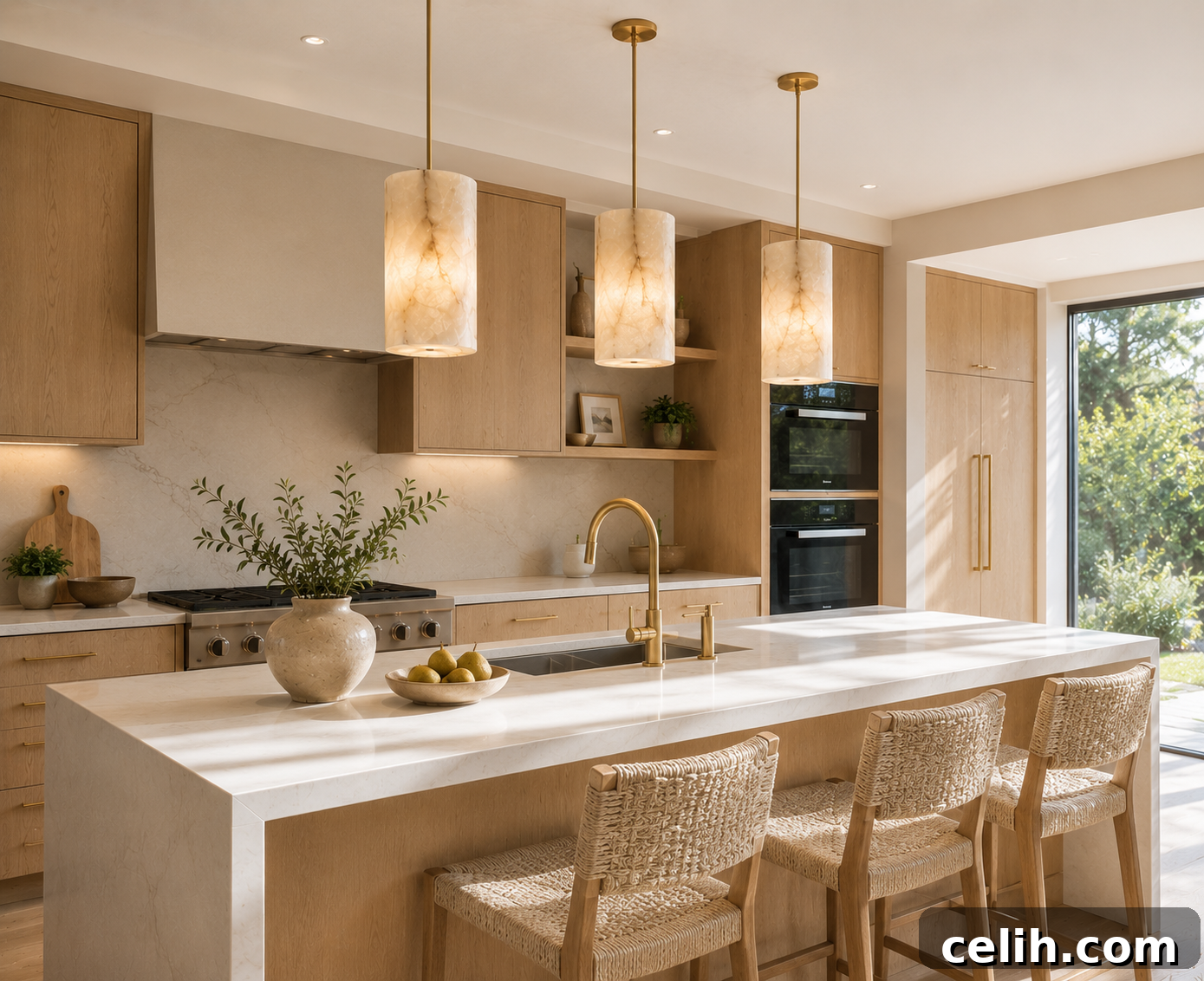
There are materials in interior design that outlast fleeting trends. They appear in ancient palaces and modern penthouses because their qualities feel timeless. Alabaster is one such material. Soft, luminous, and richly veined, alabaster offers a warm, natural glow that few synthetic materials can match. For thousands of years designers, architects, and artisans have prized alabaster for its tactile beauty and light-transforming properties. Today, alabaster lighting is increasingly popular among homeowners and designers who value both tradition and contemporary refinement, and the alabaster lighting category has become one of the most talked-about segments in the lighting market.
Knowing what alabaster is, how it behaves with light, and how it integrates into modern interiors clarifies why interest in this material is so persistent. Its visual appeal is not a passing fad but a combination of physical properties and aesthetic versatility that suit many styles and spaces.
What Alabaster Actually Is
Alabaster is a naturally occurring stone, most commonly a fine-grained form of gypsum; a calcite-based variety is also used decoratively. Craftspeople have quarried and shaped alabaster for millennia — from Egyptian vessels to Renaissance reliefs and Middle Eastern architectural details. What distinguishes alabaster from harder stones like marble or granite is its translucency. Alabaster allows light to pass through it rather than merely reflecting it, so when illuminated it appears to glow from within, producing a soft, diffused warmth that feels unique and intimate.
The stone’s natural veining and color range — from creamy white to warm honey, soft gray, and sometimes deeper caramel tones — ensures that every piece is unique. This inherent variation gives alabaster fixtures a sense of individuality; no two pieces are identical, and that uniqueness contributes to the material’s perceived value and charm.
Why Alabaster Works So Beautifully as a Lighting Material
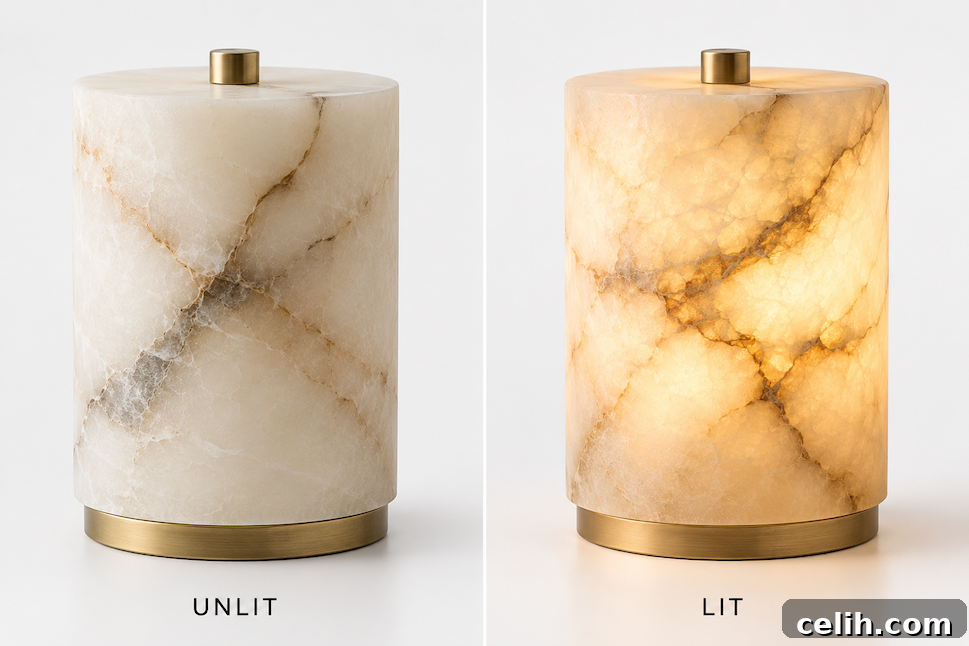
The way alabaster interacts with light explains its appeal in lighting design. Light traveling through the stone is scattered by its fine crystalline structure, producing a warm, softened glow rather than a harsh beam. This diffusion creates illumination that is both substantial and gentle — present enough to define a space but soft enough to avoid glare.
Alabaster acts as an elegant natural diffuser, addressing a core challenge in interior lighting: how to provide effective light without the starkness of exposed bulbs or highly reflective surfaces. The result is an ambient quality that enhances a room’s materials and skin tones, delivering a comfortable, flattering light often compared to a refined, architectural version of candlelight.
The Place of the Alabaster Lighting Collection in Contemporary Design
A renewed interest in natural materials has created fertile ground for alabaster’s rise in popularity. Designers are moving away from cold minimalism toward warmer, more textured interiors, and alabaster captures that shift with its organic translucency and tactile presence. Alabaster lighting collections typically include pendants, chandeliers, wall sconces, table lamps, and ceiling fixtures, all unified by the stone’s characteristic warmth and glow.
A thoughtfully curated collection emphasizes coherent design language: shared proportions, complementary hardware finishes, and consistent material treatments. This coherence lets different fixtures work together across rooms, creating visual continuity that elevates the overall interior rather than feeling like a random assortment of pieces.
Historical Roots, Contemporary Expression
Alabaster carries a deep historical lineage while remaining wholly adaptable to modern design. Its ancient origins give it gravitas, yet when pared-down forms and contemporary fittings are applied, alabaster reads as modern and fresh. That versatility is rare: the same material can feel at home in a minimalist Scandinavian space or in a richly detailed traditional interior. Alabaster’s neutrality and warmth make it a bridge between eras and styles.
Incorporating Alabaster Lighting Into Different Interior Environments
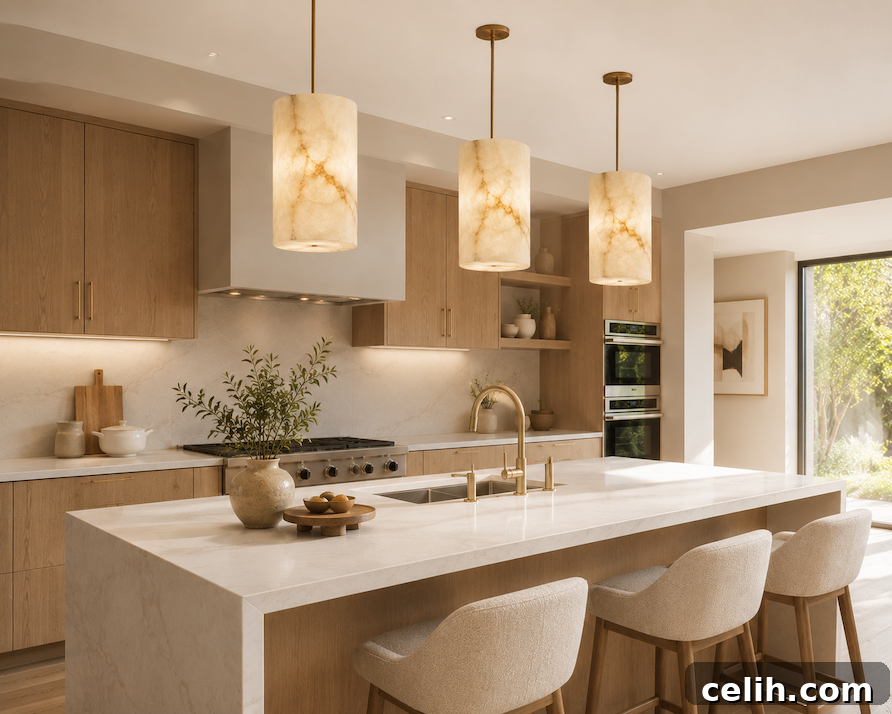
Effective use of alabaster lighting depends on understanding how its soft glow complements other materials and functions within a room.
In living rooms, alabaster pendants or chandeliers above a seating area become warm focal points that invite conversation. Their diffused light pairs beautifully with natural textiles, warm woods, and layered textures, creating a lived-in, welcoming atmosphere.
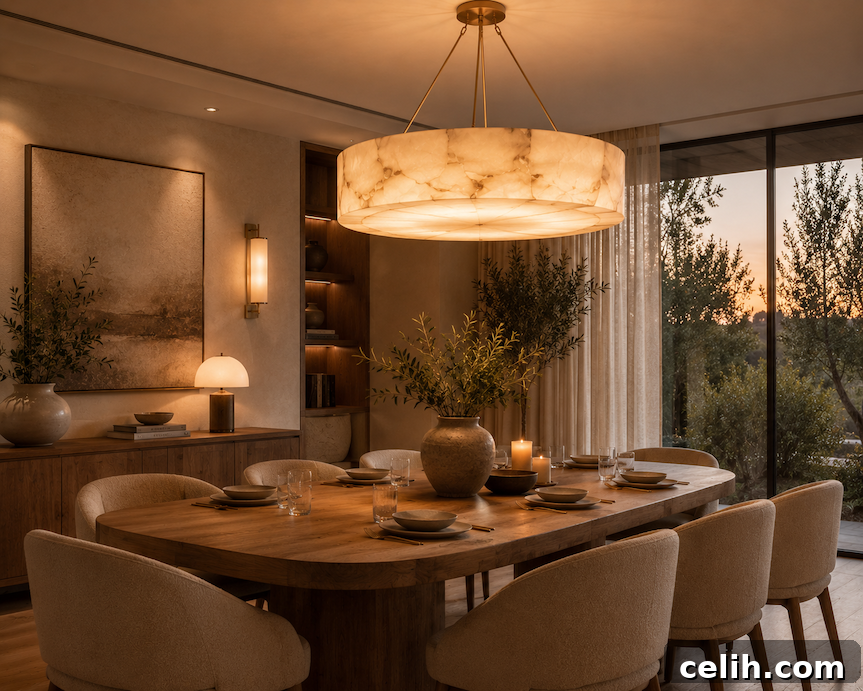
In dining rooms, alabaster fixtures over the table produce flattering light for people and food alike, making meals feel intimate and more atmospheric than harsher overhead sources. The gentle, even illumination improves comfort and enhances the dining experience.
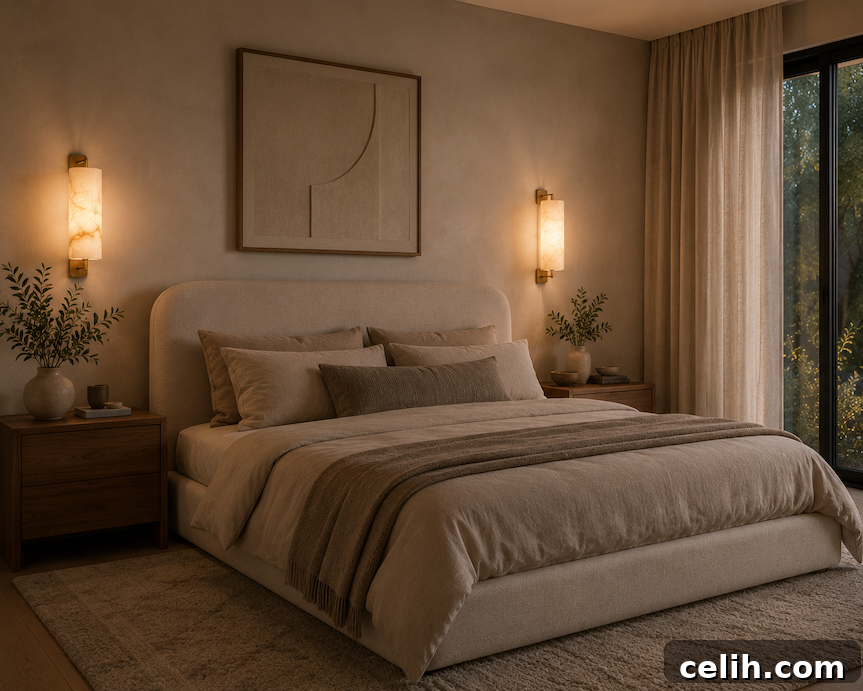
In bedrooms, alabaster works particularly well because of its calming, non-intrusive glow. Alabaster wall sconces beside a bed or bedside lamps with alabaster shades provide a relaxing light that supports evening routines and contributes to better sleep hygiene by avoiding overly bright, blue-leaning illumination.
In entryways and hallways, a statement alabaster pendant or flush mount announces a thoughtful design sensibility right at the threshold, signaling a home that values quality materials and considered details.
Caring for Alabaster Fixtures
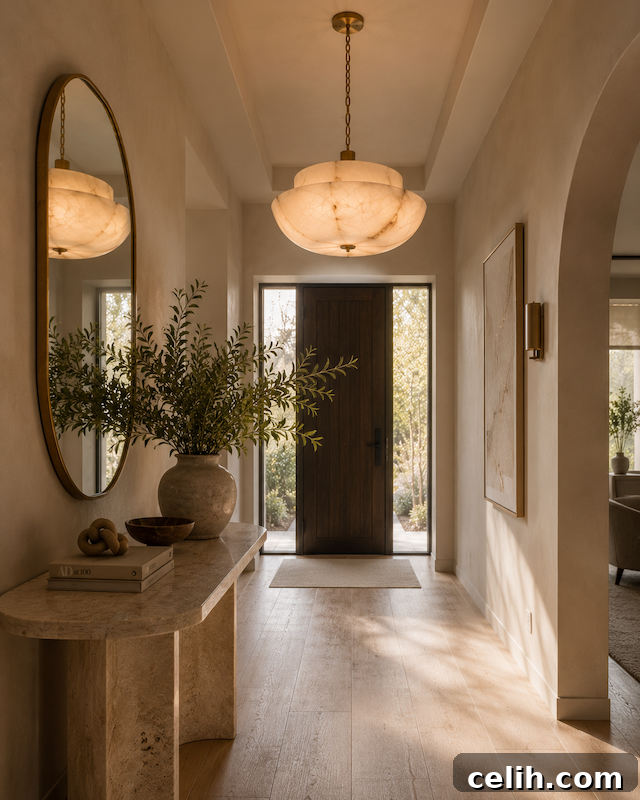
Alabaster is durable but requires gentle care. Because it is slightly porous, avoid harsh or acidic cleaners and keep excessive moisture away. Regular dusting with a soft, dry cloth is usually sufficient. For deeper cleaning, use a barely damp cloth and dry the surface promptly. For this reason, alabaster fixtures are best suited to living areas, bedrooms, and dining rooms rather than rooms exposed to heavy steam or constant humidity.
Metal hardware—brass, bronze, nickel, or iron—should be cleaned with products appropriate to each finish and kept clear of the stone to prevent staining or damage. With simple, careful maintenance, alabaster fixtures retain their beauty for decades.
An Investment in Enduring Beauty
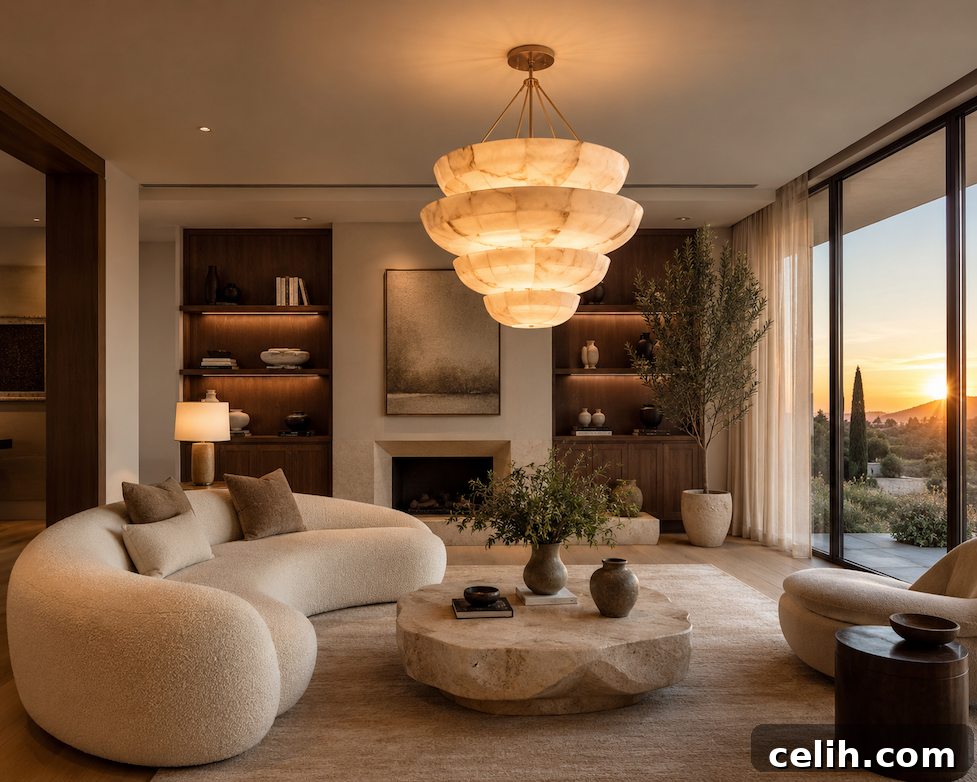
Unlike trend-driven decor that quickly feels dated, an alabaster lighting collection is a lasting investment. Its connection to natural history, its unique light-diffusing properties, and its adaptability across styles make alabaster a material that grows more appreciated over time. Bringing alabaster into your home introduces more than illumination: it introduces atmosphere, warmth, and a quiet reminder that the most enduring beauty often comes from natural materials.