
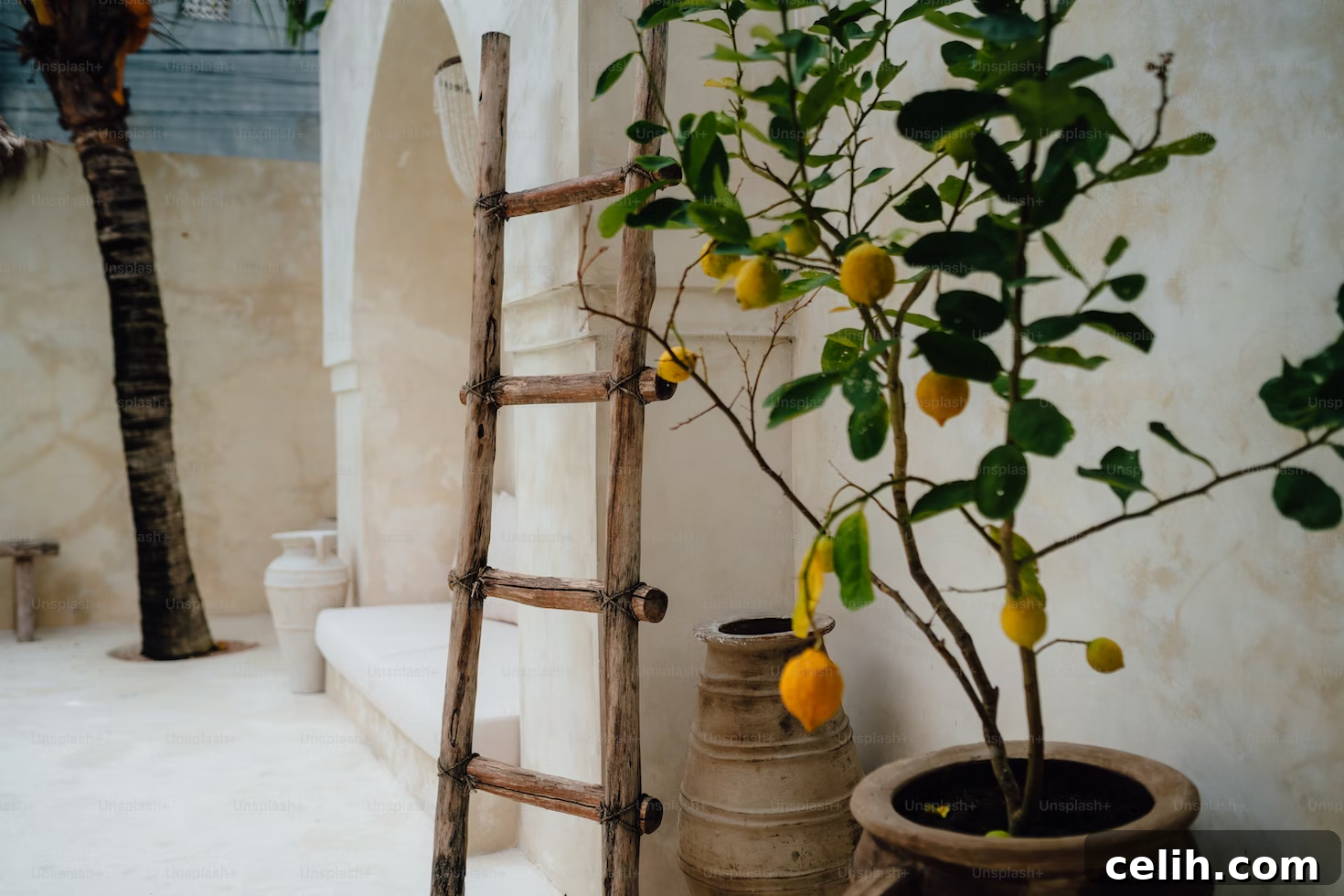
Imagine stepping into your backyard, a verdant sanctuary where every rustle of leaves whispers tales of growth and every blossom promises sweet rewards. Picture yourself reaching up to pluck a ripe, succulent fruit, still warm from the sun, directly from a tree you nurtured with your own hands. This isn’t just a fantasy; it’s a deeply satisfying and delicious reality that embodies the natural world’s generosity and the fulfilling results of dedicated gardening.
Beyond the undeniable pleasure of fresh, organic produce, cultivating fruit trees offers a myriad of benefits. You’re not merely investing in nourishing food; you’re actively enhancing your outdoor living space with unparalleled beauty, vibrant life, and a charming connection to nature. A backyard orchard transforms a simple yard into a productive, serene, and aesthetically pleasing haven, offering seasonal interest from spring blossoms to autumn harvests.
And here’s the best part: a lack of extensive gardening experience should never deter you from embarking on this rewarding journey. Many fruit trees are surprisingly resilient and forgiving, making them ideal candidates for even the most novice gardeners. We’ve meticulously selected five of the easiest-to-grow fruit trees that are perfectly suited for backyard cultivation, designed to bring the joy of homegrown fruit within reach for everyone. With a little guidance and enthusiasm, your dream of a bountiful backyard harvest can quickly become a reality.
Top 5 Fruit Trees to Elevate Your Landscape and Palate
Embarking on the journey of growing your own fruit can be incredibly rewarding. Here are five popular, relatively easy-to-grow fruit trees that can thrive in many backyard settings – and several are even perfect for container gardening, making them suitable for smaller spaces, patios, or balconies.
1. Chicago Hardy Fig Tree: A Cold-Climate Champion
For gardeners in regions with cooler winters, the Chicago Hardy Fig Tree is an absolute marvel. Renowned for its exceptional cold hardiness (withstanding temperatures down to 10°F or even lower with proper mulching), this self-pollinating variety produces an abundance of sweet, dark purple figs. These delectable fruits are perfect for fresh eating, transforming into gourmet preserves, drying for winter snacks, or adding a unique flavor to various culinary dishes.
To ensure a prolific harvest, plant your Chicago Hardy Fig Tree in a sunny spot that receives at least 6-8 hours of direct sunlight daily. It thrives in well-drained soil rich in organic matter. While adaptable, consistent moisture, especially during dry spells and fruit development, will lead to plumper, juicier figs. With its striking foliage and reliable fruit production, this fig tree is a fantastic addition to any garden, offering both beauty and a delicious harvest in a remarkably short time.
2. Apple Tree: The Quintessential Home Orchard Staple
Is there any fruit more universally loved, or a gardening achievement more satisfying, than biting into a crisp, juicy apple you’ve grown yourself? Apple trees are a cornerstone of the home orchard, offering an incredible diversity of flavors, textures, and colors. From tart Granny Smiths ideal for baking to sweet Honeycrisps perfect for snacking, you’re sure to discover the ideal variety to match your palate and specific climate conditions.
One of the key secrets to a successful and abundant apple harvest lies in understanding cross-pollination. Many apple varieties require pollen from a different, compatible apple tree to produce fruit. Planting at least two distinct varieties ensures this natural process occurs, significantly boosting the health, vigor, and overall yield of your trees. However, if space is a concern, fear not! Dwarf and semi-dwarf apple trees are specifically bred for smaller yards, patios, or even balconies. These compact wonders occupy significantly less space, remain easier to manage and harvest, and are perfect for novice gardeners or busy urbanites eager to cultivate their own fresh produce.
3. Nectarine Tree: Smooth-Skinned Sweetness
Nectarine trees, close relatives of peaches, enchant gardeners with their smooth-skinned, incredibly juicy, and intensely flavorful fruit. These delightful trees flourish in warmer climates, typically thriving in USDA Hardiness Zones 6-9, where they receive ample sunshine and consistent warmth. They prefer fertile, well-draining soil and demand full sun exposure for optimal fruit development – at least 6-8 hours daily. Nectarine trees are known for their sweet, aromatic blossoms in spring, followed by a bountiful summer harvest.
While nectarine trees require a bit of dedicated care, the succulent rewards are undeniably worth the effort. Regular pruning is essential to maintain tree shape, encourage air circulation, and promote fruit production on healthy branches. Additionally, fruit thinning is a critical practice: by removing some of the developing fruits when they are small, you allow the remaining nectarines to grow larger, sweeter, and more flavorful. With proper attention to watering, feeding, and pest management, your nectarine tree will reliably provide an annual bounty of exquisite fruit.
4. Cherry Tree: Spring Beauty, Summer Delights
Cherry trees are a truly delightful and captivating addition to any backyard landscape, offering a stunning spectacle of delicate pink or white blossoms in spring, followed by a bounty of delicious fruit in early to mid-summer. The world of cherry trees is broadly divided into two main types: sweet cherries and tart (or sour) cherries, each with distinct characteristics and culinary uses. Sweet cherries, like Bing or Rainier, are typically enjoyed fresh off the tree, while tart cherries, such as Montmorency, are prized for pies, jams, and juices due to their tangy flavor.
When selecting a cherry tree, understanding its pollination requirements is crucial. Most sweet cherry varieties generally require another compatible variety nearby for cross-pollination to ensure fruit set. In contrast, many tart cherry trees are self-pollinating, meaning a single tree can produce fruit on its own. It’s vital to choose a variety that is well-suited to your specific climate and consider the mature size of the tree, as cherry trees can range significantly in height and spread, often requiring ample space to thrive. With proper care, including protection from birds who also adore the fruit, a cherry tree can become a long-lasting source of beauty and sweetness in your garden.
5. Lemon Tree: A Zesty Mediterranean Touch
Infuse your backyard with the vibrant zest and aromatic charm of the Mediterranean by planting a lemon tree. These evergreen beauties are celebrated for their glossy green foliage, exquisitely fragrant white flowers that bloom intermittently throughout the year, and, of course, their bright, tangy fruit. Lemon trees, especially dwarf varieties, are incredibly versatile, making them perfect for small gardens, courtyards, or even container cultivation. Growing them in pots allows for mobility, which is particularly beneficial in colder climates where they can be brought indoors during frosty periods.
Lemon trees thrive in a sunny location, ideally receiving at least 8 hours of direct sunlight, and require consistently well-drained soil to prevent root rot. While they appreciate regular watering, it’s crucial to allow the top few inches of soil to dry out between waterings. Be especially mindful of frost, as lemon trees are highly sensitive to cold temperatures. In regions prone to freezes, consider protecting outdoor trees with covers or growing them in containers to move indoors. With minimal effort, a lemon tree will reward you with a continuous supply of fresh lemons, perfect for culinary adventures, refreshing beverages, and homemade cleaning solutions.
Essential Tips for Cultivating a Thriving Backyard Orchard
Growing fruit trees is a deeply rewarding endeavor, promising fresh, healthy produce and a profound connection to nature. However, achieving a bountiful harvest requires a foundational understanding of their needs and consistent care. Here are five essential tips to guide you toward successful fruit tree cultivation in your backyard.
Choosing the Right Spot: The Foundation of Success
The adage “right plant, right place” is paramount when it comes to fruit trees. Location is not merely a preference; it is a critical factor influencing the tree’s health, productivity, and longevity. Most fruit trees are sun worshippers, requiring a minimum of six to eight hours of direct sunlight per day to adequately perform photosynthesis, which is crucial for energy production and fruit development. Insufficient sunlight can lead to weak growth, poor fruit quality, and increased susceptibility to diseases.
Beyond sunlight, consider the mature size of the tree. A young sapling will eventually grow into a substantial plant with a wide canopy and an extensive root system. Plant trees far enough away from buildings, fences, or other large trees to prevent overcrowding, competition for resources, and shading. Good air circulation is also vital to reduce the risk of fungal diseases. Observing your yard throughout the day and across seasons will help identify the ideal microclimates and sunny spots for your future orchard.
Proper Soil Preparation: Nourishing the Roots of Growth
Healthy soil is the lifeblood of any thriving plant, especially fruit trees. Before planting, it’s highly recommended to conduct a soil test in your chosen area. This invaluable step provides insights into your soil’s pH level, nutrient content, and composition. Most fruit trees prefer a slightly acidic to neutral soil, generally within a pH range of 6.0 to 7.0, as this range optimizes nutrient availability. Knowing your soil’s characteristics allows you to make informed amendments.
Ameliorating your soil with generous amounts of organic matter, such as well-rotted compost, aged manure, or leaf mold, is one of the best investments you can make. Organic matter improves soil fertility by slowly releasing essential nutrients, enhances drainage in heavy clay soils, increases water retention in sandy soils, and fosters a robust population of beneficial microorganisms. Good drainage is particularly crucial for fruit trees; standing water can lead to root rot, a common killer of young trees. Creating an optimal soil environment from the start sets your trees up for long-term success.
Watering and Fertilizing: Sustaining Life and Yield
Consistent and appropriate watering is absolutely vital for the establishment and continued productivity of fruit trees. During their first year, young trees need regular and thorough watering to help their root systems become established. The goal is to keep the soil consistently moist but never waterlogged. As the trees mature, the watering strategy shifts: deep and less frequent watering encourages roots to grow deeper into the soil, making the trees more resilient to drought and improving nutrient uptake.
Fertilization complements good watering practices. Regularly applying a balanced fertilizer, formulated specifically for fruit trees or general purpose garden use, according to the manufacturer’s recommendations, will provide the necessary macro and micronutrients for healthy growth, robust flowering, and abundant fruit production. Pay attention to your tree’s specific needs and observe its foliage for signs of nutrient deficiencies. Avoid over-fertilizing, which can burn roots, and refrain from fertilizing late in the growing season, as this can stimulate new growth that is vulnerable to early frosts.
Pruning and Training: Shaping for Health and Harvest
Pruning and training are indispensable practices for maintaining the shape, size, and overall health of your fruit trees, directly impacting their productivity. Regular pruning serves multiple purposes: it encourages optimal air circulation through the canopy, reducing the risk of fungal diseases; it promotes stronger branch development capable of bearing heavy fruit loads; and it stimulates fruit production by removing old, unproductive wood and encouraging new fruiting spurs.
The timing of pruning varies depending on the type of fruit tree and your specific climate, typically occurring during dormancy in late winter or after fruiting in summer. Training young trees, often involving stakes, trellises, or other supports, helps guide their growth into a strong, open structure that maximizes light penetration and ease of harvest. Understanding the basics of different pruning cuts and training systems will empower you to sculpt your trees for maximum vigor and yield.
Pest and Disease Control: Vigilance for a Healthy Harvest
A thriving backyard orchard is often the result of vigilant monitoring and proactive management of pests and diseases. Regularly inspecting your fruit trees for any early signs of trouble – such as unusual spots on leaves, wilting branches, or the presence of insects – is crucial. Early detection allows for prompt intervention, preventing minor issues from escalating into significant damage that could compromise your harvest or even the tree’s health.
Employing an integrated pest management (IPM) approach is highly recommended. This strategy prioritizes preventative measures and non-chemical controls whenever possible. This includes maintaining garden sanitation, ensuring proper spacing between trees for good air circulation, choosing disease-resistant varieties, and encouraging beneficial insects that prey on pests. When necessary, use organic or chemical controls responsibly, always adhering strictly to product guidelines to ensure the safety of your fruit, protect the environment, and minimize harm to beneficial pollinators and other wildlife. A healthy tree is more resilient to attacks, making good cultural practices your first line of defense.
Key Takeaways: Your Journey to a Fruitful Backyard
Embarking on the journey of growing fruit trees in your backyard is far more than just a pursuit of delicious, fresh produce. It’s an immersive, fulfilling, and environmentally conscious experience that deepens your connection to the natural world. It’s an opportunity to create a sustainable food source, reduce your carbon footprint, and transform your outdoor space into a vibrant, productive ecosystem.
With a little bit of foundational research, selecting the right fruit tree varieties adapted to your specific climate and available space, diligent soil preparation, and consistent ongoing care, you are well on your way to enjoying a truly fruitful harvest. The satisfaction of plucking a sun-ripened apple or a juicy fig from your own tree is a unique accomplishment that nourishes both body and soul, fostering a profound sense of self-sufficiency and contentment.
Embrace this wonderful opportunity to engage with nature, acquire invaluable gardening skills, and cultivate a haven that not only feeds your family but also enriches your spirit. With dedication, patience, and the practical knowledge shared in this guide, you will witness your backyard transform into a thriving sanctuary, brimming with the sweet rewards of your labor and a continuous celebration of life’s simple pleasures.
So, don your gardening gloves, grab your shovel, and let the exciting journey to a bountiful, beautiful, and utterly fruitful backyard paradise begin today!