
The Essential Guide to Battery Recycling: Why It Matters and How to Do It Right
In our modern, increasingly portable world, batteries power nearly every aspect of our daily lives. From remote controls and children’s toys to smartphones and laptops, these tiny powerhouses are indispensable. However, the convenience they offer often overshadows a critical environmental challenge: what happens to them when they run out of juice? Far too often, used batteries end up in the regular trash, destined for landfills where they pose significant environmental and health risks. While many places accept used batteries for recycling, it’s easy to overlook this crucial step, leading to countless batteries being discarded improperly. This comprehensive guide will delve into the vital importance of battery recycling, clarify how to store them safely, and introduce smart solutions like a dedicated battery recycling box to help you become a more responsible consumer.
Understanding the Environmental Imperative: Why Battery Recycling Can’t Wait
The seemingly innocuous household battery, whether it’s an AA, AAA, or a more robust lithium-ion variant, contains a cocktail of chemicals and heavy metals. When these batteries are thrown into the general waste stream and end up in landfills, their casings can corrode over time, especially under the pressure and moisture of a landfill environment. This corrosion leads to the leakage of hazardous substances into the soil and groundwater. The consequences are far-reaching and severe:
Heavy Metals and Contamination
- Lead: Found in lead-acid batteries (car batteries) but also in some older household types. Lead is a potent neurotoxin that can impair brain development in children and cause kidney damage and reproductive problems in adults.
- Mercury: Once common in button-cell and alkaline batteries, mercury is a neurotoxin that can cause neurological disorders and kidney damage. While its use has been largely phased out, older batteries may still contain it.
- Cadmium: Present in nickel-cadmium (NiCd) rechargeable batteries. Cadmium is a known carcinogen that can accumulate in the kidneys and bones, leading to various health issues.
- Lithium: Increasingly prevalent in rechargeable batteries for electronics. While elemental lithium itself is relatively non-toxic, its compounds can be irritating, and the risk of thermal runaway (fires) in landfills makes proper disposal crucial.
- Other Chemicals: Acids, alkalis, and other corrosive substances can leach out, contaminating soil and water and harming ecosystems.
Resource Conservation and Energy Savings
Beyond preventing pollution, battery recycling is a powerful act of resource conservation. Batteries are rich in valuable materials that can be recovered and reused, reducing the need for new mining operations:
- Cobalt, Nickel, Copper: These metals are essential components of many rechargeable batteries and are in high demand for new battery manufacturing. Recycling them reduces reliance on finite virgin resources.
- Steel and Plastics: The casings of many batteries are made from steel or various plastics, which can also be recycled and repurposed.
Moreover, manufacturing new batteries from recycled materials typically requires significantly less energy than producing them from raw ores. This translates to a smaller carbon footprint and a reduction in greenhouse gas emissions, contributing positively to the fight against climate change. Embracing battery recycling is not just about waste management; it’s about fostering a circular economy where resources are valued and kept in use for as long as possible.
Navigating the World of Battery Types and Their Recycling Needs
Not all batteries are created equal, and their recycling processes can differ. Understanding the types you use can help you store and dispose of them correctly:
Common Household Batteries (Alkaline, Carbon-Zinc)
These are your everyday AA, AAA, C, D, and 9V batteries. While they contain fewer heavy metals than older battery types, they still contain materials like zinc and manganese that are valuable to recover. Many municipal recycling programs and retail stores now accept these, though their economic value for recycling is generally lower than rechargeable types.
Rechargeable Batteries (NiCd, NiMH, Li-ion)
These include batteries found in cordless power tools, laptops, mobile phones, and many portable electronic devices. Lithium-ion (Li-ion) batteries are particularly prevalent today. Rechargeables are often collected separately due to their higher concentration of valuable metals like nickel, cadmium, and cobalt, making their recycling process more economically viable and environmentally beneficial. They also pose a greater fire risk if damaged or improperly stored, especially Li-ion batteries.
Button Cell Batteries
Tiny and often found in watches, hearing aids, and calculators, these batteries historically contained mercury. Modern button cells are less likely to contain mercury but still require specialized recycling due to other metals. It’s crucial not to mix them with other battery types.
Car Batteries (Lead-Acid)
While this article focuses primarily on household batteries, it’s worth noting that lead-acid car batteries are one of the most successfully recycled consumer products, with rates often exceeding 98%. They contain large amounts of lead and sulfuric acid, making proper recycling through auto parts stores or designated facilities absolutely essential.
Safe and Organized Storage: The Crucial First Step to Responsible Recycling
Before you can recycle your used batteries, proper storage is paramount. Incorrect storage can lead to safety hazards, particularly with certain battery types. Imagine a drawer full of loose batteries, some old, some potentially damaged. This scenario can create risks of leaks, short circuits, and even fires, especially with 9V and lithium-ion batteries.
Best Practices for Battery Storage:
- Keep Them Dry and Cool: Store used batteries in a dry, cool place away from direct sunlight, heat sources, and flammable materials.
- Prevent Short Circuits: For 9-volt batteries and any lithium-ion batteries, it’s highly recommended to tape over the terminals with electrical tape or clear packing tape. This prevents the positive and negative terminals from coming into contact with other batteries or metal objects, which can cause a short circuit, generate heat, and potentially lead to a fire.
- Separate by Type (If Possible): While not always strictly necessary for collection, separating different battery chemistries (e.g., alkaline from rechargeable) can be helpful for some recycling facilities.
- Use a Dedicated Container: Avoid throwing used batteries directly into a metal container or mixing them with other metal waste. A plastic or non-conductive container is ideal.
This is where a dedicated storage solution shines. Instead of forgetting about recycling or simply tossing old batteries into a random drawer, a specialized container not only serves as a constant reminder but also provides a safe and organized way to accumulate your spent power cells until they can be properly recycled.
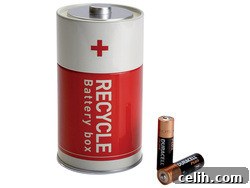
Introducing the Pa Design Used Batteries Box: A Stylish Solution for Eco-Conscious Homes
If you’re keen to incorporate battery recycling seamlessly into your routine, then a handy battery box like the one designed by Monkey Business offers a perfect blend of practicality and style. This thoughtful solution is more than just a container; it’s a statement about your commitment to environmental responsibility.
Crafted from durable steel, this elegant box is built to last and available in a choice of appealing colours to complement any home decor. Its robust construction provides a secure enclosure for used batteries, minimizing the risk of accidental damage or exposure. What truly sets this used battery box apart is its intelligent internal design. Inside, you’ll find two distinct levels, ingeniously crafted to accommodate a variety of battery sizes. This dual-level system ensures that both large D-cell batteries and smaller AAAs can be neatly stored without rolling around or taking up unnecessary space, making organization effortless.
Key Benefits of a Dedicated Battery Storage Box:
- Promotes Recycling Habits: Its visible presence acts as a constant, gentle reminder to collect and recycle your batteries, preventing them from being casually discarded.
- Enhanced Safety: The enclosed steel structure provides an additional layer of safety, containing any potential leaks or minimizing the impact of short circuits (though taping terminals for 9V and Li-ion batteries is still highly recommended for maximum safety).
- Superior Organization: No more cluttered drawers or forgotten batteries. All your used power cells are collected in one tidy, accessible place.
- Aesthetic Appeal: Designed by Monkey Business, this box proves that eco-friendly solutions can also be stylish. It’s an item you won’t want to hide away.
- Convenience: When it’s time to head to a recycling point, all your batteries are already gathered and ready to go.
The used battery box is designed by Monkey Business and is available to buy for approximately £7.40 from Made in Design. Investing in such a simple yet effective tool is a small step that yields significant benefits for both your home and the planet.
Making Recycling Easy: Finding Your Local Collection Points
Once your handy battery box is full, the next crucial step is to locate a suitable recycling point. The availability of battery recycling facilities can vary significantly depending on your location, but resources are increasingly widespread. Many countries and regions have established robust collection schemes to encourage proper disposal.
Where to Look for Battery Recycling:
- Online Postcode Finders: Websites like Recycle Now offer postcode search tools that can pinpoint your nearest battery recycling drop-off points. These are invaluable resources for locating participating stores, civic amenity sites, or specialized recycling centers.
- Supermarkets and Retail Stores: Many large supermarkets, electronics retailers, and hardware stores now offer in-store battery collection bins, especially for common household batteries and rechargeable types. Check with customer service or look for designated collection points near the entrance.
- Local Authority Recycling Centres: Your local council or municipal waste management facility will often have dedicated sections for hazardous waste, which includes batteries. Check their official website for details on opening hours and accepted materials.
- Public Buildings: Some libraries, schools, or community centers may also host battery collection points as part of local environmental initiatives.
- Specialty Retailers: Stores that sell rechargeable batteries, such as mobile phone shops or power tool suppliers, often have take-back programs for used batteries.
A quick online search using terms like “battery recycling near me” or visiting your local government’s waste management website will typically provide you with comprehensive information tailored to your area. Remember, responsible disposal is the final, essential step in the battery life cycle.
Cultivating a Sustainable Habit: Beyond the Battery Box
While a dedicated battery box and knowledge of recycling points are excellent starting points, the ultimate goal is to cultivate a consistent habit of sustainable living. Integrating battery recycling into your daily routine is a small action with a collective, profound impact. Encourage family members to use the battery box, educate friends about the importance of proper disposal, and advocate for more accessible recycling infrastructure in your community.
By consciously choosing to recycle every used battery, you contribute to a cleaner environment, conserve precious natural resources, and reduce the toxic burden on our planet. It’s a simple act of mindfulness that speaks volumes about your commitment to a healthier, more sustainable future for everyone. Let’s make improper battery disposal a thing of the past, one recycled battery at a time.