
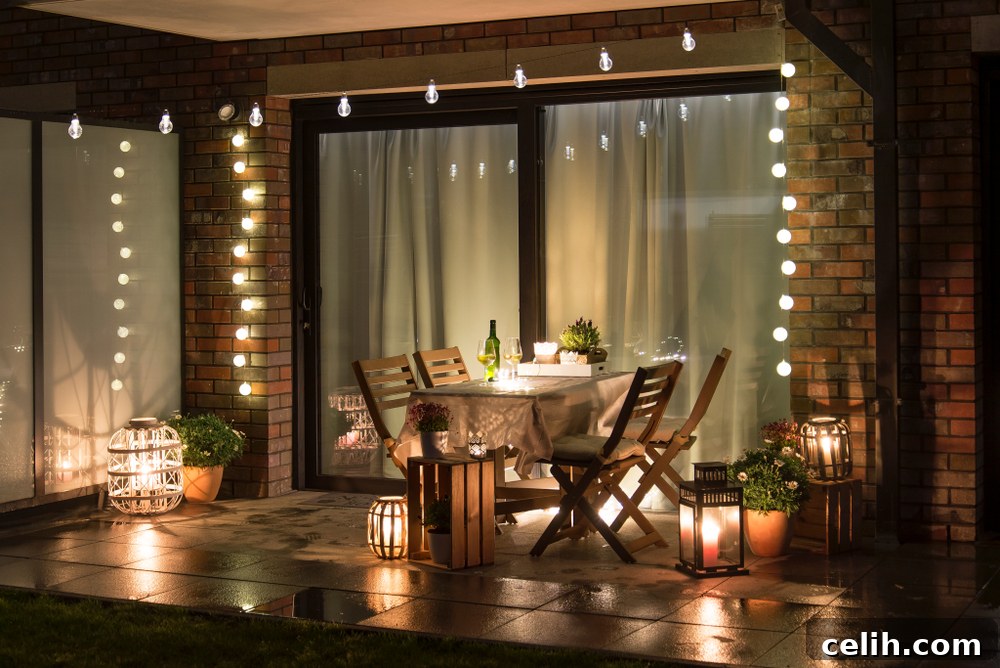
Transforming your outdoor living spaces into an inviting, secure, and visually stunning extension of your home is an aspiration for many homeowners. Landscape lighting stands as one of the most effective tools to achieve this vision, creating breathtaking ambiance, enhancing safety, and significantly boosting your property’s curb appeal and value. However, the path to a beautifully lit landscape is often fraught with common missteps that can turn a dream into a disappointment. Without careful planning and an understanding of key principles, what begins as an exciting project can quickly lead to wasted time, money, and an outdoor space that falls short of its potential.
This comprehensive guide aims to illuminate the most frequent errors people make when embarking on a landscape lighting project. By understanding these ten critical mistakes, you can steer clear of pitfalls, ensuring your investment yields a harmonious, functional, and truly enchanting outdoor environment. From overlooking your home’s unique character to neglecting the longevity of your system, we’ll delve into each crucial aspect, providing actionable insights to help you design and implement an outdoor lighting scheme that not only looks spectacular but also serves your practical needs for years to come.
1. Ignoring Your Home’s Architecture
Your home isn’t just a structure; it’s a statement, a reflection of a particular architectural style that sets the overall tone for your property. When planning your outdoor lighting, it’s paramount to consider this foundational element. Lighting should act as an extension and enhancement of your home’s inherent design, not an afterthought that clashes or detracts from its beauty. A cohesive approach ensures that your landscape lighting integrates seamlessly, elevating the entire aesthetic rather than creating a disjointed appearance.
To achieve this harmony, think about:
- House Style and Era: A sleek, minimalist contemporary home will benefit from fixtures with clean lines, geometric shapes, and cool white LED lighting. Conversely, a traditional Victorian or Craftsman-style house might call for more ornate, classic fixtures, perhaps with warmer light temperatures to evoke a sense of heritage and comfort. Matching the material finishes of your fixtures – such as bronze for rustic homes or brushed steel for modern ones – further ties the look together.
- Color Palette and Materials: The exterior colors of your home and the materials used (stone, brick, siding, wood) should influence your lighting choices. Lighter-colored homes can be softly washed with light, while darker homes might benefit from more focused, dramatic accents. Highlight unique textures like rough-cut stone or intricate brickwork with grazing techniques, where light skims the surface to reveal depth and detail.
- Architectural Details: Identify key features that define your home. Columns, arches, gables, intricate trim work, distinctive window frames, or even a grand entrance can all be transformed into focal points with well-placed accent lighting. Uplighting columns can add grandeur, while downlighting specific features can create intriguing shadows and depth. The goal is to draw attention to these unique elements, enhancing the perceived value and sophistication of your property.
By thoughtfully aligning your landscape lighting with your home’s architectural character, you create a sophisticated, polished, and inviting atmosphere that truly makes your property shine, both day and night. This synergy is key to achieving a truly exceptional outdoor lighting design.
2. Not Hiring a Professional Lighting Designer
Many homeowners underestimate the complexity of effective outdoor lighting design, believing it’s a simple matter of buying a few lights and plugging them in. While DIY options exist, achieving truly transformative and professional-grade landscape lighting is a specialized art and science. Professional landscape lighting designers bring a wealth of knowledge and expertise that goes far beyond basic installation, offering invaluable benefits that safeguard your investment and maximize your outdoor space’s potential.
Engaging with a lighting professional offers distinct advantages:
- Expert Knowledge and Artistic Vision: Lighting designers possess a deep understanding of photometric principles – how light behaves, reflects, and interacts with surfaces. They know how to use light and shadow to create depth, drama, and visual interest, turning ordinary landscapes into extraordinary nightscapes. They can guide you through the intricacies of various lighting techniques, such as uplighting trees, moonlighting pathways, or silhouetting statues, ensuring each element of your yard is showcased beautifully.
- Customized Design and Strategic Planning: Unlike off-the-shelf solutions, a professional will craft a bespoke outdoor lighting plan tailored precisely to your property’s unique features, your personal aesthetic preferences, and your functional needs. They conduct thorough site assessments, considering everything from existing plant growth and architectural lines to potential viewing angles and security requirements. This leads to a cohesive and effective lighting scheme that you might not achieve on your own, avoiding costly trial-and-error mistakes.
- High-Quality Fixture Selection and Placement: Designers have access to a wider range of high-quality, durable fixtures designed for specific purposes and harsh outdoor conditions. They understand the nuances of different beam spreads, color temperatures, and lumen outputs, ensuring the right light is used in the right place. Their expertise guarantees optimal fixture placement for desired effects, minimizing glare and maximizing impact, while also accounting for future landscape growth.
- Time and Cost Efficiency: While an upfront investment, hiring a professional can save you significant time, frustration, and money in the long run. They streamline the entire process, from conceptual design and product sourcing to precise installation and ongoing maintenance advice. Their expertise helps avoid common errors like incorrect voltage, improper wiring, or choosing unsuitable fixtures, which can lead to frequent repairs or even system failure. This ensures your outdoor lighting system functions optimally and endures for years.
Ultimately, a professional landscape lighting designer doesn’t just install lights; they craft an experience. Their ability to harmonize aesthetics with functionality will elevate your outdoor living areas, create a stunning ambiance, and significantly enhance your home’s value and enjoyment.
3. Overlighting Your Yard
One of the most pervasive and counterproductive mistakes in landscape lighting is the tendency to overlight an outdoor space. The misconception that “more light equals better” often leads to a harsh, stadium-like appearance that destroys any sense of intimacy, mystery, or sophistication. Instead of creating a warm and inviting ambiance, an overly bright yard can feel glaring, unnatural, and even cause light pollution that disrupts both your enjoyment and your neighbors’. Effective outdoor lighting is about thoughtful illumination, not overwhelming brightness.
To avoid the pitfall of overlighting, consider these strategic approaches:
- Embrace the Power of Darkness and Shadows: Just as important as the light itself are the areas of shadow it creates. Shadows add depth, contrast, and a sense of intrigue to your landscape. Instead of trying to eliminate all dark spots, use light to define specific elements and allow the surrounding darkness to make them pop. This technique creates a more dynamic and visually interesting nightscape.
- Focus on Strategic Illumination and Focal Points: Rather than broad, indiscriminate lighting, identify key features you want to highlight. This could be a majestic tree, a captivating statue, an elegant water feature, an outdoor dining area, or unique architectural elements. Use focused accent lights to draw attention to these points, creating a hierarchy of importance in your design. This approach guides the eye and prevents the scene from becoming visually chaotic.
- Layer Your Lighting for Depth: A truly sophisticated outdoor lighting design incorporates multiple layers of light. This might include ambient lighting for general illumination, task lighting for functional areas (like grilling stations), and accent lighting for specific features. By varying the intensity, beam spread, and height of your fixtures, you create depth and dimension, allowing the eye to discover new details as it moves through the space.
- Use Path and Garden Lights Judiciously: While essential for safety and navigation, path lights and garden lights should be used sparingly and strategically. Their purpose is to softly guide, not to brightly illuminate the entire walkway or flowerbed. Overcrowding these lights can create a “runway” effect, defeating their subtle purpose. Position them to cast gentle pools of light where needed, allowing the natural darkness to prevail elsewhere.
- Prioritize Subtle Lighting for Flower Beds and Plantings: Delicate flower beds and lush plantings benefit most from soft, indirect lighting that enhances their colors and textures without overpowering them. Consider mini-spotlights or integrated fixtures hidden within the foliage to create a gentle glow, highlighting their beauty after sunset.
Remember, less is often more in outdoor lighting. The goal is to paint with light, creating an artful balance of illumination and shadow that fosters an inviting, intimate, and enchanting atmosphere. Thoughtful design, rather than sheer quantity of light, is what truly transforms your outdoor space.
4. Using the Wrong Type of Light
A common pitfall in landscape lighting is the assumption that any light fixture will do the job. However, just as an interior designer selects specific lamps for different rooms, effective outdoor lighting demands the right type of light for each distinct area and purpose. Using inappropriate fixtures can lead to ineffective illumination, wasted energy, poor aesthetics, and even safety hazards. Understanding the diverse range of outdoor lighting options and their specific applications is crucial for a successful and harmonious design.
Consider the varied needs of different zones within your outdoor space:
- Path Lighting: The primary goal here is safe navigation. Low-voltage path lights are ideal for illuminating walkways, steps, and garden paths. They should provide enough soft, downward-cast light to see obstacles without creating glare. Spacing is key; too few lights leave dark spots, while too many create an undesirable “runway” effect. Choose fixtures that complement your landscape style and direct light where it’s needed, preventing light spill into unintended areas.
- Garden and Accent Lighting: To highlight specific features like plants, trees, statues, or architectural details, accent lighting is essential.
- Spotlights: These provide a focused, narrow beam of light, perfect for dramatic illumination of a specific object or a tall tree.
- Wash Lights: Offering a broader, softer beam, wash lights are excellent for illuminating larger areas like garden beds, fences, or the facade of your home, providing general ambient light without harshness.
- Up-lighting: Placing lights at the base of trees or walls and directing them upwards creates a sense of grandeur and highlights vertical elements.
- Down-lighting (Moonlighting): Installing lights high in trees to cast a natural, diffused light downward mimics moonlight, creating beautiful dappled shadows and a serene atmosphere.
- Yard and Area Lighting: For larger areas like lawns, patios, or outdoor living spaces where general illumination is desired, yard lights provide broader coverage. These can include:
- Bollard Lights: Taller, sturdier fixtures often used along driveways or larger pathways for more substantial illumination.
- Deck and Step Lights: Small, integrated fixtures designed to be flush-mounted into decks or risers of steps, offering discreet yet effective safety lighting.
- Wall-Mounted Fixtures: Used near entryways or on exterior walls of the house or garage to provide functional lighting and enhance curb appeal.
- Color Temperature and Beam Spread: Beyond the type of fixture, consider the light’s color temperature (warm white, cool white) and beam spread (narrow, wide). Warmer temperatures (2700K-3000K) typically create a more inviting, cozy ambiance, while cooler temperatures (4000K+) can appear more modern or stark. Different beam spreads are crucial for targeting light precisely without spill.
Choosing the right outdoor lighting fixtures, informed by both aesthetic preferences and functional requirements, is critical for creating a harmonious, safe, and truly effective outdoor space. A thoughtful selection ensures every part of your landscape is illuminated exactly as it should be.
5. Neglecting Safety and Security
While aesthetics are often the primary driver for landscape lighting projects, neglecting safety and security aspects is a critical oversight. A well-designed outdoor lighting system should seamlessly integrate beauty with practicality, ensuring that your property is not only visually appealing but also safe for occupants and a deterrent for potential intruders. The strategic placement of lights can dramatically reduce the risk of accidents and enhance the overall security of your home.
Prioritize these safety and security considerations:
- Illuminating Walkways and Steps: Uneven pathways, steps, and transitions between different surfaces are prime locations for trips and falls in the dark. Implementing low-voltage path lights along garden paths and installing integrated step lights on stair risers provides clear visibility, guiding visitors and family members safely through your outdoor space after sunset. This is particularly important for areas frequently used at night or for properties with elderly residents or young children.
- Brightening Driveways and Entrances: A well-lit driveway minimizes collision risks and ensures safe parking. Wall-mounted fixtures near garage doors and entranceways, or bollard lights along the driveway, provide essential illumination. Brightly lit entrances not only offer a welcoming glow but also allow you to clearly see visitors and improve surveillance.
- Deterring Intruders with Strategic Security Lighting: Darkness is an intruder’s best friend. Strategically placed security lighting can act as a powerful deterrent. Consider installing motion-sensor lights near side entrances, backyards, garages, or any vulnerable access points. These lights instantly illuminate when movement is detected, startling potential intruders and alerting you to activity. For broader security, well-distributed ambient lighting across the property can eliminate dark corners where someone might hide, enhancing overall visibility.
- Preventing Glare for Optimal Visibility: While brightness is important for safety, excessive glare can be counterproductive, temporarily blinding individuals and obscuring potential hazards. Choose fixtures with appropriate shielding or beam angles that direct light downwards or precisely where it’s needed, minimizing upward light spill into eyes or neighboring properties.
- Ensuring Proper Installation and Electrical Safety: Always adhere to a comprehensive lighting guide and local electrical codes for proper installation. This includes using outdoor-rated fixtures, waterproof connectors, and understanding voltage drop calculations to maintain consistent light output. Incorrect wiring or installation can lead to electrical hazards, system failure, and even fire risks. If unsure, always consult or hire a certified electrician or landscape lighting professional.
By thoughtfully integrating safety and security into your landscape lighting design, you create an outdoor environment that is not only beautiful but also provides peace of mind, ensuring the well-being of your family and the protection of your property.
6. Forgetting About Energy Efficiency
In an era of rising utility costs and increasing environmental awareness, overlooking energy efficiency in your landscape lighting design is a significant mistake. The choice of light source directly impacts your monthly electricity bills and your ecological footprint. While traditional incandescent bulbs were once standard, modern advancements offer far more sustainable and cost-effective alternatives, making energy efficiency a cornerstone of smart outdoor lighting.
Here’s why prioritizing energy efficiency matters and how to achieve it:
- The Power of LED Lighting: Light-Emitting Diodes (LEDs) have revolutionized the lighting industry, becoming the undisputed champion of energy efficiency for outdoor applications.
- Lower Energy Consumption: LEDs consume significantly less energy – often up to 80-90% less – than traditional incandescent or halogen bulbs to produce the same amount of light. This translates directly into substantial savings on your electric bills, making your beautiful outdoor display affordable to run every night.
- Extended Lifespan: LED bulbs boast an incredibly long operational life, typically lasting 25,000 to 50,000 hours or even more. This drastically reduces the frequency of bulb replacements and the associated maintenance effort and cost, compared to incandescent bulbs that might only last 1,000-2,000 hours.
- Durability and Performance: Designed without delicate filaments, LEDs are more robust and resistant to vibrations, temperature fluctuations, and harsh outdoor conditions, ensuring reliable performance year-round.
- Environmental Benefits: Their longer lifespan means less waste going into landfills, and their lower energy consumption reduces greenhouse gas emissions, contributing to a greener planet.
- Smart Lighting Controls: Beyond the bulb type, how you control your lighting system plays a crucial role in energy savings.
- Timers: Simple timers can automatically turn lights on at dusk and off at dawn, or at a specific time, ensuring lights are only on when needed.
- Photocells (Dusk-to-Dawn Sensors): These sensors detect ambient light levels, activating your lights when it gets dark and deactivating them when light returns, offering automatic and precise control.
- Motion Sensors: Ideal for security lighting, motion sensors ensure lights are only activated when movement is detected, providing light exactly when and where it’s required, saving energy during periods of inactivity.
- Smart Home Integration: Integrating your outdoor lighting with a smart home system allows for advanced scheduling, remote control via smartphone apps, and even integration with other smart devices, offering unparalleled convenience and energy management.
- Strategic Light Placement: Even with energy-efficient bulbs, overlighting or poorly aimed lights can still lead to wasted energy. A well-designed plan focuses light precisely where it’s needed, minimizing light spill and maximizing efficiency.
Considering your outdoor living areas and how often you use them, and then matching the light source and controls to your specific needs, is key to achieving both stunning aesthetics and impressive energy savings. Investing in an energy-efficient LED landscape lighting system not only benefits your wallet but also the environment, making it a truly smart choice for any homeowner.
7. Not Considering Your Neighbours
While your outdoor space is a personal sanctuary, it exists within a community. A common and often overlooked mistake in landscape lighting design is failing to consider the impact your lighting choices might have on your neighbors. What seems like a beautiful enhancement to your property can, from a neighbor’s perspective, become a source of annoyance, glare, and even light pollution that diminishes their enjoyment of their own home and the night sky. Respecting your neighbors’ comfort and privacy is a crucial aspect of responsible outdoor lighting.
To be a good lighting neighbor and avoid potential conflicts, keep these considerations in mind:
- Prevent Light Trespass: This refers to unwanted light spilling from your property onto a neighbor’s property, into their windows, or onto public areas. Bright, unshielded lights can disturb sleep, create irritating glare, and reduce visibility for drivers. Be mindful of light beams that extend beyond your property lines, especially those aimed upwards or directly at adjacent homes.
- Use Shielded and Directed Fixtures: Opt for fixtures that are specifically designed to direct light downwards or precisely where it’s intended. “Full cutoff” or “fully shielded” fixtures prevent light from escaping upwards or sideways, minimizing glare and light trespass. Adjustable fixtures allow you to fine-tune the beam direction, ensuring light illuminates your desired features without affecting others.
- Mind the Brightness and Color Temperature: While you want effective illumination, excessive brightness can be bothersome. Evaluate if the chosen lumen output is appropriate for the area. Additionally, consider the color temperature. Cooler, bluer lights can be perceived as harsher than warmer, softer white lights, which tend to be less intrusive.
- Consider Local Ordinances and HOA Regulations: Many municipalities and homeowner associations (HOAs) have regulations concerning outdoor lighting, including limits on brightness, fixture types, and acceptable levels of light trespass. Familiarize yourself with these rules to ensure your design complies and avoids potential fines or disputes.
- Communicate with Your Neighbors: If you’re planning a significant lighting installation, a simple conversation with your immediate neighbors can go a long way. Inform them of your plans and ask if they have any concerns. Being proactive and open to feedback can help you adjust your design before it becomes an issue, fostering a friendly and cooperative relationship.
- Evaluate Light Pollution: Beyond direct trespass, excessive or improperly aimed outdoor lighting contributes to light pollution, obscuring stars and disrupting nocturnal wildlife. By choosing efficient, well-directed lighting, you not only save energy but also help preserve the natural beauty of the night sky for everyone.
Thoughtful landscape lighting enhances your home without detracting from your neighbors’ quality of life. By being considerate and strategic with your choices, you can create a stunning outdoor environment that you and your community can appreciate.
8. DIYing Without a Lighting Plan
Embarking on a landscape lighting project without a detailed plan is akin to building a house without blueprints – it’s a recipe for inefficiency, frustration, and often, costly mistakes. While the allure of a do-it-yourself (DIY) approach can be strong, improvising your outdoor lighting can lead to an uncoordinated, ineffective, and ultimately disappointing result. A well-conceived lighting plan is the foundational step to a successful and stunning outdoor transformation, ensuring every light serves a purpose and contributes to the overall aesthetic and functionality.
Here’s why investing time in a comprehensive lighting plan is non-negotiable:
- Saves Money and Prevents Waste: Without a plan, you risk purchasing unnecessary fixtures, incorrect bulb types, or insufficient wiring. This leads to wasted materials, extra trips to the store, and potentially needing to replace components that don’t fit your vision or technical requirements. A detailed plan helps you accurately budget, purchase the right equipment the first time, and avoid expensive rework.
- Creates a Cohesive and Harmonious Design: A plan allows you to visualize your entire lighting scheme before installation begins. You can map out focal points, decide on lighting techniques (uplighting, downlighting, path lighting), and ensure a balanced distribution of light and shadow. This strategic approach ensures your lighting complements your home’s architecture and landscape features, creating a unified and visually appealing ambiance rather than a haphazard collection of lights.
- Ensures Optimal Functionality and Safety: A plan addresses practical considerations like safe navigation and security. You can identify potential trip hazards along pathways and steps, ensuring they are adequately illuminated. It also helps in strategically placing security lights and preventing dark spots around your property. Proper voltage calculations and wiring diagrams are crucial for safety and system longevity, preventing issues like dimming or flickering lights due to voltage drop.
- Streamlines the Installation Process: With a clear blueprint, the installation becomes far more efficient. You know exactly where each fixture, transformer, and cable needs to go, minimizing guesswork and potential delays. This makes the DIY process smoother and more enjoyable, reducing the likelihood of mid-project frustration.
- Accounts for Future Growth and Flexibility: A good lighting plan anticipates how your landscape will evolve. It considers plant growth that might eventually obstruct lights and allows for future expansion or adjustments to the system. This foresight ensures your lighting design remains effective and adaptable over time without requiring a complete overhaul.
Don’t fall into the trap of “winging it” with your landscape lighting. Invest the necessary time upfront to create a detailed and thoughtful plan. This strategic approach will not only save you from future headaches and expenses but will also empower you to create a truly beautiful, functional, and long-lasting outdoor lighting system that you’ll enjoy for years to come.
9. Skimping on Quality
In landscape lighting, the adage “you get what you pay for” holds particularly true. Skimping on the quality of fixtures, transformers, and wiring is a common and costly mistake that homeowners often regret. While the initial appeal of cheaper options can be tempting, these savings are almost always outweighed by frequent replacements, poor performance, and potential safety hazards. Investing in high-quality components is an investment in the longevity, reliability, and overall aesthetic success of your outdoor lighting system.
Here’s why quality should never be compromised in landscape lighting:
- Durability and Longevity: Outdoor environments are harsh. Fixtures are exposed to extreme temperatures, moisture, UV radiation, and physical impacts. Lower-quality fixtures, often made from cheap plastics or thin metals, quickly degrade, corrode, crack, or fade. High-quality fixtures, typically constructed from robust materials like solid brass, copper, or marine-grade aluminum, are designed to withstand these elements, ensuring they last for decades, not just a few seasons. This significantly reduces the need for frequent and costly replacements.
- Superior Performance and Light Output: Inexpensive fixtures often come with lower-grade components, including inferior bulbs (even LEDs), poor optics, and unreliable seals. This results in dim light output, inconsistent color temperature, and light leakage where it’s not wanted. High-quality fixtures provide brighter, more consistent, and beautifully directed light, allowing you to achieve the precise lighting effects you envisioned. They maintain their brightness and color stability over time, ensuring your landscape always looks its best.
- Enhanced Safety and Reliability: Electrical components, especially outdoors, must meet stringent safety standards. Cheap wiring and poorly constructed transformers can be prone to shorts, overheating, and electrical failures, posing serious fire hazards or electric shock risks. Investing in certified, robust electrical components ensures the safety of your system and your family, providing peace of mind.
- Better Aesthetics and Finish: Quality fixtures aren’t just about functionality; they’re also about appearance. Premium materials and finishes enhance the daytime appeal of your landscape, blending seamlessly with your garden and home architecture. They resist tarnishing and maintain their elegant look, contributing to the overall beauty of your outdoor space even when the lights are off.
- Warranty and Support: Reputable manufacturers of high-quality landscape lighting offer substantial warranties and reliable customer support. This provides an added layer of protection for your investment, ensuring that any rare issues are addressed promptly and effectively.
Ultimately, opting for cheaper alternatives might save you a little money upfront, but it almost invariably leads to a higher total cost of ownership due to constant repairs, replacements, and diminished performance. Investing in durable, well-made fixtures and components pays off exponentially in reliable performance, enhanced beauty, and long-term satisfaction for your outdoor living areas.
10. Ignoring Landscape Lighting Maintenance
Even the most meticulously designed and expertly installed landscape lighting system is not a “set it and forget it” affair. Neglecting regular maintenance is a common oversight that can quickly diminish the beauty, effectiveness, and longevity of your outdoor lighting. Just like any other significant home system, a little tender loving care (TLC) goes a long way in ensuring your outdoor illumination continues to shine brilliantly and safely for years to come.
Here’s how neglect can undermine your landscape lighting and what simple maintenance can prevent:
- Dirty and Dim Fixtures: Over time, outdoor fixtures accumulate dust, dirt, leaves, pollen, and even mineral deposits from irrigation systems. This buildup acts as a filter, significantly reducing the brightness and clarity of the light output. What was once a brilliant accent can become a dull glow.
- Maintenance Solution: Regularly wipe down fixture lenses and housings with a damp cloth to remove debris. For stubborn mineral stains, a mild vinegar solution can be effective. Clean fixtures ensure maximum light output and efficiency.
- Light-Blocking Plants and Overgrowth: Your landscape is a living, growing entity. As shrubs, trees, and groundcovers mature, they can easily obstruct the path of light from your fixtures, creating unintended dark spots and disrupting your carefully planned design. Lights that were perfectly positioned during installation can become hidden or rendered ineffective by overgrowth.
- Maintenance Solution: Periodically prune surrounding foliage to ensure light beams are unobstructed. Re-aim fixtures as needed to adapt to plant growth and maintain the desired lighting effects. Consider future growth when initially planning light placement.
- Burned-Out Bulbs and Inconsistent Illumination: While LED bulbs have an impressive lifespan, even they will eventually fail. For systems with mixed bulb types, or older LED models, burned-out bulbs are a common occurrence. Leaving them unattended creates unsightly dark spots and breaks the visual flow of your landscape lighting design.
- Maintenance Solution: Periodically inspect all fixtures for burned-out or flickering bulbs and replace them promptly. When replacing, ensure you use bulbs of the correct wattage and color temperature to maintain consistency across your system.
- Loose Connections and Wiring Issues: Exposure to weather, burrowing animals, or gardening activities can damage wiring or loosen electrical connections. This can lead to intermittent power, flickering lights, or even complete system failure.
- Maintenance Solution: Annually inspect all visible wiring for damage and ensure connections are secure. Bury any exposed wiring properly to protect it from damage. If you suspect an electrical issue, it’s best to consult a professional.
- Transformer and Timer Checks: The transformer is the heart of your low-voltage system, and timers or smart controls dictate its operation. Faulty transformers or misconfigured timers can lead to lights not turning on/off correctly or inconsistent power delivery.
- Maintenance Solution: Verify your transformer is functioning correctly and is protected from the elements. Check that timers and smart controls are set accurately and adjust for seasonal changes (e.g., daylight saving time).
Simple, routine maintenance is an integral part of owning a landscape lighting system. By dedicating a small amount of time to these tasks, you protect your investment, extend the life of your system, and ensure your outdoor space continues to look its best, shining brightly every night.
Final Thoughts: Elevating Your Outdoor Experience
Your outdoor space is an invaluable extension of your home, offering opportunities for relaxation, entertainment, and a deeper connection with nature. Investing in thoughtful and professional landscape lighting is one of the most impactful ways to unlock its full potential, transforming it into a magical, secure, and inviting haven after dusk. By proactively avoiding the ten common mistakes outlined in this guide, you equip yourself with the knowledge to make informed decisions that will yield lasting satisfaction.
Remember, the goal is not merely to install lights, but to paint with light – to sculpt shadows, highlight architectural beauty, enhance plant textures, and guide pathways safely. Prioritize thoughtful planning, embrace the energy efficiency and longevity of quality LED components, and never underestimate the expertise a professional lighting designer can bring to the table. Respecting your neighbors and committing to regular, simple maintenance will ensure your investment continues to pay dividends for years to come. Transform your yard into an enchanting retreat, elevate your home’s curb appeal, and let your outdoor space truly shine with an impeccably designed and meticulously maintained landscape lighting system.