
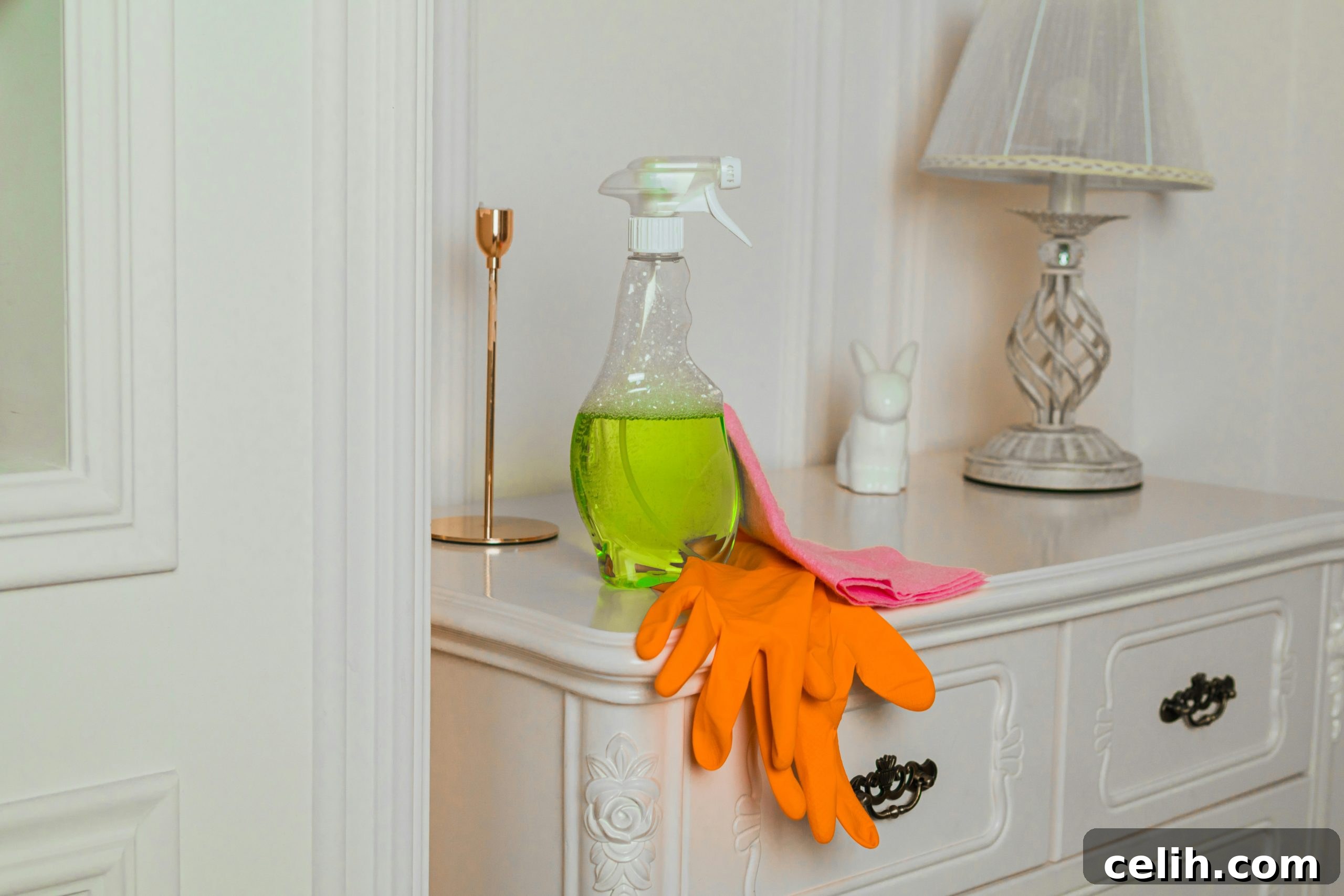
In the quest for a truly healthy home, cleanliness stands as a cornerstone. For many households, maintaining pristine living spaces while ensuring a safe environment for loved ones is a top priority. However, the conventional cleaning products that have long dominated our shelves often come with a hidden cost: a cocktail of harsh chemicals that can negatively impact both human health and the planet. Fortunately, a significant shift is underway. More and more homeowners, and even professional cleaning services, are embracing green, eco-friendly alternatives. This comprehensive guide will delve into the myriad benefits of adopting eco-friendly cleaning practices, illuminating how they contribute to a healthier, safer, and more sustainable home environment for everyone.
Reduced Exposure to Harmful Chemicals
One of the most compelling advantages of integrating green cleaning products into your routine is the dramatic reduction in exposure to harmful chemicals. Traditional cleaning solutions are frequently formulated with a range of aggressive substances, including but not limited to ammonia, chlorine bleach, phthalates, parabens, and synthetic fragrances. These chemicals are notorious for triggering a host of immediate and long-term health concerns. Contact with such ingredients can lead to uncomfortable skin irritations, allergic reactions, and even chemical burns. Inhaling their fumes can cause respiratory problems, exacerbating conditions like asthma and chronic bronchitis, and leading to symptoms such as coughing, wheezing, and shortness of breath.
Beyond immediate reactions, these hazardous chemicals can linger in your indoor environment long after you’ve finished cleaning. They can settle on surfaces, be absorbed by fabrics, and off-gas into the air, creating a continuous source of exposure for your family, including children and pets, who are often more vulnerable due to their smaller body mass and developing systems. Phthalates, for instance, are endocrine disruptors, meaning they can interfere with hormone function and have been linked to developmental and reproductive issues. Chlorine bleach, a common disinfectant, can react with other organic materials to form harmful byproducts.
In stark contrast, eco-friendly cleaning products are meticulously crafted from natural, plant-based, and biodegradable ingredients. Think essential oils, vinegar, baking soda, citric acid, and other derivatives from sustainable sources. These formulations are inherently non-toxic and designed to be gentle on both human health and the environment. By opting for these alternatives, you significantly minimize the amount of contact your household has with hazardous substances, creating a safer and healthier living space. You can clean with confidence, knowing that you are protecting your family from unnecessary chemical burdens and fostering an environment where everyone can thrive without concerns about hidden health risks.
Better Indoor Air Quality
The air we breathe indoors is often far more polluted than the air outside, a reality that green cleaning practices are actively working to change. Traditional cleaning products are a significant contributor to poor indoor air quality because they frequently release volatile organic compounds (VOCs). VOCs are gases emitted from certain solids or liquids that can have short-term and long-term adverse health effects. Common VOCs found in conventional cleaners include formaldehyde, benzene, toluene, and xylene, many of which are known carcinogens or irritants.
When you use conventional cleaners, these VOCs off-gas into the air, permeating your home and degrading its overall air quality. This is particularly alarming given that most people spend a staggering 90% of their time indoors, where air pollution levels can be two to five times, and occasionally even more than 100 times, higher than typical outdoor levels. The presence of VOCs can trigger a range of symptoms, including headaches, nausea, dizziness, fatigue, and irritation of the eyes, nose, and throat. For individuals suffering from respiratory conditions such as asthma and allergies, VOCs can severely exacerbate their symptoms, leading to more frequent attacks and increased discomfort.
Eco-friendly cleaning products, on the other hand, are specifically formulated to be low in VOCs or entirely free of them. They achieve this by utilizing natural, non-toxic ingredients that do not emit harmful gases into your living space. This fundamental difference means that when you clean with green products, you are actively helping to maintain and improve the air quality throughout your home. The fresh scent you might notice from eco-friendly cleaners typically comes from natural essential oils rather than synthetic fragrances, which themselves can be sources of VOCs and allergens. This makes green cleaners a crucial choice for homes with children, elderly household members, or anyone with heightened respiratory sensitivities or chemical intolerances. Investing in better indoor air quality through green cleaning is an investment in the long-term health and well-being of every occupant of your home.
Reduced Environmental Impact
Beyond the immediate health benefits within your home, choosing eco-friendly cleaning products represents a significant step towards global environmental stewardship. Conventional cleaning products are laden with ingredients that are not only harmful to humans but also incredibly detrimental to the natural world. Many of these chemicals, such as phosphates, nitrates, and various petrochemicals, are washed down drains and ultimately make their way into rivers, lakes, and oceans. Once in aquatic ecosystems, they can cause a cascade of negative effects.
For instance, phosphates can lead to eutrophication, an overgrowth of algae that depletes oxygen levels in the water, suffocating fish and other aquatic life. Other chemicals can be directly toxic to marine organisms, disrupting their reproductive cycles, development, and overall survival. These persistent pollutants can also accumulate in the environment over time, entering the food chain and eventually affecting larger wildlife, and even humans, through a process known as biomagnification. This widespread contamination harms biodiversity, destabilizes ecosystems, and poses long-term threats to the planet’s delicate balance.
Eco-friendly cleaning products are specifically designed with biodegradability in mind. This means their ingredients break down naturally and safely into harmless substances, minimizing their impact on soil and water systems. They typically avoid synthetic fragrances, dyes, phosphates, and chlorine, opting instead for ingredients derived from renewable resources that integrate seamlessly back into the natural cycle. By making the conscious choice to use these products, you are actively contributing to cleaner waterways, healthier soil, and thriving ecosystems. This not only reduces your household’s carbon footprint by limiting the release of harmful substances but also supports a more sustainable future for generations to come, fostering a world where both people and wildlife can coexist in harmony with nature.
Supporting Sustainable Brands
When you choose eco-friendly cleaning products, you’re doing more than just making a healthier choice for your home; you’re also casting a vote for ethical business practices and sustainability on a broader scale. This conscious consumerism empowers companies that prioritize environmental responsibility throughout their entire supply chain, not just in their final product ingredients. Many eco-friendly cleaning brands go above and beyond merely using natural ingredients; they are deeply committed to sustainable manufacturing processes, ethical sourcing of raw materials, and responsible packaging solutions.
These companies often invest in recycled and recyclable packaging, minimize plastic use, and even offer refillable options to further reduce waste. Their production processes are typically designed to conserve water, reduce energy consumption, and minimize industrial waste, setting a higher standard for corporate environmental responsibility. By actively seeking out and purchasing from such brands, like reputable professional services such as Seattle house cleaners who champion green methods, you are directly contributing to a market demand for more sustainable products and business models. Your purchasing power signals to the industry that consumers value environmental integrity and ethical practices.
This collective consumer action encourages other companies, even larger traditional manufacturers, to re-evaluate their own environmental impact and adopt more eco-friendly practices. It fosters innovation in sustainable product development and pushes for greater transparency in ingredient disclosure and manufacturing processes. By investing in these forward-thinking brands, you become an active participant in creating a more sustainable economy, one that prioritizes planetary health and ethical conduct alongside product efficacy. It’s a powerful way to make a difference beyond your own home, supporting a global movement towards a greener, more responsible future.
Making the Switch to Green Cleaning
Transitioning to green cleaning products might seem like a daunting task, but it’s often much simpler and more accessible than many imagine. The key is to approach it gradually and strategically. A great starting point is to replace the most frequently used cleaning products in your home with greener options. Think about items like your all-purpose cleaner, dish soap, glass cleaner, and laundry detergent. These are products you interact with almost daily, so switching them first will have the most immediate impact on reducing your chemical exposure. As your conventional products run out, simply replace them with their eco-friendly counterparts, creating a seamless and manageable transition over time.
When you’re ready to purchase natural cleaning products, it’s crucial to become a savvy label reader. Look for well-known and reputable brand names that clearly disclose all their ingredients, avoiding those that use vague terms like “fragrance” or “cleaning agents” without further specification. Seek out products that carry certifications from recognized environmental protection organizations, such as the Environmental Protection Agency (EPA) Safer Choice label, Green Seal, or EWG Verified. These certifications indicate that the products have undergone rigorous testing and meet strict environmental and health standards, helping you navigate the market and avoid “greenwashing” – where products are marketed as eco-friendly without genuine credentials.
For those who enjoy a DIY approach, creating your own effective and natural cleaning products is incredibly easy and cost-effective. Simple household staples can transform into powerful cleaners. White vinegar, known for its acidic properties, is excellent for cutting grease, disinfecting, and shining surfaces. Baking soda is a fantastic abrasive for scrubbing, deodorizing, and absorbing odors. Lemon juice provides a natural degreaser and a fresh scent. Essential oils like tea tree oil (antimicrobial) or lavender oil (antibacterial and calming) can add both cleaning power and pleasant aromas. With just a few basic ingredients, you can concoct sprays, pastes, and solutions that are perfectly safe and highly effective, giving you complete control over what goes into your home.
Conclusion
Embracing eco-friendly cleaning products offers a profound and multifaceted contribution to the well-being of your household and the health of the planet. These sustainable alternatives promise a significant reduction in exposure to harmful chemicals, safeguarding your family, including children and pets, from the numerous health risks associated with conventional cleaners. They dramatically improve indoor air quality by eliminating volatile organic compounds, creating a fresher, healthier breathing environment that is particularly beneficial for those with allergies or respiratory sensitivities. Furthermore, by choosing biodegradable and non-toxic formulations, you actively lessen the environmental harm caused by persistent pollutants, contributing to cleaner waterways, healthier ecosystems, and a reduction in your overall carbon footprint.
The growing interest in eco-friendly cleaning is a testament to an increasing global awareness of sustainable living and responsible consumerism. It reflects a collective desire to make choices that benefit not only our immediate surroundings but also the wider world. By picking up such products and actively supporting eco-friendly brands, you become a vital part of a movement that champions ethical production, sustainable packaging, and a commitment to planetary health. Companies like Seattle Green Cleaning Fairy exemplify this dedication, prioritizing green cleaning methods to help you maintain a spotless yet healthy home.
Making the switch to green cleaning is more than just a trend; it’s a commitment to a healthier lifestyle and a more sustainable future. Every conscious choice you make, from the dish soap you use to the all-purpose cleaner under your sink, plays a crucial role. By integrating eco-friendly cleaning into your daily routine, you are not only creating a safer, more vibrant home for yourself and your loved ones but also contributing to a cleaner, greener world for prosperity and future generations. It’s a powerful step towards holistic home wellness and global environmental responsibility, proving that a clean home doesn’t have to come at the expense of health or the planet.