
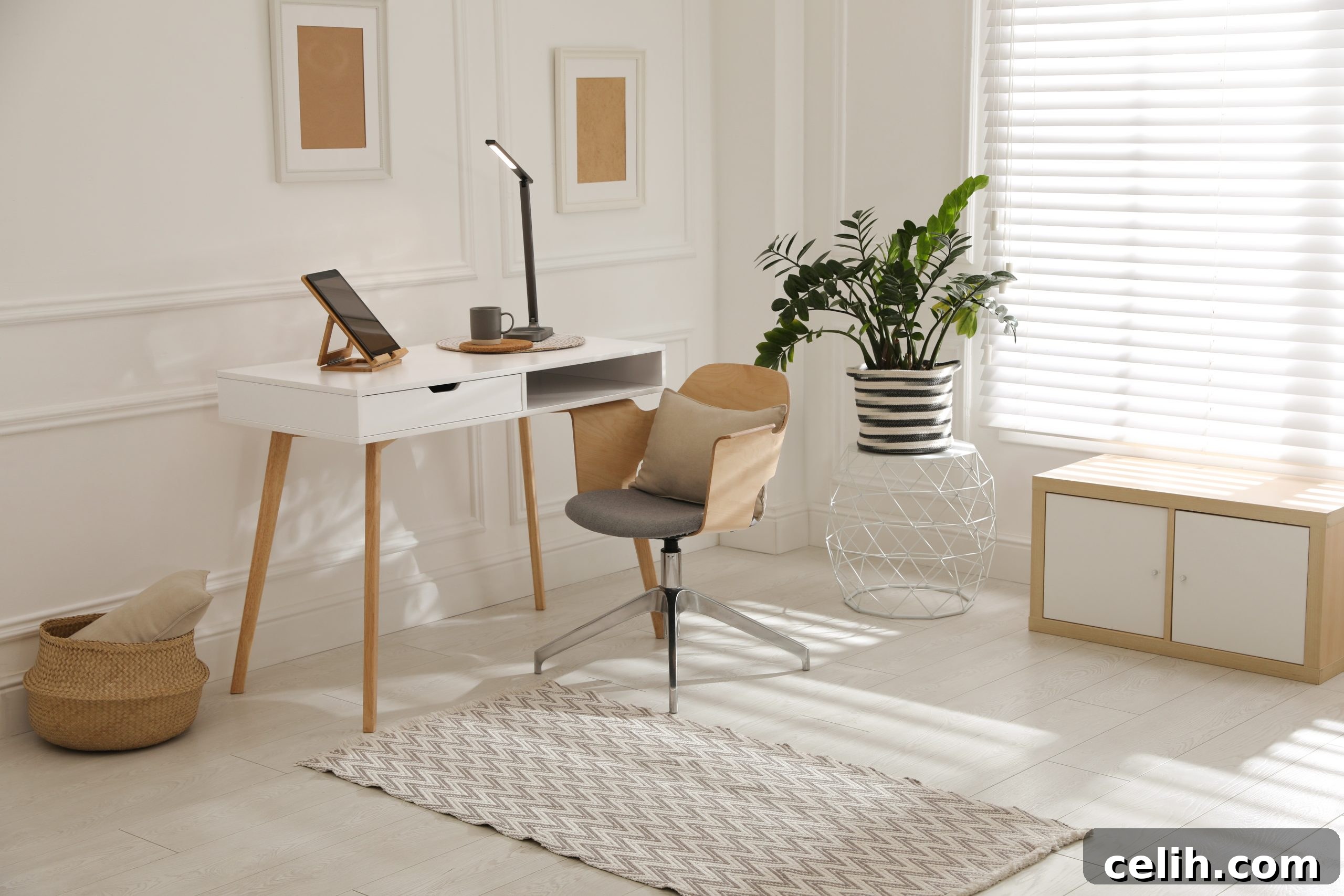
Welcome to a transformative journey designed to redefine your relationship with your living space. In an era often characterized by consumerism and an abundance of possessions, the profound philosophy of minimalism offers a refreshing path back to what truly matters. It’s an invitation to cultivate an environment that radiates tranquility, intentionality, and purpose. This comprehensive guide will empower you to embrace core minimalist principles, guiding you through practical steps to declutter your surroundings, thoughtfully select functional furniture, and curate a peaceful color palette. By doing so, you can transform your home into a sanctuary that truly reflects a lifestyle of mindful simplicity.
Embracing the Philosophy of “Less is More”
Minimalism transcends mere aesthetic trends; it’s a profound philosophy that encourages us to discover greater joy and freedom through fewer possessions. By consciously focusing our attention on what is truly essential, we create not only physical space in our homes but also mental and emotional space in our lives. This shift in mindset allows us to prioritize experiences, relationships, and personal growth over material accumulation. Engaging with this minimalist mindset is the foundational step, paving the way for a deeper, more meaningful connection with your living environment and a healthier approach to consumption. It’s about discerning value and choosing quality over quantity, leading to a life enriched by intention and purpose.
The Psychological Benefits of Minimalist Living
Adopting a minimalist approach extends beyond visual appeal, offering significant psychological advantages. A decluttered space often leads to a decluttered mind, reducing stress and anxiety by eliminating visual noise and decision fatigue. When every item in your home serves a purpose or brings you joy, you experience a greater sense of calm and control. This clarity can enhance productivity, improve focus, and foster an overall sense of well-being, making your home a true haven for relaxation and mental rejuvenation.
A Strategic Room-by-Room Decluttering Approach
Transforming your entire home can feel daunting, which is why a methodical room-by-room approach is highly effective. Beginning with the areas you use most frequently, such as the living room or kitchen, can provide immediate, tangible benefits and generate significant momentum to continue throughout your home. This strategy prevents overwhelm and allows you to celebrate small victories, reinforcing your commitment to a minimalist lifestyle. Remember, this process is not a race; allow each room the dedicated time and thoughtful consideration it deserves.
Transforming the Kitchen: Efficiency and Serenity
The kitchen, often considered the heart of the home, is an excellent place to begin your decluttering journey. A minimalist kitchen prioritizes functionality, ease of use, and a sense of calm. Start by emptying all cabinets and drawers, then evaluate each item. Ask yourself: “Do I use this regularly?” “Do I have duplicates?” “Does it truly serve a purpose?” Upgrade to sleek and functional kitchen hoods, for instance, not only aligns with a minimalist aesthetic but also significantly improves air quality and maintains a cleaner cooking environment. Streamline your pantry, organize utensils into drawers, and keep countertops clear of unnecessary gadgets. A well-organized kitchen makes cooking a pleasure, reduces mealtime stress, and becomes a testament to practical minimalism.
Creating a Living Room Sanctuary
In the living room, focus on creating an inviting space for relaxation and connection. Remove decorative items that don’t evoke joy or serve a purpose. Opt for comfortable, well-designed furniture pieces that contribute to the room’s flow rather than hindering it. Consider smart storage solutions like media consoles with integrated shelving or coffee tables with hidden compartments to keep remotes, magazines, and other small items out of sight, maintaining a clean and serene aesthetic.
Sustaining Your Minimalist Sanctuary
Embracing a minimalist lifestyle is an ongoing, evolving commitment, not a one-time event. The key to long-term success lies in establishing consistent daily habits that actively prevent clutter from accumulating. Simple yet powerful rituals, such as a nightly 10-minute tidy-up session before bed, can make an enormous difference. During this brief period, return items to their designated homes, wipe down surfaces, and prepare your space for the next day. This routine not only maintains the aesthetic appeal of your home but also cultivates a sense of order and peace, ensuring your minimalist sanctuary remains pristine and calming.
The “One-In, One-Out” Rule and Mindful Consumption
To prevent new clutter from creeping in, adopt the “one-in, one-out” rule: whenever you acquire a new item, commit to letting go of a similar item. This conscious consumption habit encourages thoughtful purchases and maintains balance in your possessions. Furthermore, practice mindful consumption by questioning every potential purchase: Is it truly necessary? Does it add value to my life? Is it high quality and durable? These questions foster a deeper appreciation for your belongings and curb impulsive buying, aligning perfectly with the minimalist ethos.
Enhancing Minimalism Through Rich Texture
While minimalism often favors clean lines and simplicity, texture plays an indispensable role in adding character, depth, and warmth without introducing visual clutter. Integrating a variety of textures through thoughtful textile choices can transform a stark space into an inviting haven. Consider plush rugs underfoot, soft throws draped over seating, and luxurious cushions that invite you to relax. Beyond textiles, introduce natural elements such as unpolished wood, smooth stone, concrete, and living plants. These elements not only bring the soothing essence of the outdoors into your space but also create subtle visual interest and a tactile experience, promoting a profound sense of relaxation, balance, and organic beauty within your minimalist environment.
Confronting Clutter with Intentionality
The journey to a minimalist home begins with a courageous confrontation of clutter. Begin by sorting through your belongings with an objective and discerning eye, category by category. For each item, ask yourself these crucial questions: “Do I truly love this item?” “Do I genuinely need it for practical purposes?” “Does it add significant value or joy to my life, or does it merely take up valuable space?” This thoughtful process is not solely about discarding physical items; it is equally about clearing out mental clutter. By making conscious decisions about what you keep, you free up cognitive load, allowing for a refreshed focus on the aspects of life that genuinely enrich your well-being and align with your values.
Strategies for Decluttering Sentimental Items
Sentimental items can be the hardest to let go of. Instead of keeping every memento, consider creating a designated “memory box” for truly cherished items. Digitize photos, letters, and artwork where possible. Remember, memories reside in your heart, not necessarily in physical objects. By curating your sentimental possessions, you honor their importance without allowing them to overwhelm your space.
The Transformative Role of Natural Light
Natural light is not merely an aesthetic choice; it is a fundamental element in minimalist decor, profoundly impacting both the visual and psychological aspects of a space. It effortlessly enhances the perception of spaciousness and openness, making even smaller rooms feel larger and more inviting. Beyond its spatial benefits, natural light reveals the authentic colors and rich textures of your minimalist palette, bringing them to life with dynamic interplay throughout the day. Maximizing natural light can be achieved through several strategic design choices: positioning mirrors opposite windows to reflect and amplify light, opting for light, sheer window treatments or no coverings at all, and arranging furniture in a way that allows sunlight to penetrate and permeate every corner of the room. Embracing ample natural light contributes significantly to a healthier lifestyle, proven to elevate moods, boost energy levels, and improve overall well-being, fostering a truly luminous and revitalizing home environment.
Choosing Function Over Form: The Art of Intentional Furniture
In a minimalist home, every piece of furniture must earn its place. The guiding principle is to prioritize pieces that seamlessly blend aesthetic appeal with exceptional functionality. Look for furniture that offers clever storage solutions or serves multiple purposes. Think about modular furniture systems that can be reconfigured to adapt to changing needs, or built-in shelving units and storage benches that conserve precious floor space while providing essential storage. Each item should contribute positively to the efficiency and harmony of your living environment. In a truly minimalistic home, there is no room for purely decorative pieces that do not offer practical utility or evoke genuine joy. Invest in high-quality, durable pieces that are built to last, reducing the need for frequent replacements and supporting a sustainable approach to home design.
Implementing Minimalist Practices in Everyday Life
The essence of minimalism extends far beyond the physical confines of your living space; it is a comprehensive lifestyle that permeates your habits, routines, and even your digital interactions. Simplifying your daily schedule, ruthlessly prioritizing tasks, and decluttering your digital spaces (emails, apps, files) are all integral components of a holistic minimalist lifestyle. By being intentional with your time and activities, you create invaluable room for relaxation, nurture meaningful relationships, and foster personal growth. This conscious approach to living means saying no to commitments that don’t align with your values and creating boundaries that protect your peace. Minimalism, therefore, transcends being merely a statement about our homes; it is a powerful affirmation of the thoughtful, purposeful, and intentional lifestyle we choose to lead, empowering us to live more fully with less distraction.
Serenity in Colour: The Minimalist Palette
The minimalist color palette is carefully curated to evoke a profound sense of serenity, spaciousness, and calm. It predominantly leans towards natural, muted, and neutral tones. Whites, creamy beiges, and various shades of soft greys serve as the foundational palette, creating a backdrop that is both expansive and soothing. These colors naturally invite a feeling of calmness and have the remarkable ability to make spaces appear larger, brighter, and more open. While neutrals form the core, the occasional, subtle splash of color—perhaps through a carefully chosen piece of art, a plant, or a single cushion—can add significant depth, personality, and visual interest without overwhelming the tranquil atmosphere. Think earthy greens, soft blues, or muted terracotta to complement the primary neutral scheme, creating a harmonious and balanced environment.
Conclusion: Unlocking More Through Less
Minimalism is fundamentally not about stripping away the warmth or personality from your living space; rather, it is about thoughtfully molding your environment to profoundly enhance your well-being and authentically reflect your true self. By systematically decluttering your possessions, making intentional choices about functional and timeless furniture, establishing a calm and serene color palette, and thoughtfully integrating elements of texture and abundant natural light, you can embark on a transformative journey. This journey culminates in creating a space that is not only profoundly practical and efficient but also deeply peaceful and inspiring. Embrace this process one deliberate step at a time, and you will soon discover that maximizing minimalism isn’t just about owning less—it’s about creating ample room for so much more: more peace, more clarity, more freedom, and ultimately, a more intentional and joyful life.