
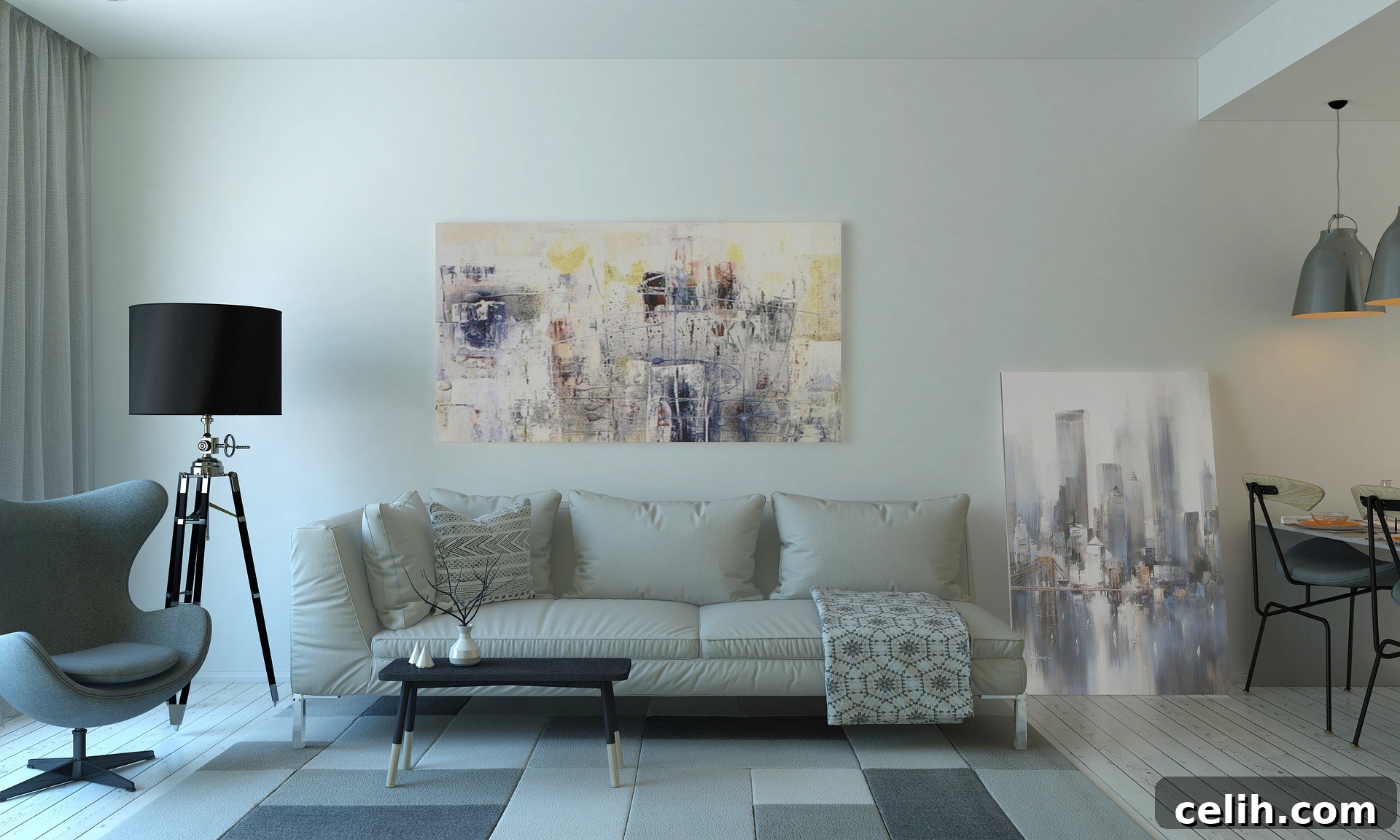
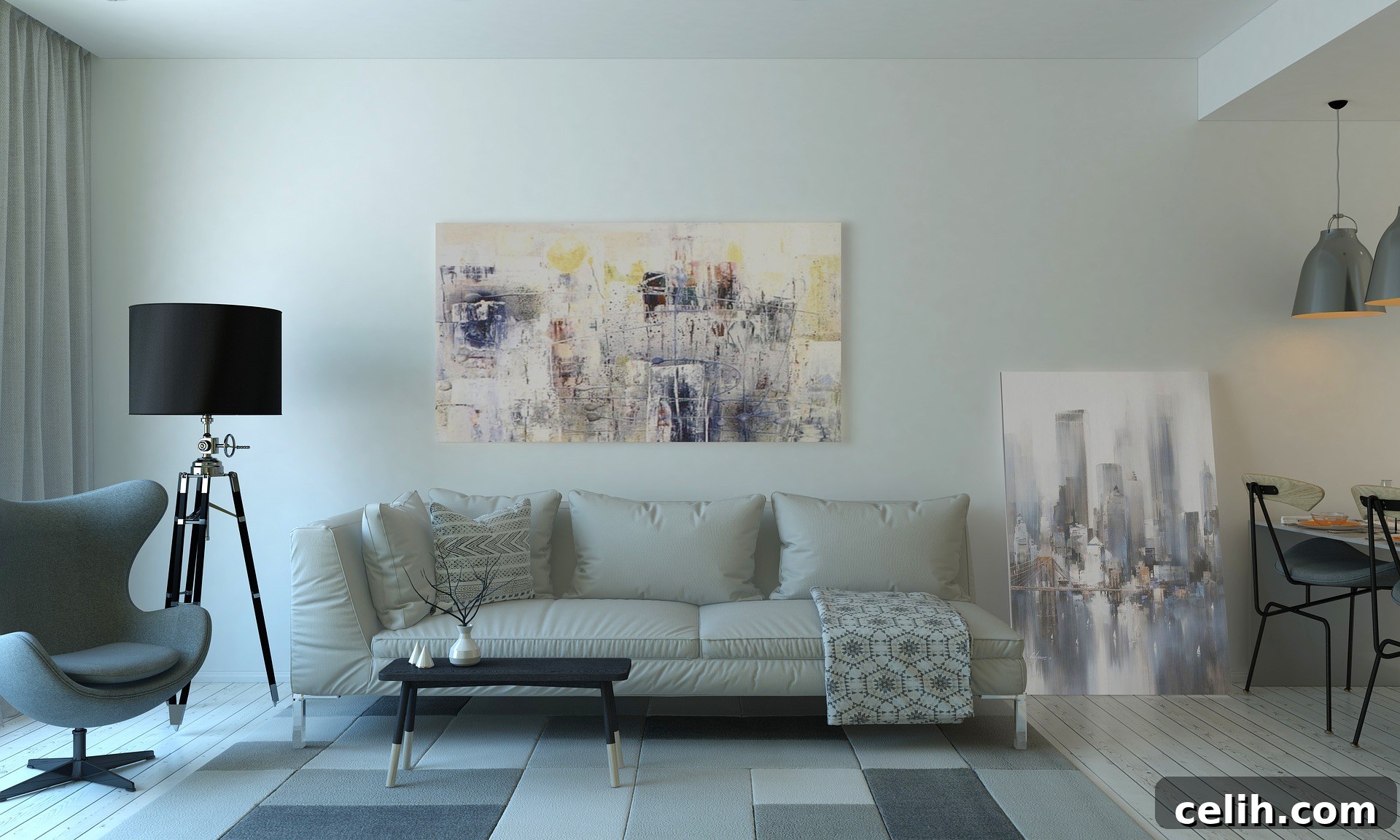
Lighting is far more than just illumination; it’s a powerful tool that shapes the mood, functionality, and aesthetic appeal of every space in your home. A well-designed lighting scheme can transform a room, highlight architectural features, and create a welcoming atmosphere. From boosting productivity in a home office to crafting a cozy living room retreat, understanding the different types of home lighting and their strategic placement is key to unlocking your home’s full potential. This comprehensive guide will illuminate the diverse world of interior lighting, helping you choose the perfect solutions for every corner of your dwelling, ensuring both beauty and practicality.
The Art of Layered Lighting: Ambient, Task, and Accent
Before diving into specific fixture types, it’s crucial to grasp the three fundamental layers of lighting that work in harmony to create a balanced, functional, and aesthetically pleasing space. Mastering these layers is the cornerstone of effective home lighting design, allowing you to create versatile environments that adapt to different activities and moods.
1. Ambient Lighting: The Foundation of Illumination
Ambient lighting, often referred to as general lighting, provides a room’s overall illumination. It’s the primary light source that ensures safe movement, visibility, and a comfortable level of brightness throughout a space. Without sufficient ambient light, a room can feel dark, cramped, and uninviting, lacking the basic foundation for other lighting types.
- Key Sources: Ceiling-mounted fixtures, such as flush mounts or semi-flush mounts; elegant chandeliers that serve as central focal points; discreet recessed lighting (also known as can lights); flexible track lighting systems; and even the generous influx of natural light from windows and skylights.
- Core Purpose: To establish a uniform and comfortable level of illumination across the entire room. This base layer creates a welcoming atmosphere, allowing people to navigate the space effortlessly and serves as the canvas upon which task and accent lighting are artfully applied.
- Strategic Placement: Place ambient fixtures centrally or strategically distribute recessed lights to ensure even coverage without harsh shadows.
2. Task Lighting: Precision for Productivity
Task lighting is focused illumination specifically designed to help you perform activities that require visual concentration and detail, safely and efficiently. By providing bright, direct light precisely where it’s needed, task lighting significantly reduces eye strain, improves concentration, and enhances the accuracy of your work, whether you’re reading, cooking, working, or applying makeup.
- Key Sources: Articulated desk lamps for home offices or study areas; highly effective under-cabinet lights that banish shadows from kitchen countertops; versatile floor lamps with adjustable heads perfect for reading nooks; strategically placed pendant lights suspended over kitchen islands or dining tables; and specialized vanity lights around mirrors for grooming.
- Core Purpose: To deliver intense, localized light directly onto a workspace or activity area. This targeted illumination ensures optimal visibility for specific tasks, preventing fatigue and promoting efficiency.
- Strategic Placement: Position task lights to avoid casting shadows on your work. For reading, ensure the light illuminates the page, not your eyes. In kitchens, install under-cabinet lighting directly above countertops.
3. Accent Lighting: Highlighting Beauty and Drama
Accent lighting is the artistic layer of your lighting scheme, designed to draw attention to specific features, objects, or areas within a room. It adds drama, depth, and visual interest, transforming ordinary elements into captivating focal points. This layer is crucial for showcasing your home’s architectural beauty, treasured artwork, or decorative pieces, adding a sophisticated and polished touch to your decor.
- Key Sources: Elegant wall sconces that cast beautiful patterns or wash walls with light; precise picture lights illuminating artwork; adjustable spot lights or track lighting heads aimed at sculptures or architectural details; and subtle uplighters positioned behind plants or furniture to create dramatic silhouettes.
- Core Purpose: To create visual interest, highlight artwork, emphasize architectural details, showcase plants, or draw attention to collection pieces. Accent lighting adds a layer of refinement and personality to your interior design.
- Strategic Placement: Typically, accent lighting should be three times brighter than the ambient light in the room to effectively draw the eye. Aim lights at objects from a short distance to create definition and avoid glare.
Essential Home Lighting Fixtures and Their Best Uses
Now that we’ve explored the fundamental layers of lighting, let’s delve into the various types of lighting fixtures available and how to integrate them effectively into your home’s design to achieve optimal functionality and aesthetic appeal.
Table Lamps: Versatile and Stylish Companions
Table lamps are ubiquitous in home decor, offering an unparalleled blend of functionality and aesthetic appeal. Available in an endless array of designs, shapes, and sizes, these smaller-scale lamps are designed to sit on various surfaces, providing localized light and enhancing the room’s overall ambiance. The design of the shade often dictates the light’s direction and diffusion, with most casting a soft glow downwards or diffusing light outwards, contributing significantly to both ambient and accent lighting.
- Best Used To:
- Create intimate pools of low-level lighting, perfect for setting a cozy mood in living rooms, providing soft bedside illumination in bedrooms, or adding a welcoming glow to console tables in hallways.
- Add visual interest, texture, and a personal touch to side tables, nightstands, consoles, and desks, serving as decorative elements even when turned off.
- Provide subtle illumination for relaxation areas, quiet conversations, or as a gentle nightlight.
- Design Tip: Select table lamps that harmonize seamlessly with your interior style. Explore bases crafted from diverse materials like polished metal for a sleek, contemporary look; rustic ceramic for warmth and texture; elegant glass for transparency and visual lightness; or natural wood for an organic, earthy feel. The shade material, color, and opacity also play a crucial role in light diffusion, color temperature, and the overall mood it casts. Ensure the lamp’s scale is appropriate for the table it sits on and the room it inhabits.
Floor Lamps: Elevating Light and Design
Once primarily known as “standard lamps” with simple wooden bases and large fabric shades, floor lamps have undergone a remarkable transformation. Modern floor lamps are crafted from a multitude of innovative materials, featuring cutting-edge designs, multiple light heads, and flexible functionalities. They stand tall, bringing essential light to areas that might otherwise remain dim or overlooked, and often serve as significant decorative elements, adding vertical interest to a space.
- Best Used To:
- Instantly illuminate dark corners, brightening overlooked areas and making rooms feel larger, more open, and inviting.
- Provide focused task lighting for activities such as reading, knitting, crafting, or working, especially with adjustable heads or dedicated reading lights like pharmacy lamps.
- Act as a striking statement piece, adding vertical interest, a touch of modern sculpture, or a classic elegance to a living room, study, or bedroom.
- Offer indirect ambient lighting through uplighter (torchiere) designs, bouncing light off the ceiling to soften the overall illumination and reduce glare.
- Design Tip: Consider the specific function you need. An elegant arc lamp can gracefully hover over a sofa or dining table, providing overhead light without permanent installation. A pharmacy lamp delivers precise, directional light for reading. Tripod lamps offer a contemporary aesthetic, blending ambient light with sculptural form. Choose a design that complements your room’s decor while fulfilling its lighting purpose.
Wall Lights (Sconces): Practical and Decorative Accents
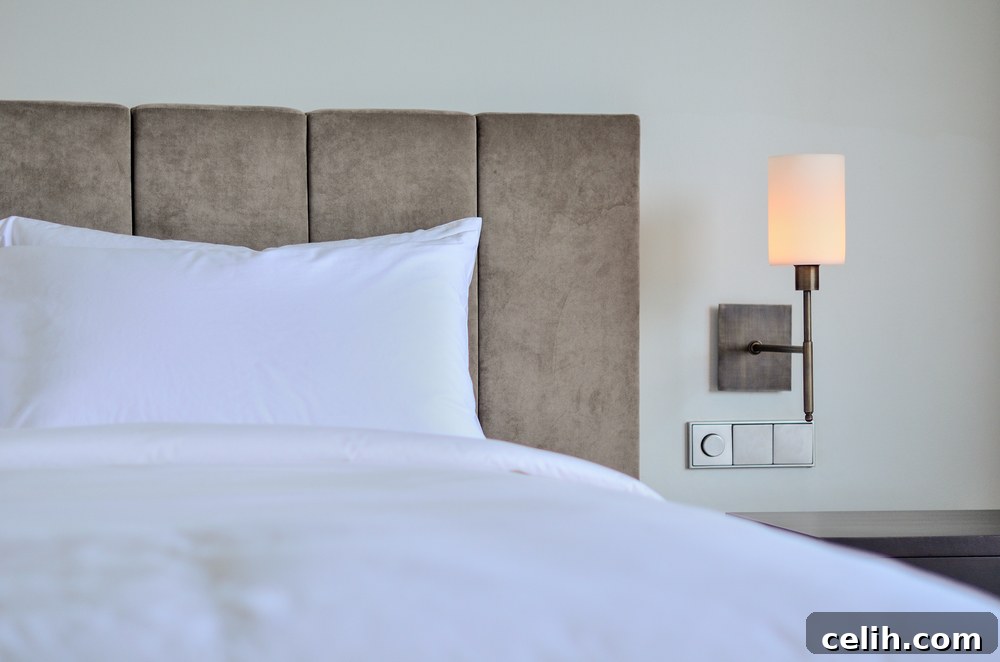
Wall lights, commonly known as sconces, offer a sophisticated and often subtle form of illumination that frees up floor and table space. Mounted directly onto the wall, they help distribute light at a lower or mid-level in a room, creating a softer, more intimate ambiance than overhead fixtures. They are particularly effective at highlighting architectural features, artwork, or simply adding a decorative flourish to an otherwise bare wall. Some designs are flush to the wall, offering discreet, minimalist lighting, while others are more ornate or sculptural, serving as prominent decorative elements even when unlit.
- Best Used To:
- Provide practical and decorative lower-level lighting in living rooms, bedrooms, and hallways, enhancing comfort, safety, and visual appeal without occupying valuable space.
- Accentuate artwork, mirrors, photographs, or specific architectural details, effectively drawing the eye to points of interest and creating visual depth.
- Illuminate pathways in corridors, stairwells, or entryways, guiding movement safely and stylishly.
- Create a layered lighting effect when combined with ambient and task lighting, adding crucial depth and warmth to the room’s overall illumination scheme.
- Design Tip: Choose wall lights that complement the scale and style of your room. Consider whether you need uplights (to cast light upwards, creating a sense of height), downlights (to cast light downwards, often for task or path illumination), or bi-directional lights (to create varied effects and highlight both ceiling and floor). Careful placement, typically at eye-level or slightly above, can prevent glare and maximize their decorative and functional impact.
Directional Lighting: Precision and Focus for Task and Accent
Directional lighting encompasses various fixtures designed to provide highly focused, bright light to specific areas. This category includes spotlights, versatile track lighting systems, and discreet recessed (can) lighting. These types of lights are invaluable for task-oriented zones where clear visibility is paramount, or for artfully accentuating particular features, offering efficient and precise illumination where it matters most.
- Spotlights & Track Lighting: These fixtures offer remarkable flexibility and adaptability. Individual light heads, often mounted on a track or as standalone units, can be rotated, pivoted, and aimed precisely where light is needed, making them highly versatile for changing needs or evolving decor.
- Best Used To:
- Provide clear, bright task lighting in kitchens, particularly over food preparation areas, sinks, and islands, ensuring safety and precision.
- Highlight artwork, sculptures, built-in shelving, or display collections in living rooms, galleries, or dining areas, drawing attention to treasured items.
- Offer adaptable general lighting in spaces where layouts might change frequently, such as studios, open-plan living areas, or retail-inspired home spaces.
- Illuminate specific functional zones within a larger room, such as a reading nook, a home bar, or a gaming station.
- Recessed Lighting: Integrated flush into the ceiling, recessed lights offer a clean, unobtrusive look that blends seamlessly with modern interiors. They provide widespread ambient light or focused illumination depending on the trim and bulb type, maintaining an uncluttered ceiling aesthetic.
- Best Used To:
- Create sleek, contemporary ambient lighting throughout living spaces, kitchens, hallways, and bathrooms, offering a minimalist yet effective solution.
- Add precise task lighting over kitchen countertops, in shower areas, or directly above a vanity.
- Offer subtle accent lighting when equipped with adjustable gimbals to highlight wall features, fireplaces, or decorative elements.
- Design Tip: For task areas like kitchens and bathrooms, ensure the light is bright enough (higher lumens) and has a suitable color temperature (often cooler white for clarity and energy). For accenting, consider a narrower beam angle to focus the light effectively and create dramatic shadows. Strategically place recessed lights to avoid “swiss cheese” ceilings; less is often more.
Pendant Lighting & Chandeliers: Statement Pieces from Above
Pendant lights and chandeliers serve as both primary light sources and significant decorative focal points, commanding attention from above. Suspended gracefully from the ceiling, they draw the eye upwards and can beautifully define a space, adding character, grandeur, or modern flair depending on their design.
- Pendant Lights: These are individual fixtures suspended by a cord, chain, or rigid rod. They are incredibly versatile and are often used in multiples to create a cohesive look or as a single, bold statement piece.
- Best Used To:
- Provide focused task lighting over kitchen islands, breakfast bars, or dining tables, ensuring ample light for meal preparation and dining.
- Add a stylish accent to entryways, hallways, or stairwells, guiding visitors and enhancing the space’s verticality.
- Create intimate zones in open-plan living areas, visually delineating different functions without the need for walls.
- Introduce a specific design aesthetic, from industrial metal to elegant glass, enhancing the room’s character.
- Chandeliers: Often larger, more ornate, and multi-branched fixtures, chandeliers are designed to disperse light across a broad area, typically making a grand and luxurious statement.
- Best Used To:
- Act as the central ambient light source and primary decorative element in dining rooms, grand entryways, or living rooms with high ceilings, instantly elevating the space.
- Introduce luxury, elegance, a specific design theme (e.g., modern, traditional, industrial, rustic), or a touch of theatricality.
- Command attention and serve as the architectural focal point of a room, especially in formal settings.
- Design Tip: Pay meticulous attention to scale. A chandelier should be proportionate to the room size and ceiling height to avoid overwhelming or underwhelming the space. Pendants should be hung at an appropriate height to avoid obstructing views or creating uncomfortable glare, typically 30-36 inches above a countertop or dining table.
Under-Cabinet Lighting: Illuminating Workspaces with Precision
Often overlooked in overall lighting schemes, under-cabinet lighting is an unsung hero in functional spaces, particularly kitchens, home offices, and utility rooms. Mounted discreetly beneath wall cabinets, it provides direct, shadow-free illumination to countertops and workspaces, significantly enhancing both functionality and aesthetic appeal.
- Best Used To:
- Provide essential task lighting for food preparation, cooking areas, and other detailed tasks in the kitchen, significantly improving visibility and safety.
- Illuminate desk surfaces in home offices or craft rooms, effectively reducing eye strain during detailed work and enhancing productivity.
- Create an appealing ambient glow, beautifully highlighting backsplashes, showcasing textures, and adding warmth and depth to the room’s overall atmosphere.
- Eliminate harsh shadows cast by overhead lighting, ensuring a consistently well-lit workspace.
- Design Tip: Opt for energy-efficient LED strips or puck lights for their slim profile, longevity, and low heat emission. Consider options with different color temperatures to match existing kitchen lighting, or even smart lighting solutions for adjustable brightness and color to suit various moods and tasks. Ensure a continuous, even light distribution for the best effect.
Decorative and Novelty Lighting: Injecting Personality and Charm
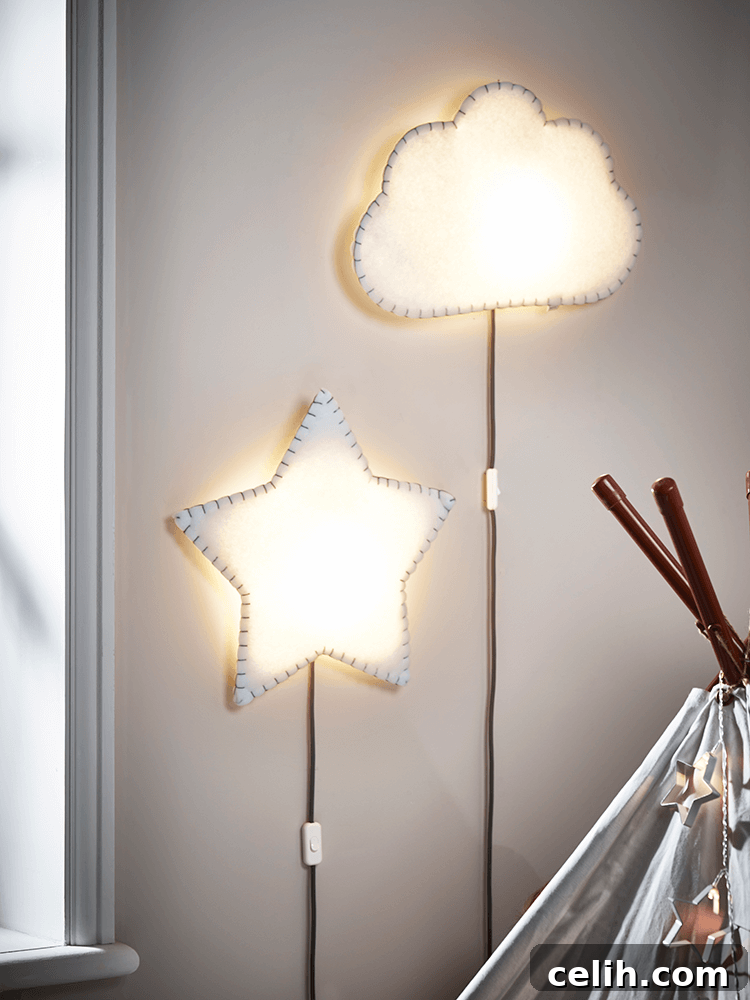
While not strictly essential for basic illumination, decorative and novelty lights are absolutely crucial for infusing personality, charm, and a unique statement into your home decor. These fixtures are chosen specifically for their character, color, and quirkiness, transforming a simple light source into a captivating focal point or a playful accent piece. From whimsical animal-shaped lamps to vibrant neon signs, or delicate string lights, they allow you to boldly express your individual style and artistic flair.
- Best Used To:
- Add a unique statement and personal touch to any room, vividly reflecting your aesthetic, passions, or sense of humor.
- Create a playful, enchanting, or dreamlike atmosphere in children’s rooms, playrooms, creative studios, or entertainment areas.
- Serve as artistic installations, drawing immediate attention and sparking conversation among guests.
- Introduce unexpected pops of color, unconventional shapes, nostalgic elements, or thematic touches into your design scheme.
- Design Tip: Don’t be afraid to experiment! Look for characterful, colorful, or quirky lights that genuinely resonate with your personal style and the desired mood of the room. They can be particularly effective in areas where you want to evoke a specific emotion, such as a cozy reading nook adorned with delicate fairy lights, a vibrant game room featuring a themed lamp, or a minimalist space with a surprising artistic neon sculpture.
Smart Lighting: The Future of Home Illumination at Your Fingertips
The advent of smart lighting technology has revolutionized how we interact with light in our homes, offering an unprecedented level of control and customization. Smart bulbs, fixtures, and integrated control systems provide unparalleled convenience, personalization, and energy efficiency, seamlessly integrating with modern smart home ecosystems.
- Key Benefits:
- Remote Control: Manage your lights effortlessly from anywhere in the world using a smartphone app, tablet, or simple voice commands with smart assistants like Alexa or Google Assistant.
- Customizable Color & Brightness: Adjust the color temperature from a warm, cozy white to a cool, crisp daylight, or choose from millions of vibrant colors to set the perfect mood for any occasion, from a lively party to a relaxing evening.
- Scheduling & Automation: Program lights to turn on/off at specific times, mimic occupancy to enhance security while you’re away, or integrate with other smart home devices like motion sensors or door locks for automated actions.
- Energy Efficiency: The vast majority of smart lights are built on energy-saving LED technology, offering significant energy savings, reduced electricity bills, and considerably longer lifespans compared to traditional bulbs.
- Best Used To:
- Create dynamic and personalized lighting scenes for entertaining guests, relaxing after a long day, or focusing on work, transforming the ambiance with a tap or voice command.
- Enhance home security by making it appear as if someone is home while you’re away, deterring potential intruders.
- Simplify your daily routine with automated lighting schedules that adjust to your lifestyle, greeting you with light in the morning and dimming for bedtime.
- Improve well-being with circadian lighting, which adjusts color temperature throughout the day to support your natural sleep-wake cycle.
- Design Tip: Start your smart lighting journey with individual smart bulbs in existing fixtures to test the waters and experience the benefits. For a more comprehensive solution, consider smart switches that control entire circuits or fully integrated smart lighting systems for seamless, whole-home control and advanced automation capabilities.
Mastering Your Home’s Lighting Design: Key Considerations
Effective lighting design goes beyond simply installing fixtures; it involves thoughtful planning and consideration of various factors to create a cohesive, functional, and inviting environment that truly reflects your style and enhances your daily life.
Consider Color Temperature (Kelvin Scale)
Light isn’t just bright or dim; it also possesses a “color” or warmth, known as color temperature, measured in Kelvin (K). This crucial factor significantly impacts the mood, perceived spaciousness, and overall atmosphere of a room:
- Warm White (2700K-3000K): Emits a soft, yellowish, inviting glow, akin to candlelight or an incandescent bulb. It’s perfect for creating cozy, intimate, and relaxing atmospheres in living rooms, bedrooms, and dining areas, promoting comfort and relaxation.
- Cool White (3500K-4500K): A brighter, more neutral white that often appears crisp and clean. This temperature is commonly used in kitchens, bathrooms, home offices, and utility rooms where clarity, alertness, and focus are desired for tasks.
- Daylight (5000K-6500K): Mimics natural daylight, offering a very bright, blue-white light. While excellent for task-intensive areas like workshops, garages, or spaces needing maximum alertness and true color rendering, it can feel harsh and clinical in residential living spaces.
Embrace Dimmer Switches for Ultimate Flexibility
Installing dimmer switches is one of the most cost-effective and impactful ways to enhance your home’s lighting versatility and mood control. Dimmers allow you to precisely adjust the light intensity, instantly altering the ambiance and functionality of a room without changing fixtures. They are absolutely essential for creating dynamic environments, transitioning seamlessly from bright task lighting for focused work to a soft, inviting ambient glow for relaxation, and also contribute significantly to energy savings and bulb longevity.
Prioritize Energy Efficiency and Sustainable Choices
With increasing global awareness of environmental impact and the rising cost of energy, choosing energy-efficient lighting solutions is not just a trend but a paramount consideration for modern homeowners. LED (Light Emitting Diode) technology has emerged as the undisputed leader in this regard, offering unparalleled advantages:
- Exceptional Longevity: LEDs last significantly longer than traditional incandescent or fluorescent bulbs, often tens of thousands of hours, reducing the frequency and cost of replacements.
- Low Energy Consumption: They use a fraction of the electricity required by older technologies, leading to substantial savings on utility bills and a smaller carbon footprint.
- Robust Durability: LEDs are more robust and less prone to breakage as they don’t have filaments or glass tubes, making them ideal for various applications and environments.
- Incredible Versatility: Available in an astonishingly wide range of shapes, sizes, colors, and dimmable options, LEDs can meet virtually any lighting need or design aesthetic.
- Instant On and No Heat Emission: LEDs provide instant full brightness without flickering and emit very little heat, making them safer and more comfortable.
Conclusion: Illuminate Your Home, Elevate Your Life
From the subtle, welcoming glow of a well-placed table lamp to the commanding, architectural presence of a chandelier or the innovative convenience of smart lighting, each fixture plays a vital role in shaping your home’s character, functionality, and overall comfort. By thoughtfully understanding and applying the principles of layered lighting – ambient, task, and accent – and by carefully selecting fixtures that align with your specific needs, aesthetic preferences, and the practical demands of each space, you can create environments that are not only beautifully illuminated but also perfectly tailored to your lifestyle.
Invest time and creativity in planning your lighting scheme. Consider how light can transform your daily routines, enhance your decor, and foster specific moods. The right lighting design has the power to elevate every moment spent in your cherished home, turning mere spaces into vibrant, comfortable, and inspiring living experiences.