
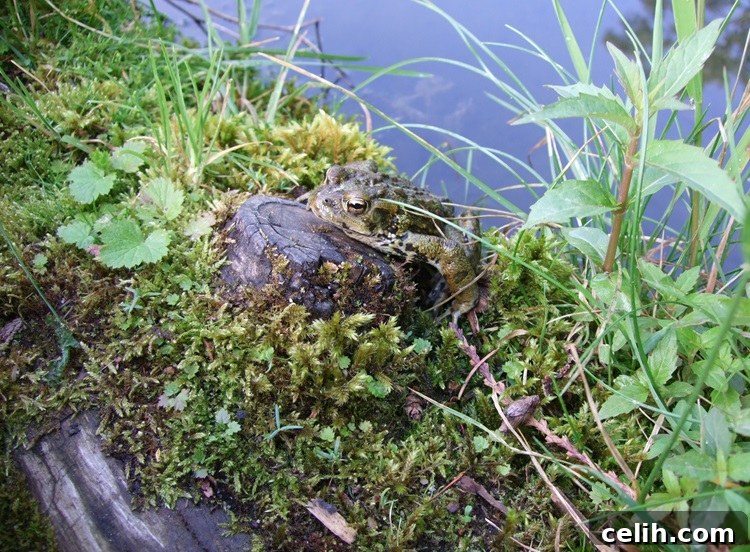
A full-size pond may be a dream for some gardeners, but mini ponds offer an accessible, affordable alternative for almost anyone—even those without a garden. A small water container can boost biodiversity, attract insects and birds, and become an attractive focal point on a balcony, patio, or in a tiny yard. With just a large container and a bit of creativity, you can create a thriving micro-habitat that supports wildlife and enhances your outdoor space.
Mini ponds are inexpensive to create and flexible in design. The bigger the container you can find, the more planting and pond-scaping possibilities you’ll have. Containers can range from old sinks and metal tubs to half-barrels and deep plant pots. Choosing the right container and site helps your mini pond support a broader range of plants and animals while being easier to maintain.
What to think about when creating your mini pond
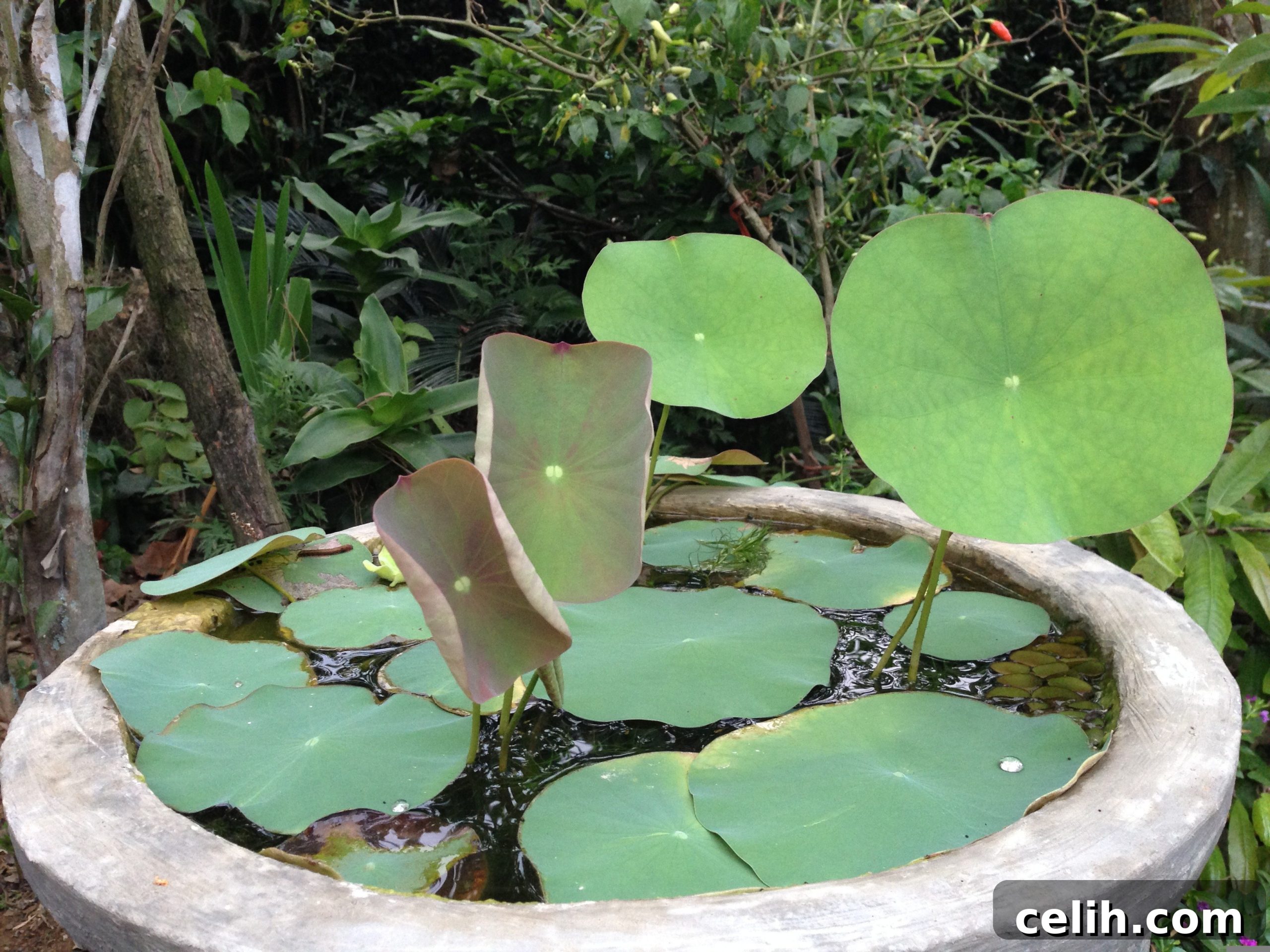
Access and safe exit points are the most important considerations for wildlife. Smooth-sided containers can trap small animals that fall in, so provide easy ramps and places to climb out. Stack stones to form gentle slopes inside the container, lean a plank against the edge, or arrange gravel and plants to create secure escape routes. Adding rocks and marginal planting around the outside also offers shelter to shy visitors.
You can sink a container into the ground for a more permanent look, but raised or freestanding ponds work just as well and are often easier to tend because they require less bending. If pets or small children use the area, consider a low barrier or visual marker to reduce risks. Position your mini pond where it is visible and enjoyable but also safe.
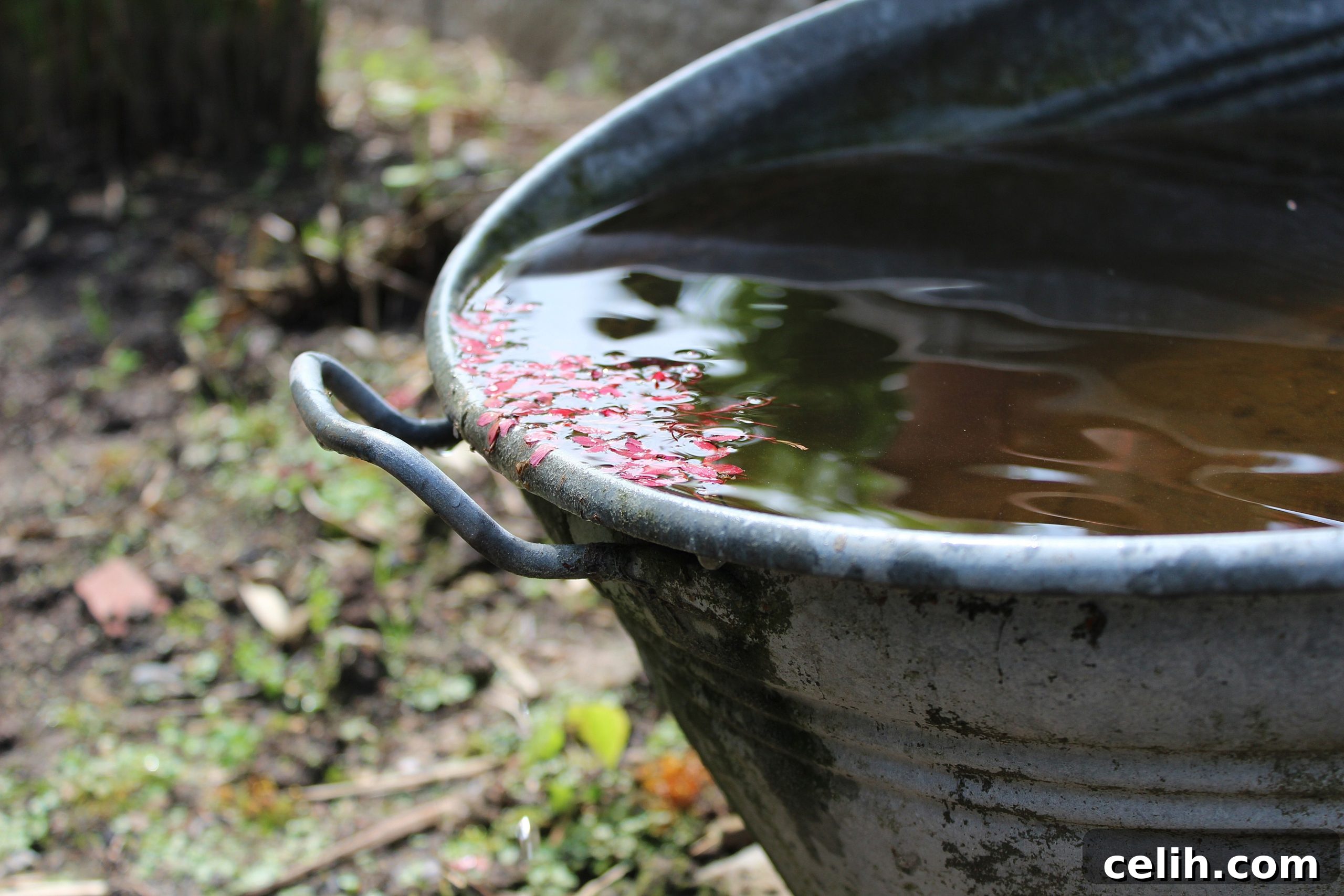
Metal containers can work well, but watch for rust and potential heat buildup in full sun, which can cause rapid evaporation. If using metal, consider lining it or placing it in partial shade so water temperatures remain stable. A liner is a simple way to make a non-waterproof container safe for use as a pond.
Even small ponds need regular care. Remove fallen leaves and debris, top up the water during hot spells, and take care with ice in winter so animals can still access water. Standing water can attract mosquitoes; adding a small solar pump or fountain keeps water moving and discourages breeding. Planting oxygenating and marginal plants improves water quality and supports a wider range of wildlife.
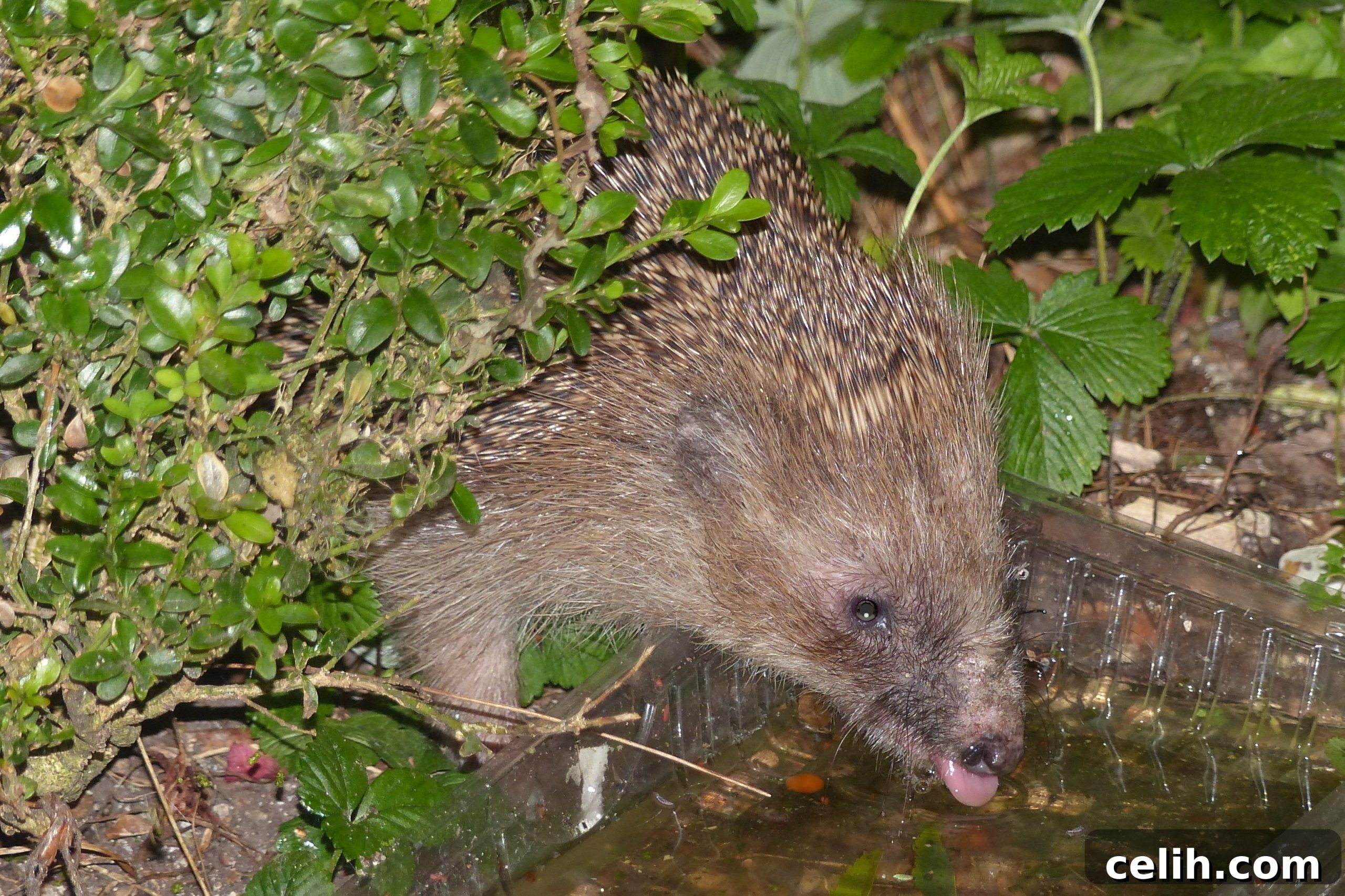
Provide sloping access so ground-dwelling animals like hedgehogs can drink safely. A gradual ramp of stones or packed soil allows them to approach the water and climb back out without slipping. These thoughtful touches make your mini pond more wildlife-friendly and increase the chances of regular visits from local species.
How to create a mini pond
Start by choosing a suitable container. Large tubs, old sinks, half-barrels and deep bowls all work well. If the container isn’t watertight, line it with a durable pond liner or a thick plastic sheet designed for water features. Pick a location with partial shade and away from overhanging trees to minimise leaf fall and reduce maintenance.
Place the container in its final position and create a stable base with compacted soil or paving slabs. Add a layer of gravel or large stones to the bottom for planting pockets and to give small creatures places to hide. Introduce a selection of water plants—choose a mix of submerged oxygenators, floating plants and a couple of marginal species. A small variety of three or four plant types supports greater biodiversity and provides habitat for insects and amphibians.
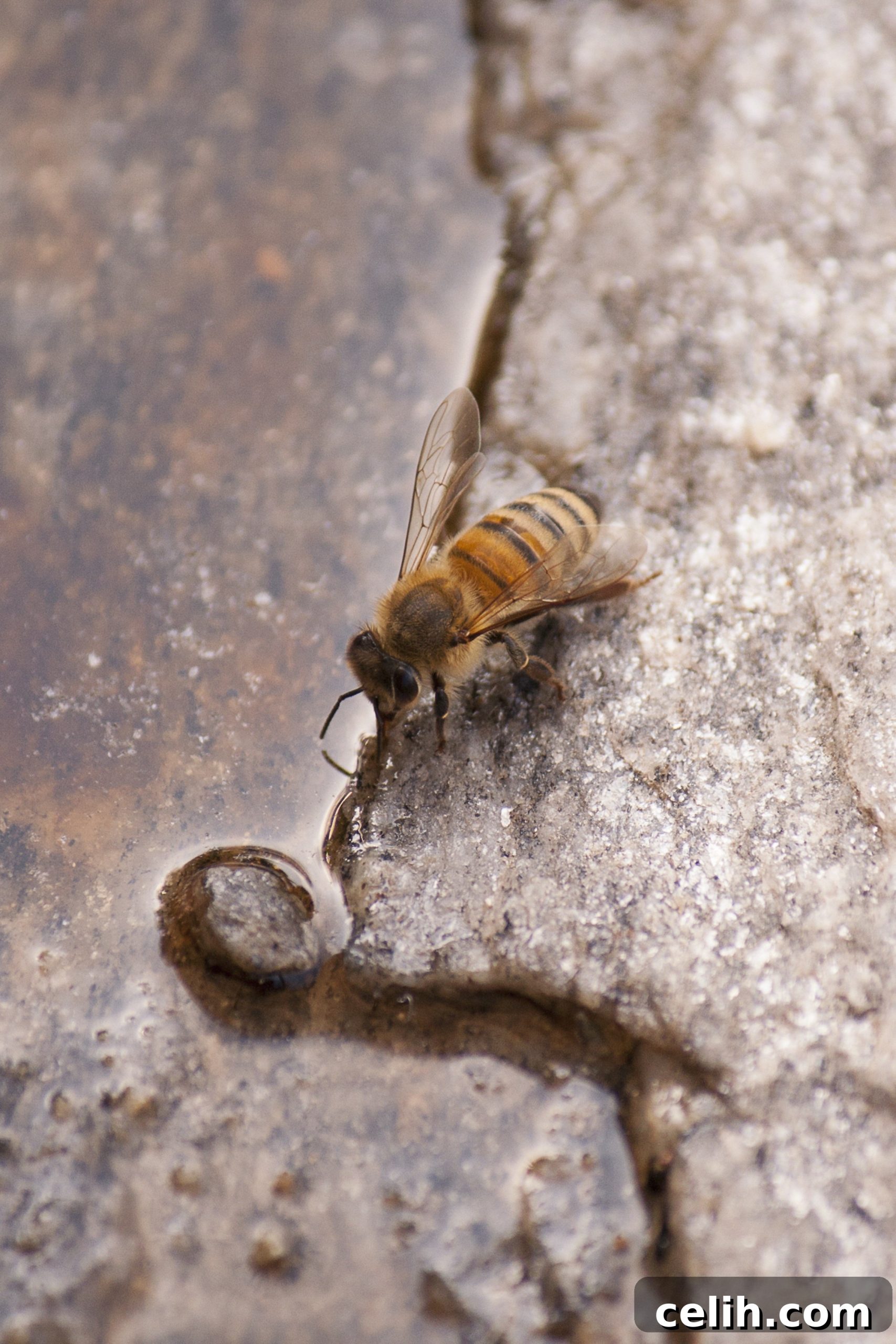
Fill the pond using collected rainwater if possible, as it is free of chlorine and other chemicals found in tap water and better for plants and wildlife. Save rainwater in barrels for future top-ups, particularly in dry spells. After filling, position a few flat stones around the rim to create sheltered landing spots for frogs, bees and other visitors.
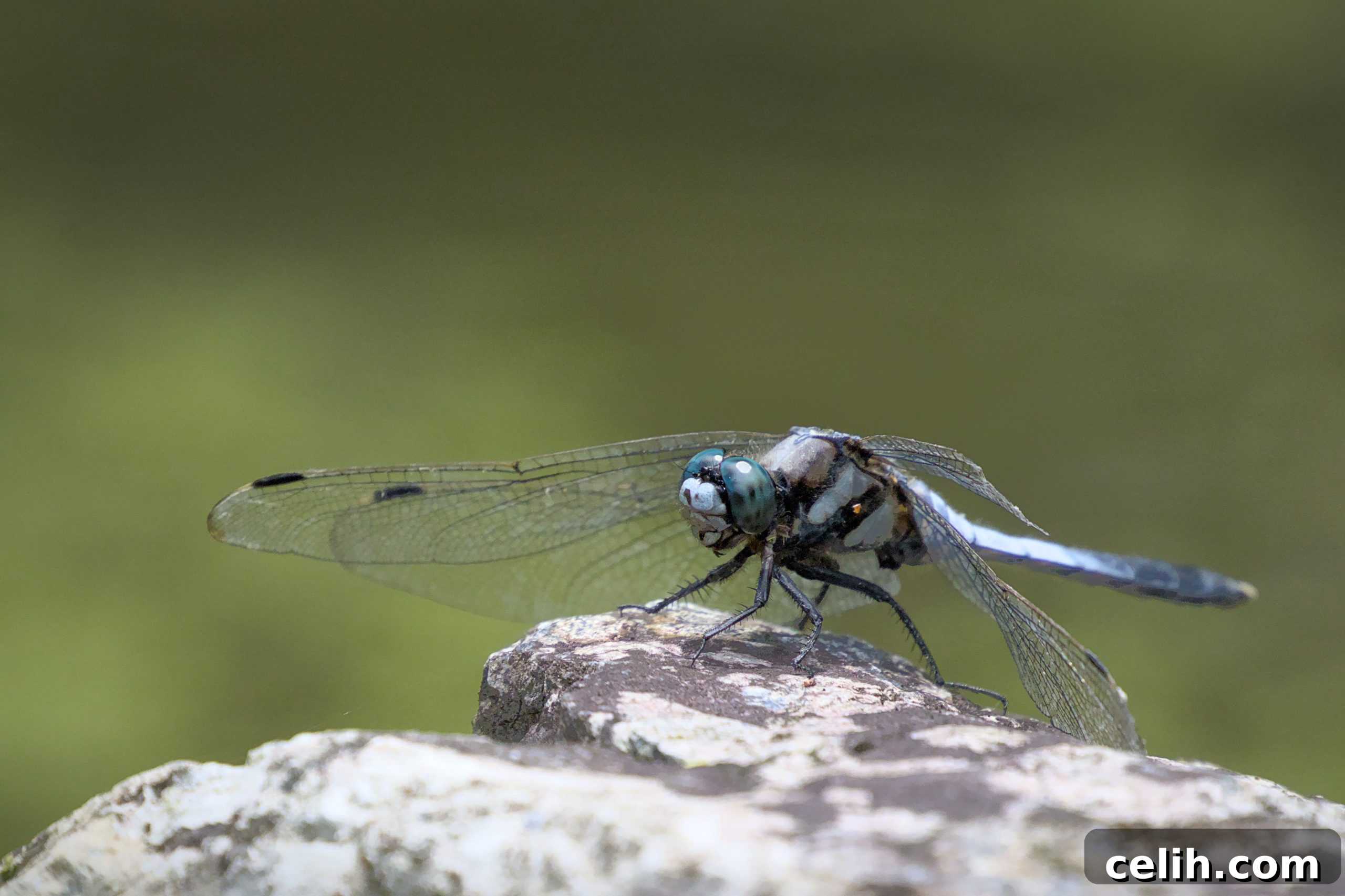
Be patient: it can take several weeks for insects, amphibians and birds to discover a new water source. Regular monitoring and gentle maintenance will keep your mini pond healthy and attractive to wildlife. Over time you’ll notice visits from birds that bathe and drink, dragonflies laying eggs, bees collecting water, and possibly amphibians establishing themselves.
A mini pond is a low-cost, high-impact way to support local biodiversity and bring movement and life to even the smallest outdoor spaces. With careful siting, a few thoughtful features for access and escape, and ongoing care, your small pond can become a thriving micro-ecosystem that benefits wildlife and enhances your garden or balcony.
Main image credit: Logan Preddy via Pixabay