
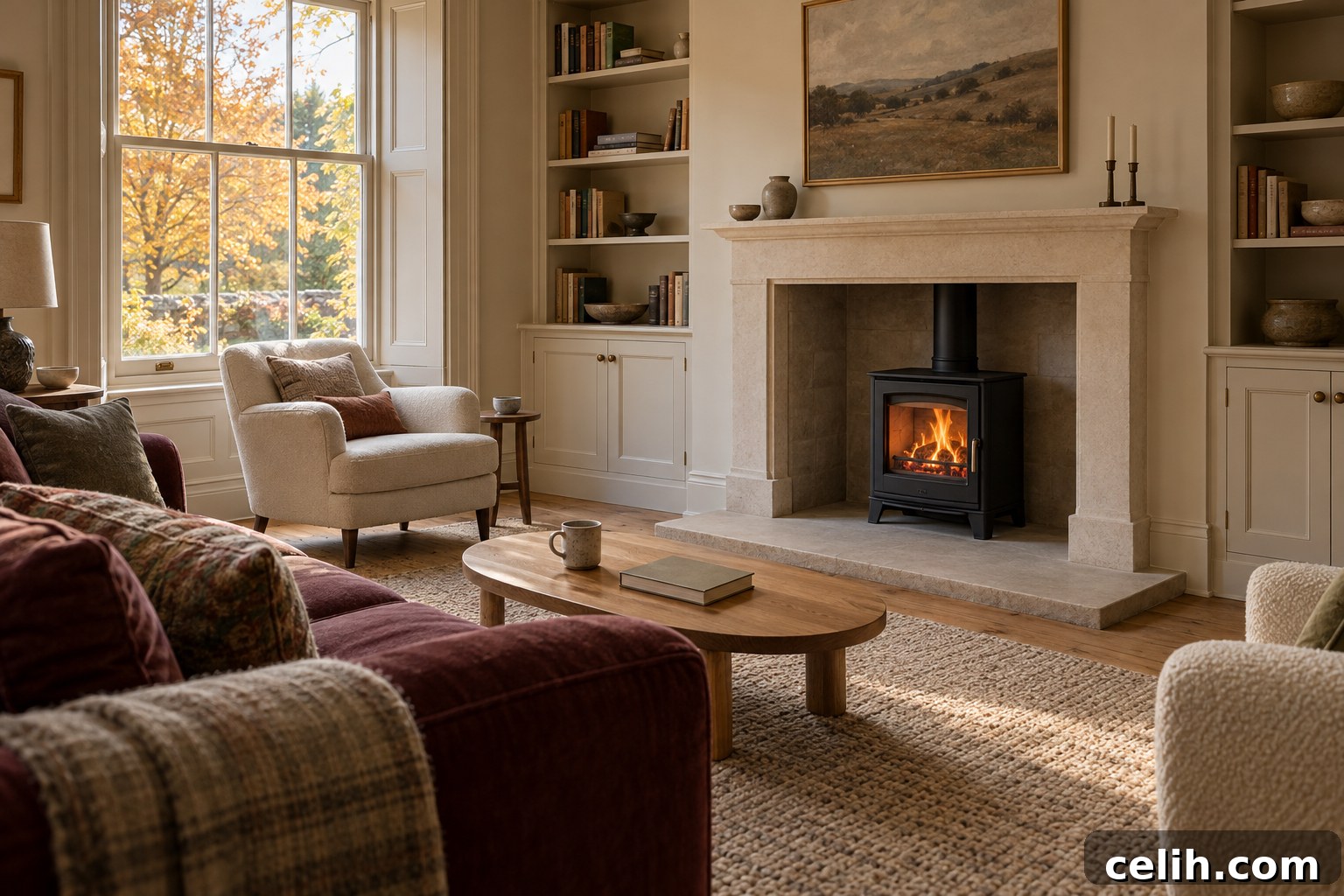
There’s a moment each autumn when evenings draw in, radiators struggle to warm every corner, and a proper fire stops feeling like a luxury and becomes essential. It’s also the season when many of us finally decide to address an empty chimney breast, a tired gas fire or an unused open grate.
Choosing a stove or fireplace is partly an interiors decision and partly a practical one. When both elements work together, the stove becomes the focal point around which the whole room is arranged. If you get either side wrong, you could end up with an appliance you can’t legally use, or an efficient stove that jars with the room. Here’s a clear way to approach the task, beginning with the question most people overlook.
Table of Contents
Start with where you live, not what you like
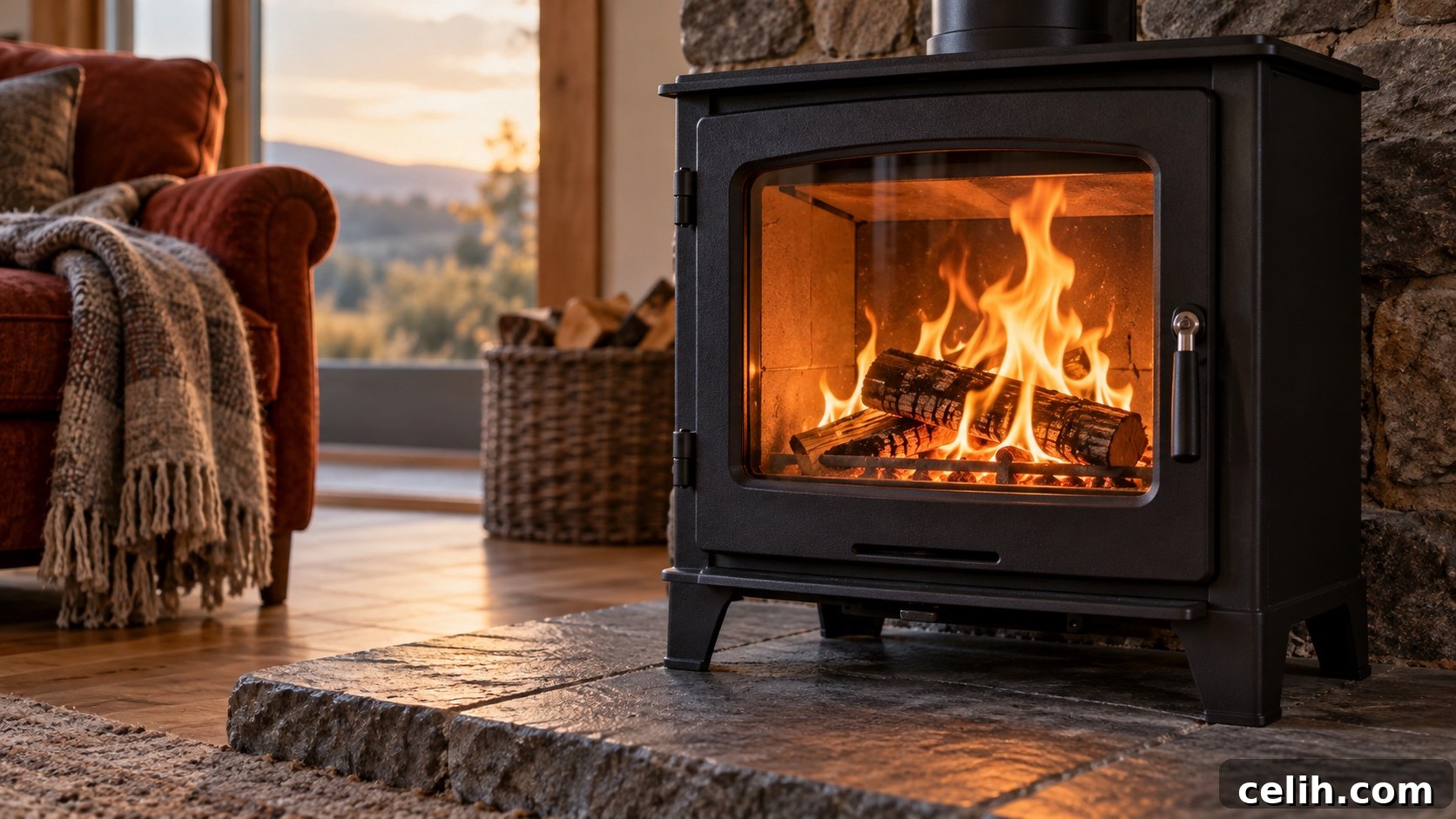
Before falling in love with a particular stove, check whether your property sits inside a Smoke Control Area. Local authorities set these zones to limit smoke emissions, and rules vary across neighbourhoods—sometimes differing from one street to the next. If you live in a Smoke Control Area you can still have a real fire, but your options are narrower: wood-burning stoves must be DEFRA-exempt models tested to burn cleanly, while open fires usually require authorised smokeless fuels. Ignoring these rules can lead to penalties, so it’s worth confirming your status with local authorities or an official checker provided by reputable stove retailers.
Doing this first prevents wasted browsing and narrows your search to stoves and fuels you can legally use where you live.
Decide what you want the fire to do
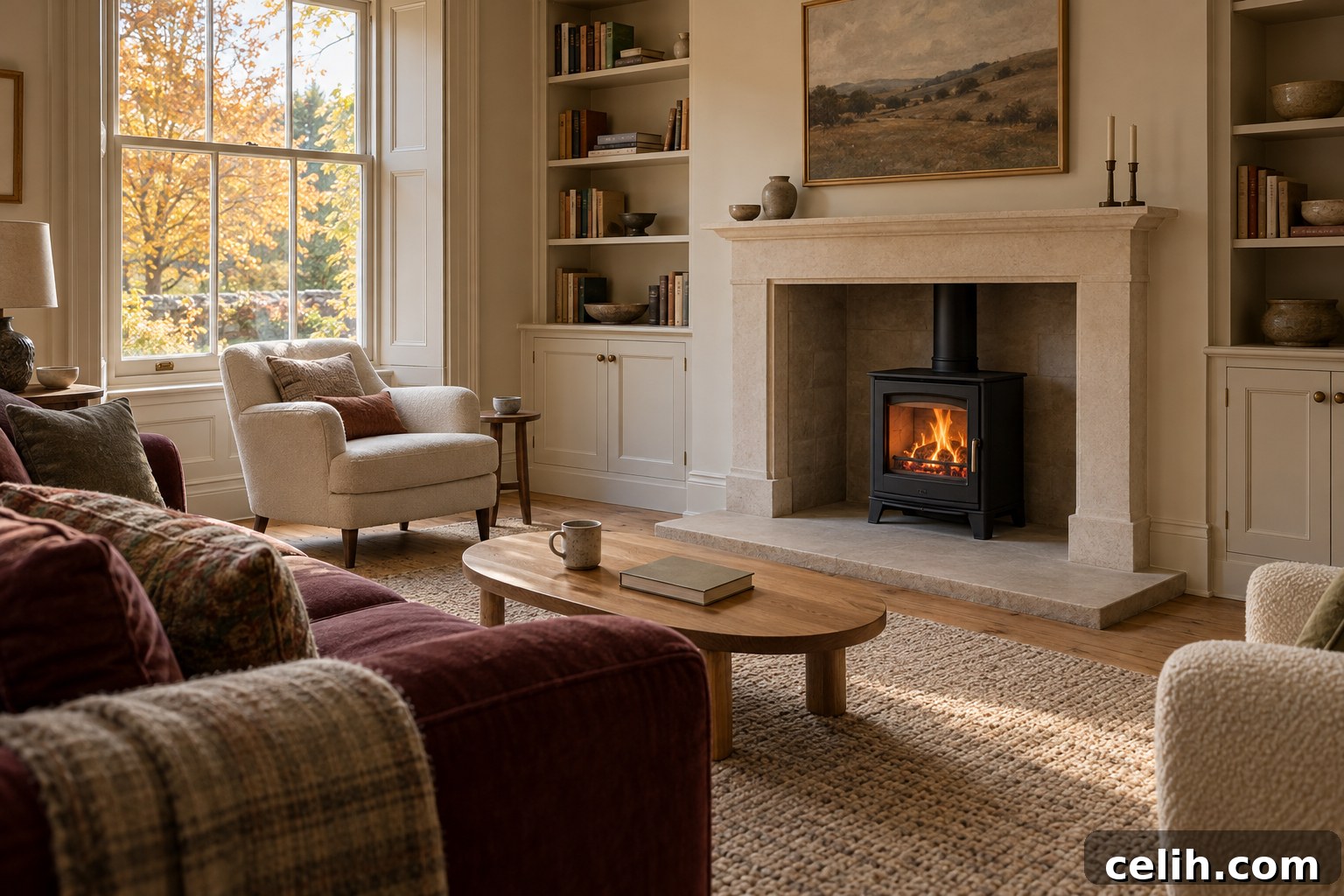
Be honest about how you’ll use the fireplace. A fire intended mostly for atmosphere on occasional evenings differs from one you need every night to heat a draughty house through autumn and winter.
Regular heating: If you want dependable warmth, a closed wood-burning or multifuel stove is the most efficient choice. These stoves retain and radiate more heat into the room rather than losing it up the chimney. Modern models built to current emissions standards are significantly cleaner and more efficient than older stoves.
A focal point: If appearance is the priority, a traditional fireplace surround in stone, marble or cast iron creates an architectural anchor. You can combine a classic surround with a fitted stove to get the look of a traditional hearth with the efficiency of a closed appliance.
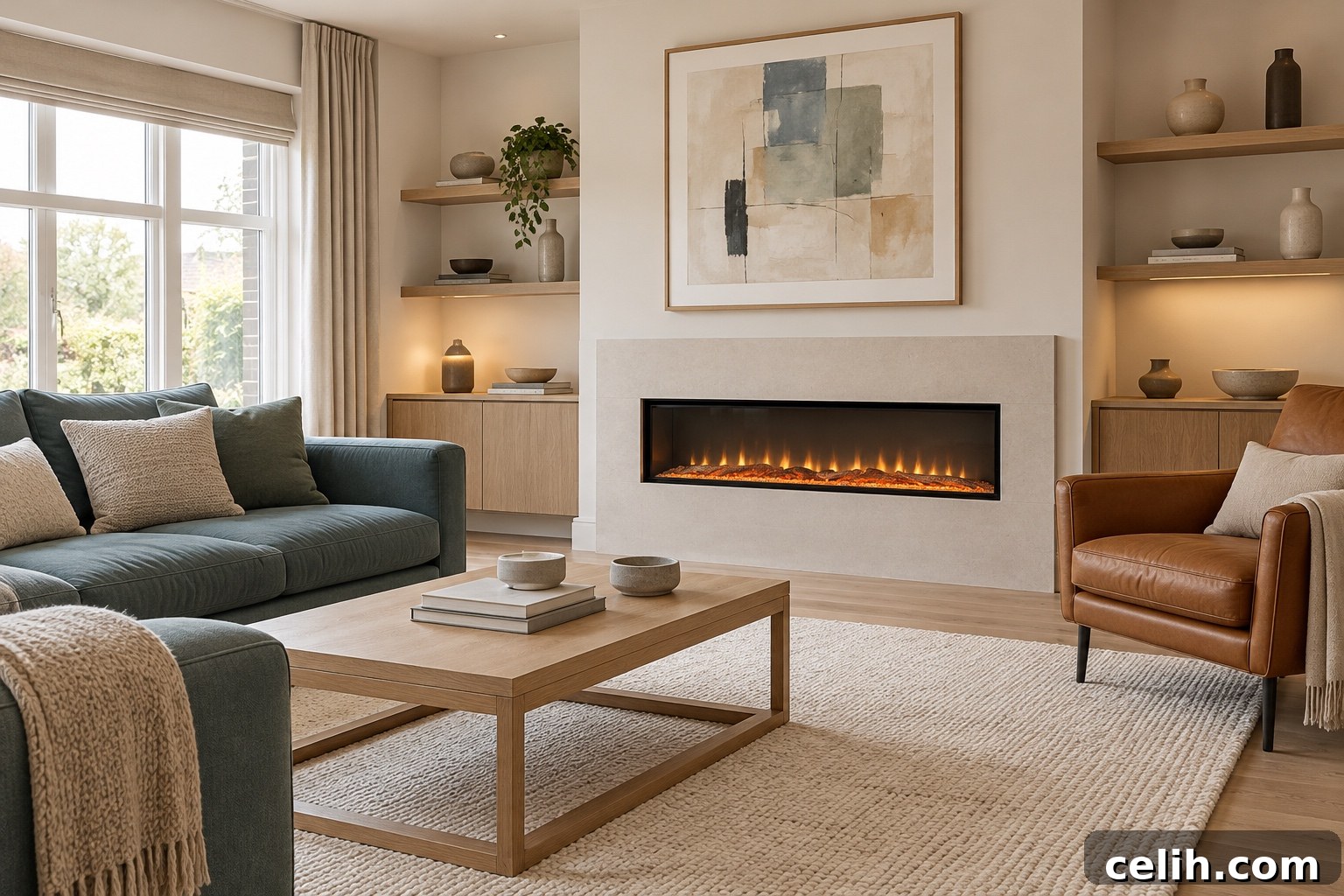
No chimney: For homes without a flue, gas, electric and bioethanol options are practical alternatives. They avoid flue work and provide a simple installation, though their flame experience differs from burning real logs.
Size it to the room
Buying a stove that’s too powerful is a common mistake. An oversized stove can overheat the room or be run at low settings, which often causes sooty glass and a dirty flue. As a rough guide, multiply the room’s length, width and height in metres, then divide by 14 to estimate the kilowatt output you need. For example, a 5m by 4m room with a 2.5m ceiling suggests roughly 3.5kW. Older, less-insulated homes may require a higher output; well-insulated new builds may need less. An experienced installer will perform a proper heat loss assessment, but this quick calculation gives a useful starting point.
Let the style follow the house
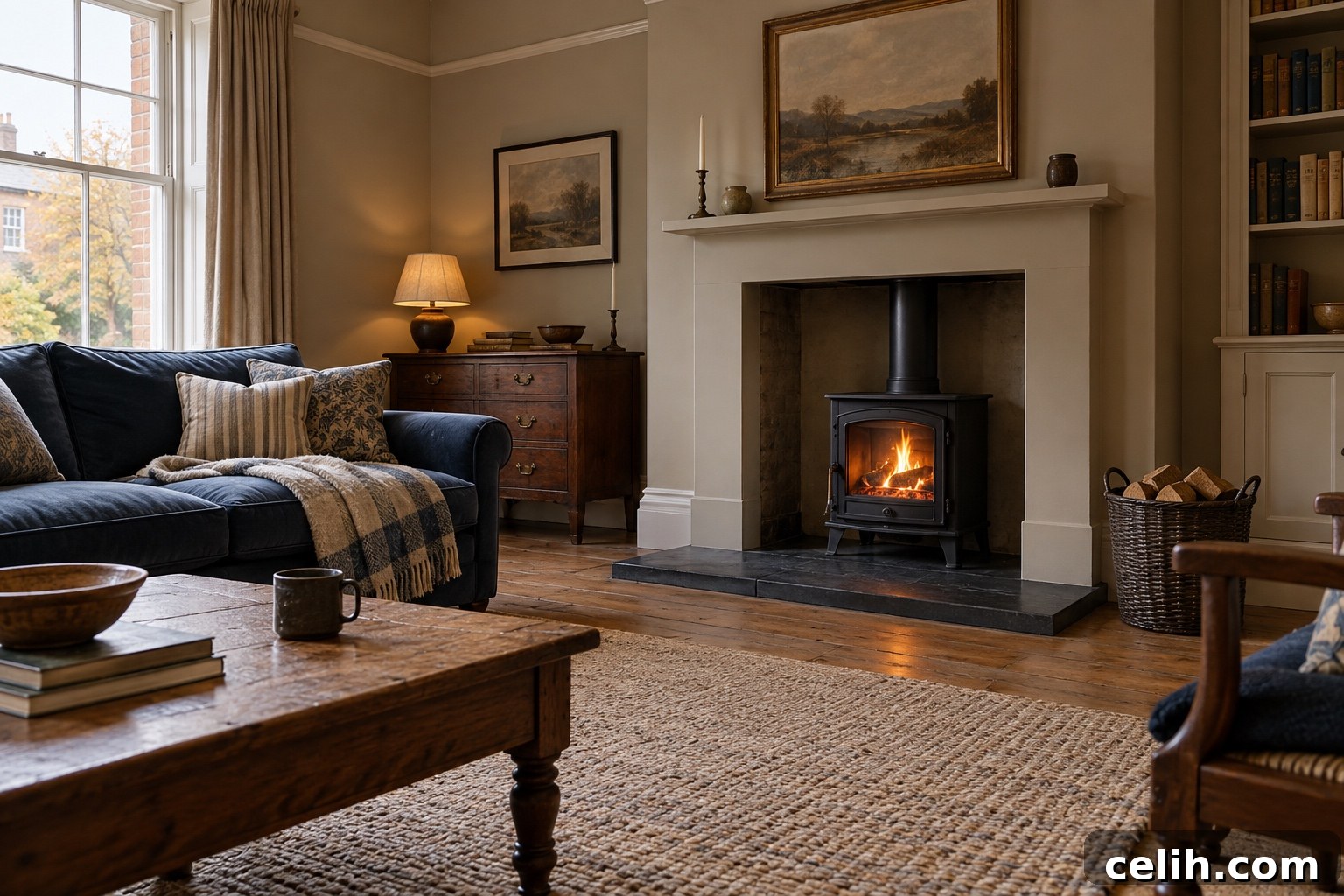
Match the fireplace style to your home. In Georgian or Victorian houses, a period-appropriate surround—whether simple or ornate—feels authentic. In contemporary interiors, a clean-lined stove or a minimalist stone surround keeps the look calm and modern. In eclectic homes, a classical fireplace can provide an attractive counterpoint to modern furnishings.
Remember the hearth and surrounding wall too: the mantel, alcove shelving and a log store all contribute to the overall aesthetic because the fireplace naturally draws the eye.
The practical bits before installation
Plan for these practical requirements before installation:
• Installation and paperwork. Solid fuel appliances must meet building regulations, including correct flue specifications and a suitable hearth. A HETAS-registered installer can certify the work; otherwise you’ll need to notify building control.
• Carbon monoxide alarm. In England, a carbon monoxide alarm is legally required in the room with a newly installed solid fuel appliance; it’s sensible to install one everywhere for safety.
• Chimney maintenance. Have your chimney swept before first use and at least annually thereafter to reduce soot and creosote build-up.
• Fuel quality. Burn seasoned wood with a moisture content of 20% or below. Look for certified “ready to burn” logs or other trusted markings to ensure the wood is dry. Wet timber produces more smoke, less heat and greater soot accumulation.
The first fire of the season
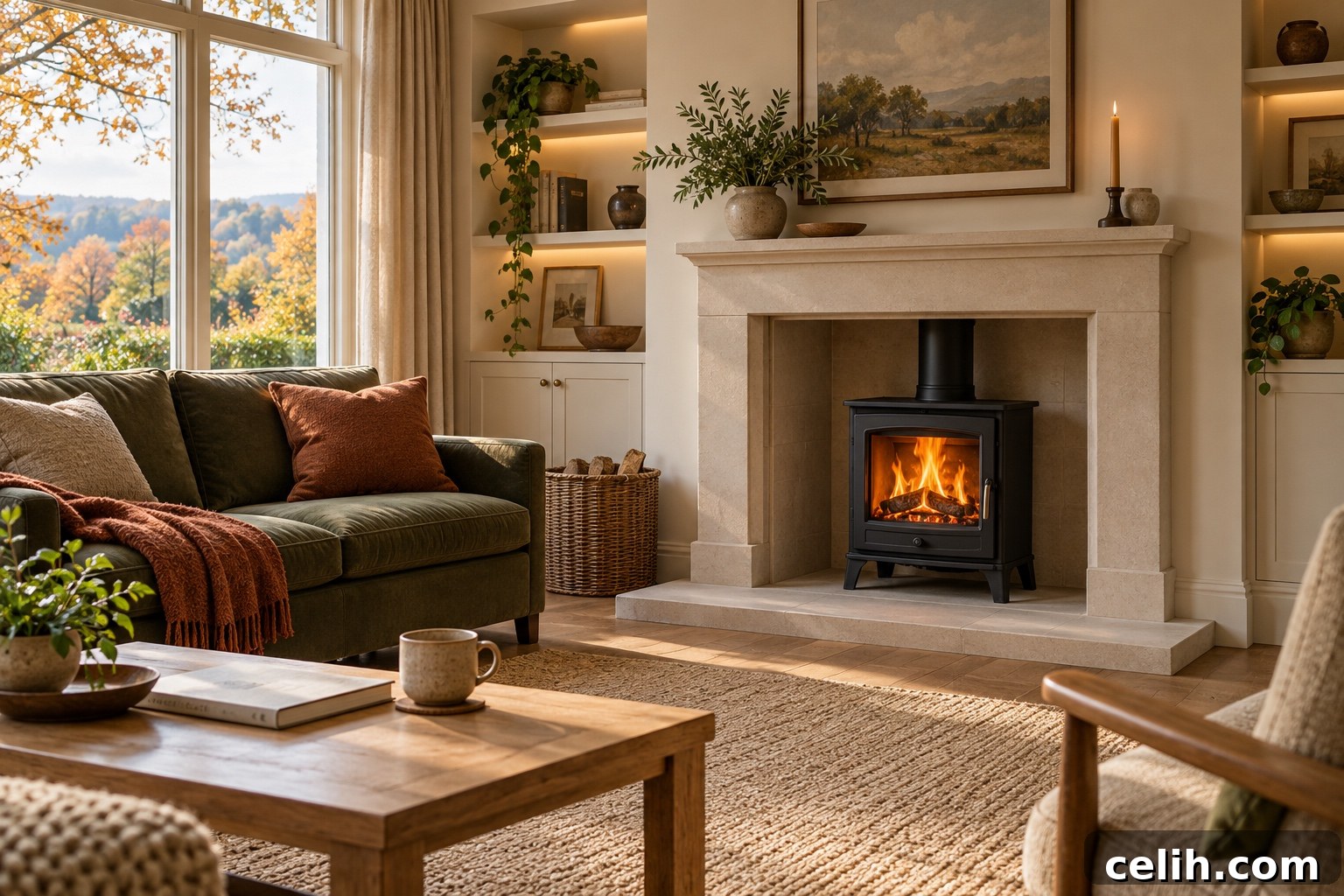
When the stove is installed, the first proper fire of the season is worth anticipating. Light it gently and aim for a hot, clean burn rather than overfilling the firebox. Give the fire enough air to burn efficiently and let the room settle into the warmth.
Follow the right order—check local regulations first, decide how you’ll use the fire, size it correctly, then choose a style that suits your home—and you’ll end up with a fireplace or stove that looks right, heats effectively and stays compliant for years to come.