

Most Houston homeowners don’t spend much time thinking about their attic. Out of sight, out of mind. But Houston’s heat, humidity, and frequent storms mean an unattended attic can quietly become one of the most expensive areas in your home.
If you’ve lived in your house for a few years, you’ve probably wondered what’s happening up there. Below are four common problems found in neglected Houston attics that deserve attention before they turn into major repairs.
1. Mold Growth Driven by Houston’s Humidity

Houston’s climate is the primary threat to attic health. With more than 50 inches of annual rainfall in many areas and extended periods where relative humidity stays above 70%, attics absorb a lot of moisture.
Mold isn’t limited to kitchens or bathrooms; it readily colonizes attic insulation, rafters, and sheathing when conditions are right. A small roof leak, blocked soffit vent, or poor ventilation is often all it takes to start growth. Because attics are infrequently inspected, mold can spread for months or years before it’s noticed.
By the time mold is visible from an access hatch, contamination typically covers several square feet. Remediation then requires removing and replacing contaminated insulation, treating wood framing, and correcting the underlying moisture source—costs that greatly exceed those of routine inspections.
Professional remediation teams use HEPA vacuums and targeted treatments to remove mold without releasing spores into living areas. In a city where air quality can already be a concern, using proper containment and cleanup methods matters for both health and long-term results.
2. Deteriorated or Compromised Insulation
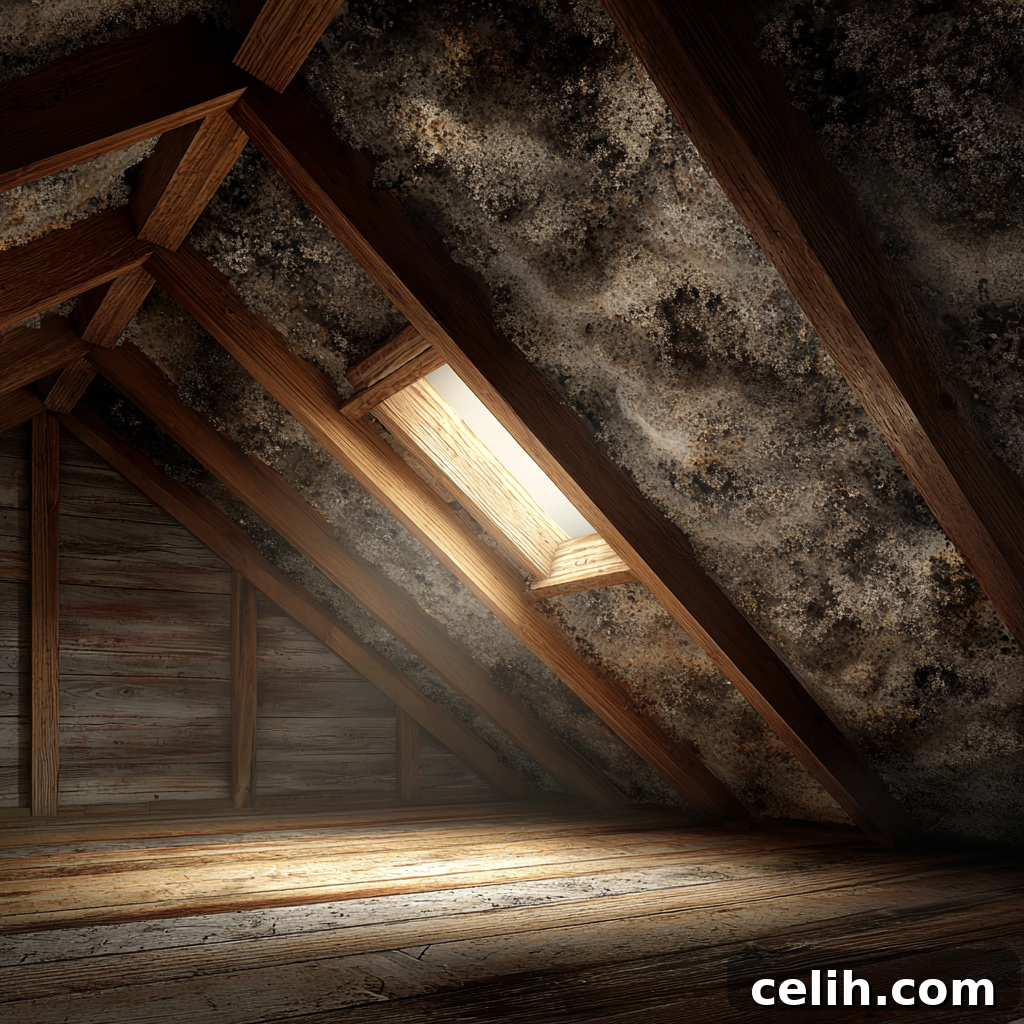
Attic insulation in Houston faces extreme stress. Summer attic temperatures commonly exceed 140°F, and repeated thermal cycling degrades older insulation—especially improperly installed fiberglass batts or blown-in cellulose.
Pest activity worsens the problem: rodents compress and contaminate insulation with nesting and droppings, lowering its effective R-value. When insulation no longer performs as intended, your HVAC has to run longer and harder to maintain comfort, which shows up as higher energy bills.
Watch for signs like uneven temperatures across rooms, a persistently hot second floor, or rising utility costs without other clear causes. Replacing degraded insulation with properly rated materials, correctly installed and sealed around attic penetrations, restores performance and reduces energy use.
3. Pest Infestations and Resulting Damage
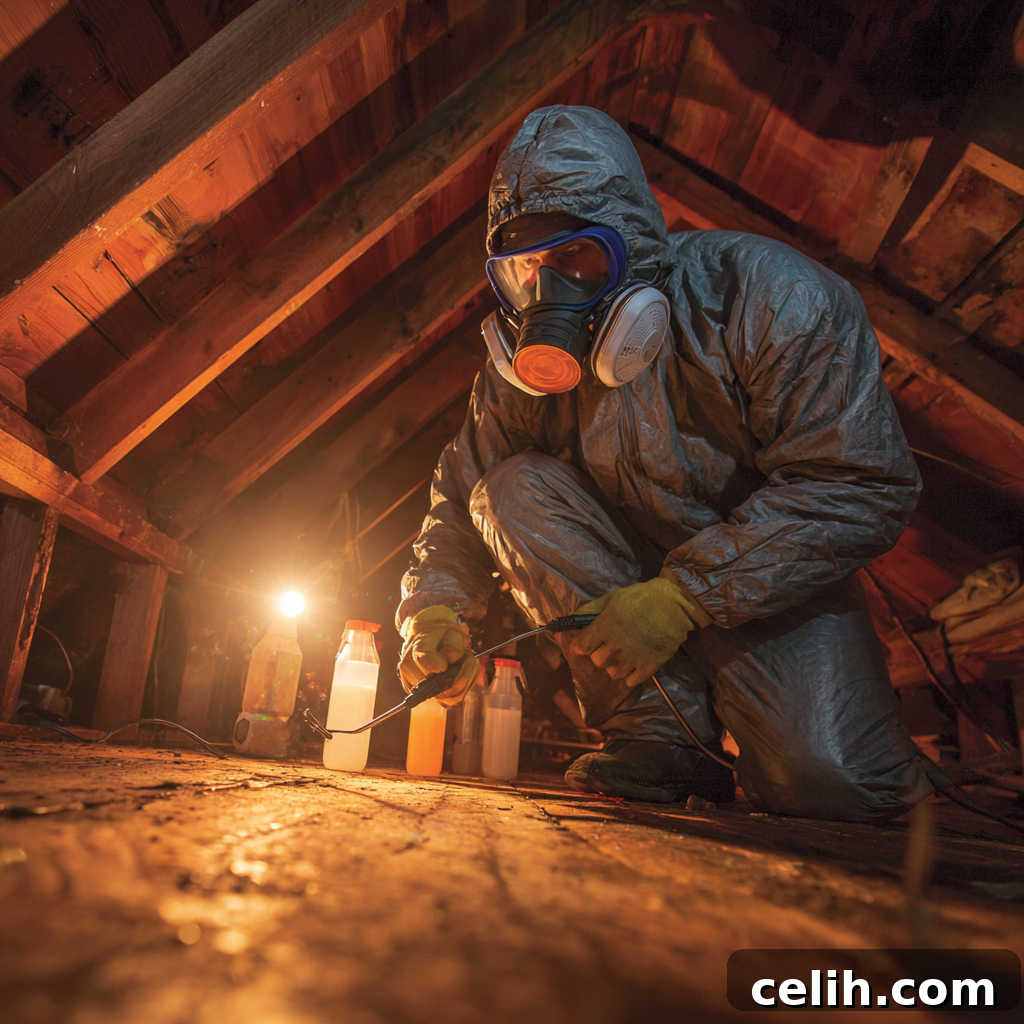
Rats, mice, squirrels, and roof rats are common in the Houston area. Attics offer a warm, sheltered environment that’s rarely disturbed. Small gaps at soffits or around pipes provide easy entry.
Damage goes beyond nesting in insulation. Rodents chew electrical wiring, creating fire hazards, gnaw on wood framing and ducts, and contaminate materials with droppings and urine. Dried rodent droppings can carry pathogens that become airborne during cleanup, posing health risks.
Pest problems escalate quickly: a few animals can become dozens within a year. By the time you hear noises at night, contamination and structural damage are often significant. Proper cleanup after an infestation includes removing contaminated insulation, sanitizing the attic, and sealing entry points—simply trapping animals without cleaning leaves hazards behind.
4. Poor Ventilation and Excess Heat Buildup
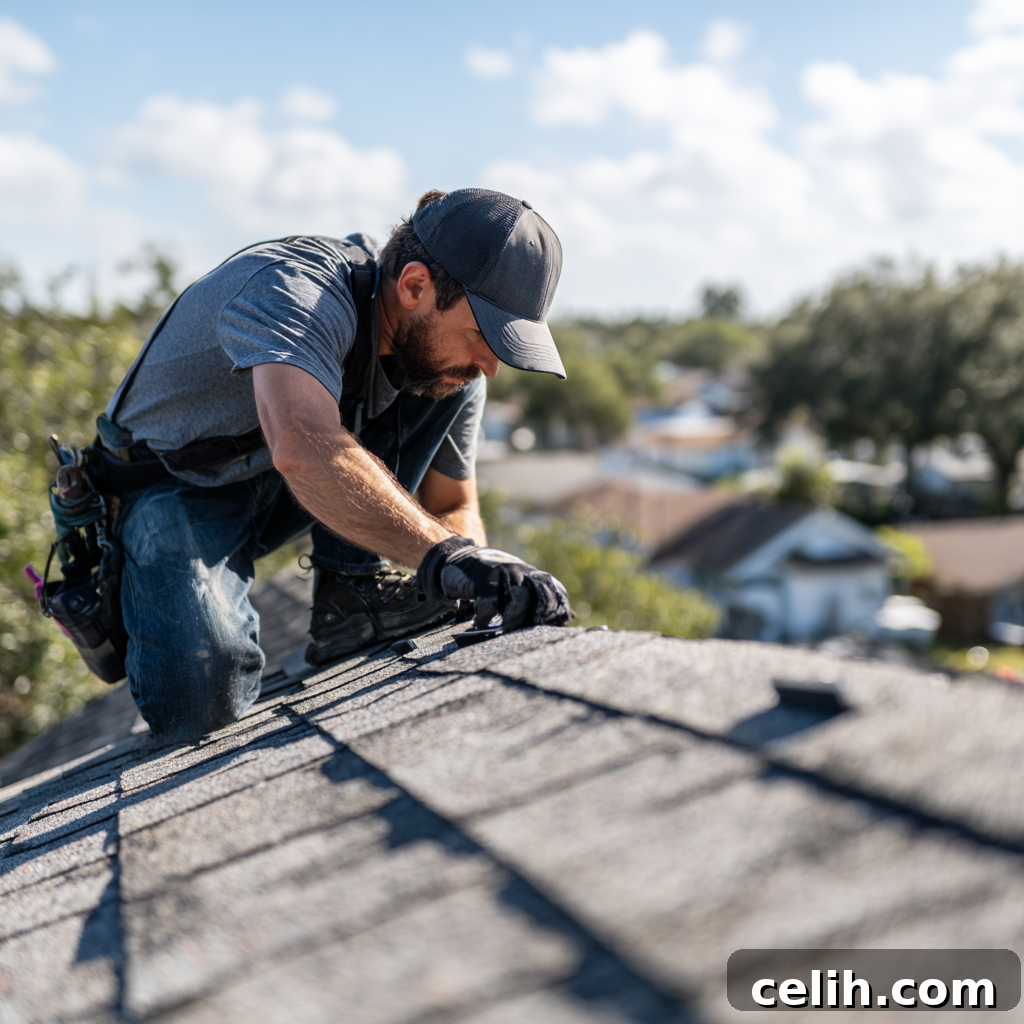
A properly ventilated attic moves air from soffit intakes at the eaves up through ridge or other exhaust vents at the peak. This airflow keeps temperatures in check and helps prevent moisture accumulation. Neglected Houston attics commonly suffer ventilation issues—soffit vents blocked by insulation, missing or damaged ridge vents, or intake paths obstructed by debris.
Poor ventilation leads to two major problems. First, trapped heat accelerates deterioration of insulation and roofing materials; excessive attic heat can significantly shorten shingle lifespan. Second, inadequate airflow allows moisture to linger, creating ideal conditions for mold growth.
In Houston, ventilation and moisture problems are closely linked and must be addressed together. A thorough inspection evaluates both airflow patterns and moisture levels before recommending repairs. If your upstairs rooms feel hotter than they should or your energy bills are rising, attic ventilation is a likely culprit.
Conclusion
Mold, failing insulation, pest damage, and poor ventilation are the four most common issues in neglected Houston attics—and they rarely occur in isolation. Each problem tends to worsen the others: blocked vents promote mold; pests destroy insulation that helps control moisture; excess heat speeds material breakdown.
The good news is these problems are fixable. A certified attic inspection by an experienced, licensed team will identify the root causes and outline the repairs needed before issues become costly. Don’t wait for a musty smell or a ceiling stain to tell you something is wrong—regular inspections and proactive maintenance protect both your home and your budget.