
Almost every home has that one challenging space – a room that seems to exist outside the comfortable climate zone of the rest of the house. From the biting cold of winter to the oppressive heat of summer, it’s a constant battle against extreme temperatures, often rendering the space unusable for large parts of the year. Standard central heating systems, designed for well-insulated, conventional rooms with modest windows, simply aren’t equipped to handle these unique ‘microclimates’. They struggle with the demands of a glass-roofed conservatory, an uninsulated garage, or a loft conversion nestled directly beneath the roof tiles.
These problematic areas require a bespoke approach, treating them as distinct climate challenges rather than attempting to force them into a one-size-fits-all solution. Fortunately, modern portable heaters, powerful dehumidifiers, efficient fans, and advanced air conditioners have undergone significant technological advancements in recent years. When strategically selected and correctly matched to the specific characteristics of the space, these appliances can dramatically transform a previously uncomfortable room into one of the most versatile and enjoyable areas of your home, all year round. This comprehensive guide will dissect the common issues faced by these unique spaces and provide practical, effective solutions, empowering you to take complete control of your home’s climate.
Understanding Your Home’s Microclimates: Why Some Spaces Behave Differently
The core issue with these outlier rooms stems from the fundamental design principles of central heating systems. These systems are typically engineered with a set of assumptions: interior walls featuring cavity insulation, windows that are double-glazed and of a fairly standard size, and rooms that reside firmly within the insulated thermal envelope of the main house. When any of these crucial variables deviate significantly – as they invariably do with a conservatory, a converted garage, a loft, or a detached garden office – the efficiency and effectiveness of a standard heating system plummet.
The problem is almost always multifaceted, manifesting in a two-directional struggle against temperature extremes. In the colder months, heat loss occurs at an accelerated rate, far faster than a conventional radiator can replenish it. This rapid escape is primarily through thermally inefficient materials like large expanses of glass, uninsulated brickwork, thin roof structures, or even subtle gaps around ill-fitting doors and windows. Conversely, during the warmer months, these same poorly insulated or highly glazed structures become adept at absorbing and trapping solar heat, creating a greenhouse effect rather than allowing heat to dissipate naturally. The inevitable outcome is a space that swings between uncomfortable extremes, making it difficult to maintain a pleasant environment. The most effective solution lies in accurately diagnosing the specific thermal factors driving the problem and then applying targeted interventions.
The Conservatory: A Battle Against Glass and Light
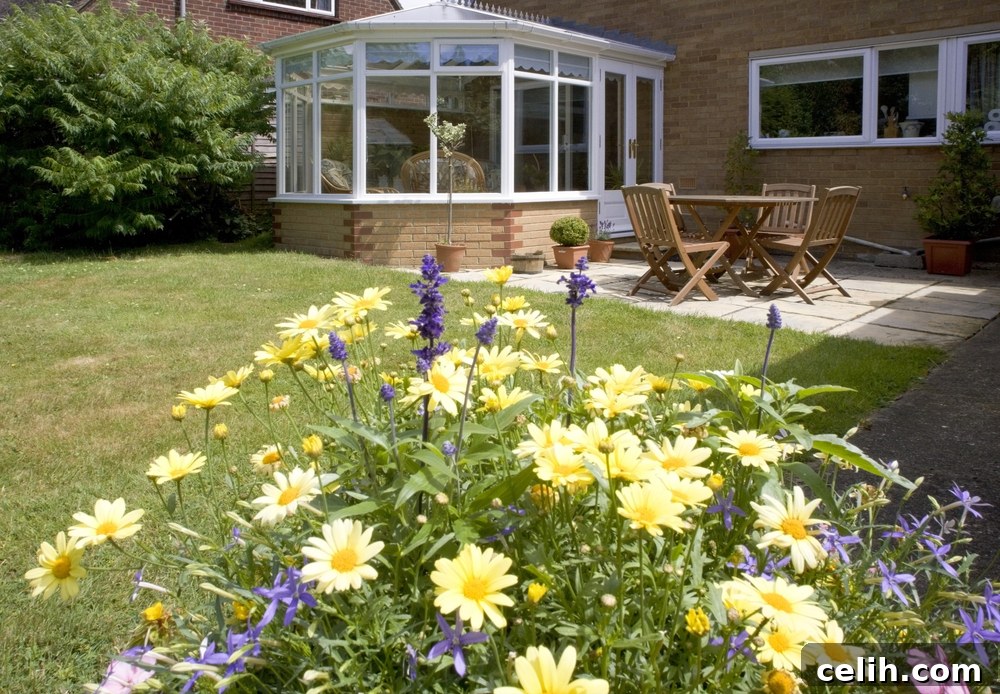
The conservatory often epitomizes the challenge of managing interior climate. Historically, many conservatories were constructed with polycarbonate or single-glazed roofs and either single or lightly double-glazed vertical panels. While masterfully designed to maximize natural light – a goal they undeniably achieve – this focus on transparency comes with a significant thermal trade-off. Glass and polycarbonate are materials with inherently low thermal efficiency. In winter, they act as rapid conductors of cold, allowing warmth to escape almost as quickly as light enters. Conversely, in summer, they become highly effective at trapping the sun’s heat, turning the space into an uncomfortable greenhouse.
Seasonal Challenges and Solutions for Conservatories
Conservatories, particularly those facing south or west, are exceptionally vulnerable to overheating due to prolonged direct sunlight exposure throughout the day. Without proactive measures, internal temperatures can quickly soar to unmanageable levels. While a significant, long-term structural solution involves upgrading the roof – either to advanced thermally efficient glazing or a solid, insulated roof system (which can reduce heat loss by up to 80%) – this represents a substantial investment and may not be the immediate starting point for everyone.
Summer Cooling Strategies for Conservatories
For immediate relief in summer, begin with effective shading. High-quality thermal blinds are crucial; they significantly reduce solar gain, making the conservatory feel several degrees cooler and protecting furnishings from UV damage. External shading solutions, such as awnings or external blinds, are even more effective at blocking heat before it enters the space. For active cooling during the hottest days, a robust portable air conditioning unit with a proper window venting kit is indispensable. Ensure the unit’s BTU rating is appropriate for the conservatory’s size to achieve optimal cooling. Beyond active cooling, good airflow is paramount. Ceiling fans or strategically placed pedestal fans help circulate air, prevent pockets of stagnant, stuffy heat, and create a refreshing breeze.
Winter Heating and Humidity Control in Conservatories
In winter, traditional convection heating struggles in conservatories because warm air rises and escapes rapidly through the extensive glass surfaces. Infrared heaters offer a more efficient solution for conservatories; they work by directly warming people and objects within the space, rather than just heating the air, meaning the warmth isn’t immediately lost to the outside. Oil-filled radiators are another viable option: while slower to reach their peak temperature, their thermal mass allows them to radiate heat for a considerable period after being switched off, offering sustained warmth. Damp and condensation are also prevalent issues in conservatories, primarily due to poor ventilation and the interaction of warm, moist indoor air with cold glass surfaces. Over time, this can lead to mould growth and an uncomfortable environment. A powerful dehumidifier directly addresses this problem, managing moisture levels, improving air quality, and making the space feel perceptibly warmer and more comfortable by reducing humidity.
The Garage: From Car Park to Climate-Controlled Haven
The humble garage has evolved significantly from its original purpose of housing vehicles and garden equipment. Today, it frequently transforms into highly functional extensions of the home, serving as a dynamic home gym, a dedicated workshop, a sound-treated recording studio, or a quiet remote working space. However, the fundamental challenge remains: very few garages were originally designed with human habitation or comfort in mind. Characteristically, their walls are uninsulated, floors are bare concrete slabs, and the expansive roller or up-and-over door – often the largest single surface in the room – stands as a massive conduit for heat loss in winter and heat gain in summer.
Foundation First: Insulating Your Garage
Before investing in any sophisticated climate control equipment, addressing the foundational structural elements is paramount. Implementing insulation boards on the inner face of the garage walls can make a profound difference in how quickly the space heats up and, crucially, how long it retains that heat. Consider rigid foam insulation panels or fiberglass batts, carefully sealing all gaps to prevent thermal bridging. Upgrading to a garage door with a superior U-value (where a lower number indicates better thermal performance) is another high-impact improvement, dramatically reducing heat transfer through what is often the largest uninsulated surface. On the floor, laying rubber matting or interlocking foam tiles not only provides a softer, more comfortable surface but also acts as a vital thermal barrier between occupants and the often icy-cold concrete slab beneath.
Heating and Cooling Solutions for Garages
For heating, electric fan heaters are a popular choice in garages due to their ability to quickly warm the air and their inherent portability. However, for extended periods of use, more energy-efficient options are available. Oil-filled radiators, though slower to heat, provide a consistent, radiant warmth that is more economical for longer durations. For truly comprehensive climate control, a ductless mini-split system offers both efficient heating and cooling, ideal for a converted garage used year-round. In summer, particularly in a home gym setting where body heat adds to the ambient temperature, a powerful portable fan or a compact, energy-efficient air conditioning unit becomes a necessity. Proper ventilation, such as an exhaust fan, can also help mitigate heat buildup.
Combating Damp and Moisture in Garages
Condensation and damp are pervasive issues in garages, especially those used for storage, housing machinery, or with limited ventilation. These conditions can lead to mould, musty odours, and damage to stored items or equipment. A robust dehumidifier is critical for maintaining healthy moisture levels, protecting both the structural integrity of the room and its contents, and making the space feel significantly more comfortable by reducing the oppressive dampness. Ensuring proper sealing around doors and windows also plays a vital role in preventing moisture ingress.
Lofts, Basements, and Garden Rooms: Beyond the Main Thermal Envelope
Converted spaces like lofts, basements, and garden rooms exhibit enormous variation in their construction and design, yet they share one defining characteristic: they exist outside the primary thermal and mechanical reach of the main house. Whether it’s a cozy loft bedroom, a subterranean basement study, or a detached garden office, each presents its own distinct set of climate control challenges that central heating systems are ill-equipped to handle.
Loft Conversions: Battling Heat from Above and Below
Loft conversions, perched at the very top of the house, face a dual challenge. They absorb heat rising from the floors below, creating a warm thermal updraft. Simultaneously, during warmer months, the roof structure absorbs intense solar radiation all day, slowly releasing this trapped heat throughout the evening, turning the loft into an oven. Effective roof insulation during the conversion process is absolutely essential. For existing, underperforming lofts, ceiling fans can be highly effective at circulating the warm air that naturally pools near the apex, breaking up stratification and creating a more even temperature. During heatwaves, portable air conditioning units provide active and targeted cooling. Humidity can also be a significant issue in loft spaces, particularly in summer. The ideal indoor humidity range is generally 40–60%; consistently exceeding this creates prime conditions for condensation, mould growth, and a stuffy atmosphere. A well-sized dehumidifier can rectify this, improving air quality and comfort.
Basement Conversions: The Subterranean Climate Challenge
Basement conversions present almost the opposite problem to lofts. Being primarily below ground, they inherently stay cool year-round – an undeniable advantage in summer, but a significant challenge in winter. Natural ventilation is often severely limited, making mechanical ventilation systems (such as exhaust fans or heat recovery ventilators) crucial for fresh air exchange and preventing stale air. The risk of damp, high humidity, and mould is typically higher in basements than in any above-ground room due to their proximity to the earth and potential for water ingress. Dehumidification often stands as the single most important tool in a basement environment. Effectively managing moisture levels not only keeps the space feeling warmer and more pleasant but also drastically reduces the risk of mould and protects the structural fabric of the room and its contents. For active heating, electric panel heaters or underfloor heating systems are popular choices, as both distribute warmth evenly without occupying valuable floor space.
Garden Rooms and Outbuildings: Independent Climate Control
Garden rooms and other detached outbuildings introduce yet another unique scenario: their physical separation from the main house means they are entirely off the central heating circuit. While well-constructed modern garden rooms typically come with decent insulation as standard, they still require their own dedicated climate control solutions to be comfortable year-round. Electric convection heaters or wall-mounted panel heaters work effectively for smaller spaces, offering quick heat and the convenience of smart thermostat control. This allows for pre-warming the room before you even step inside, making it instantly inviting. For ultimate dual-season comfort and energy efficiency, an air conditioning unit equipped with a heat pump function is an excellent investment, providing both powerful cooling in summer and efficient heating in winter from a single appliance.
Choosing the Right Solution: Tailoring Technology to Your Needs
With an increasingly diverse array of climate control products on the market, the key to success lies not in simply buying the first plausible option, but in precisely matching the solution to the actual problem and the specific characteristics of your space. Understanding the nuances of each appliance type is crucial for effective climate management.
Air Conditioners vs. Air Coolers: A Critical Distinction
One of the most common areas of confusion is whether to purchase an air conditioner or an air cooler. The distinction is critical for managing hot spaces. Air coolers operate by blowing air over water or ice packs, producing a localized evaporative cooling effect. They do not require any external venting and are highly portable, but it’s important to understand that they do not actually lower the ambient room temperature; they provide personal relief in a specific spot. Conversely, air conditioners genuinely cool the entire room by actively extracting heat from the air and expelling it outside through an exhaust hose. This requires access to a window or an external vent, but portable air conditioners are the only appliance type that will meaningfully and sustainably lower the temperature of an entire space on a hot day. Always consider the BTU (British Thermal Unit) rating of an air conditioner, ensuring it’s appropriate for the room size to achieve efficient cooling.
The Unsung Hero: Dehumidifiers and Their Impact on Comfort
It’s easy to underestimate the profound impact humidity has on perceived temperature and overall comfort. A room with high humidity invariably feels colder and clammy than the thermometer suggests in winter, and far more oppressive and stifling in summer. A high-quality dehumidifier – particularly a desiccant model, which operates effectively even in colder, unheated spaces like garages or basements – often makes a more significant practical difference to comfort than additional heating or cooling alone. By reducing the moisture content in the air, a dehumidifier allows your body’s natural cooling mechanisms (sweating) to work more efficiently, and in winter, it can prevent that bone-chilling dampness, making the existing heat feel more effective. Beyond comfort, dehumidifiers play a vital role in preventing mould growth, protecting furnishings, and preserving the structural integrity of your home.
Multi-Function Units and Smart Features
Many modern climate control units are designed for versatility, combining cooling, heating, fan-only, and dehumidification modes into a single appliance. For spaces that demand year-round climate management rather than just seasonal fixes, a 3-in-1 or 4-in-1 unit represents a highly cost-effective and space-saving choice. When selecting an appliance, look for models equipped with smart app control and programmable timers. The ability to pre-cool a conservatory remotely before you sit down to lunch, or pre-warm a garden office before you begin your workday, significantly enhances the livability and usability of these unique spaces. Features like sleep modes, oscillating functions, and various fan speeds also contribute to a more tailored and comfortable environment, ensuring that your challenging rooms truly become integrated and enjoyable parts of your home.
Transforming Challenging Spaces into Livable Rooms
The rooms that central heating systems struggle to manage are far from lost causes. Instead, they simply require a more thoughtful and targeted approach. The secret lies in accurately identifying the precise combination of insulation improvements, effective moisture control, and strategically deployed climate appliances that will render that specific space comfortable and genuinely liveable throughout every season of the year. Begin by addressing the most problematic season in your most challenging room, and build your solutions from there. In the vast majority of cases, a carefully chosen appliance or two – perfectly matched to the unique demands and dimensions of the space – will achieve far greater results than merely cranking up the central heating and hoping for a miracle. By understanding the specific needs of each microclimate within your home, you can unlock the full potential of every square foot, transforming previously neglected areas into highly functional, comfortable, and cherished parts of your living environment.