
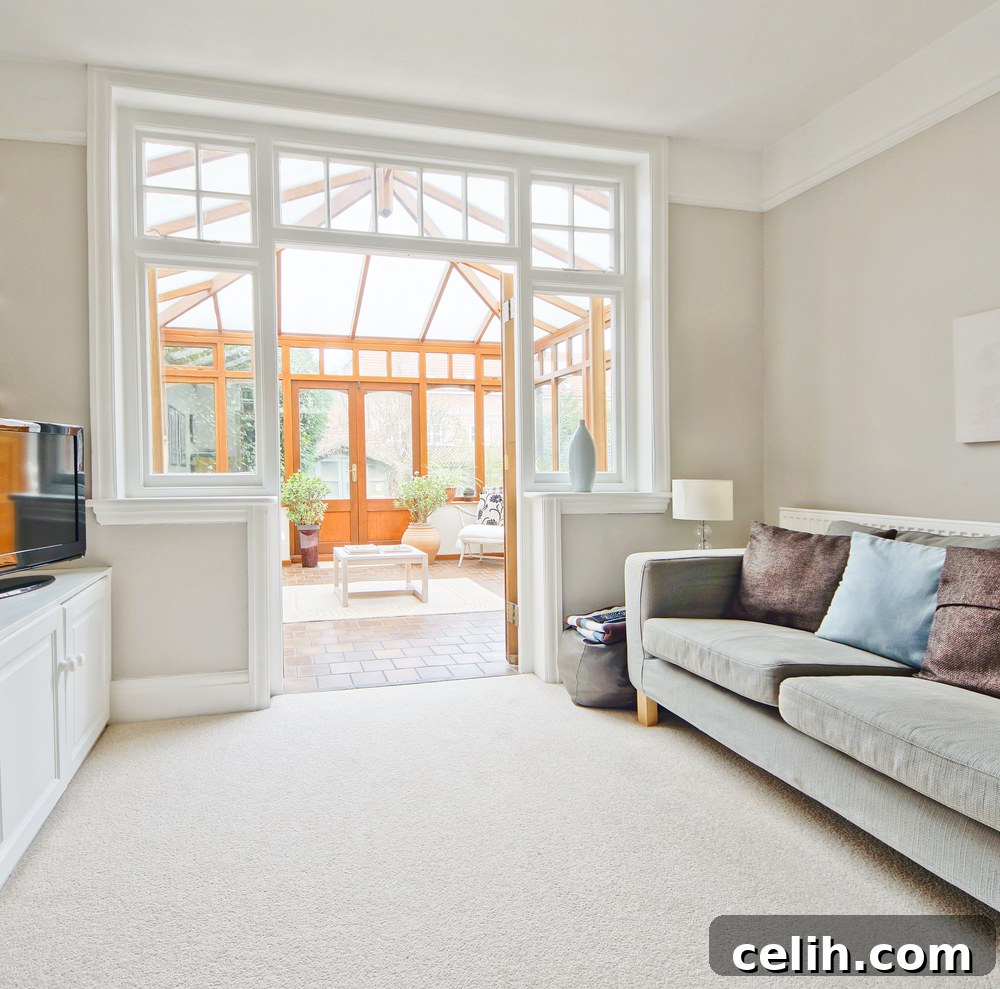
A conservatory serves as much more than just an additional room; it’s a bridge between your indoor living space and the serene beauty of your garden. Offering a unique opportunity to immerse yourself in nature’s embrace without being exposed to the unpredictable elements, a well-designed conservatory can dramatically enhance your home’s appeal and functionality. If you’re contemplating adding this exquisite extension to your property, this comprehensive guide is tailored for you. We’ll delve into the crucial factors to consider, helping you make an informed decision and design a space that perfectly complements your lifestyle and home architecture.
Maximizing Property Value: The Financial Impact of a Conservatory
One of the most compelling reasons to invest in a conservatory is its potential to significantly increase your home’s market value. This is a particularly vital consideration if you envision selling your property in the future. Conservatories are highly sought-after features, making a home more attractive to potential buyers by offering coveted extra living space, often bathed in natural light. While the initial investment for construction and fitting is a key factor, it’s crucial to weigh this against the long-term appreciation it can bring. The return on investment (ROI) can be substantial, especially if the conservatory is built to a high standard, integrates seamlessly with the existing property, and offers year-round usability.
To gain a clear understanding of this potential value increase, consulting with a local estate agent is highly recommended. They can provide a current valuation of your home and offer expert insights into how a conservatory, depending on its size, style, and quality, might enhance its market appeal and price. A well-executed conservatory isn’t just an expense; it’s a strategic home improvement that pays dividends by expanding usable living areas, such as a dining room, lounge, or even a home office, making your property stand out in a competitive real estate market. Remember, a poorly constructed or unsuitably designed conservatory could potentially deter buyers, so quality and thoughtful planning are paramount.
Choosing the Right Materials: Aesthetics, Durability, and Performance
The choice of materials is fundamental to your conservatory’s aesthetic, longevity, and thermal performance. This decision impacts not only the initial cost but also maintenance, energy efficiency, and how well it integrates with your existing home.
- UPVC (Unplasticized Polyvinyl Chloride): By far the most popular and cost-effective option, UPVC offers excellent thermal insulation, requires minimal maintenance, and is incredibly durable. Modern UPVC conservatories come in a vast array of colours and finishes, including wood-grain effects, allowing for versatile design choices that can complement both contemporary and traditional homes. Its inherent strength also contributes to a high level of security, making it a practical and secure choice for many homeowners.
- Hardwood: For those seeking a classic, premium finish, hardwood offers unparalleled elegance and a robust structure. While typically a more significant investment than UPVC, timber conservatories deliver a superior aesthetic appeal and can significantly enhance a property’s value. Hardwood is particularly sympathetic to the architecture of period properties, often being a requirement for listed buildings or homes in conservation areas to maintain historical integrity. Species like oak or cedar offer natural insulation and a beautiful organic feel, though they do require more regular maintenance to protect against weathering.
- Aluminum: A sleek, modern alternative, aluminum frames are incredibly strong, allowing for slimmer sightlines and larger glass panels, maximizing natural light. It’s an excellent choice for contemporary homes or those seeking a minimalist aesthetic. Aluminum is highly durable, corrosion-resistant, and requires very little maintenance. Its frames can be powder-coated in virtually any colour, offering immense design flexibility. Advances in thermal break technology mean modern aluminum conservatories are also very energy- efficient, preventing heat loss.
- Glass Options: Beyond the frames, the type of glazing for your conservatory walls and roof is crucial. Double glazing is standard for insulation, but advancements offer triple glazing, low-emissivity (low-E) glass to reflect heat, self-cleaning glass for convenience, and tinted or solar control glass to manage sun glare and internal temperatures. Your choice of glass will significantly impact the conservatory’s comfort levels throughout the year.
For roofing, corrugated PVC sheets can offer a high-strength, good-value option, helping prevent rain build-up and damage. Materials like these, or advanced polycarbonate systems, are worth exploring for specific needs. Visit ClearAmber Shop to find out more about roofing solutions.
Determining the Ideal Size and Design Style
The footprint and architectural style of your conservatory are paramount to its success. Begin by considering its primary purpose: will it be a vibrant dining area, a tranquil reading nook, a dedicated home office, a children’s play area, or an extension of your living room? The intended use will directly inform the size and internal layout. A social space for entertaining friends and family will naturally require a more expansive design than a quiet retreat for individual relaxation.
Beyond functionality, the aesthetic style plays a crucial role in harmonizing the conservatory with your home. Popular design styles include:
- Victorian: Characterized by ornate detailing, a multi-faceted front, and a steeply pitched roof, ideal for traditional homes.
- Edwardian: Featuring a simpler, rectangular or square floor plan and a high, sloped roof, maximizing internal space and light, suitable for both traditional and modern properties.
- Lean-to: The simplest and often most cost-effective option, with a single-sloped roof, perfect for bungalows or properties with limited space.
- Gable: A grander design with a vertical front panel that extends to the roof apex, creating a spacious, airy feel reminiscent of a house gable.
- P-shape or T-shape: These bespoke designs combine elements of different styles to create larger, multi-functional spaces, ideal for homes with ample garden area.
Ensure the chosen size and style are practical. Consider how furniture will fit, the flow of movement, and whether the space will truly meet your needs without feeling cramped or overwhelming. Adequate ventilation, heating, and cooling systems should also be factored into the design to ensure comfort year-round.
Navigating Garden Space and External Impact
While a conservatory adds interior space, it inevitably consumes exterior garden area. For homes with large gardens, this might be a minor concern. However, if your outdoor space is modest, a significant conservatory could render the remaining garden impractical or visually unbalanced. It’s essential to assess this trade-off carefully, considering how the loss of garden area might affect your lifestyle and the property’s overall appeal. A poorly proportioned conservatory on a small plot could ironically detract from, rather than add to, your home’s value.
Furthermore, consider the potential impact on your neighbors. Positioning a large conservatory too close to boundary lines could lead to issues regarding privacy, light obstruction, or even overshadowing their property. Open communication with your neighbors during the planning phase can help avoid disputes and ensure a smoother construction process. Always check local planning regulations and permitted development rights, as these often dictate how close you can build to boundaries and the overall size limitations.
Strategic Placement: Locating Your Conservatory for Optimal Enjoyment
The location of your conservatory on the house profoundly influences its usability, light exposure, and integration with your home’s interior. While the rear of a property is the most common choice, offering direct access to the garden, don’t overlook the potential of a side or even front-facing conservatory if your property layout and views allow.
Consider the orientation:
- South-facing: Offers maximum sunlight throughout the day, ideal for those seeking warmth and brightness, but requires good ventilation and solar control to prevent overheating in summer.
- North-facing: Provides softer, more consistent light, perfect for artists or those who prefer cooler temperatures, though it may require more heating in winter.
- East-facing: Catches the morning sun, creating a bright and inviting breakfast or dining area.
- West-facing: Enjoys afternoon and evening sun, perfect for unwinding and enjoying sunsets, though it can get hot in late afternoon.
Think about how the conservatory will connect to other rooms. Often, it’s accessed via double doors from a kitchen, living room, or dining room, which can impact the layout and functionality of these adjoining spaces. The goal is to create a seamless flow, making the conservatory feel like a natural extension of your home rather than an add-on. A well-placed conservatory is one of the most effective ways to add extra space and value to your home, so ensure its location enhances daily living rather than creating inconvenience.
The Wellness Benefits of a Sun-Drenched Conservatory
Beyond aesthetics and added space, a conservatory offers significant health and well-being advantages. By maximizing natural light, particularly during colder or darker months, conservatories become fantastic sun traps. This increased exposure to natural light helps boost Vitamin D production, which is crucial for bone health, immune function, and mood regulation. For those suffering from Seasonal Affective Disorder (SAD), a conservatory can provide a much-needed dose of light therapy.
Conservatories also offer a safe, climate-controlled environment to enjoy the outdoors. This is particularly beneficial for elderly family members, allowing them to experience the garden’s beauty without exposure to wind, rain, or extreme temperatures. Similarly, it provides a secure space for young children to play and connect with nature, even on days when outdoor play isn’t feasible. The ability to gaze upon lush greenery and natural landscapes from the comfort of your home is proven to be beneficial for mental health, reducing stress and promoting a sense of calm. Integrating plants into your conservatory further enhances this connection, purifying the air and creating a vibrant, living space.
Energy Efficiency and Climate Control: Ensuring Year-Round Comfort
A common misconception about conservatories is that they are either too hot in summer or too cold in winter. Modern conservatory technology has largely overcome these challenges, making year-round comfort a reality. Achieving this requires careful consideration of energy efficiency and climate control systems:
- Advanced Glazing: As mentioned, low-E glass, solar control glass, and even smart glass that tints automatically can significantly regulate internal temperatures by preventing excessive heat gain in summer and heat loss in winter.
- Roofing Solutions: Beyond traditional glass, modern conservatory roofs often incorporate insulated panels, self-cleaning glass, or even solid tiled roofs that offer superior thermal performance, effectively transforming the space into a true extension.
- Heating: Underfloor heating is a popular choice, providing even warmth without taking up wall space. Radiators, electric heaters, or connecting to your home’s central heating system are other viable options.
- Cooling & Ventilation: Integrated roof vents (manual or automatic), ample opening windows, and ceiling fans are essential for effective ventilation. Air conditioning units can provide targeted cooling during peak summer heat, ensuring the conservatory remains a comfortable oasis.
- Blinds and Shading: Internal or external blinds, awnings, or specialized conservatory roof blinds can provide crucial shade and privacy, further helping to manage solar gain and glare.
Investing in these elements from the outset will ensure your conservatory is not just beautiful but also a highly functional and comfortable space throughout all seasons, adding genuine value and usability to your home.
Planning Permission and Building Regulations: Legal Considerations
Before any construction begins, it’s crucial to understand the legal and regulatory landscape. In many cases, conservatories fall under “permitted development rights,” meaning they may not require full planning permission, provided they meet specific criteria regarding size, height, and proximity to boundaries. However, these rules can be complex and vary by location and property type.
- Planning Permission: Always check with your local planning authority. If your home is in a conservation area, is a listed building, or if the proposed conservatory exceeds certain dimensions or alters the front of your house, planning permission will almost certainly be required.
- Building Regulations: Even if planning permission isn’t needed, building regulations approval might be. These regulations ensure that the structure is safe, energy-efficient, and meets specific construction standards. Key areas include foundations, structural integrity, insulation, glazing, and electrical installations.
Failing to comply with planning permission or building regulations can lead to costly remedial work, fines, or even the demolition of the structure. Engaging an experienced architect or a reputable conservatory installer who is knowledgeable about local regulations can help navigate this process smoothly.
Choosing Your Installer: The Key to Success
The quality of your conservatory ultimately depends on the expertise of its designers and installers. Selecting a reputable, experienced company is paramount. Look for firms with a strong portfolio of completed projects, positive customer reviews, and relevant industry accreditations. A good installer will guide you through every stage, from initial design concepts and material selection to planning applications and final construction.
Ensure they offer comprehensive warranties on materials and workmanship, providing peace of mind for your investment. Don’t hesitate to ask for references, visit showrooms to see examples of their work, and obtain detailed, itemized quotes to compare options thoroughly. A professional installer will prioritize your vision, offer expert advice, and deliver a conservatory that enhances your home for years to come.