
Maintaining a comfortable and warm home during colder months is a top priority for every homeowner. However, the pursuit of cozy interiors shouldn’t come at the expense of skyrocketing energy bills or frequent, costly furnace repairs. Often, homeowners unknowingly make critical mistakes in operating and maintaining their heating systems, leading to inefficiencies, breakdowns, and significant financial strain. Understanding and avoiding these common errors is key to ensuring your heating system runs efficiently, reliably, and safely for years to come.
From neglecting routine inspections to mismanaging critical components, these oversights can dramatically impact your furnace’s performance and longevity. This comprehensive guide will illuminate the most prevalent furnace repair mistakes homeowners should steer clear of, offering actionable advice to optimize your heating system’s efficiency, reduce energy consumption, and prevent unexpected breakdowns. By adopting a proactive approach and understanding the nuances of your furnace, you can enjoy consistent warmth without the burden of excessive costs or inconvenient service interruptions.
The Critical Error of Skipping Regular Furnace Maintenance
Perhaps the most significant and costly mistake homeowners make is overlooking the importance of routine furnace maintenance. While it might seem like an unnecessary expense when your system appears to be working fine, annual professional servicing is the cornerstone of a reliable, efficient, and long-lasting heating system. Neglecting this crucial step is akin to skipping oil changes for your car; minor, undetected issues will inevitably worsen, leading to severe problems and eventual system failure.
Why Annual Maintenance is Non-Negotiable
Professional furnace maintenance offers a multitude of benefits that far outweigh its cost. Firstly, it dramatically improves your heating system’s efficiency. During a tune-up, technicians clean vital components, calibrate settings, and ensure everything is running optimally, which directly translates to lower energy consumption and reduced utility bills. An efficient furnace doesn’t have to work as hard to heat your home, saving you money in the long run.
Secondly, regular maintenance significantly extends the lifespan of your furnace. By addressing small issues before they escalate, preventative care reduces wear and tear on critical components. This proactive approach helps avoid premature breakdowns and the need for costly system replacements. A well-maintained furnace can last years longer than one that is neglected.
Safety, Reliability, and Warranty Protection
Beyond efficiency and longevity, annual furnace checks are paramount for safety. Technicians inspect for potential hazards such as gas leaks, carbon monoxide emissions, and faulty electrical connections. Carbon monoxide, a silent killer, is odorless and colorless, making professional detection absolutely vital for your family’s safety. Ensuring your furnace is operating safely provides invaluable peace of mind during the heating season.
Moreover, consistent maintenance ensures consistent comfort. A properly serviced furnace is less likely to experience unexpected breakdowns, especially on the coldest days when you need it most. You can rely on your heating system to perform effectively without worrying about sudden outages. Finally, many furnace manufacturers require proof of annual professional maintenance to keep your warranty valid. Skipping tune-ups could void your warranty, leaving you responsible for the full cost of major repairs that would otherwise be covered.
What Professional Maintenance Entails
When you schedule a professional furnace tune-up, a qualified furnace repair Omaha technician will perform a comprehensive series of checks and adjustments. This typically includes:
- Thorough inspection of all components, including the heat exchanger, burners, pilot light or igniter, and blower motor.
- Cleaning of the burners, flame sensor, and blower wheel to remove accumulated dirt and debris.
- Lubrication of all moving parts to prevent friction and wear.
- Checking and tightening electrical connections to ensure safe operation.
- Calibrating the thermostat for accurate temperature readings.
- Inspecting ductwork for leaks that could reduce efficiency.
- Testing for carbon monoxide leaks and checking gas pressure.
These detailed checks allow professionals to identify and rectify minor issues that homeowners might miss, preventing them from escalating into expensive repairs or complete system failure. It’s recommended to schedule furnace maintenance at least once a year, ideally in the fall before the heavy heating season begins, to ensure your HVAC system is ready for the cold and to lower your annual energy bills.
Improper Use of the Thermostat: A Costly Misconception
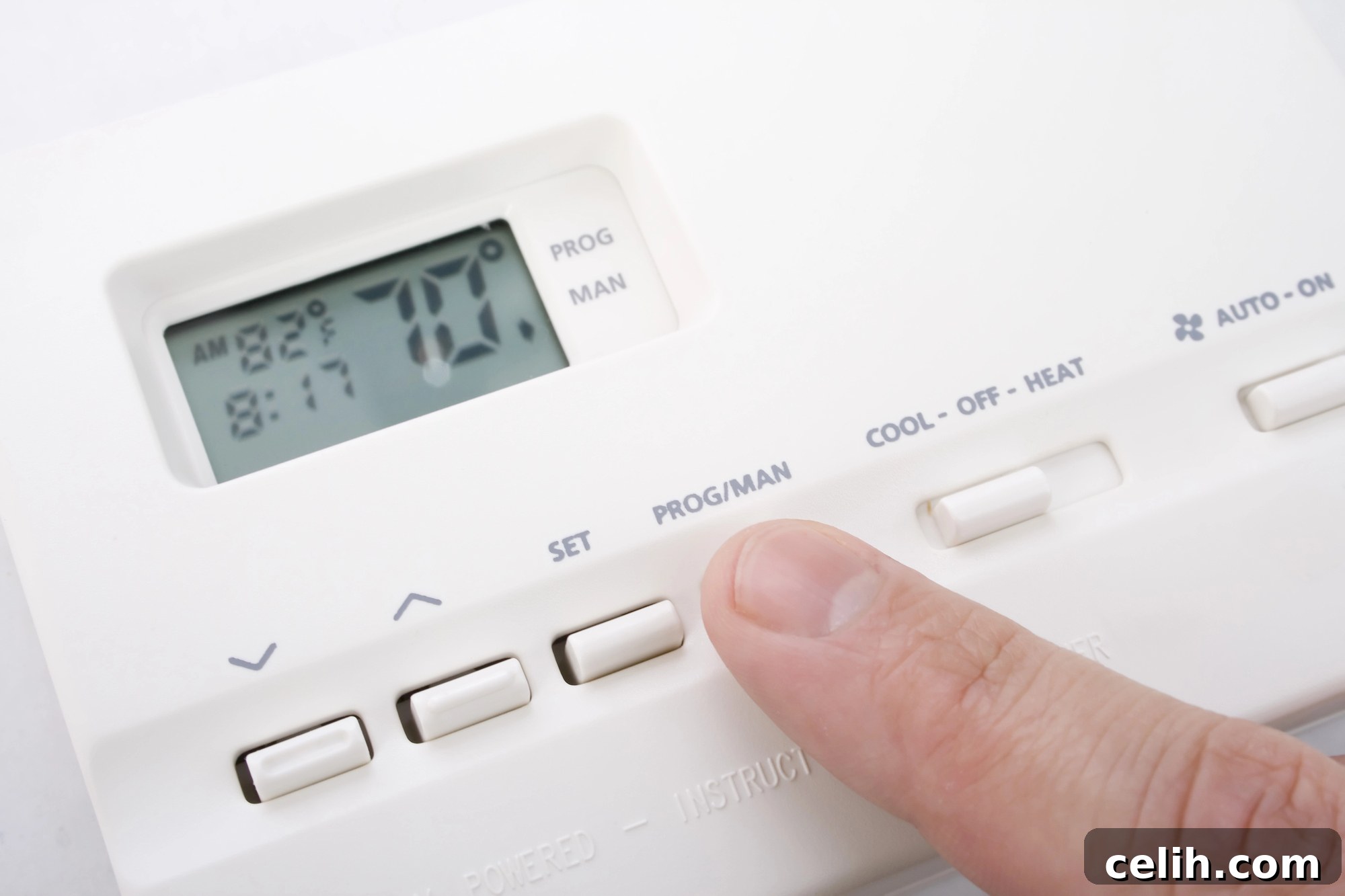
Your thermostat is the brain of your heating system, and how you interact with it significantly impacts your furnace’s performance, durability, and your energy consumption. A common and costly mistake is the belief that cranking up the thermostat to an extremely high temperature will heat your home faster. This is a prevalent misconception that leads to wasted energy and increased wear and tear on your furnace.
Debunking the “Crank It Up” Myth
Furnaces operate at a fixed rate, meaning they generate heat at a consistent speed regardless of how high you set the thermostat. Turning the temperature significantly above your desired comfort level does not make the furnace produce heat more quickly; it simply tells the system to run longer until that (unrealistically high) temperature is reached. This increased stress forces your furnace to work harder and for extended periods, accelerating the wear and tear on its components and driving up your energy bills unnecessarily.
Optimal Thermostat Strategy for Efficiency
Instead of drastic adjustments, the key to efficient thermostat use lies in consistent, moderate settings and strategic programming.
- Maintain a Consistent Temperature: Find a comfortable temperature (generally between 68-72°F during the day) and try to maintain it. Frequent, large adjustments force your furnace to cycle more often, which is less efficient.
- Programmable Thermostats: These devices are excellent tools for energy savings. You can program them to automatically lower the temperature when you’re away from home or asleep (e.g., setting it back by 7-10 degrees Fahrenheit for 8 hours can save approximately 10% on heating costs). This ensures you’re not heating an empty house or overheating when you’re under blankets.
- Smart Thermostats: Taking efficiency a step further, smart thermostats learn your habits and adjust settings automatically. Features like geofencing can detect when you leave or return home, adjusting the temperature accordingly. They often provide energy usage reports, allowing you to fine-tune your settings for maximum savings. Many can be controlled remotely via smartphone apps, offering convenience and control.
- Zoned Heating Systems: For larger homes, a zoned heating system allows you to control the temperature in different areas independently. This means you can heat only the rooms you are using, leading to significant energy savings and personalized comfort.
Considerations for Thermostat Placement and Use
The placement of your thermostat also plays a critical role. Avoid installing it near heat sources like direct sunlight, lamps, or kitchen appliances, as these can trick the thermostat into thinking the room is warmer than it actually is, causing the furnace to cycle off prematurely. Similarly, avoid placing it near drafts, which could cause it to activate unnecessarily. For the best thermostat setting tailored to your local climate and home’s specific needs, consult your furnace repair service team. They can provide expert advice on optimal temperatures and advanced thermostat features to help you heat your home more efficiently and affordably.
The Overlooked Essential: Forgetting to Change Air Filters
Among the most crucial, yet frequently overlooked, components of your furnace is the air filter. This seemingly simple part plays a vital role in both your HVAC system’s health and your home’s indoor air quality. Its primary function is to trap dust, pollen, pet dander, and other airborne particles, preventing them from circulating throughout your home and, more importantly, from entering the delicate internal mechanisms of your furnace.
The Perils of a Clogged Air Filter
When air filters are neglected and not changed regularly, they become saturated with accumulated particles. This buildup creates a thick barrier that severely restricts airflow through the furnace. The consequences of this restricted airflow are far-reaching and detrimental:
- Reduced Efficiency and Higher Energy Bills: A clogged filter forces your furnace’s blower motor to work significantly harder to pull air through the system. This increased strain translates directly into higher energy consumption and, consequently, higher utility bills—potentially increasing them by 5-15%.
- Decreased Indoor Air Quality: When the filter is too clogged to capture new particles, dust, allergens, and other pollutants can bypass it and recirculate into your living space, exacerbating allergies, asthma, and other respiratory issues.
- System Overheating and Damage: Restricted airflow can cause the furnace’s heat exchanger to overheat. Modern furnaces have safety features that will cause the system to shut down to prevent damage, leading to inconsistent heating or complete breakdowns. Persistent overheating can lead to permanent damage to the heat exchanger, a very costly repair.
- Shortened Furnace Lifespan: The constant strain on the blower motor and other components due to insufficient airflow leads to premature wear and tear, significantly shortening your furnace’s operational life.
When and How to Change Your Air Filter
The general recommendation is to check and change your air filter every one to three months. However, this frequency can vary based on several factors:
- Presence of Pets: Homes with pets generate more dander, requiring more frequent filter changes.
- Allergies or Respiratory Conditions: If anyone in your household suffers from allergies or asthma, more frequent changes can significantly improve indoor air quality.
- Number of Occupants: More people in a home generally mean more dust and particles.
- Furnace Usage: During peak heating seasons, when the furnace runs more often, filters will get dirty faster.
- Recent Renovations: Construction or renovation work can release a lot of dust, necessitating immediate filter replacement.
Visually inspect your filter monthly. If it looks dark and clogged, it’s time for a change. When replacing, make sure to note the arrow on the filter frame, which indicates the direction of airflow into your furnace. Always ensure the new filter is correctly inserted with the arrow pointing towards the furnace.
Choosing the Right Filter
Air filters come with a MERV (Minimum Efficiency Reporting Value) rating, indicating their effectiveness at trapping airborne particles.
- Lower MERV (1-4): Basic fiberglass filters, good for furnace protection but offer minimal air quality improvement.
- Mid-Range MERV (5-8): Pleated filters that capture more particles like pollen, dust mites, and mold spores. A good balance for most homes.
- Higher MERV (9-12+): Excellent for air quality, trapping smaller particles like pet dander, smoke, and bacteria. However, higher MERV filters can restrict airflow more, so it’s essential to ensure your HVAC system is designed to handle them without strain. Consult a professional before upgrading to a much higher MERV rating.
While cleaning some types of clogged filters might seem like a way to save money, most disposable filters are designed for single-use replacement. For deep cleaning of permanent filters or professional duct cleaning to ensure optimal airflow throughout your entire system, hiring a local furnace repair professional is advisable. Investing in regular filter changes and professional duct cleaning will significantly improve your indoor air quality, lower your energy bills, and extend the life of your furnace.
Endnote: The Path to a Trouble-Free Heating Season
A well-maintained and efficiently operated furnace is not just a luxury; it’s a necessity for comfort, safety, and financial prudence. By avoiding common pitfalls such as neglecting regular maintenance, mismanaging your thermostat, and forgetting to replace air filters, you can significantly prolong the lifespan of your heating system and dramatically minimize your annual energy costs. These seemingly minor oversights can accumulate into major expenses and inconvenient breakdowns, especially when you need your furnace the most.
Adopting a proactive approach to your home heating involves more than just reacting to problems. It means scheduling annual professional inspections, understanding the optimal use of your thermostat, and consistently replacing your air filters. While some basic checks, like visual filter inspection, can be done by homeowners, the intricate nature of modern HVAC systems necessitates the expertise of qualified professionals for comprehensive diagnostics and repairs. They possess the knowledge and specialized tools to identify hidden warning signs, address complex issues safely, and recommend the best repair or maintenance steps tailored to your specific system.
In conclusion, smart furnace management is an investment that pays dividends in comfort, safety, and savings. Prioritize professional maintenance, educate yourself on efficient thermostat practices, and never underestimate the power of a clean air filter. By working hand-in-hand with certified professionals and implementing these best practices, you can ensure your home remains warm, your energy bills remain manageable, and your heating system operates reliably for many seasons to come, providing the comfort and peace of mind you deserve.