
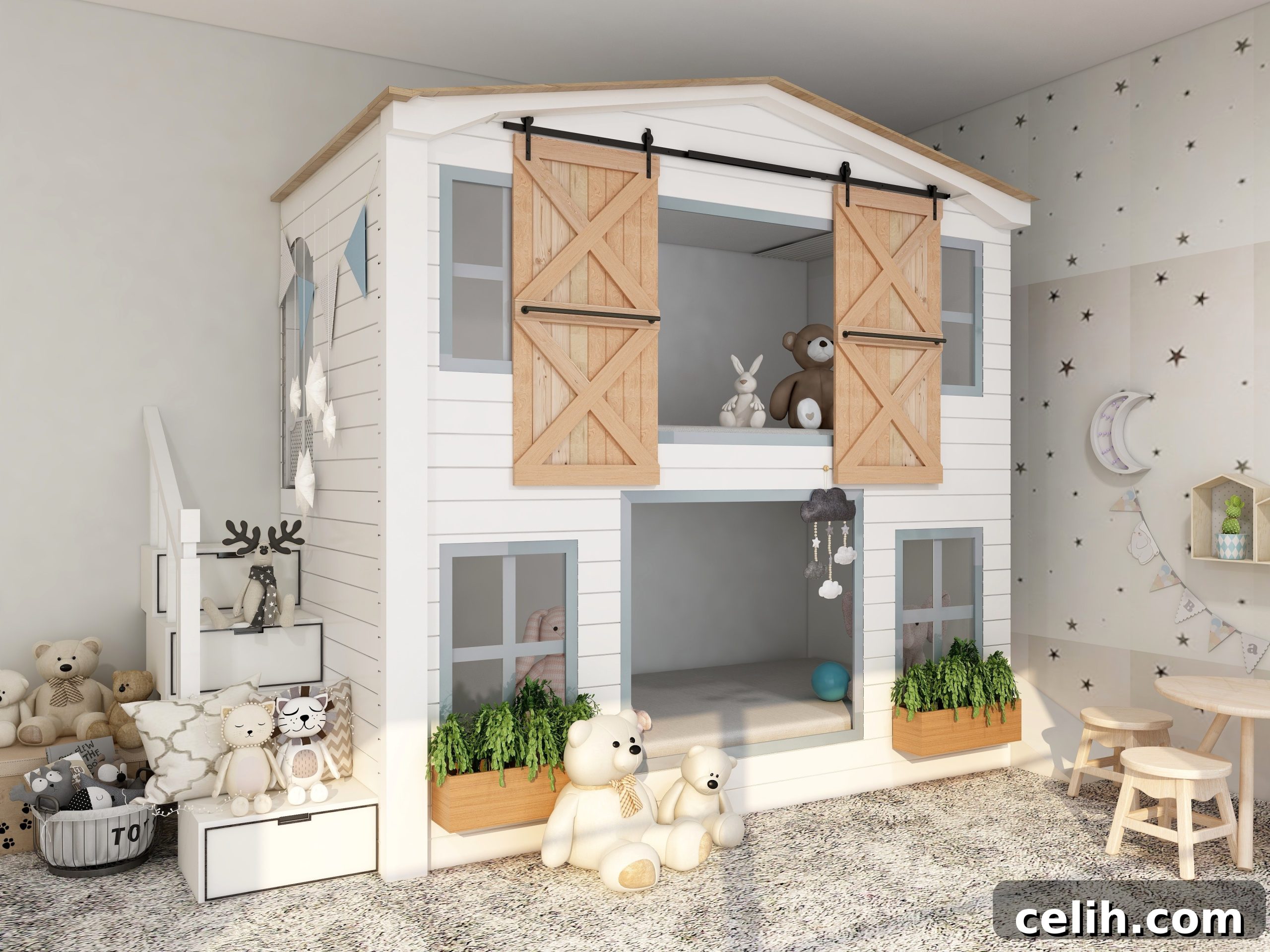
Are you envisioning a vibrant, dynamic space dedicated entirely to your children’s joy and development? Perhaps you have a spare room, an unused corner, or even a dedicated basement area just waiting to be transformed. If you have young children, creating a dedicated playroom isn’t just about managing clutter; it’s about fostering creativity, promoting independence, and providing a safe, stimulating environment where imagination can truly flourish. This isn’t merely a storage unit for toys; it’s a dedicated haven where kids can fully express themselves, learn, explore, and have endless fun! Discover how to design the ultimate children’s playroom with our comprehensive guide, packed with insights and practical tips to help you build the play space of their dreams.
Designing Functional and Engaging Playroom Furniture
The choice of furniture is paramount in any playroom, directly influencing the types of activities your children can engage in and the overall functionality of the space. When selecting pieces, always prioritize safety, durability, and versatility. Consider furniture that is easy to clean, robust enough to withstand energetic play, and ideally, adaptable as your children grow.
Versatile Seating and Activity Zones
For budding artists and crafters, a low table and chairs specifically designed for children are indispensable. These provide a comfortable and ergonomic workspace for drawing, painting, puzzles, and various crafts, encouraging focused activity. Look for sets with rounded edges and non-toxic finishes for maximum safety.
Comfort is key, especially when children need a moment to relax or engage in quiet activities. Bean bags are perennial favorites among kids. Their sensory nature, soft support, and ability to be easily moved make them perfect for lounging, reading, or just chilling out. For shared storytime sessions or a cozy reading nook, a comfortable sofa or a classic rocking chair can add a warm, inviting touch. Consider smaller, child-sized sofas or floor cushions that can be easily rearranged to suit different play scenarios.
Multi-functional furniture is a game-changer in any playroom, helping to maximize space and efficiency. Pieces like colorful interlocking ottomans, similar to those offered by Crown Furniture, can serve as extra seating, footrests, or even building blocks for imaginative play. Storage benches or tables with hidden compartments are also excellent for tucking away toys when not in use.
Smart Storage Solutions: Keeping Clutter at Bay
One of the biggest challenges in a playroom is managing the inevitable influx of toys and art supplies. Effective storage is not just about tidiness; it’s about making toys accessible for children and simplifying cleanup. Plenty of bookshelves are a must-have, as story time and reading never go out of style and are crucial for development. Choose sturdy, open shelves for easy access to picture books and early readers.
Beyond books, consider a variety of storage options. Open cubbies and bins are fantastic for larger toys, blocks, and stuffed animals, allowing children to easily see and retrieve their favorites. Transparent bins can be particularly helpful for smaller items. For art supplies, craft boxes with multiple compartments, rolling carts, or wall-mounted organizers can keep everything neatly separated and within reach. Labeling bins with pictures or words can also help younger children with organization and literacy skills.
For items that don’t need to be out all the time, consider closed cabinets or toy chests with safety hinges to prevent accidental closures. A toy rotation system can also be incredibly effective: keep a selection of toys accessible and rotate them regularly, keeping the playroom fresh and reducing visual clutter.
Inspiring Creativity: Crafting Stations and Engaging Board Games
Once you’ve established a child-friendly table, ensure it’s stocked with an abundance of engaging activities. A dedicated crafting station is a hub for imagination and skill development. Kids revel in arts and crafts of all kinds, often finding the messier options to be the most exciting! Equip this area with a diverse range of supplies: construction paper, washable paints, crayons, markers, glue sticks, safety scissors, pipe cleaners, pom-poms, googly eyes, and of course, glitter for that extra sparkle. Papier-mâché, finger painting, drawing, and collage creation are timeless activities that foster fine motor skills, color recognition, and creative expression. A well-stocked, organized arts and crafts box or cabinet is truly a must-have, making it easy for children to choose their next creative project and learn responsibility by putting supplies away.
For children who prefer structured play, a collection of board games is invaluable. These games offer more than just entertainment; they teach vital skills such as turn-taking, problem-solving, strategic thinking, and good sportsmanship. From classic card games using printed playing cards to timeless favorites like Operation, Chess, Checkers, or more modern family games, there’s a game for every age and interest. While new board games can sometimes be expensive, there’s no need to break the bank. Explore fantastic deals at local charity shops, car boot sales, or online marketplaces like eBay. Just remember to double-check that all pieces are present before purchasing. Curate a collection that includes both competitive and cooperative games to provide a balanced play experience.
Designing the Environment: Walls, Floors, and Lighting
The aesthetic elements of a playroom – the walls, floors, and lighting – play a crucial role in creating an inviting, stimulating, and practical space. These choices impact mood, cleanliness, and overall safety.
Vibrant Walls That Inspire
It’s no secret that children adore vibrant colors! Consider painting the walls in their favorite cheerful hues. Beyond solid colors, you can personalize the space with stenciled artwork depicting their beloved animals, cartoon characters, or even educational motifs. Wall decals offer a temporary and versatile option for adding visual interest. For an interactive twist, consider designating a wall, or a section of it, with chalkboard paint. This allows kids to scribble, draw, and create masterpieces directly on the walls – and for once, it will easily wipe away! Alternatively, magnetic paint or a large whiteboard can turn a wall into a dynamic canvas for letters, numbers, and drawings, fostering early learning in a fun way. Displaying your children’s own artwork proudly on the walls can also boost their confidence and make the space uniquely theirs.
Durable and Easy-to-Clean Flooring
When it comes to playroom flooring, practicality should be your top priority. You’ll most likely prefer an easy-to-clean surface that can withstand spills, crafts, and heavy foot traffic. Skip carpets if possible, as they are prone to staining and more difficult to keep hygienic. Instead, opt for hard-wearing options like linoleum, vinyl, or wood flooring. These materials are not only durable but also incredibly easy to wipe clean after any creative (or accidental) messes.
If your playroom is integrated into a corner of a living room or another shared space, or if you simply desire an extra layer of cushioning and warmth, interlocking closed-cell foam floor tiles or a large, washable play mat are excellent choices. These provide a soft landing for tumbles, absorb sound, and can define the play area. Look for non-toxic, child-safe materials that are easy to maintain and offer good insulation.
Optimizing Playroom Lighting
Effective lighting is essential for any functional space, and a playroom is no exception. Maximize natural light wherever possible, as it’s beneficial for mood and reduces eye strain. Supplement natural light with layered artificial lighting. Ambient lighting (overhead fixtures) should be bright enough to illuminate the entire room. Task lighting (like a desk lamp at the craft table or a reading lamp in a cozy nook) helps children focus on specific activities. Finally, a touch of accent lighting (perhaps fairy lights or a colorful night light) can add warmth and magic. Ensure all light fixtures are securely installed and out of reach of curious hands, and opt for LED bulbs for energy efficiency and reduced heat.
Encouraging Imaginative Play and Role-Playing
Imaginative play is fundamental to a child’s development, fostering social-emotional skills, language development, and problem-solving abilities. A playroom should be a canvas for these rich, self-directed experiences.
The Essential Dress-Up Box and Props
Finally, a dress-up box is a must-have in every child’s playroom! This magical chest is a gateway to countless adventures. Include a varied choice of costumes and clothing: think superhero capes, princess gowns, doctor’s scrubs, firefighter uniforms, animal outfits, or even just oversized adult clothes like shirts, scarves, and hats. Enhance the fun with extra entertaining items like wigs, masks, plastic jewelry, and perhaps even child-safe face paint or play makeup. You don’t have to spend a fortune on elaborate costumes. Most children will be absolutely thrilled with some of your old clothes, fabric scraps, and fun finds from thrift stores or charity shops. It all comes down to imagination – the simpler the prop, the more the child can bring their own narrative to it!
Creating Themed Play Zones
Beyond dress-up, consider creating small, themed play zones to spark different imaginative scenarios. A mini kitchenette with toy food and cooking utensils can encourage role-playing as chefs or restaurateurs. A doctor’s kit, a small workbench with plastic tools, or even a simple puppet theatre can provide endless opportunities for children to act out real-world scenarios, understand different roles, and develop empathy. Large building blocks, LEGO sets, or Magna-Tiles encourage spatial reasoning and construction skills, allowing children to build their own worlds and structures.
A Stage for Budding Performers
If you have the space, creating a small, slightly raised platform can serve as a fantastic stage for performances, puppet shows, or talent displays. This simple addition can transform the room into a vibrant theatre. You could even add a disco ball, a bead curtain, or some fairy lights for added ambiance and theatrical flair. Couple this with an easy-to-use music player, and they will have hours of entertainment, practicing songs, dances, and dramatic plays for an appreciative audience (you!).
Safety, Flexibility, and Personalization in Your Playroom
Prioritizing Child Safety
Safety must always be the cornerstone of your playroom design. Ensure all furniture is sturdy and anchored to the wall to prevent tipping, especially bookshelves and tall storage units. Choose non-toxic paints and finishes for all surfaces and furniture. Cover all electrical outlets with safety plugs and tuck away loose cords to prevent hazards. Ensure there are no sharp corners or edges on furniture that could cause injury; consider child-proofing bumpers where needed. Keep pathways clear of clutter to prevent trips and falls, and ensure windows have safety locks or cord-free blinds.
Designing for Growth and Adaptability
Children grow incredibly fast, and their interests evolve with them. Design your playroom with flexibility in mind. Choose versatile furniture that can be repurposed or adjusted. Storage solutions that can accommodate various types of toys over time are ideal. A neutral base color for walls can allow for easy theme changes through decals or accessories. The goal is to create a space that can seamlessly adapt from toddler play to early school-age activities and beyond, ensuring its longevity and value.
Involving Your Children: The Personal Touch
Finally, remember that this is their space. Involve your children in the design process by letting them choose colors, help organize their toys, or even create artwork for the walls. Giving them ownership of the space will not only make them more excited about it but also encourage them to respect and care for their playroom. Their input ensures the space truly reflects their personalities and interests, making it a beloved haven where countless memories will be made.
Creating the ultimate playroom is a rewarding endeavor that provides children with a dedicated space to learn, grow, and unleash their imaginations. By carefully considering furniture, storage, activities, and the overall environment, you can design a dynamic and engaging area that supports their development for years to come. Happy designing!