
Designing Your Dream Home Office: Boost Productivity, Well-being, and Creativity
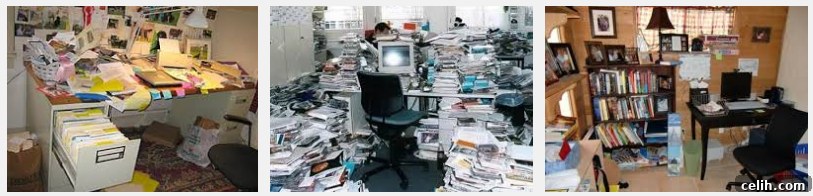
The allure of working from home is undeniable. The flexibility, the commute-free mornings, and the comfort of your own space all contribute to a compelling proposition. However, this idyllic vision often clashes with the reality of a makeshift workspace. Many remote professionals find themselves operating from haphazard setups – a dining room table one day, a repurposed spare bedroom the next, often furnished with a mismatched collection of inherited or discarded items. While a touch of bohemian chic has its charm, a home office that’s merely a collection of leftovers can quickly become a depressing and demotivating environment, actively hindering your productivity and overall well-being.
The daily grind can be challenging enough without adding the burden of a workspace you dread. An office born out of convenience rather than thoughtful design often leads to discomfort, ergonomic issues, and frustrating accessibility problems. It’s not just about aesthetics; it’s about creating an environment that supports your professional goals and nurtures your mental state. Investing time and effort into designing a functional, beautiful, and inspiring home office isn’t a luxury; it’s a strategic move that pays dividends in productivity, job satisfaction, and long-term health.
Laying the Foundation: Strategic Planning for Your Optimal Home Office
Before you hastily throw together another collection of furniture, take a moment to reflect on what truly energizes and inspires you. Consider your working style, your daily tasks, and the specific tools you use. Understanding your core needs is the first step toward crafting a truly effective home office. It can be daunting to know where to begin, so here are some crucial questions to guide your planning process:
- Desk Space vs. Storage Space: What is the ideal proportion of desk surface area for your daily tasks compared to the storage capacity you require for files, equipment, and personal items? Do you need extensive drawer space, open shelving, or a mix of both?
- Optimizing Vertical Space: Can you save valuable floor space by wall-mounting essential equipment like PCs, monitors, and even cables? Effective cable management not only declutters your desk but also enhances safety and aesthetics.
- Visual Aids and Inspiration: Do you thrive with visual reminders, to-do lists, or creative mood boards? If so, dedicating ample wall space for whiteboards, cork boards, or digital displays can be a game-changer for brainstorming and organization.
- Ergonomics: Have you considered the ergonomic implications of your setup? A comfortable, supportive chair and a desk at the correct height are non-negotiable for long-term health and productivity.
- Lighting Requirements: How much natural light does your space receive? What kind of task lighting do you need for detailed work, and what ambient lighting creates a calming atmosphere?
- Technology Integration: Beyond your computer, what other tech do you use? Printers, scanners, charging stations – how will these be integrated seamlessly without creating cable spaghetti?
Resist the urge to make your first stop the nearest generic furniture superstore. While accessible, major retailers often offer limited ranges tailored for mass appeal, potentially leaving you with compromises rather than solutions. Instead, be prepared to explore specialist office furniture shops. These establishments typically boast a much broader selection, including ergonomic designs, modular systems, and innovative accessories specifically designed to maximize space and enhance efficiency. They are also far more likely to have knowledgeable staff who can provide expert advice, help you with space planning, and guide you towards intelligent solutions that truly meet your unique requirements.
The initial investment of time and money in thorough planning and quality furniture will undoubtedly pay for itself many times over. A well-designed office environment will not only make you significantly more productive but also contribute immensely to your happiness and comfort throughout your workday. Think of it not just as furnishing a room, but as investing in your professional success and personal well-being.
Cultivating Your Oasis: Personalization and Aesthetic Appeal
Your home office should be more than just a functional space; it should be an attractive sanctuary where you genuinely want to spend your time. Avoid a purely utilitarian approach. Instead, infuse your personality into the design. Think about the atmosphere that best stimulates your creativity and focus, and makes you feel comfortable and motivated. This is your personal domain, after all, and its aesthetic appeal directly impacts your mood and productivity.
- Ambiance and Color Psychology: Do you prefer the cozy intimacy of dark, book-lined spaces, which might foster concentration and contemplation? Or do you thrive in clean, uncluttered environments with minimalist lines that promote clarity and focus? Consider how different color palettes affect your mood. Do muted, calming colors provide a soothing backdrop during a stressful day, or do invigorating dashes of vibrant color keep your mind stimulated and energized?
- Inspirational Decor: Personalize your space with items that bring you joy and motivation. Are there posters, art prints, or photographs you absolutely love? Don’t hesitate to display them! Have you considered stylish wall stickers for a contemporary touch or a quick way to change the vibe? Regularly refreshing or rotating your decor can keep the space feeling fresh and interesting, preventing visual fatigue.
- Biophilic Design: Incorporate elements of nature. Plants not only add a touch of green beauty but also improve air quality and reduce stress. A small desk plant or a larger floor plant can make a significant difference to the overall feel of the room.
- Lighting Layers: Beyond natural light, consider layering artificial lighting. Task lighting (like a good desk lamp) is essential for focused work, while ambient lighting (a floor lamp or ceiling fixture) sets the overall mood. Dimmer switches can offer flexibility, allowing you to adjust the brightness based on the time of day or your current task.
- Sensory Comfort: Think beyond sight. Consider the textures in your office – a soft rug, a comfortable throw, or tactile desk accessories. Even subtle background sounds, like a gentle nature soundscape or instrumental music, can help some people focus and relax.
Ergonomics: Your Body’s Best Friend in the Home Office
Neglecting ergonomics in your home office is a common mistake that can lead to significant discomfort, pain, and long-term health issues. Investing in ergonomic furniture isn’t an indulgence; it’s a vital investment in your physical well-being and sustained productivity. Proper ergonomics ensure that your body is supported in a neutral posture, minimizing strain and fatigue.
- The Ergonomic Chair: This is arguably the most critical piece of furniture. Look for a chair with adjustable seat height, backrest tilt, lumbar support, and armrests. Ensure your feet can be flat on the floor or on a footrest, and your knees are at roughly a 90-degree angle.
- Adjustable Desk: A standing desk, or at least a desk that allows you to vary your posture throughout the day, can dramatically improve circulation and reduce the risks associated with prolonged sitting. If a standing desk isn’t feasible, consider a desk converter.
- Monitor Placement: Position your monitor directly in front of you, about an arm’s length away. The top of the screen should be at or slightly below eye level, preventing neck strain. Use a monitor arm or stand if needed.
- Keyboard and Mouse: Ensure your keyboard and mouse are close to your body to avoid reaching. Your wrists should remain straight, not bent up or down. Consider an ergonomic keyboard and mouse for added comfort.
- Breaks and Movement: Even with the best ergonomic setup, regular breaks are essential. Stand up, stretch, and move around every 30-60 minutes to keep your body active and blood flowing.
Maximizing Your Space: Creative Solutions for Small Home Offices
Not everyone has a dedicated large room for their home office. For those working with limited square footage, creative space-saving solutions are paramount. A small space doesn’t mean sacrificing functionality or style; it simply requires smarter design choices.
- Vertical Storage is Your Ally: Utilize walls for shelving, cubbies, and pin boards. Floating shelves can hold books and decor without taking up floor space. Wall-mounted organizers keep supplies tidy and within reach.
- Fold-Away and Murphy Desks: For a true multi-functional room, consider desks that fold up against the wall or integrate into a cabinet when not in use. This allows you to reclaim the space for other activities after work hours.
- Corner Desks: Corners are often underutilized. A custom-fit corner desk can provide a surprising amount of workspace while blending seamlessly into the room.
- Multi-Functional Furniture: Look for pieces that serve dual purposes. A console table can double as a desk, or a storage ottoman can provide extra seating and hide away office supplies.
- Closet Conversions: An often-overlooked gem, a spare closet can be transformed into a “cloffice” – a mini-office complete with shelving, a small desk, and task lighting.
- Strategic Layout: Position furniture to avoid blocking natural light or creating awkward pathways. Keep frequently used items within arm’s reach to minimize unnecessary movement.
The Allure of the Garden Office: A Dedicated Sanctuary
For those seeking the ultimate separation between work and home life, a garden office or outdoor shed conversion presents an ideal solution. This dedicated structure, situated away from the main house, offers a tranquil and distraction-free environment that can significantly boost focus and productivity. It creates a psychological boundary, allowing you to “commute” to work each morning and “leave” it behind at the end of the day.
Beyond the mental benefits, a garden office connects you with nature, providing refreshing views and access to fresh air. When planning such a venture, consider factors like insulation for year-round comfort, electricity for power and lighting, and reliable internet connectivity. It’s an investment in a truly independent workspace, often adding significant value to your property while profoundly enhancing your remote work experience.
Dare to Be Different: Injecting Personality and Fun
Ultimately, this is *your* office. It doesn’t have to conform to corporate norms or traditional aesthetics. Dare to be different and have fun with it! Your home office is an extension of your personal brand and creativity. Don’t be afraid to experiment with unconventional themes or integrate aspects of your hobbies and passions into the design.
How about an office bar for evening unwinding or a vibrant, beach-inspired office that transports you to a coastal retreat? Perhaps a gaming-themed office if that’s your passion, or a minimalist zen space if tranquility is your goal. The possibilities are endless. The key is to design a space that not only facilitates your work but also sparks joy and reflects who you are, making every workday a little more enjoyable and inspiring.
Conclusion: Invest in Your Work-from-Home Success
Working from home offers unparalleled freedom, but its success hinges on the quality of your workspace. Moving beyond a haphazard setup to a thoughtfully designed, personalized, and ergonomic home office is a transformative step. It’s an investment in your productivity, your physical comfort, and your mental well-being. By taking the time to plan, choose quality furnishings, prioritize ergonomics, and infuse your unique personality, you can create a home office that not only supports your professional endeavors but also inspires creativity and fosters a deep sense of satisfaction. Stop tolerating your workspace and start loving it – your career and your comfort will thank you for it.